
Desserts
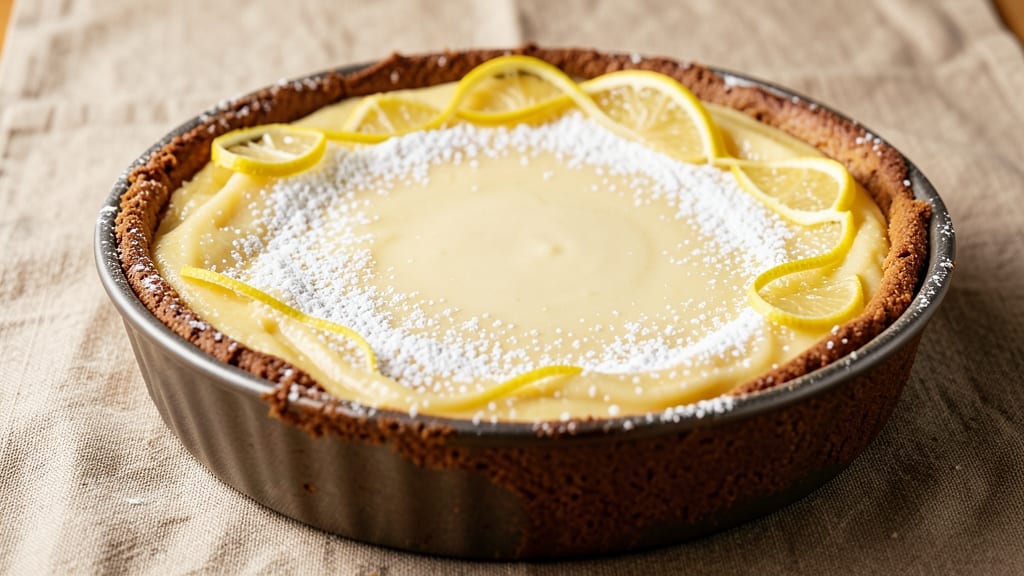
Mastering a baked cheesecake recipe UK with a perfect no-crack crown and tangy lemon zest is simpler than you think—especially with the right technique. The secret lies in a water bath method and precise oven temperature control, two techniques that guarantee a silky texture and smooth top. This recipe uses familiar UK measurements and ingredients, so you won’t need to hunt for anything unusual.
What sets this cheesecake apart is the lemon zest infused into the filling, adding a bright, citrusy contrast to the rich cream cheese base. The recipe also includes a foolproof method for avoiding cracks, using a pre-baked crust and gradual cooling. Whether you're a beginner or a seasoned baker, this approach ensures a foolproof result every time.
The final product is a creamy, velvety cheesecake with a golden, crack-free crown that’s light yet dense—perfect for special occasions or weekend treats. The lemon zest not only enhances the flavour but also adds a subtle freshness that balances the richness. Serve it chilled with fresh berries or a dollop of whipped cream for the ultimate dessert experience.
Ready in just 4 hours (including cooling time), this recipe is designed to fit seamlessly into your schedule without sacrificing quality. The instructions are straightforward, and the ingredients are easy to source, making it the ideal project for any home baker in the UK.
Ingredients for baked cheesecake recipe uk
Eight essential ingredients transform into a silky, crack-free UK cheesecake with lemon zest brilliance.
| Ingredient | Amount | Notes |
|---|---|---|
| Full-Fat Cream Cheese 🧀 | 16 oz | Room temperature, block preferred |
| Granulated Sugar 🍚 | 1 ½ cups | UK caster sugar works too |
| Large Eggs 🥚 | 3 whole | Room temperature for best blend |
| Lemon Zest 🍋 | 1 tbsp | Freshly grated, vibrant yellow |
| Lemon Juice 🍋 | 2 tbsp | Freshly squeezed, no pulp |
| All-Purpose Flour 🌾 | ½ cup | Sifted for smooth texture |
| Vanilla Extract 🌿 | 1 tsp | Pure Madagascar preferred |
| Unsalted Butter 🧈 | ½ cup | Melted, full-fat version |
| Digestive Biscuits 🍪 | 1 ½ cups | UK brand, crushed to crumbs |
| Melted Butter 🧈 | ¼ cup | For crust binding |
| Salt 🧂 | ½ tsp | Fine sea salt preferred |
| Heavy Whipping Cream 🥛 | ½ cup | For optional topping |
| Fresh Berries 🍓 | 1 cup | For garnish, optional |
The cream cheese is non-negotiable—Philadelphia full-fat or a good UK brand like Clover delivers that perfect balance of richness and smoothness. Grab a 16oz block (about 450g) and let it sit at room temperature for at least 2 hours before mixing—this ensures a velvety texture without lumps. For the crust, Digestive biscuits are a UK baking staple, but Rich Tea works too. Toast them lightly before crushing for extra depth of flavor. The lemon zest? Use only the outer yellow part—no white pith, which can turn bitter. I always buy organic lemons from Waitrose or M&S for the brightest flavor.
No vanilla extract? Vanilla sugar or seedless vanilla pods work in a pinch—just adjust the amount to taste. Running low on Digestive biscuits? Graham crackers or digestive biscuits from any UK supermarket will do. The eggs need to be room temperature—cold eggs can cause the batter to curdle. For a lighter texture, some bakers separate the yolks and whites, but I find blending the whole eggs gives a beautifully creamy result. The water bath method is key—never skip it—it prevents cracking and ensures even cooking. If you're worried about cracks, brush the top with a thin layer of lemon juice before baking for extra moisture.
This cheesecake tastes even better the next day, so make it ahead if you can. Store it in the fridge for up to 5 days, covered tightly with cling film. For serving, whip the heavy cream lightly and pipe a swirl on top, then decorate with fresh berries. The crust stays crisp for about 3 days if stored properly. Freeze portions for up to 3 months—just thaw overnight in the fridge. The lemon zest flavor intensifies when chilled, so wait until serving to garnish with berries to keep them vibrant.
Why You'll Love This Recipe
- No Fuss Mixing: I swear by this recipe’s five-minute prep—just beat the cream cheese until smooth, fold in sugar and eggs, then a splash of lemon juice for that bright tang. No food processor, no stress, just a whisk and a bowl.
- Zesty Magic: That lemon zest? It’s the secret weapon—cuts through the richness while keeping it creamy. Honestly, the first time I skipped it, I missed it terribly. Now it’s non-negotiable.
- Weekend or Weeknight: Bake it ahead for a fuss-free dessert, or serve it warm for a cosy Sunday tea. Between us, my kids ask for it more than cake—even when it’s just me and a mug of tea at 9pm.
- Leftovers That Last: This keeps for days in the fridge, and slices reheat beautifully. I’ve taken it to picnics, packed it for work, and even frozen portions for lazy days. Budget-friendly? Absolutely—just cream cheese and eggs stretch far.
Step-by-step instructions for baked cheesecake with lemon zest
Here's the foolproof method for a silky-smooth, crack-free cheesecake with that perfect tangy lemon kick.
Prepare the Digestive Biscuit Crust
Preheat your oven to 350°F and melt the 0.5 cup unsalted butter in a small saucepan over low heat. Once fully melted, remove from heat and stir in the 1.5 cups digestive biscuits until completely coated. Press this mixture firmly into the bottom of a 9-inch springform pan, using the back of a spoon to create an even layer.
Here's the thing—this crust needs to be packed tightly to prevent leaks during baking. I like to press it down in three stages, rotating the pan between each to ensure even distribution. Bake the crust for 10 minutes while you prepare the filling. This pre-baking step is crucial for preventing a soggy bottom later.
Whisk Cream Cheese and Sugar Until Silky
While the crust bakes, beat the 16 oz full-fat cream cheese and 1.5 cups granulated sugar together in a large mixing bowl using an electric mixer on medium speed until completely smooth. This step can't be rushed—the mixture should be pale, creamy, and free of any lumps. I've found that using room temperature cream cheese makes this process significantly easier.
Here's where the magic happens: add the 3 whole large eggs one at a time, mixing just until each is fully incorporated. Don't overmix—just enough to combine. Then stir in the 1 tbsp lemon zest, 2 tbsp lemon juice, 1 tsp vanilla extract, and 0.5 tsp salt. The lemon flavor will infuse beautifully throughout the filling, giving that bright, zesty character without overpowering the rich cream cheese base.
Fold in Flour and Pour into Crust
Sift the 0.5 cup all-purpose flour over the cream cheese mixture and gently fold it in using a spatula. This step should be done carefully to avoid deflating the batter. Pour the filling into the pre-baked crust, spreading it evenly. The filling should come about ½ inch from the top edge of the pan—this allows room for expansion during baking.
I always tap the pan gently on the counter a few times after pouring to release any air bubbles that might have formed. This ensures a smooth, crack-free surface. Don't worry if the batter looks slightly curdled—it'll come together beautifully during baking.
Bake at Low Temperature for Even Cooking
Place the cheesecake in the preheated oven and bake for 50-55 minutes at 350°F. The center should still have a slight wobble when the pan is gently shaken—this indicates it's not fully set but won't be runny. A toothpick inserted into the center should come out with a few moist crumbs, not wet batter.
Here's the critical part: after the initial baking time, reduce the oven temperature to 250°F and continue baking for another 15-20 minutes. This slow cook helps prevent cracking while allowing the cheesecake to fully set. The low temperature also ensures even cooking throughout, which is essential for that perfect no-crack crown.
Cool and Finish with Optional Topping
Remove the cheesecake from the oven and let it cool completely at room temperature for 1 hour. Then refrigerate for at least 4 hours or overnight—this resting period is crucial for developing the proper texture. The cheesecake should be firm but still slightly yielding when served.
For the optional topping, whip the 0.5 cup heavy whipping cream until soft peaks form. Spread this over the top of the cooled cheesecake and garnish with the 1 cup fresh berries. The cream adds a lovely lightness that contrasts beautifully with the dense, rich filling. Serve chilled and enjoy the perfect balance of tangy lemon and creamy sweetness in every bite.
Pro Tips For Making Baked Cheesecake Recipe Uk
- Preheat Like a Pro: Fire up your oven to 160°C (320°F) fan and let it scream for at least 30 minutes—no cutting corners here. I learned this the hard way when my cheesecake took 45 minutes longer to set because the oven wasn’t properly heated. Trust me, the extra wait now saves you from a gummy mess later.
- Whip Cream Cheese Cold: Take your full-fat cream cheese straight from the fridge—yes, even if it’s rock-hard. Beat it with the sugar until it’s just smooth, then add eggs one at a time. I used to warm it up, and the texture always ended up grainy. Cold cream cheese blends better, no matter how stubborn it feels.
- Avoid Overmixing Eggs: Once you’ve folded in the lemon zest and juice, stop mixing the moment everything looks combined. Overworking the batter introduces too much air, and that’s a one-way ticket to cracks. I now use a spatula to gently fold—just until the lemon flecks disappear.
- Water Bath or Bust: No shortcuts here—wrap your springform tin in foil first, then lower it into a deep baking tray filled with boiling water. The steam keeps the centre moist and prevents that dreaded sink in the middle. I skipped this once and spent 20 minutes propping up a collapsed cheesecake. Not worth it.
Serving suggestions for leftovers
Classic UK Crust Variations
For a twist on the traditional Digestive biscuit crust, try a Graham cracker crust—just swap the biscuits for 1.5 cups crushed Graham crackers (about 30 crackers). The nutty flavor pairs beautifully with the lemon zest. Alternatively, for a savory-sweet contrast, mix 1 cup crushed Digestives with ½ cup crushed Oreos—the cocoa adds depth. Pre-bake these crusts for 10-12 minutes at 350°F to ensure they’re set before adding the filling. 🍪
Berries and Cream Toppings
Fresh raspberries or strawberries are perfect for garnishing—toss them in 1 tbsp icing sugar and a squeeze of lemon juice before arranging on top. For a luxurious finish, whip ½ cup heavy cream with 1 tbsp powdered sugar and pipe swirls over the cheesecake. If you prefer chocolate, melt 4 oz dark chocolate (70% cocoa) and drizzle it artistically. The contrast of tart berries or rich chocolate against the creamy lemon cheesecake is unbeatable. 🍓
Whipped Cream Alternatives
Need a dairy-free option? Use coconut whipped cream—chill a can of full-fat coconut cream overnight, then whip the thickened cream with 1 tsp powdered sugar and ½ tsp vanilla. For a lighter texture, fold 1 tbsp aquafaba (chickpea brine) into whipped cream before piping. If you’re avoiding sugar, skip the powdered sugar and add 1 tsp lemon zest to the cream for extra brightness. These alternatives keep the dessert elegant while accommodating dietary needs. 🥥
Seasonal Fruit Compotes
Swap fresh berries for a warm fruit compote—simmer 1 cup mixed berries (or peaches/nectarines) with 2 tbsp sugar and 1 tsp lemon juice until thickened (5-7 minutes). Let it cool slightly before spooning over the cheesecake. In autumn, try roasted apple compote with ½ tsp cinnamon—the warm spices complement the lemon beautifully. For winter, a blackberry and orange zest compote adds a festive twist. 🍎
Boozy Upgrades
Infuse the cheesecake with 1 tbsp Grand Marnier or Cointreau alongside the vanilla extract for a citrusy kick. For a boozy topping, warm 2 tbsp orange liqueur with 1 tbsp honey and drizzle over the chilled cheesecake. A splash of prosecco or sparkling wine (just 1 tbsp) in the filling adds bubbles without altering the texture. These upgrades elevate the dessert for special occasions—just remember, alcohol burns off during baking. 🍾
Presentation Tips
Serve slices on parchment-lined plates to prevent sticking. For a restaurant-style finish, dust the rim of the springform pan with powdered sugar before slicing—it adds a professional touch. Arrange edible flowers (like violets or pansies) on top for a spring/summer vibe, or crushed pistachios for winter. Chill the cheesecake for at least 4 hours before serving to ensure clean slices. A cheesecake server (available at Lakeland or John Lewis) makes cutting effortless. ✨
Nutrition facts
Frequently asked questions
Why does my UK cheesecake crack even with the water bath method?
Cracking happens when the cheesecake cools too quickly or the oven temperature fluctuates. Always reduce the oven temperature to 250°F for the final 15-20 minutes of baking, and let it cool gradually at room temperature for 1 hour before refrigerating. Also, avoid opening the oven door too often during baking to prevent sudden temperature drops.
Can I make this cheesecake without a water bath?
While possible, a water bath is essential for preventing cracks and ensuring even cooking. If you must skip it, bake at 325°F instead of 350°F and increase baking time by 10-15 minutes. However, the texture may be slightly denser, and cracking is more likely. The water bath method guarantees the silky, creamy result this recipe promises.
What’s the best way to store leftover cheesecake?
Wrap tightly in cling film and store in the fridge for up to 5 days. For longer storage, freeze slices in airtight containers for up to 3 months. Thaw overnight in the fridge—never at room temperature. The crust stays crisp best when stored properly, and the lemon zest flavor intensifies when chilled.
Can I substitute Philadelphia cream cheese with another brand?
Yes, but use a full-fat, high-quality brand like Clover or Wensleydale for the best texture. Avoid low-fat versions—they won’t give the same rich, creamy result. If your cream cheese is slightly cold, let it sit at room temperature for 2 hours before mixing to ensure a smooth batter.
How do I fix a soggy crust?
Pre-bake the crust for 10-12 minutes before adding the filling—this is non-negotiable! If it still gets soggy, try a Graham cracker crust instead of Digestives, as it holds up better. For extra insurance, brush the crust with melted butter before adding the filling to create a moisture barrier.