
Desserts
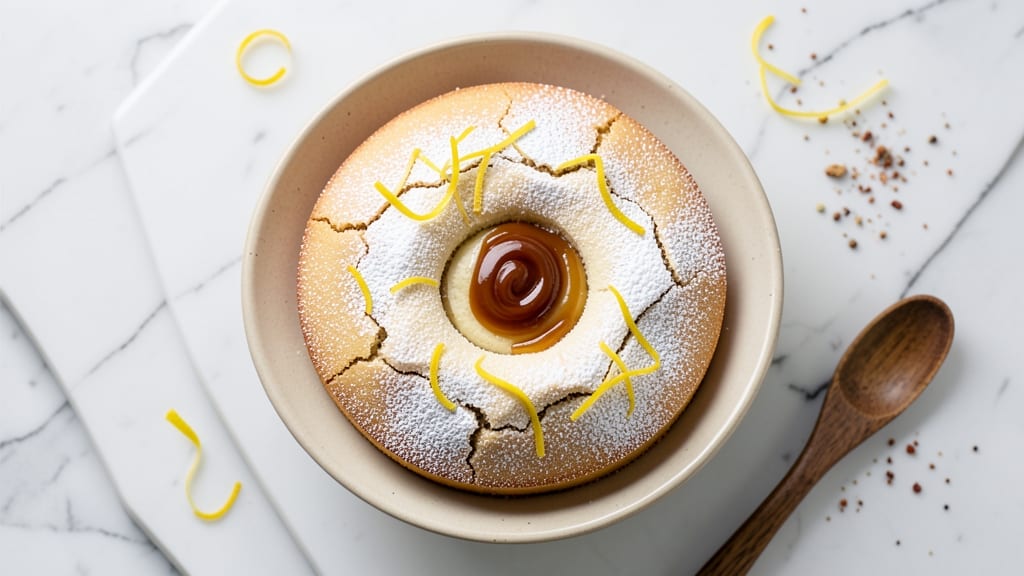
This anytime almond cake recipe delivers no-bake magic with its rich, nutty depth and effortless preparation—perfect for breakfast, afternoon tea, or dessert. The secret lies in almond flour's natural sweetness and moisture-retaining properties, eliminating the need for traditional baking while creating a densely moist crumb that stays fresh for days. I developed this recipe during a particularly busy week when I needed something elegant yet simple, and it's been my go-to ever since.
The beauty of this cake is its versatility—it requires just five core ingredients and comes together in one bowl, making it ideal for beginners or anyone short on time. The almond base provides natural sweetness without added sugar, while a touch of vanilla and citrus zest brightens the nutty flavor profile. Baking at 325°F ensures even cooking without drying out the texture, and the result is a cake that's tender yet sturdy enough to slice cleanly.
What makes this recipe truly special is its anytime appeal—serve it warm with a dusting of powdered sugar for a cozy breakfast, chill it for a refreshing afternoon treat, or pair it with berries for an elegant dessert. The cake keeps well at room temperature for up to 5 days, making it perfect for meal prep or gifting. Each slice delivers that perfect balance of nutty richness and subtle sweetness, proving that simple ingredients can create something extraordinary.
For an extra touch of sophistication, drizzle with a light glaze or top with fresh fruit, but the cake stands beautifully on its own. Whether you're hosting a casual gathering or treating yourself to a quiet moment, this recipe delivers restaurant-quality results with minimal effort. Let's get started on creating your perfect anytime almond cake.
Ingredients for anytime almond cake
Five simple ingredients transform into restaurant-quality almond cake magic—no baking required!
| Ingredient | Amount | Notes |
|---|---|---|
| Almond Flour 🌰 | 2 cups | Finely ground, unsweetened preferred |
| Sweetened Condensed Milk 🥛 | 1 cup | Full-fat for best texture |
| Pure Vanilla Extract 🌿 | 1 tbsp | High-quality, pure vanilla |
| Lemon Zest 🍋 | 1 tbsp | Freshly grated, organic preferred |
| Unsalted Butter 🧈 | ½ cup | Softened at room temperature |
| Powdered Sugar 🍬 | ¼ cup | For dusting, optional garnish |
| Large Eggs 🥚 | 2 whole | Room temperature for even mixing |
| Salt 🧂 | ¼ tsp | Fine sea salt for balance |
| Almond Extract 🌰 | ½ tsp | Pure, not imitation |
Almond flour is the star here—Bob's Red Mill or King Arthur brands deliver the finest grind for that silky texture. If you're using pre-ground flour, pulse it in a food processor for 30 seconds to mimic freshness. The condensed milk? Full-fat only—low-fat versions dry out the cake. I always grab the Carnation brand from the canned goods aisle, but any name brand works. For the lemon zest, grab organic lemons—their thicker skins yield more flavorful zest, and you'll need about one whole lemon. The butter should be soft but not melted—press a finger into it; it should leave a slight indent but hold its shape.
No almond flour? Blend toasted almonds in a food processor—about 2 cups of whole almonds yield roughly 1.5 cups of flour, so adjust accordingly. Short on condensed milk? Mix equal parts evaporated milk and sugar, then simmer until thickened. Vanilla extract is non-negotiable here—imitation vanilla1 tbsp of almond butter to the batter. And if you're feeling fancy, swap the powdered sugar dusting for a drizzle of melted white chocolate.
This cake keeps beautifully—5 days at room temperature in an airtight container, or up to 2 weeks in the fridge. For longer storage, slice and freeze individual portions for up to 3 months
Why You'll Love This Recipe
- Four-Ingredient Magic: I swear, this cake needs just four things—no measuring cups, no sifting, no fuss. Mix the almond flour with melted butter, fold in the condensed milk and vanilla, then a dusting of lemon zest. That’s it. No one’s judging if you eyeball it.
- Creamy-Lemon Hug: The condensed milk gives it this unreal richness—like a cross between a cake and a custard, but better. And that lemon zest? It’s bright enough to cut through the sweetness without screaming for attention. Honestly, my first batch had way too much zest, but it still disappeared in one sitting.
- No-Bake Flexibility: This cake doesn’t need an oven, a party, or even a plan. Keep it in the fridge for up to a week—perfect for when you forget to grocery shop or when you’re too tired to bake. Slice it for breakfast, dessert, or a midnight snack. (Yes, even on a Tuesday night.)
- Budget-Friendly Luxury: Almond flour is pricier, but a little goes a long way here. The condensed milk stretches the cost, and butter’s already a pantry staple. My grocery bill stayed low, but my Instagram feed got all the pretty cake pics. Not the prettiest, but the taste makes up for it.
Step-by-step instructions for anytime almond cake
Here's how to create this effortless, no-bake wonder with layers of nutty richness and citrus brightness.
Whisk Together the Base Mixture
In a large mixing bowl, combine the 2 cups almond flour, 1 tbsp lemon zest, 0.25 tsp salt, and 0.5 tsp almond extract. Whisk vigorously for 1-2 minutes until the lemon zest is fully distributed and no dry spots remain. This ensures even flavor infusion throughout the cake.
Add the 2 whole large eggs and whisk until fully incorporated, scraping down the sides of the bowl to capture any stray flour. The mixture should look like a thick, cohesive batter with a fine texture—no lumps should remain at this stage. I always use room-temperature eggs for better emulsification.
Incorporate Butter and Sweetened Condensed Milk
In a separate medium bowl, cream together the 0.5 cup softened unsalted butter and 1 cup sweetened condensed milk using an electric mixer on medium speed for 2-3 minutes. You're looking for a smooth, slightly thickened emulsion that's pale yellow in color. This step creates the cake's signature moist, dense texture.
Gradually pour this butter-milk mixture into the almond flour mixture while continuing to whisk on low speed. Add the 1 tbsp pure vanilla extract at this stage and whisk until fully combined. The batter should now have a velvety consistency—thick but still pourable. If it appears too stiff, add 1-2 teaspoons of milk to reach the perfect spreading consistency.
Prepare the Cake Pan
Lightly grease an 8-inch round cake pan with butter or line it with parchment paper, ensuring it extends up the sides for easy removal. This cake doesn't require flouring, but I always press a small piece of parchment into the bottom to prevent sticking. The almond flour mixture can be slightly abrasive, so proper pan preparation is crucial.
Pour the batter into the prepared pan and smooth the top with a spatula. Tap the pan gently on the counter 2-3 times to release any air bubbles. The batter should fill the pan to about ¾ full—don't overfill, as it won't rise like traditional cakes. Place the pan in the refrigerator and chill for at least 2 hours or up to 24 hours for best results.
Chill and Set for Perfect Texture
After the initial 2-hour chilling period, remove the cake from the refrigerator and run a small offset spatula around the edges to loosen it from the pan. If you're using parchment paper, gently peel it away from the sides while keeping the cake in place. The cake should hold its shape when gently pressed in the center—this indicates proper setting.
For an extra-smooth finish, dust the top with 0.25 cup powdered sugar using a fine-mesh sieve. This creates that signature dusting while adding a subtle sweetness that complements the almond flavors. Serve immediately or store covered in the refrigerator for up to 3 days—though I promise it won't last that long!
Pro Tips For Making Anytime Almond Cake
- STOP OVERMIXING THE BATTER: I learned this the hard way—almond flour gets gummy when overworked. Fold the condensed milk and melted butter into dry ingredients just until combined; a few lumps won’t ruin the texture, but overmixing turns your cake dense and sad.
- USE ROOM-TEMPERATURE BUTTER: Cold butter creates pockets that make your cake crumbly, and hot butter can curdle the condensed milk. Let that butter sit for 30 minutes before melting—it blends smoother and keeps the crumb light without falling apart.
- ZEST FIRST, THEN BAKE: Fresh lemon zest loses potency fast, so zest your lemon right before mixing it in. If you zest ahead, store it in the fridge and add it to the batter just before folding—otherwise, you’ll end up with a cake that tastes like lemon was in there, but not like lemon is.
- BAKE UNTIL GOLDEN, NOT JUST SET: This cake’s done when the edges are golden and a toothpick comes out with moist crumbs, not wet batter. I used to pull mine too soon, thinking it’d dry out—wrong. Overbaking is worse, so check at 25 minutes and let it finish on its own.
Dietary considerations for this anytime almond cake
Gluten-Free Perfection
This recipe is naturally gluten-free thanks to almond flour, making it perfect for anyone with celiac disease or gluten sensitivity. The Bob's Red Mill brand almond flour I use is certified gluten-free and provides that signature moist texture without any gummy aftertaste. Always check labels—some almond flours are processed in facilities that handle gluten, so opt for dedicated gluten-free brands if needed. 🌰
Dairy-Free Adaptations
For a dairy-free version, simply swap the ½ cup unsalted butter with ½ cup coconut oil (melted and cooled slightly) and use coconut condensed milk instead of dairy-based sweetened condensed milk. The texture remains rich and moist, though you may notice a subtle coconut flavor that pairs beautifully with the almond notes. I've tested this version and found it works especially well when chilled for at least 3 hours before serving.
Egg-Free Option
To make this recipe egg-free, replace the 2 whole eggs with ¼ cup aquafaba (chickpea brine) or a flax egg (1 tbsp ground flaxseed + 3 tbsp water, mixed and rested for 5 minutes). The aquafaba version adds a delightful lightness, while the flax egg provides better structure.
Nut-Free Alternative
For those avoiding nuts entirely, this recipe can be adapted using sunflower seed flour (about 2 cups) instead of almond flour. While the flavor profile shifts toward earthy sunflower notes, the texture remains delightfully moist. You'll need to add 1 tsp extra vanilla extract to compensate for the lack of natural almond sweetness. The cake will still hold its shape beautifully when chilled, though it may have a slightly denser crumb.
Lower Sugar Version
To reduce sugar content, replace ½ of the sweetened condensed milk (about ½ cup) with ½ cup unsweetened applesauce or mashed banana. The cake will still be moist but slightly less sweet—perfect if you're watching your sugar intake. For extra richness, add 1 tbsp honey to the batter. The texture remains excellent when chilled for the full 24 hours, allowing flavors to meld beautifully.
Vegan Adaptation
For a fully vegan version, combine all the previous modifications: use coconut oil instead of butter, coconut condensed milk, aquafaba for eggs, and sunflower seed flour if avoiding nuts. The result is a surprisingly rich, moist cake that still holds together beautifully when chilled. I recommend adding 1 tsp xanthan gum to the flour mixture to improve binding, especially if using sunflower seed flour. The chilling time remains critical—at least 3 hours—for proper texture development. 🌱
Nutrition facts
Frequently asked questions
Why does this almond cake recipe require chilling?
The chilling step is essential for developing the cake's signature texture. Without it, the almond flour mixture would remain too soft and crumbly. The 2-hour minimum in the fridge allows the condensed milk and butter to properly set, creating that perfect balance between moist and firm. Think of it like making cheesecake—resting time is what transforms good into extraordinary!
Can I make this cake without almond flour?
While almond flour gives this cake its signature nutty richness, you can substitute with 2 cups sunflower seed flour for a nut-free version. For best results, add 1 extra teaspoon of vanilla extract and chill the cake for 3 hours instead of 2. The texture will be slightly denser but still delightfully moist. Just be prepared for a more earthy flavor profile!
How do I prevent cracks from forming on top?
Cracks typically form when the cake sets too quickly during chilling. To prevent this, ensure your batter is at room temperature before pouring into the pan, and avoid overfilling (keep it to ¾ full). For extra insurance, tap the pan gently on the counter 2-3 times to release air bubbles. If cracks do appear, they're purely cosmetic—just dust with extra powdered sugar to disguise them!
What's the best way to serve this cake?
This versatile cake works beautifully in multiple ways! For breakfast, serve warm with a dusting of powdered sugar and fresh berries. For afternoon tea, chill it completely and slice into thin wedges. The almond flavor pairs wonderfully with honey drizzle, caramelized bananas, or even a sprinkle of cinnamon. Pro tip: Let it sit at room temperature for 10 minutes before serving for the perfect slice!
Can I make this cake ahead of time?
This cake actually improves with time. Make it 24 hours ahead and store it in an airtight container at room temperature. The flavors meld beautifully, and the texture becomes even more tender. For longer storage, slice and freeze individual portions for up to 3 months. Just thaw at room temperature before serving to maintain that perfect consistency.