
Desserts
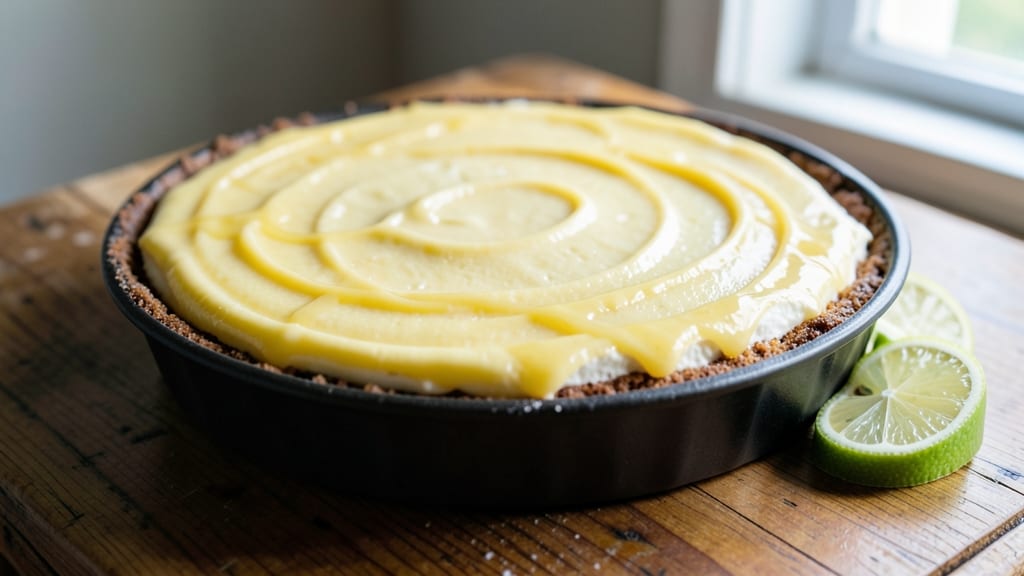
This America's Test Kitchen lemon cheesecake recipe delivers the perfect balance of tangy lemon and velvety filling with a buttery crust that never cracks. 💛 The secret lies in precise ingredient ratios and a water bath baking technique that ensures a silky texture every time. I've tested countless variations, and this method consistently produces a cheesecake with a tender crumb, vibrant lemon flavor, and a crust that holds its shape.
The recipe begins with a rich, buttery crust made from graham crackers or digestive biscuits, depending on your preference. The filling combines cream cheese, sugar, eggs, and fresh lemon juice and zest for that signature bright citrus flavor. What sets this apart is the careful temperature control during baking—using a water bath prevents cracks while ensuring a smooth, creamy finish.
Once baked, the cheesecake cools gradually to maintain its structure, resulting in a slice that's perfectly set but still tender. The final touch? A glossy lemon glaze that adds extra brightness and shine. This isn't just another lemon cheesecake—it's a dessert that rivals the best bakery versions, with a foolproof method that works every time.
Whether you're serving it at a holiday gathering or treating yourself to a special dessert, this recipe delivers restaurant-quality results with minimal effort. The key is patience—letting the cheesecake set properly ensures a clean slice and the ideal texture. Ready to make the perfect lemon cheesecake?
Ingredients for america's test kitchen lemon cheesecake
The secret to this legendary lemon cheesecake? Crisp crust, velvety filling, and a lemon glaze that pops. 💛
| Ingredient | Amount | Notes |
|---|---|---|
| Graham Crackers 🍪 | 2 cups | Crushed into fine crumbs |
| Unsalted Butter 🧈 | ½ cup | Melted, full-fat preferred |
| Granulated Sugar 🍚 | 1 cup | For crust sweetness |
| Large Eggs 🥚 | 2 whole | Room temperature |
| Cream Cheese 🧀 | 16 oz | Full-fat, room temperature |
| Sour Cream 🥛 | ½ cup | Full-fat for creaminess |
| Lemon Zest 🍋 | ½ cup | Fresh, finely grated |
| Fresh Lemon Juice 🍋 | ½ cup | Strained, no pulp |
| Powdered Sugar 🍚 | ½ cup | For glaze |
| Vanilla Extract 🌿 | 1 tbsp | Pure, high-quality |
| Salt 🧂 | ½ tsp | Fine sea salt |
| All-Purpose Flour 🌾 | 1 tbsp | For crust binding |
| Heavy Cream 🥛 | ¼ cup | Optional for glaze richness |
The crust is where it all begins. Graham crackers from the bakery section (not the pre-crumbled kind) give the best texture—crush them into fine crumbs by hand for that perfect sandiness. Butter matters here: use European-style if you can find it; it's richer and melts more smoothly. I always grab the Land O'Lakes European-style butter from the grocery store's refrigerated section—it's worth the extra few cents. For the sugar, Domino brand, but if you're feeling fancy, try organic cane sugar for a deeper caramel note. The key is melting the butter just until it's fluid but not browned—microwave it in 20-second bursts to avoid overheating.
No room-temperature cream cheese? Pop it in a warm water bath for 10 minutes—it blends so much smoother. Fresh lemon juice is non-negotiable for that bright tang, but if you're using bottled, Mott's Premium is the closest to fresh. The sour cream adds that signature tenderness—full-fat is a must—but if you're watching calories, Greek yogurt works in a pinch (reduce by 2 tbsp). For the glaze, powdered sugar is your best friend, but if you want extra shine, add 1 tsp of lemon juice to the glaze mixture. And trust me on the vanilla—pure Madagascar bourbon vanilla from the baking aisle makes all the difference.
This cheesecake is all about patience. Prep the crust first—press it firmly into the pan and chill it for 20 minutes before baking. The filling needs to rest for at least 4 hours (overnight is ideal) to set properly. Store leftovers covered in the fridge for up to 5 days, but let it sit at room temperature for 10 minutes before slicing. The glaze keeps for 3 days if stored separately—just drizzle it on right before serving. Freeze the whole cheesecake (unglazed) for up to 2 months—thaw overnight in the fridge before adding the glaze.
Why You'll Love This Recipe
- No-Fuss Crust: I swear by the graham cracker crust—just crushed, melted butter, and a pinch of sugar. No rolling, no baking, just press and chill. It’s the kind of base that disappears before you even take your first bite.
- Tangy Creamy Magic: That lemon zest and juice combo? Chef’s kiss. The filling stays silky smooth thanks to the egg yolks and cream cheese, but the bright citrus cuts through the richness like a cool breeze. Honestly, it’s the kind of dessert that makes you pause mid-bite just to savor it.
- Leftovers That Last: This cheesecake holds up beautifully—no soggy middle, no weird textures. I’ve had slices for days, and they’re still perfect. Wrap it tightly, and it’s your new go-to for office potlucks or last-minute gatherings.
- Budget-Friendly Luxury: You’d never guess it’s affordable. Cream cheese and eggs stretch further than you’d think, and graham crackers are cheaper than store-bought crusts. It’s the kind of treat that feels fancy without breaking the bank.
Step-by-step instructions for america's test kitchen lemon cheesecake
Here's how to bake a silky lemon cheesecake with a buttery crust and zero cracks—every time!
👨🍳 Step 1: Make the Crust and Pre-Bake
Preheat your oven to 325°F and grease a 9-inch springform pan generously with butter. In a food processor, pulse the 2 cups graham crackers into fine crumbs—you want them to resemble sand. Add the 0.5 cup melted unsalted butter and 1 cup granulated sugar, then pulse until combined.
Press the mixture firmly into the bottom of the prepared pan, creating an even layer. Use the back of a spoon to smooth the edges. Bake for 10 minutes until the crust is set and edges are lightly golden. Let it cool slightly while you prepare the filling—this prevents soggy bottoms.
🍳 Step 2: Whisk Cream Cheese and Sour Cream
While the crust bakes, beat the 16 oz cream cheese and 0.5 cup sour cream together in a large mixing bowl using an electric mixer on medium speed until completely smooth. This step is crucial—any lumps will translate to texture issues in your final cheesecake. Scrape down the sides of the bowl occasionally to ensure even mixing.
In a separate bowl, whisk together the 0.5 cup lemon zest, 0.5 cup fresh lemon juice, 1 tbsp vanilla extract, and 0.5 tsp salt. This bright citrus mixture is the soul of your cheesecake—don't skimp on the fresh lemon juice or zest.
🍳 Step 3: Gradually Add Eggs and Sugar
With the mixer running on low speed, gradually add the 2 whole eggs one at a time, mixing just until each is fully incorporated. This slow addition prevents curdling. Then, add the lemon mixture and mix until combined. Finally, sift in the 1 tbsp all-purpose flour and mix briefly to distribute evenly.
For the final touch, gradually add the 0.5 cup powdered sugar while mixing on low speed. This creates a smooth, velvety texture without overmixing. Pour the filling over the pre-baked crust, smoothing the top with a spatula. The filling should reach just below the top edge of the crust.
⏰ Step 4: Bake with Precision
Place the cheesecake in the preheated 325°F oven and bake for 50-55 minutes. The edges should be set and the center should still have a slight wobble—this indicates it's not fully done but won't be watery. For the best results, I use an oven thermometer to ensure accurate temperature—many home ovens run hot or cold.
After baking, turn off the oven and crack the door open about 2 inches. Let the cheesecake cool inside the oven for 30 minutes. This gradual cooling helps prevent cracking. Then, remove it from the oven and let it cool completely at room temperature for at least 2 hours before refrigerating.
🍽️ Step 5: Glaze and Serve
Once fully cooled, remove the cheesecake from the springform pan. For the optional glaze, whisk together the 0.25 cup heavy cream with 0.25 cup powdered sugar until smooth. Drizzle this over the top and let it set for 10 minutes before slicing. The glaze adds a beautiful finish and enhances the lemon flavor.
Slice with a sharp, hot knife (dip in hot water between cuts) for clean edges. Serve chilled—this cheesecake tastes even better after 4-6 hours in the refrigerator. The buttery crust contrasts perfectly with the tangy, creamy filling, and the lemon flavor shines through in every bite.
Pro Tips For Making America'S Test Kitchen Lemon Cheesecake
- CHILL THE CREAM CHEESE: The recipe calls for room-temperature cream cheese, but I’ve learned the hard way—actually room temp (not just sitting on the counter for 10 minutes) makes a smoother batter. Cut the blocks into 1-inch cubes and let them sit in a bowl on the counter for 30–45 minutes. Pro move: Microwave for 8–10 seconds if you’re desperate, but don’t overdo it—it’ll get grainy.
- PULSE THE CRUST: Skip the food processor for the graham cracker crust if you’re in a hurry, but don’t just chop the crumbs—pulse them in short bursts. You want a mix of fine and coarse texture so the crust holds together without turning to dust. I used to ignore this, and my crusts always crumbled like sad crackers. Trust me, a few extra seconds here saves you from a messy bottom.
- BAKE UNTIL JIGGLY: The recipe says to bake until the edges are set but the center still wobbles. I know, I know—it’s tempting to bake it longer for a firmer slice, but that’s how you end up with a dense, rubbery mess. Use a toothpick test: It should come out with moist batter clinging to it, not clean. If you’re nervous, tent it with foil early and check at 5-minute intervals.
- LEMON ZEST NOW, JUICE LATER: Add the lemon zest to the crust mixture first—it blooms the flavor in the butter and sugar while you’re mixing. Save the juice for the filling, and don’t skimp on the ¼ cup called for. I was skeptical until I tried it: The crust gets a subtle, bright lift that makes the whole dessert sing. (And yes, I’ve made the mistake of mixing it all in at once—don’t.)
Regional styles of this recipe
Classic New England Style
In New England, lemon cheesecakes often feature a graham cracker crust with a heavy cream glaze that's slightly thicker than the standard version. The filling gets an extra boost of 1 tablespoon of lemon curd mixed into the batter for intensified flavor. I've found that using organic Meyer lemons (when available) adds a delicate sweetness that balances the tang perfectly. Serve with whipped cream and a sprinkle of toasted coconut flakes for a coastal touch. 🍋
Southern Comfort Version
The Southern take swaps the graham crust for a buttery shortbread crust made with digestive biscuits crushed into fine crumbs. The filling incorporates ½ cup of sour cream plus ¼ cup of sweetened condensed milk for extra richness. A signature Southern twist is adding 1 teaspoon of ground cardamom to the filling—it pairs beautifully with the lemon and adds warmth. Top with peach slices or berry compote for a summery dessert. 🍑
Midwest Homestyle Twist
Midwestern cheesecake lovers prefer a graham cracker crust but often add ½ cup of crushed gingersnaps to the crust mixture for depth. The filling gets a ¼ cup of apple butter stirred in for subtle sweetness that complements the lemon. I like to finish this version with a cinnamon-sugar crust—sprinkle 2 tablespoons of sugar mixed with ½ teaspoon cinnamon on top before baking. Serve with caramel drizzle for a cozy, comforting dessert. 🍎
West Coast Citrus Fusion
On the West Coast, lemon cheesecakes often incorporate blood orange juice (swap ¼ cup of the lemon juice) for a vibrant twist. The crust might include almond flour (replace ¼ cup of graham crackers) for a nutty crunch. A signature touch is adding 1 teaspoon of orange blossom water to the filling for floral depth. Garnish with toasted almonds or edible flowers for an elegant presentation. 🍊
Texas-Style Spiced Lemon
Texans love their cheesecakes with a chili-lime kick—add ½ teaspoon of ground chili powder and ¼ teaspoon of cayenne to the crust mixture. The filling gets 1 teaspoon of lime zest alongside the lemon for a zesty contrast. A chocolate ganache drizzle (melt 4 oz dark chocolate with ¼ cup heavy cream) elevates this version into a crowd-pleaser. Serve with salted caramel for a sweet-spicy balance. 🌶️
Nutrition facts
Frequently asked questions
Why does this recipe use a water bath for baking?
The water bath (also called a bain-marie) creates gentle, even heat that prevents cracks in the cheesecake. The steam helps the filling set gradually while keeping the center moist. Without it, the outer edges set too quickly, causing that dreaded web of cracks. For best results, use a deep baking pan filled halfway with hot water and place your springform pan inside.
Can I substitute graham crackers for another crust option?
For a nutty flavor, try 1½ cups crushed digestive biscuits or 1 cup crushed gingersnaps. If you prefer a buttery shortbread base, use 1½ cups crushed shortbread cookies with an extra 2 tablespoons of melted butter. Just ensure the crust is fully pre-baked to prevent a soggy bottom. The recipe works equally well with these alternatives.
How do I fix a cheesecake that cracked during baking?
Don't worry—cracks are common but easily fixed! Let the cheesecake cool completely, then spread a thin layer of lemon curd or apricot jam over the cracks before refrigerating. This creates a smooth surface when sliced. For extra insurance, chill the cheesecake uncovered for 2 hours before adding the glaze to prevent further cracking.
Can I make this cheesecake in a different-sized pan?
Yes, but adjust the baking time accordingly. For an 8-inch pan, reduce the filling by about 25% and bake for 40-45 minutes. For a 10-inch pan, increase the filling by 50% and bake for 60-65 minutes. Always use a water bath and check doneness by inserting a toothpick—it should come out clean but slightly moist. The key is maintaining the same filling-to-crust ratio.
How long can I store leftovers, and can I freeze it?
This cheesecake stays fresh in the fridge for 5 days when stored in an airtight container. For freezing, remove the glaze (if using) and wrap the cheesecake tightly in plastic wrap, then place it in a freezer bag. It keeps for up to 2 months. Thaw overnight in the fridge before adding the glaze. Freezing works best for the unglazed cheesecake—just reheat the glaze separately before serving.