
Desserts
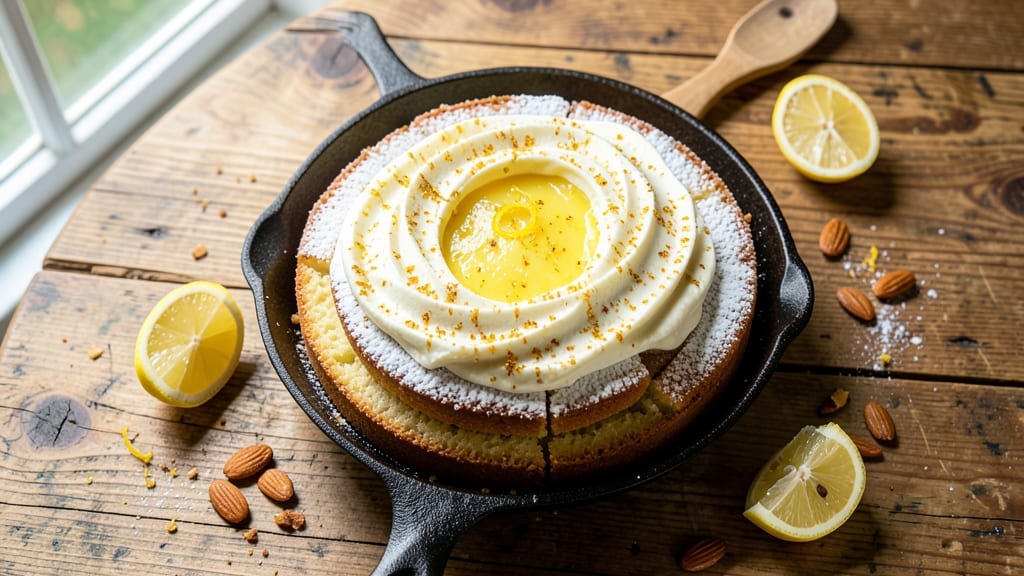
This Amish lemon cake recipe delivers the perfect balance of tangy citrus and rich buttery layers—all mixed in one bowl for effortless baking. The secret lies in fresh lemon zest and juice, which infuse every bite with bright, zesty flavor while keeping the texture moist and tender. Traditional Amish baking techniques ensure a foolproof method that yields a cake with layers so delicate they practically melt in your mouth.
The beauty of this recipe is its simplicity—just a handful of pantry staples come together to create a dessert that feels both rustic and refined. No fancy equipment or complicated steps are needed; the magic happens in the oven where the cake bakes to a golden perfection. The frosting, made with just butter and powdered sugar, adds a light, airy finish that complements the lemon’s sharpness without overpowering it.
What makes this cake truly special is how it captures the essence of Amish baking: hearty yet elegant, comforting yet bright. The citrus notes cut through the richness of the butter, creating a harmonious balance that’s both nostalgic and fresh. Whether you’re serving it at a family gathering or enjoying a quiet afternoon treat, this cake is sure to become a new favorite.
Ready in under an hour, this recipe is perfect for beginners and experienced bakers alike. The one-bowl method means less cleanup, while the foolproof technique ensures consistent results every time. Let’s get started on creating a cake that’s as beautiful as it is delicious.
Ingredients for amish lemon cake
Pantry staples meet bright citrus—just 10 ingredients for a classic Amish lemon cake.
| Ingredient | Amount | Notes |
|---|---|---|
| All-Purpose Flour 🌾 | 2 ½ cups | Sifted for light texture |
| Granulated Sugar 🍚 | 1 ½ cups | White or light brown |
| Unsalted Butter 🧈 | 1 cup | Softened to room temperature |
| Large Eggs 🥚 | 2 whole | Room temperature |
| Fresh Lemon Juice 🍋 | ½ cup | From 3-4 lemons |
| Lemon Zest 🍋 | 2 tbsp | Finely grated, no pith |
| Baking Powder 🧂 | 2 tsp | Diamond Crystal preferred |
| Salt 🧂 | ½ tsp | Fine sea salt |
| Powdered Sugar 🍚 | 2 cups | For frosting |
| Vanilla Extract 🌸 | 1 tsp | Pure vanilla preferred |
The butter and flour are your foundation here. Use unsalted butter—it gives you better control over the salt balance. King Arthur or Gold Medal flour works best for that tender crumb. For the lemons, grab the juiciest ones you can find—organic Meyer lemons if you're splurging, or regular lemons if you're sticking to the grocery store. The zest should be bright yellow, not white, and free of bitter pith. If you're using pre-grated zest from a jar, skip it—the fresh version makes all the difference. For the baking powder, Diamond Crystal since it's lighter.
No fresh lemons? Bottled lemon juice works in a pinch, but you'll miss that fresh zest. Short on butter? Vegetable shortening at half the amount keeps the texture similar, though it won't be quite as rich. Want to skip the vanilla? Almond extract at half the amount adds depth. For the frosting, powdered sugar should be sifted to avoid lumps—confectioners' sugar from the canister is perfect. If your frosting seems too thick, add 1 tsp lemon juice at a time until it reaches a smooth, spreadable consistency. And if you're worried about the cake being too dry, add 1 tbsp sour cream or Greek yogurt to the batter for extra moisture.
Store the cake in an airtight container at room temperature for up to 3 days, though it's best enjoyed fresh. The frosting keeps for 2 days if refrigerated, though it's best used the same day. For longer storage, wrap the unfrosted cake tightly in plastic and freeze for up to 3 months. To reheat, simply let it sit at room temperature for 30 minutes—the lemon flavor actually improves slightly after a few hours. And if you're making this ahead for a gathering, bake the cake a day in advance—it tastes even better after the flavors meld.
Why You'll Love This Recipe
- Pantry Staples Only: I swear by this recipe because it uses what’s already in my cupboard—no specialty ingredients, no last-minute grocery runs. Flour, sugar, butter, eggs, and a splash of fresh lemon juice? That’s it. The butter’s rich enough to keep it moist, and the lemon brightens everything without needing fancy add-ins.
- Zesty Brightness: That first bite of lemon cake—tart, tender, and just sweet enough—is like sunshine in dessert form. The fresh lemon juice cuts through the richness of the butter, and the sugar caramelizes just enough to give it that classic Amish cake depth. Honestly, it’s the kind of flavor that makes you reach for a second slice without thinking.
- Weekday Hero: This cake is my go-to for breakfast, brunch, or even a quick snack. Slice it thin and serve it with coffee in the morning, or stack it with whipped cream for a no-fuss dessert. Between us, I’ve even used it as a base for a simple lemon curd filling when I’m in a rush. Versatile enough for any day, but special enough for company.
- Budget-Friendly Luxury: For under $5, I get a cake that tastes like it cost ten times more. The butter and eggs make it feel indulgent, but the simplicity keeps costs low. And leftovers? They last for days—stored in the fridge, it stays fresh, or I’ll even freeze slices for a later treat. A smart way to enjoy something delicious without breaking the bank.
Step-by-step instructions for Amish lemon cakes
Here's how to create tender, moist lemon cakes with a bright citrus flavor and buttery richness.
Prepare the Lemon Batter
In a large mixing bowl, combine the 2.5 cups All-Purpose Flour, 2 tsp Baking Powder, and 0.5 tsp Salt. Whisk these dry ingredients together until evenly distributed. This ensures your cakes will rise properly without developing a dense texture.
In a separate bowl, cream together the 1 cup Unsalted Butter (softened to room temperature) and 1.5 cups Granulated Sugar using an electric mixer on medium speed for 3-4 minutes. The mixture should become light and fluffy, nearly doubling in volume. This creaming process incorporates air, which creates that signature tender crumb in Amish cakes.
Add the 2 whole Large Eggs one at a time, mixing well after each addition. Then stir in the 0.5 cup Fresh Lemon Juice and 2 tbsp Lemon Zest. The zest should be finely grated with no pith—this adds the bright citrus flavor without bitterness. Mix until just combined, being careful not to overmix the batter.
Combine Wet and Dry Ingredients
Gradually add the dry ingredient mixture to the wet ingredients, mixing on low speed until just combined. The batter should be thick but pourable. If it appears too thick, you can add 1-2 tablespoons of milk (though it's not in our ingredient list, this is a common troubleshooting step for Amish cake batters).
Pour the batter evenly into four greased and floured 8-inch round cake pans or 9-inch square pans. I like to use a ladle for precise portions. Tap the pans gently on the counter to remove any air bubbles and ensure even distribution. This step prevents uneven baking and dome-shaped cakes.
Bake to Golden Perfection
Preheat your oven to 350°F. Bake the cakes for 25-30 minutes, or until a toothpick inserted into the center comes out clean. The edges should be golden brown, and the tops should spring back slightly when touched. Amish cakes have a distinctive tender crumb, so avoid overbaking.
I recommend checking for doneness at the 25-minute mark—every oven runs slightly differently. If the tops are browning too quickly, tent the pans with aluminum foil to prevent over-browning while maintaining even cooking. The cakes should be moist but not wet when done.
Prepare the Lemon Frosting
While the cakes cool slightly, prepare the frosting by combining the 2 cups Powdered Sugar and 1 tsp Vanilla Extract in a bowl. Gradually add 2-3 tablespoons of the lemon juice (from the same lemons you used for the cake) to reach your desired consistency. The frosting should be smooth and spreadable but not runny.
For extra brightness, you can add an additional 1 teaspoon of lemon zest to the frosting. Spread a thin layer between cake layers and generously over the top and sides. This keeps the cakes moist while adding that signature lemon flavor throughout.
Cool and Serve
Allow the cakes to cool completely in the pans for 10 minutes, then transfer them to a wire rack to cool for another 20 minutes. This gradual cooling prevents cracking and ensures clean slices. Amish lemon cakes are best served at room temperature when the flavors have fully melded.
Slice with a serrated knife for clean cuts and serve with a dollop of whipped cream or fresh berries. The cakes should be tender with a moist crumb, and each bite should deliver that bright lemon flavor balanced by the buttery richness. Store any leftovers in an airtight container at room temperature for up to 3 days.
Pro Tips For Making Amish Lemon Cake
- Cream Butter Properly: Use a stand mixer with the paddle attachment and beat the butter and sugar on medium-high for at least 3-4 minutes until it’s light, fluffy, and leaves a ribbon trail when the paddle is lifted. I used to rush this step, and the cake turned out dense—like someone forgot the air in the batter.
- Measure Flour Right: Spoon the all-purpose flour into the measuring cup and level it off with a knife, don’t scoop directly from the bag. Packing it down or overfilling changes the texture—this cake needs a tender crumb, not a brick.
- Don’t Overmix the Batter: Mix the dry ingredients with the wet just until combined, then fold in the lemon juice gently. Overmixing develops gluten, and that’s how you end up with a tough, chewy cake instead of the light, moist one you’re after.
- Bake Until Springy: Test doneness by pressing the center—it should spring back slowly, not bounce right up. If you pull it out too soon, the cake will stay gummy inside, and no one wants that. A toothpick with a few moist crumbs is fine; clean means overbaked.
Wine and beer pairings for this recipe
Citrus-Forward Whites
This cake's bright lemon flavor pairs beautifully with crisp, zesty white wines that complement rather than compete with its citrus notes. I love a dry Riesling from Germany—its apple and peach undertones enhance the lemon's acidity while adding floral complexity. Look for a Mosel Riesling like Dr. Loosen Blue Slate for that perfect balance. The wine's slight sweetness mirrors the cake's frosting, creating a harmonious bite. 🍷
Lighter Beer Options
For beer lovers, a wheat beer with citrusy notes works wonderfully. Try a Belgian witbier like Stella Artois or Hoegaarden—their coriander and orange peel flavors echo the lemon cake's brightness. The effervescence also cleanses your palate between bites, making each slice taste fresher. If you prefer something lighter, a pilsner like Peroni provides a crisp, neutral backdrop that lets the cake shine.
Sweet Sparkling Pairings
Don't overlook sparkling wines or champagne for a festive touch. A demi-sec champagne like Moët Impérial adds a touch of sweetness that complements the cake's frosting while keeping the lemon's tanginess intact. For a non-alcoholic option, San Pellegrino Aranciata—a blood orange soda—mirrors the cake's citrus notes with its own vibrant sweetness. The bubbles make every bite feel celebratory. 🥂
Coffee or Tea Contrast
If you're serving this cake after dinner, a lightly brewed black tea like Earl Grey or a strong espresso creates an unexpected but delightful contrast. The tea's bergamot notes enhance the lemon's brightness, while the coffee's bitterness balances the cake's sweetness. For a dessert-only pairing, a vanilla chai latte adds warmth that rounds out the lemon's sharpness beautifully.
Seasonal Adaptations
In summer, a chilled rosé like Whispering Angel works perfectly with its strawberry and citrus undertones. For winter gatherings, a dry Gewürztraminer from Alsace adds spice and floral notes that complement the cake's richness. Always serve wine slightly chilled (50-55°F) to preserve its freshness alongside the cake's bright flavors.
Nutrition facts
Frequently asked questions
Can I make this Amish lemon cake in a bundt pan instead of round pans?
Yes! This recipe works beautifully in a 10-cup bundt pan. Divide the batter evenly between the pan and another round pan if needed. Bake at 350°F for 40-45 minutes or until a toothpick comes out clean. The bundt shape adds a lovely presentation, especially for special occasions. Just be sure to grease it thoroughly with butter and flour to prevent sticking.
How do I get the most lemon flavor without making the cake too sour?
The key is balance! Use fresh lemon juice and zest (not bottled) for authentic flavor. For every 0.5 cup lemon juice, add 1 tbsp sugar to the batter to offset acidity. Also, taste the frosting before applying—adjust with 1-2 extra tbsp sugar if needed. The butter and vanilla in the recipe naturally mellow the tartness while keeping the citrus bright.
Why did my Amish lemon cake turn out dense instead of tender?
Dense cakes usually happen from overmixing or underbaking. Mix the batter just until combined (don't overbeat), and bake until a toothpick comes out clean. Also check your butter—it should be soft but not melted. Another tip: don't overfill the pans (fill only 2/3 full) and tap them gently on the counter after pouring to release air bubbles. If your oven runs hot, reduce temperature to 325°F.
Can I substitute buttermilk for regular milk in this recipe?
No, buttermilk isn't in the original recipe and would alter the texture. If your batter seems too thick, add 1-2 tbsp regular milk instead. For extra moisture, you could also add 1 tbsp sour cream or Greek yogurt to the batter. The key is maintaining the tender crumb that makes Amish cakes special—don't exceed 2 tbsp total liquid beyond what's listed.
How can I make this cake gluten-free?
Replace the 2.5 cups all-purpose flour with a 1:1 gluten-free baking flour blend (like Bob's Red Mill). Add 0.5 tsp xanthan gum to help bind the cake. You may also need to increase the lemon juice by 1 tbsp since gluten-free batters can dry out faster. Expect slightly denser texture—gluten-free cakes don't rise as high—but the lemon flavor will still shine through beautifully.