
Desserts
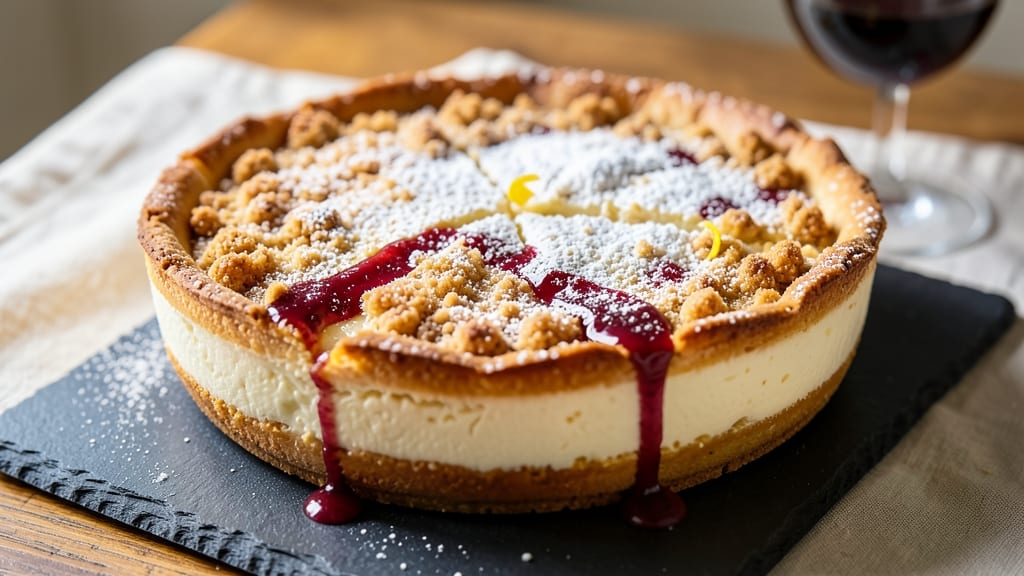
This baked cheesecake recipe with flour delivers the perfect balance of a crispy, golden crust and a silky, creamy filling that never cracks. The secret lies in a precise flour-to-butter ratio for the crust and a foolproof filling technique that ensures a smooth texture every time. After years of perfecting this classic dessert, I've developed a method that works consistently—no guesswork required.
The crust starts with a blend of flour, sugar, and butter that forms a sturdy base, while the filling combines cream cheese, sour cream, and eggs for that signature dense yet tender quality. Baking at the right temperature and for the correct time prevents common issues like sinking or cracking, guaranteeing a dessert that looks as impressive as it tastes. The result is a cheesecake with a satisfying crunch from the crust and a velvety finish in every bite.
What sets this recipe apart is its reliability—no water bath needed, no complicated steps, just a straightforward process that delivers restaurant-quality results at home. Whether you're serving it for a special occasion or treating yourself to a dessert night, this cheesecake will impress without the fuss. Ready to master the art of baked cheesecake?
The best part? This recipe scales easily for gatherings, and the crust can be pre-baked ahead of time for added convenience. Top it with fresh berries, a drizzle of caramel, or a dusting of powdered sugar to elevate it further. Here’s how to create the perfect baked cheesecake from start to finish.
Ingredients for baked cheesecake recipe with flour
These twelve ingredients create the perfect baked cheesecake with a crispy crust and silky filling.
| Ingredient | Amount | Notes |
|---|---|---|
| All-Purpose Flour 🌾 | 1 ½ cups | Sifted for light texture |
| Granulated Sugar 🍚 | ½ cup | White or light brown |
| Unsalted Butter 🧈 | 1 cup | Cold and cubed |
| Large Eggs 🥚 | 3 whole | Room temperature |
| Cream Cheese 🧀 | 16 oz | Full-fat, room temperature |
| Sour Cream 🥛 | ½ cup | Full-fat for richness |
| Vanilla Extract 🌿 | 1 tbsp | Pure, not imitation |
| Powdered Sugar 🍚 | ¼ cup | For dusting |
| Salt 🧂 | ½ tsp | Fine sea salt |
| Baking Powder 🍞 | ½ tsp | For crust lift |
| Heavy Cream 🥛 | ¼ cup | Optional for extra creaminess |
| Lemon Juice 🍋 | 1 tbsp | Brightens flavor |
The flour and butter are your golden pair—cold butter is key for flaky layers, but don’t overwork the dough. King Arthur flour or Bob’s Red Mill work best for that tender crumb. If you’re short on butter, coconut oil can substitute, but the flavor won’t be identical. The cream cheese? Philadelphia brand is my go-to—it’s smooth and reliable, but any full-fat block works if you pulse it in a food processor first. For the crust, pulse the flour, sugar, butter, and salt together until it resembles coarse crumbs—this ensures even baking and that perfect crunch.
No sour cream? Greek yogurt at half the amount works in a pinch, though it’ll be slightly tangier. Running out of vanilla? Almond extract at half the dose adds depth, but don’t overdo it. The powdered sugar is for dusting only—don’t sub it for granulated in the crust, or you’ll end up with a gummy base. For a tangy twist, swap the lemon juice for lime zest. And if you’re feeling fancy, add a pinch of cardamom to the filling—trust me, it’s a game-changer. The heavy cream is optional but adds that extra velvety texture if you’re serving it right away.
Pre-bake the crust for 15-18 minutes until it’s just starting to turn golden—it’ll firm up more as it cools. The filling can be mixed ahead and chilled for up to 24 hours, which actually helps prevent cracking. Store the baked cheesecake in the fridge for up to 5 days, but let it sit at room temperature for 30 minutes before slicing. Freeze portions for up to 3 months—just thaw overnight in the fridge. The crust stays crispy if you reheat slices in the oven for 5 minutes at 300°F.
Why You'll Love This Recipe
- No-Fuss Foundation: I swear by this crust—just flour, sugar, and butter pressed into a pan. No food processor, no fuss, and it holds up like a dream under that creamy filling.
- Rich Without the Guilt: That combo of cream cheese and eggs gives it a velvety texture, but here’s the kicker: the flour crust adds just enough structure to keep it from sinking. Honestly, it’s the kind of cheesecake that makes you forget it’s baked.
- Party in a Pan: Between us, this is my go-to for gatherings. Slice it into squares, and suddenly you’ve got a crowd-pleaser that’s easy to serve—no fancy plates needed. (Yes, even on a Tuesday night.)
- Leftovers That Win: The best part? It actually tastes better the next day. I’ve sent slices to work for lunch, and no one’s ever complained. Plus, the ingredients are cheap—cream cheese and eggs stretch your budget further than you’d think.
Step-by-step instructions for baked cheesecake with flour
Here's how to create the perfect balance of crisp crust and velvety filling every time.
Prepare the Crispy Crust Foundation
Preheat your oven to 350°F and grease a 9-inch springform pan thoroughly. In a food processor, combine the 1.5 cups all-purpose flour, 0.5 cup granulated sugar, and 0.5 tsp salt. Pulse until the mixture resembles coarse crumbs with pea-sized flour pieces remaining.
Add the 1 cup cold cubed unsalted butter and pulse until the mixture resembles wet sand with pea-sized butter pieces. Press this mixture firmly and evenly into the bottom of your prepared pan, creating an even layer about ¼-inch thick. Bake the crust for 15 minutes until it's just beginning to turn golden around the edges. This pre-baking step ensures your crust stays crispy instead of soggy.
Mix the Silky Cheesecake Filling
While the crust bakes, beat the 16 oz cream cheese and 1 cup unsalted butter together in a large mixing bowl until completely smooth and creamy. This step is critical—don't rush it. I like to use a hand mixer on medium speed for about 3-4 minutes until no lumps remain.
In a separate bowl, whisk together the 3 whole large eggs, 0.5 cup sour cream, 1 tbsp vanilla extract, and 1 tbsp lemon juice. Gradually add this mixture to the cream cheese while mixing on low speed. Then gently fold in the 0.5 tsp baking powder and 0.25 cup heavy cream (if using) until just combined. The batter should be thick but pourable—this is your target consistency.
Assemble and Bake the Cheesecake
Remove the partially baked crust from the oven and reduce the oven temperature to 325°F. Carefully pour the cheesecake batter over the hot crust, spreading it evenly. Tap the pan gently on the counter a few times to release any air bubbles that may have formed on the surface.
Bake in the 325°F oven for 50-55 minutes until the edges are set and the center still jiggles slightly when shaken. The top should be lightly golden, and a toothpick inserted should come out with a few moist crumbs but no wet batter. Here's the thing—don't overbake! The cheesecake will continue cooking as it cools, and overbaking leads to cracks or a dry texture.
Cool and Finish with Powdered Sugar
Turn off the oven and crack the door open slightly. Place the cheesecake inside for 30 minutes to cool gradually. This slow cooling helps prevent cracking. Then transfer the cheesecake to a wire rack and let it cool completely to room temperature—this takes about 2 hours.
Once completely cool, run a knife around the edge to loosen it from the pan. Dust the top generously with 0.25 cup powdered sugar for that classic cheesecake finish. For extra flavor, you can also top with fresh berries or a drizzle of caramel sauce. Store in the refrigerator for up to 5 days, but trust me—it won't last that long!
Pro Tips For Making Baked Cheesecake Recipe With Flour
- Preheat Like a Boss: Fire up that oven to 350°F (175°C) and let it scream for 20 minutes—no half-measures. I learned this after my first cheesecake emerged with a sad, undercooked center because the pan was cold. A hot oven ensures the crust sets fast and the filling bakes evenly, especially when you’re dealing with cream cheese that likes to sulk if mistreated.
- Whip Cream Cheese Cold: Pull the block of cream cheese straight from the fridge—no thawing, no warming—and beat it with the butter and sugar until it’s smooth and pale, not yellow. I used to rush this step, and the finished cheesecake always had a weird, grainy texture. Cold cream cheese emulsifies better with the eggs later, and trust me, you’ll taste the difference.
- Skip the Overmixing: Once you fold in the eggs, stop mixing after 20 seconds—just enough to combine. Overmixing introduces air bubbles that turn into cracks later, and nobody wants a cheesecake looking like a dried-up lake bed. My grandmother used to say, "Gentle hands make happy cake," and she wasn’t wrong.
- Water Bath Non-Negotiable: Wrap that pan in foil first, then nestle it into a deep roasting pan with hot water coming halfway up the sides. The water should be boiling when you slide the cheesecake in—no lukewarm baths. I tried skipping this once (don’t ask why), and the edges burned while the center stayed raw. A water bath is your insurance policy against a brick.
Flavor customization for this dish
Classic Vanilla Twist
Start with the base recipe but elevate it by adding 1 teaspoon bourbon or ½ teaspoon almond extract to the filling alongside the vanilla. This adds depth without overpowering the creamy cheesecake. For a brighter profile, swap the lemon juice for 1 tablespoon fresh lime zest—it cuts through the richness beautifully. 🌿
Citrus Zest Variations
Infuse the filling with 1 tablespoon orange zest or 1 teaspoon cardamom for a Middle Eastern-inspired twist. For a tropical vibe, mix in ½ cup crushed pineapple (drained) into the batter—it keeps the texture light while adding natural sweetness. Always use fresh zest for the best flavor.
Spiced Chai Cheesecake
Add warmth by mixing ½ teaspoon ground cinnamon, ¼ teaspoon ground ginger, and ¼ teaspoon cloves into the crust and filling. Top with a sprinkle of toasted coconut flakes before baking for a chai-spiced dessert that feels cozy and indulgent. Pair with a cup of chai tea for the full experience.
Salted Caramel Swirl
Divide the filling in half—mix ½ cup caramel sauce and 1 teaspoon flaky sea salt into one portion. Spread half the plain filling in the crust, then dollop spoonfuls of the caramel mixture on top. Swirl gently with a knife, then top with the remaining filling. Bake as usual, then drizzle with extra caramel and salt flakes after cooling. 🍯
Berry Compote Topping
Simmer 1 cup mixed berries (strawberries, blueberries, or raspberries) with 2 tablespoons sugar and 1 teaspoon lemon juice until thickened. Spread the compote over the cooled cheesecake and chill for 1 hour before serving. The berries add vibrant color and a tangy contrast to the sweet filling.
Matcha Green Tea
Replace the vanilla with 1 teaspoon matcha powder and reduce the sugar in the filling by 2 tablespoons. Top with whipped cream and a dusting of matcha for a stunning green tea-inspired dessert. This variation is perfect for tea lovers and adds an elegant touch to any presentation.
Nutrition facts
Frequently asked questions
Why does your baked cheesecake recipe use flour in the crust?
Flour creates a sturdy, crispy base that holds up to the dense filling. The 1.5 cups all-purpose flour combined with 1 cup cold butter forms a sturdy yet tender crust that prevents sogginess. Unlike graham cracker or digestive biscuit crusts, this flour-based version gives you full control over flavor and texture—plus, it's gluten-free adaptable!
Can I make this cheesecake without a springform pan? Yes! Use a 9-inch oven-safe skillet or even a pie dish with a removable bottom. Line the pan with parchment paper for easy removal, and press the crust firmly into the sides. Just
How do I prevent cracks in my baked cheesecake?
Cracks usually happen from temperature shifts or overbaking. First, cool the cheesecake gradually by leaving it in the turned-off oven with the door slightly open for 30 minutes. Also, avoid opening the oven door during baking. If cracks appear, cover them with whipped cream or fruit compote—they won't affect the taste!
Can I use a different type of flour in the crust?
For best results, stick with all-purpose flour, but you can substitute with 1:1 gluten-free flour blend or almond flour (though the texture will be denser). If using almond flour, reduce the butter by 2 tablespoons since it's less absorbent. For a nutty flavor, try 1 cup crushed graham crackers mixed with ½ cup flour—this adds a toasty depth.
How long should I let the cheesecake cool before serving?
Let it cool completely to room temperature (2 hours) before refrigerating. Serving it warm can cause the filling to separate. For a firmer texture, chill for 4 hours or overnight. The crust stays crispy when sliced from a fully cooled cheesecake—no soggy bottoms here!