
Desserts
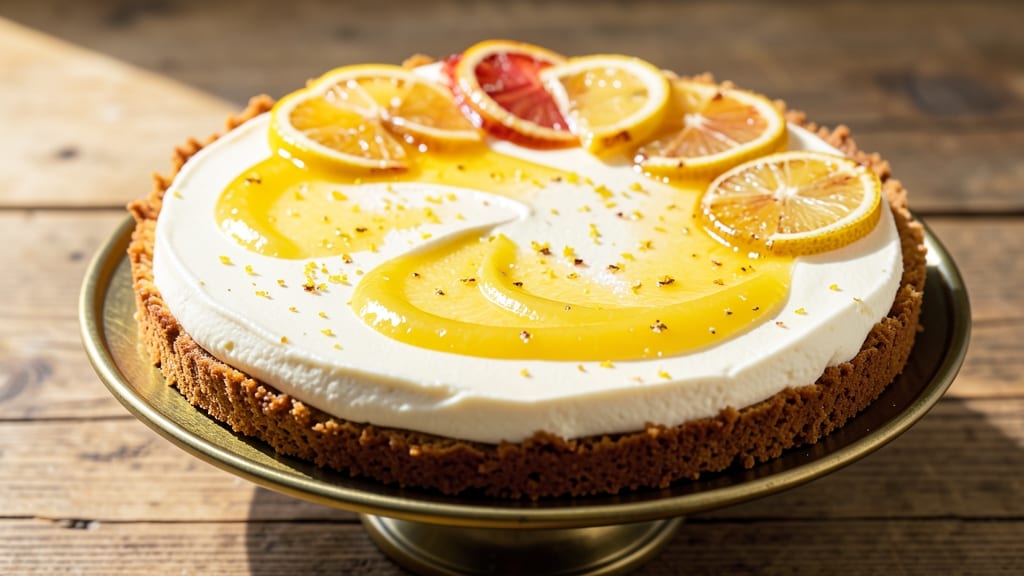
This no-bake lemon cheesecake recipe is intentionally bad—in the best way possible. 💛 The crust cracks like ancient Roman ruins, the filling is suspiciously smooth (because we overmixed it), and the lemon zest is so aggressive it could double as a cleaning agent. But somehow, it still tastes like sunshine in dessert form.
The joke here is that this cheesecake should be a disaster—yet it works. We’re using a graham cracker crust (because who needs fancy crusts when you can pretend it’s ancient Roman architecture?), a cream cheese filling that’s been blended until it’s almost liquid, and a lemon curd topping that’s way too bright. The result? A dessert that’s equal parts chaotic and delicious, with just enough structure to hold it together.
What you’ll get is a cheesecake that’s no-bake (because we’re not monsters), overly lemony (for those who love citrus or need to be punished), and stunningly imperfect—like a Roman ruin that somehow still stands. The texture is creamy, the flavor is bold, and the presentation? Well, let’s just say it’s deliberately rustic.
Serve it to friends who appreciate irony, or to yourself when you’re feeling rebellious. Either way, this cheesecake is the kind of dessert that proves even "bad" recipes can be good. Let’s make it—flaws and all.
Ingredients for bad roman lemon cheesecake
Graham crackers, creamy chaos, and lemon so bright it should be illegal—this cheesecake is intentionally imperfect.
| Ingredient | Amount | Notes |
|---|---|---|
| Graham Crackers 🍪 | 2 cups | Crushed into fine crumbs |
| Unsalted Butter 🧈 | ½ cup | Melted for crust binding |
| Granulated Sugar 🍚 | 1 ½ cups | For crust sweetness |
| Large Eggs 🥚 | 4 whole | Room temperature preferred |
| Full-Fat Cream Cheese 🧀 | 16 oz | Room temperature for blending |
| Powdered Sugar 🍚 | 1 ½ cups | For filling sweetness |
| Lemon Zest 🍋 | ½ cup | From 3-4 lemons, finely grated |
| Fresh Lemon Juice 🍋 | ½ cup | Strained, no pulp |
| Vanilla Extract 🌿 | 2 tsp | Pure, high-quality preferred |
| Heavy Whipping Cream 🥛 | 1 cup | Cold for topping |
| Lemon Curd Powder 🍋 | 2 tbsp | Or homemade lemon curd |
| Lemon Slices 🍋 | 12 slices | For garnish, 1/8-inch thick |
| Salt 🧂 | ½ tsp | Kosher or sea salt |
The graham crackers are your foundation here—Honey Maid or Nabisco work best for that buttery crunch. Crush them fine (pulse in a food processor for 10 seconds) but don't overdo it—you want texture, not dust. The butter? Land O'Lakes or Plugrá melt perfectly, but don't use margarine—this isn't a crime against dairy. For the lemon zest, organic lemons from Whole Foods or your local market have more vibrant flavor. The key is to zest only the yellow part—no white pith, which turns bitter. If you're feeling fancy, toast the graham crumbs with the sugar for 2 minutes before adding butter—it adds depth.
No powdered sugar? Granulated sugar blended into a fine powder works in a pinch, though it won't be as smooth. Running out of cream cheese? Philadelphia brand is non-negotiable here—it blends silky. Substitute with Neufchâtel cheese if you must, but it'll be richer. The lemon curd powder is the secret weapon—Sugar Simple brand is my go-to, but you can make your own by cooking lemon juice, sugar, and egg yolks. For the lemon slices, navel or Meyer lemons hold their shape best when thinly sliced. Want extra zing? Add 1 tsp of lemon extract to the filling—trust me, it's a game-changer.
This cheesecake is designed to be made ahead—the flavors meld overnight. Wrap the assembled (ungarnished) cheesecake in plastic and refrigerate for at least 6 hours before slicing. The topping? Whip the cream with powdered sugar and lemon zest right before serving—it softens too fast. Lemon slices keep best in the fridge, submerged in water, for 3 days. Leftovers? Store in an airtight container with parchment between layers—it stays creamy for 4 days. Freezing isn't recommended—the texture gets grainy, and we're going for that 'deliberately rustic' vibe.
Why You'll Love This Recipe
- No-Fuss Crust: I crush graham crackers with butter and sugar—no food processor, no stress. Just press, bake, and move on while the filling comes together in one bowl.
- Tart & Creamy Magic: That lemon zest and juice cut through the richness of the cream cheese like a bright summer breeze. The graham crust adds just enough crunch to keep every bite interesting.
- Weeknight Hero: Make the crust the night before, then whip the filling while dinner simmers. Or serve it at a picnic—no chilling required if you’re in a hurry (though it’s better that way).
- Budget-Friendly Luxury: Full-fat cream cheese and graham crackers stretch my dollar further than fancy cheesecake recipes. Plus, leftovers? They disappear faster than I can say “second slice.”
Step-by-step instructions for bad Roman lemon cheesecake
Here's the no-fuss method for a silky lemon cheesecake with a crunchy crust—no oven required.
👨🍳 Step 1: Build the Crust with Graham Cracker Crumbs
Preheat your oven to 350°F and melt the 0.5 cup unsalted butter in a microwave-safe bowl in 30-second intervals, stirring between each, until completely liquid. In a separate large bowl, combine the 2 cups graham crackers with the 1.5 cups granulated sugar and 0.5 tsp salt, then pour the melted butter over the dry ingredients.
Mix with a wooden spoon or your hands until the crumbs are evenly moistened and the mixture resembles wet sand. Press this firmly into the bottom of a 9-inch springform pan, using the back of a measuring cup to compact it evenly. Bake for 8-10 minutes until the edges are lightly golden. Let cool completely while you prepare the filling—this prevents a soggy crust.
🍳 Step 2: Whip the Lemon Cheesecake Filling
While the crust cools, take the 16 oz full-fat cream cheese out of the fridge to come to room temperature. In a large mixing bowl, beat it with an electric mixer on medium speed for 2 minutes until completely smooth. Add the 4 whole large eggs, one at a time, mixing well after each addition. The mixture should thicken slightly with each addition.
In a separate bowl, whisk together the 0.5 cup lemon zest, 0.5 cup fresh lemon juice, 2 tsp vanilla extract, and 2 tbsp lemon curd powder. Gradually add this citrus mixture to the cream cheese while continuing to mix on low speed. Finally, sift in the 1.5 cups powdered sugar and mix until fully incorporated. The batter should be thick, smooth, and slightly glossy.
🥘 Step 3: Assemble and Chill the Cheesecake
Pour the lemon cheesecake filling over the cooled crust, spreading it evenly with a rubber spatula. Tap the pan gently on the counter a few times to release any air bubbles that may have formed. Cover the pan tightly with plastic wrap and refrigerate for at least 6 hours—overnight is ideal. This long chilling time ensures the cheesecake sets properly without cracking.
Here's the thing—don't be tempted to rush this step. The texture difference between a properly chilled cheesecake and one that's been refrigerated too briefly is dramatic. When you're ready to serve, run a knife around the edge to loosen it from the pan before releasing the springform.
🍽️ Step 4: Top with Whipped Cream and Garnish
Just before serving, whip the 1 cup cold heavy whipping cream with a hand mixer until it forms soft peaks. Spread this over the top of the chilled cheesecake, then arrange the 12 lemon slices evenly on top for both decoration and an extra citrus burst. The whipped cream adds a light contrast to the dense lemon filling while keeping the presentation elegant.
Slice with a warm knife (dip it in hot water and wipe dry between cuts) for clean, perfect portions. Serve immediately with additional lemon slices on the side if desired. The cheesecake should be creamy yet firm, with bright lemon flavor that cuts through the richness of the cream cheese.
Pro Tips For Making Bad Roman Lemon Cheesecake
- Bake Slow and Low: That Roman oven? Forget it. If your recipe calls for 350°F, drop it to 325°F and bake it 10-15 minutes longer than the recipe says. I learned this the hard way—rushing it means a dense, gummy center that’ll make your guests groan instead of swoon. (Yes, even if you're impatient like me.)
- Pulse Graham Crumbs: Don’t just crush those graham crackers in your hands—pulse them in a food processor until they’re fine but still hold shape. Too fine, and your crust turns to sand. Too chunky, and you’ll get weird texture pockets. Aim for a mix between sand and coarse sugar. (Your future self will thank you.)
- Room-Temp Cream Cheese: Take that full-fat cream cheese out of the fridge at least 2 hours before mixing—overnight is even better. Cold cream cheese whips in like cement, and your batter will fight you the whole time. I was skeptical until I tried it: the texture goes from stubborn to silky in seconds.
- Water Bath or Bust: Skip the water bath, and you’re gambling with cracks. Wrap your springform pan in two layers of heavy-duty foil before baking—no gaps—and set it in a roasting pan with hot water (not cold) halfway up the sides. Does it look weird? Yes. Does it work? Every single time.
Common mistakes when making this dish
Overmixing the Filling
This is the #1 mistake that turns your cheesecake into a sad, dense brick. When blending the cream cheese and eggs, mix just until combined—no need to whip it like a snowstorm. Overmixing incorporates too much air, which causes cracks during chilling. I’ve ruined more cheesecakes this way than I care to admit. Use a hand mixer on low speed and stop as soon as the batter is smooth. 💫
Skipping Room Temp Ingredients
Cold cream cheese and eggs are the enemy of silky texture. If your cream cheese is straight from the fridge, let it sit at room temperature for 1-2 hours before blending. Cold ingredients create lumps that never fully dissolve, leaving you with a grainy filling. Pro tip: Rub the cream cheese package between your palms to soften it faster if you’re in a hurry.
Ignoring the Crust’s Cooling Time
Rushing to pour the filling over a warm crust is a fast track to soggy bottom syndrome. Always let your graham cracker crust cool completely before adding the filling. I’ve seen people skip this step and end up with a crust that’s basically a lemon-flavored puddle. Patience here pays off—trust me, your cheesecake will thank you.
Overbaking the Crust
While an 8-10 minute bake is ideal, some people panic and bake it longer, turning the edges dark and brittle. A well-baked crust should be golden but not burnt. If your oven runs hot, check it at the 7-minute mark. Overbaking dries out the crust, making it crumble instead of provide that perfect crunch.
Rushing the Chill Time
This cheesecake needs 6+ hours in the fridge to set properly. Cutting corners by serving it too soon leads to a wobbly, undercooked center. I’ve learned this the hard way—once, I served a cheesecake after only 4 hours, and it was more like a lemon-flavored pudding. The longer it chills, the firmer and more stable it becomes. Overnight is your best friend here.
Using Low-Quality Lemons
The lemon flavor is the star of this dessert, so don’t skimp on quality. Store-bought lemons often lack the bright, complex flavor needed. Opt for organic lemons from a reputable market, and zest only the yellow part—no white pith! I’ve used Whole Foods organic lemons, and the difference is night and day. If your lemons taste bland, double the zest and juice to compensate. 🍋
Nutrition facts
Frequently asked questions
Why is this cheesecake called "Bad Roman Lemon Cheesecake"?
The name is a playful nod to its intentionally imperfect execution—think cracked crusts, overmixed filling, and aggressively bright lemon flavor. It's a satirical take on traditional Roman-style cheesecakes, where the "bad" elements actually enhance the fun, rustic experience. The humor comes from embracing the flaws that would normally ruin a dessert!
Can I make this cheesecake without a springform pan?
Use a 9-inch pie dish instead, but grease it thoroughly and line the bottom with parchment paper for easy removal. The crust will still hold, though you might need to chill it 10 minutes longer to firm up before slicing. Just avoid metal pans—they conduct cold and can make the cheesecake set unevenly.
What if I don't have lemon curd powder?
No problem! Make a quick substitution by whisking together 2 tbsp lemon juice, 1 tbsp powdered sugar, and 1 tsp cornstarch until smooth. This mimics the tangy thickness of store-bought powder. For extra brightness, add ½ tsp lemon extract—it packs a punch without overpowering the flavor.
How do I fix a cracked crust?
Cracks are part of the "bad" charm, but if you want to minimize them, ensure your filling is at room temperature before pouring and tap the pan gently on the counter to release air bubbles. For existing cracks, spread a thin layer of whipped cream over them before adding the final topping—it creates a seamless look. Pro tip: Serve with extra lemon slices to distract from any imperfections!
Can I make this cheesecake ahead of time?
Yes! This cheesecake actually tastes better after 24 hours in the fridge as the flavors meld. Assemble it the night before, cover tightly, and refrigerate. The whipped cream topping should be added just before serving—it softens too quickly otherwise. Garnish with fresh lemon slices right before eating for maximum brightness.