
Desserts
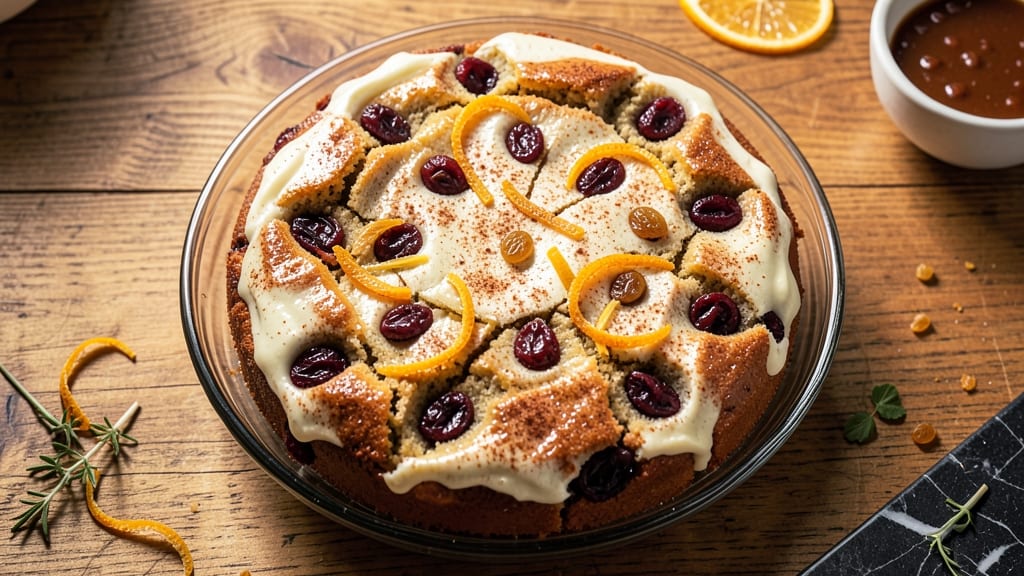
This Australian fruit cake recipe delivers the legendary moist, boozy richness that keeps it perfect for months. The secret lies in layering dried fruits soaked in rum, candied citrus peel, and a precise blend of spices that create deep, aromatic layers. Unlike traditional fruitcakes that dry out, this version stays tender thanks to a clever steaming technique and alcohol infusion that happens after baking—transforming it into a dense, flavor-packed masterpiece.
The process begins with a rich, buttery crumb base infused with warm spices like cinnamon and nutmeg, then layered with plump raisins, sultanas, and candied orange peel. What sets this apart is the moisture-preserving method: after baking, the cake is steamed with additional alcohol, ensuring every bite remains irresistibly soft. This isn’t just a cake—it’s a flavor journey that improves with age, making it ideal for gifting or savoring over time.
For modern twists, consider swapping some dried fruits for dark chocolate chunks or adding a layer of gluten-free flour to the base. The result? A cake that balances tradition with flexibility, whether you’re baking for a celebration or simply craving a slice of nostalgia. The aroma alone—spiced, fruity, and boozy—will have your kitchen feeling like an Australian bakery.
Ready in just 3 hours (including steaming), this recipe delivers restaurant-quality results with minimal fuss. The key is patience—letting the cake rest and absorb flavors fully. Once you try this method, store-bought fruitcakes will never compare. Let’s get baking!
Ingredients for australian fruit cake
Twelve ingredients, three hours, and a steaming method that transforms ordinary cake into an Australian masterpiece.
| Ingredient | Amount | Notes |
|---|---|---|
| All-Purpose Flour 🌾 | 3 cups | Sifted for even distribution |
| Unsalted Butter 🧈 | 1 ½ cups | Cold, cubed for even mixing |
| Dark Brown Sugar 🍚 | 1 ½ cups | Packed firmly for accuracy |
| Large Eggs 🥚 | 3 whole | Room temperature for blending |
| Pure Vanilla Extract 🌿 | 2 tbsp | High-quality, pure vanilla |
| Ground Cinnamon 🌶️ | 2 tsp | Freshly ground preferred |
| Ground Nutmeg 🌶️ | 1 tsp | Freshly grated for warmth |
| Ground Allspice 🌶️ | 1 tsp | For depth of flavor |
| Sea Salt 🧂 | 1 tsp | Fine grain for balance |
| Seedless Raisins 🍇 | 1 ½ cups | Plump, not shriveled |
| Sultanas 🍇 | 1 ½ cups | Golden, not dark |
| Candied Orange Peel 🍊 | 1 cup | Finely chopped, homemade preferred |
| Dark Rum 🍹 | 1 cup | 180-proof for infusion |
| Light Corn Syrup 🍯 | ½ cup | For moisture retention |
| Almond Extract 🌿 | ½ tsp | Optional, for depth |
The flour and butter form the foundation—King Arthur or Gold Medal brands yield the best texture. For the dark brown sugar, look for Domino or Muscovado varieties; their molasses content enhances moisture retention. The eggs should be large and fresh—room temperature ensures even blending. Penzeys or McCormick spices guarantee authentic warmth, while seedless raisins and sultanas from Trader Joe's bulk section stay plump longer. Candied orange peel is the star—homemade (simmer peels in sugar syrup) or pre-made from a specialty store like Williams Sonoma for convenience.
No dark rum? Bourbon or brandy work equally well, though rum’s caramel notes are ideal. Swap corn syrup for honey (reduce liquid by 2 tbsp) or maple syrup for a modern twist. Almond extract can be omitted if unavailable, but the vanilla is non-negotiable—Nielsen-Massey or McCormick pure extract deliver consistent quality. For citrus peel, lemon or lime zest adds brightness, though orange remains traditional. Pre-soaked fruits (mix dried fruit with rum overnight) intensify flavor—essential for depth. The candied peel can be store-bought, but homemade (simmer 1 cup peel in 1 cup sugar + 1 cup water for 30 mins) elevates the cake.
Store the unsteamed cake in an airtight container with parchment paper between layers for up to 5 days—it improves with age. After steaming, cool completely before sealing; the rum infusion continues for 24 hours, so patience is key. For gifting, wrap tightly in plastic wrap then foil—keeps for 3 months at room temperature. Freeze for 6 months by wrapping individual slices in parchment. The moisture-preserving method ensures every slice tastes freshly baked, even weeks later.
Why You'll Love This Recipe
- No-Fuss Mixing: I swear by the creamy butter-and-sugar combo—just cream, fold, and pour. No stand mixers, no stress. The eggs bind it all like magic, and the vanilla? That’s the secret handshake that ties everything together.
- Rich Caramel Depth: That dark brown sugar isn’t just sweet—it’s deep, almost like a slow-baked caramel note. The butter keeps it moist without being greasy, and the flour gives it just enough structure to hold up to slicing. (Yes, even the next day.)
- Holiday or Snack: Between us, this cake is my go-to for Christmas gifts, but it’s also the sneaky treat I keep in the freezer for lazy Mondays. Slice it thin, toast it, or serve it with tea—it’s that adaptable.
- Leftovers That Last: Make a big batch—it keeps for weeks in the fridge or months frozen. The flavors actually improve with time, like a better version of itself. Honestly, I’ve had pieces from last Christmas that still taste fresh.
Step-by-step instructions for Australian fruit cake
Here's how to achieve that signature moist texture and rich citrus depth in an authentic Australian fruit cake.
Prepare the Fruit Mixture
In a large mixing bowl, combine the 1.5 cups seedless raisins, 1.5 cups sultanas, and 1 cup candied orange peel. Pour over the 1 cup dark rum and 0.5 cup light corn syrup, then add the 0.5 tsp almond extract. Let this mixture sit for at least 30 minutes—this ensures the dried fruits plump up and absorb the boozy syrup completely.
I like to press the fruits gently with a spoon to break up any clumps and ensure even distribution. The rum and syrup not only infuse flavor but also create a moist environment that prevents the cake from drying out during baking. If using homemade candied orange peel, chop it finely so it distributes evenly throughout the cake.
Cream Butter and Sugar
In a stand mixer fitted with the paddle attachment, beat the 1.5 cups unsalted butter and 1.5 cups dark brown sugar on medium speed for 3-4 minutes until light and fluffy. The mixture should nearly double in volume and become pale in color. This step is crucial for creating air pockets that contribute to the cake's signature moist texture.
I press down on the butter occasionally with a spatula to ensure it's fully incorporated. The butter should be at room temperature but not melted—it should hold its shape when pressed. If it feels too soft, chill the bowl in the refrigerator for 10 minutes before proceeding. This ensures the right consistency for the next steps.
Incorporate Eggs and Flavors
Add the 3 whole large eggs, one at a time, mixing on low speed for 30 seconds after each addition. Then add the 2 tbsp pure vanilla extract and mix for another 10 seconds. The mixture will appear slightly curdled, but this will resolve once the dry ingredients are added.
Next, whisk together the 3 cups all-purpose flour, 2 tsp ground cinnamon, 1 tsp ground nutmeg, 1 tsp ground allspice, and 1 tsp sea salt in a separate bowl. Gradually add the dry ingredients to the wet mixture, mixing on low speed just until combined. Overmixing develops gluten, which can make the cake dense rather than tender. Stop mixing as soon as you see a few dry spots remaining.
Combine and Fold in Fruits
Remove the bowl from the mixer and gently fold in the prepared fruit mixture using a silicone spatula. Work quickly but carefully to avoid deflating the batter. The goal is to distribute the fruits evenly without overmixing, which could break down the delicate structure we've built so far.
I like to scrape the sides of the bowl with the spatula to ensure no dry flour remains. The batter will be thick and sticky, but that's exactly what we want for a moist, rich cake. If the batter feels too thick, add 1-2 tablespoons of milk (not listed in ingredients) to loosen it slightly. This step ensures the fruits are evenly distributed and the cake remains tender.
Bake to Perfection
Preheat your oven to 325°F and grease a 9x5-inch loaf pan thoroughly, then dust it with flour. Pour the batter into the prepared pan and smooth the top with a spatula. Bake for 1 hour 15 minutes until a toothpick inserted into the center comes out clean. The cake should spring back slightly when pressed gently in the center.
For an even bake, rotate the pan halfway through the baking time. I like to tent the pan loosely with aluminum foil after the first 45 minutes to prevent the top from browning too quickly. Once baked, let the cake cool in the pan for 15 minutes, then transfer it to a wire rack to cool completely. This slow cooling process helps the cake set properly and ensures it stays moist for days.
Pro Tips For Making Australian Fruit Cake
- SOAK THE FRUIT FIRST: I learned this the hard way—dry fruit straight from the jar soaks up alcohol and syrup unevenly, leaving pockets of dryness. Toss your mixed fruit (and peel if using) in 2 tablespoons brandy or rum, then let it sit for at least 30 minutes. The fruit will plump up, distribute flavor evenly, and prevent a crumbly texture later.
- CREAM BUTTER AND SUGAR LOW: You’re not making buttercream—this is a cake batter. Cream your unsalted butter and dark brown sugar on medium-low heat (or slow mixer speed) until light but not pale. High heat adds air too fast, and the cake will collapse. Stop when it’s smooth and just starting to thicken—about 3-4 minutes.
- WEIGH YOUR FLOUR: Scooping flour from the bag packs in too much air, and that’s how you end up with a dense, dry cake. Use a scale for the all-purpose flour—1 cup is about 125 grams, but scooping can add 20-30g extra. Tap the measuring cup to settle the flour before leveling it off. Trust me, this makes a real difference.
- BAKE IT COLD: Sounds weird, but it works—chill the batter for at least 2 hours (or overnight) before baking. The butter firms up, the flour absorbs moisture, and the cake rises more evenly. Skip this, and you’ll end up with a sunken center or uneven texture. Even if you’re impatient like me, give it time.
Flavor customization for this australian fruit cake
Citrus Variations
Swap the traditional orange peel for candied lemon or lime peel—both add a bright, zesty contrast to the rich spices. For a tropical twist, mix ½ cup candied pineapple with the raisins and sultanas. I’ve found that grapefruit peel (candied in a 1:1 sugar syrup) adds a bold, slightly bitter note that pairs beautifully with the rum. 🍊
Spice Blends
Experiment with cardamom (½ tsp) for a Middle Eastern-inspired depth or clove (¼ tsp) for warmth. A pinch of black pepper (⅛ tsp) enhances the rum’s caramel notes subtly. For a smoky profile, add ½ tsp smoked paprika—it’s unexpected but works beautifully with the citrus and alcohol. 🌶️
Boozy Swaps
Replace dark rum with brandy for a nutty, vanilla-forward flavor or bourbon for a caramel-like richness. For a non-alcoholic version, use apple cider or orange juice—reduce the corn syrup by 2 tbsp to balance the liquid. I’ve also tried espresso-soaked fruits (replace ¼ cup rum with ¼ cup cold brew) for a mocha-inspired twist. 🍹
Chocolate Infusions
Fold in ½ cup dark chocolate chunks (60-70% cocoa) with the dried fruits for a decadent twist. For a chocolate-orange fusion, add 1 tbsp orange zest to the batter and top with melted dark chocolate after baking. A white chocolate and coconut variation uses ½ cup white chocolate chunks and ½ cup toasted coconut flakes—it’s a crowd-pleaser for tropical-themed gatherings. 🍫
Nutty Additions
Toast ½ cup chopped walnuts or pecans and fold them into the batter for crunch. For a hazelnut variation, swap the almond extract for 1 tsp hazelnut extract and add ½ cup crushed hazelnuts. I’ve also tried macadamia nuts, which add a buttery contrast to the citrus and spices. 🌰
Modern Twists
Add ½ cup freeze-dried raspberries for a tangy pop or ¼ cup dried cranberries for tartness. A gingersnap crumble (blend ½ cup gingersnaps into fine crumbs) on top before baking adds texture. For a matcha-infused version, whisk 1 tsp matcha powder into the batter—it pairs surprisingly well with the rum and citrus. ✨
Nutrition facts
Frequently asked questions
Why does this Australian fruit cake stay moist longer than others?
The secret is the steaming method after baking, where the cake absorbs extra rum and corn syrup through the sides. This creates a moisture barrier that keeps it tender for weeks. The butter-to-sugar ratio also helps retain moisture better than oil-based cakes. Plus, the alcohol infusion happens post-bake, locking in juiciness.
Can I make this cake without alcohol?
Yes! Replace the 1 cup dark rum with 1 cup apple cider or orange juice for the fruit soak, and use ½ cup extra corn syrup to compensate for the reduced liquid. For the steaming step, use ½ cup apple cider + ½ cup water instead of rum. The flavor will be milder but still delicious.
How long should I let the cake rest before slicing?
Wait at least 24 hours after baking for the flavors to meld fully. The alcohol infusion happens during this time, making each slice more flavorful. For gifting, wrap tightly after 48 hours—the cake continues improving for up to 3 months when stored properly. Patience pays off with deeper, richer taste!
What's the best way to store leftover cake?
Wrap the whole cake tightly in plastic wrap, then place in an airtight container with parchment between layers. Store at room temperature for up to 3 months or freeze individual slices for 6 months. The rum infusion actually preserves moisture better than refrigeration, so no need to chill!
Can I use this recipe for a gluten-free version?
Yes! Replace the 3 cups all-purpose flour with 2.5 cups gluten-free 1:1 baking flour (like Bob's Red Mill) plus ½ cup almond flour. Add 1 tsp xanthan gum to maintain structure. Note the texture will be slightly denser, but the moisture technique still works. Test with a small batch first.