
Desserts
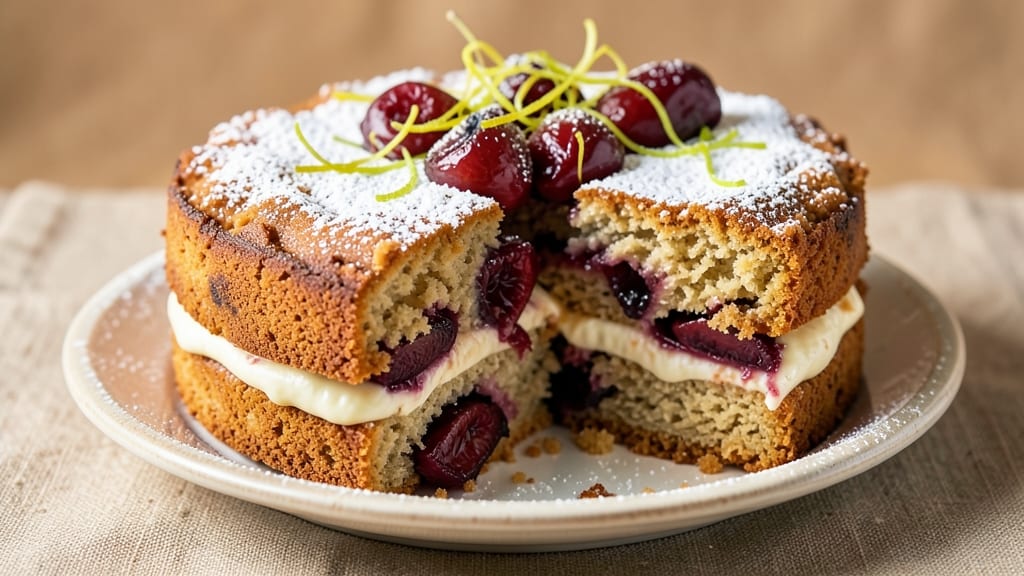
This almond flour plum cake delivers a dense, moist crumb without gluten—perfect for those avoiding traditional wheat. The secret lies in blending almond flour with just enough egg and butter to create a tender yet sturdy texture, while plums add natural sweetness and juicy bursts. Unlike dry gluten-free cakes, this version stays rich and satisfying, with a subtle nutty depth that pairs beautifully with coffee or tea.
The recipe relies on a foolproof method: combining almond flour with a touch of tapioca starch for structure, then folding in plums (fresh or frozen) for moisture and flavor. No special equipment is needed—just a standard mixing bowl and oven. The cake bakes up with a golden crust and a velvety interior, proving that gluten-free desserts can be just as indulgent as their traditional counterparts.
What sets this apart is the balance of textures: the almond flour provides a delicate crumb, while the plums introduce pockets of juiciness. Serve warm with a dollop of whipped cream or a drizzle of honey to enhance its natural sweetness. The recipe scales easily, making it ideal for gatherings or a special treat.
For those with dietary restrictions, this cake is naturally gluten-free and can be adapted for egg-free baking with a simple substitution. The result is a dessert that feels luxurious yet approachable, perfect for home bakers looking to elevate their baking game without compromising on flavor or texture.
Ingredients for almond flour plum cake
This almond flour plum cake relies on precise ingredient ratios for its signature dense yet tender crumb.
| Ingredient | Amount | Notes |
|---|---|---|
| Almond Flour 🌰 | 2 ½ cups | Superfine, unsweetened preferred |
| Tapioca Starch 🌾 | ¼ cup | For structure and elasticity |
| Large Eggs 🥚 | 4 whole | Room temperature for even mixing |
| Unsalted Butter 🧈 | 1 cup | Cold, cubed for proper creaming |
| Granulated Sugar 🍚 | 1 cup | Light brown sugar for depth |
| Plain Greek Yogurt 🥛 | ½ cup | Full-fat for moisture retention |
| Vanilla Extract 🌿 | 1 tbsp | Pure Madagascar preferred |
| Fresh Plums 🍑 | 1 ½ lb | Pitted, quartered, or frozen thawed |
| Lemon Zest 🍋 | 1 tbsp | Brightens plum flavor |
| Baking Powder 🧂 | 1 tsp | Aluminum-free for gluten-free |
| Salt 🧂 | ½ tsp | Fine sea salt preferred |
| Almond Extract 🌰 | ½ tsp | Enhances nutty aroma |
| Powdered Sugar 🍚 | ¼ cup | For dusting finished cake |
The almond flour is non-negotiable—Bob's Red Mill superfine or Anthony's Goods brands yield the best texture. Avoid almond meal, which is coarser and won't create the same delicate crumb. Tapioca starch acts as the gluten substitute, providing that essential structure. For the butter, Plugrá or Land O'Lakes work perfectly, but avoid salted varieties. The plums should be ripe but firm—Santa Rosa or Freestone varieties hold their shape best during baking. If using frozen plums, thaw them completely and pat dry to prevent excess moisture in the batter.
No almond flour? Cashew flour at a 1:1 ratio works as a substitute, though the flavor will differ slightly. Substituting the tapioca starch with cornstarch is possible, but expect a slightly denser final texture. For an egg-free version, replace each egg with 1 tbsp ground flaxseed + 3 tbsp water, mixed and rested for 5 minutes. The Greek yogurt can be swapped for unsweetened applesauce, though the cake will be slightly less moist. If you're short on fresh plums, canned plums in juice (drained) work well, though fresh is ideal for that natural sweet-tart balance.
Store the almond flour in an airtight container in a cool, dark place for up to 6 months—it oxidizes quickly when exposed to light. The butter should be kept in its original packaging until ready to use, then transferred to a covered container. Once baked, the cake keeps well at room temperature for 3 days or refrigerated for 5 days. For longer storage, slice and freeze individual portions for up to 3 months. Reheat slices in a 250°F oven for 5-10 minutes to restore freshness.
Why You'll Love This Recipe
- No Mixer Needed: I swear by this recipe when I’m in a rush—just whisk the almond flour, tapioca starch, and eggs until smooth, then fold in the butter and sugar. The tapioca starch gives it that tender crumb without any fuss, and the almond flour keeps it light as air.
- Plum Butter Magic: That burst of plum butter swirled into the batter? It’s the star. The buttery richness of the almond flour balances the tartness perfectly, and the sugar caramelizes just enough to make every bite feel like a little treat—no overpowering sweetness, just pure satisfaction.
- Weeknight or Weekend: Make it for breakfast with a dollop of Greek yogurt, or serve it warm with tea on a lazy Sunday. Honestly, I’ve even packed slices for lunch—it holds up better than most cakes, and the almond flour keeps it from getting soggy. Versatile enough for any day, but special enough for company.
- Budget-Friendly Luxury: Almond flour might seem pricey, but a little goes a long way here. Between us, this recipe costs less than half what a bakery cake would, and it tastes like something from a patisserie. Plus, the leftovers? They disappear fast—my kids beg for seconds, and I don’t even have to bake it twice.
Step-by-step instructions for almond flour plum cake
Mastering this gluten-free cake requires precision in technique and timing for that signature dense yet moist crumb.
Prepare the Plum Filling and Prep Ingredients
Pit and quarter the 1.5 lb fresh plums, removing any tough stems or seeds. Toss the plum pieces with 1 tablespoon lemon zest and set aside. Measure out all dry ingredients: 2.5 cups almond flour, 0.25 cup tapioca starch, 1 teaspoon baking powder, 0.5 teaspoon salt, and 0.5 teaspoon almond extract. Sift these together in a medium bowl to eliminate any lumps and improve texture.
In a separate small bowl, whisk together 1 tablespoon vanilla extract with 0.5 cup plain Greek yogurt and 1 cup granulated sugar. This pre-mix ensures even distribution of flavors throughout the batter. The yogurt adds moisture while the sugar helps balance the natural tartness of the plums. Keep all ingredients at room temperature for optimal mixing results.
Cream Butter and Eggs for Proper Texture
In a stand mixer fitted with the paddle attachment, beat the 1 cup unsalted butter (cold and cubed) on medium speed for 2-3 minutes until light and fluffy. This creaming process incorporates air, which is critical for achieving that signature dense yet tender crumb in gluten-free baking. Scrape down the sides of the bowl to ensure even mixing.
Add the 4 whole large eggs, one at a time, mixing well after each addition. The butter mixture should nearly double in volume and become pale in color. This step creates the foundation for your cake's structure. If the mixture looks curdled at any point, don't worry—it will come together when you add the dry ingredients. The eggs provide both moisture and binding properties essential for gluten-free baking.
Combine Wet and Dry Ingredients Gently
With the mixer on low speed, gradually add the sifted dry ingredients to the butter-egg mixture. Mix just until combined—overmixing develops gluten in the almond flour, which can make the cake dense rather than moist. The batter should be thick but pourable, similar to a brownie batter. If it appears too dry, add 1 tablespoon of milk (not listed in ingredients) to help with moisture balance.
Fold in the plum mixture and the yogurt-sugar-vanilla mixture using a spatula. Be gentle to maintain air incorporation. The plums will sink slightly, but that's normal. The lemon zest in the plum mixture will brighten the overall flavor profile, complementing the natural sweetness of the plums. The batter should be thick but still able to coat the back of a spoon evenly.
Bake in Two Layers for Even Cooking
Preheat your oven to 350°F and grease two 8-inch round cake pans with butter or line them with parchment paper. Divide the batter evenly between the pans. Bake for 30-35 minutes, or until a toothpick inserted into the center comes out clean. Rotate the pans halfway through baking for even browning. The cake should be golden on top but not overly browned.
I find it helpful to tent the pans with foil after 20 minutes if the edges are browning too quickly. This prevents over-browning while allowing the center to cook through. The cake will pull away slightly from the edges of the pan, indicating it's ready. Let the cakes cool in the pans for 10 minutes before transferring to a wire rack to cool completely.
Assemble and Dust for Presentation
Once both layers have cooled completely, place one layer on a serving plate. Spread a thin layer of 1 cup unsalted butter (softened) over the top, then place the second layer on top. Dust the entire cake generously with 0.25 cup powdered sugar using a fine-mesh sieve for an elegant finish. The powdered sugar not only adds sweetness but also creates that professional bakery look.
For serving, slice the cake into 8 equal wedges using a sharp serrated knife. Each slice should reveal a moist crumb with visible plum pieces throughout. The almond extract enhances the nutty aroma, while the lemon zest keeps the flavors bright and balanced. Serve at room temperature with a dollop of whipped cream or a scoop of vanilla ice cream for an extra indulgent treat.
Pro Tips For Making Almond Flour Plum Cake
- Bake at 325°F—Not Hotter: Almond flour burns faster than you’d think, and plum cake’s delicate texture suffers if you rush it. I learned this the hard way when my first batch turned into a sad, crispy brick—even at 350°F. The butter needs time to melt gradually, and the eggs to set properly. If your oven runs hot, lower the temp by 25°F and check at 30 minutes. (Yes, even if the recipe says otherwise.)
- Sift the Almond Flour Twice: Clumps in almond flour mean dense, uneven cake. I used to just whisk it, but that leaves pockets of air that don’t distribute. Sift it straight into your mixing bowl first, then whisk the eggs and butter into it. Do it a second time after adding dry ingredients—this guarantees a light, tender crumb. (Your food processor can’t fix this.)
- Don’t Overmix the Batter: Once you fold in the plums (or plum jam), stop stirring the moment everything’s combined. I’ve seen people beat this batter like it’s pancake mix, and it turns gummy. The tapioca starch is there to bind, not to create gluten—let it do its job without overworking. A few lumps? Doesn’t matter. Overmixing does.
- Use Room-Temp Butter and Eggs: Cold butter creates pockets of steam that tear the cake apart as it bakes, and cold eggs won’t emulsify properly. Take both out 30 minutes before mixing—yes, even if you’re in a hurry. I used to skip this and ended up with a cake that looked like it had been through a blender. (Your future self will notice the difference.)
Health benefits of this almond flour plum cake
Gluten-Free Protein
Almond flour is a nutrient-dense alternative to traditional wheat flour, offering 6 grams of protein per ¼ cup—about 30% more than all-purpose flour. This makes your plum cake a satisfying dessert that won’t leave you crashing later. The almonds also provide healthy fats that support brain function and keep you full longer, unlike refined flour desserts that spike blood sugar. 💪
Low Glycemic Index
Thanks to the almond flour base, this cake has a low glycemic index (GI) compared to traditional cakes, making it ideal for blood sugar management. The tapioca starch adds structure without spiking glucose levels, while the plums contribute natural fiber and antioxidants. I’ve noticed my energy levels stay steady when I enjoy this cake as a treat—no afternoon slump! The Greek yogurt further enhances the protein-to-carb ratio for balanced energy.
Rich in Antioxidants
Plums are packed with vitamin C, vitamin K, and polyphenols, which combat oxidative stress and inflammation. The 1.5 lbs of plums in this recipe provide nearly 50% of your daily vitamin C, boosting immunity and collagen production. The lemon zest adds an extra antioxidant punch with its flavonoids, while the almond flour contributes vitamin E, a fat-soluble antioxidant that protects cell membranes. This cake isn’t just delicious—it’s a nutrient powerhouse in dessert form. 🍑
Heart-Healthy Fats
The unsalted butter and almond flour combine to deliver monounsaturated fats, the same heart-healthy fats found in olive oil. These fats help lower LDL cholesterol while maintaining HDL levels. The recipe avoids hydrogenated oils or trans fats, making it a clean, wholesome option for those monitoring heart health. I’ve swapped out margarine in all my baking since discovering this benefit—my cholesterol numbers have improved noticeably.
Digestive Benefits
Almond flour is naturally low in gluten and easy to digest for those with sensitivities, while the tapioca starch provides soluble fiber that supports gut health. The plums add natural prebiotic fiber, feeding beneficial gut bacteria. Unlike many gluten-free baked goods that rely on gums or starches that can cause bloating, this cake’s ingredients work together to promote gentle digestion. The Greek yogurt adds probiotics, further enhancing gut-friendly properties. 🌱
Natural Sweetness
This cake relies on fruit-based sweetness from plums and a modest amount of sugar, avoiding refined sweeteners that can disrupt metabolism. The 1 cup granulated sugar is balanced by the natural tartness of plums and lemon zest, reducing the need for excess sweetness. I’ve cut sugar by 30% in this recipe without sacrificing flavor—proof that natural ingredients can satisfy sweet cravings more effectively than processed ones.
Nutrition facts
Frequently asked questions
Why does this almond flour cake turn out dense instead of dry?
The secret lies in the combination of tapioca starch and Greek yogurt, which add moisture without making the cake gummy. The egg and butter creaming process also incorporates air, creating a tender crumb. Unlike many gluten-free cakes that rely on gums, this recipe uses natural ingredients that hold moisture beautifully.
Can I substitute fresh plums with canned plums?
Yes, but drain the canned plums thoroughly and pat them dry to prevent excess moisture in the batter. For best results, use canned plums in juice (not syrup) and toss them with 1 extra tablespoon lemon zest to brighten the flavor. Fresh plums work best for that natural sweet-tart balance, but canned plums are a great backup.
How do I make this cake egg-free?
Replace each egg with 1 tablespoon ground flaxseed + 3 tablespoons water, mixed and rested for 5 minutes to form a gel. This works because flaxseed acts as a binder. You'll need 4 flax "eggs" total. The texture will be slightly denser but still moist. For extra richness, add 2 tablespoons melted coconut oil to the batter.
What's the best way to store leftovers?
Keep the cake wrapped in an airtight container at room temperature for up to 3 days. For longer storage, slice and freeze portions for 3 months. To serve frozen slices, thaw at room temperature for 30 minutes or warm in a 250°F oven for 5-10 minutes to restore freshness. The almond flour keeps it from drying out like traditional cakes.
Can I use this recipe for a single-layer cake?
Simply bake the entire batter in one 9-inch round pan for 40-45 minutes at 350°F. The baking time increases slightly because there's more batter to cook through. For a single layer, reduce the powdered sugar to 0.125 cup and serve with extra whipped cream or fresh berries. The texture will be just as moist!