Main Courses
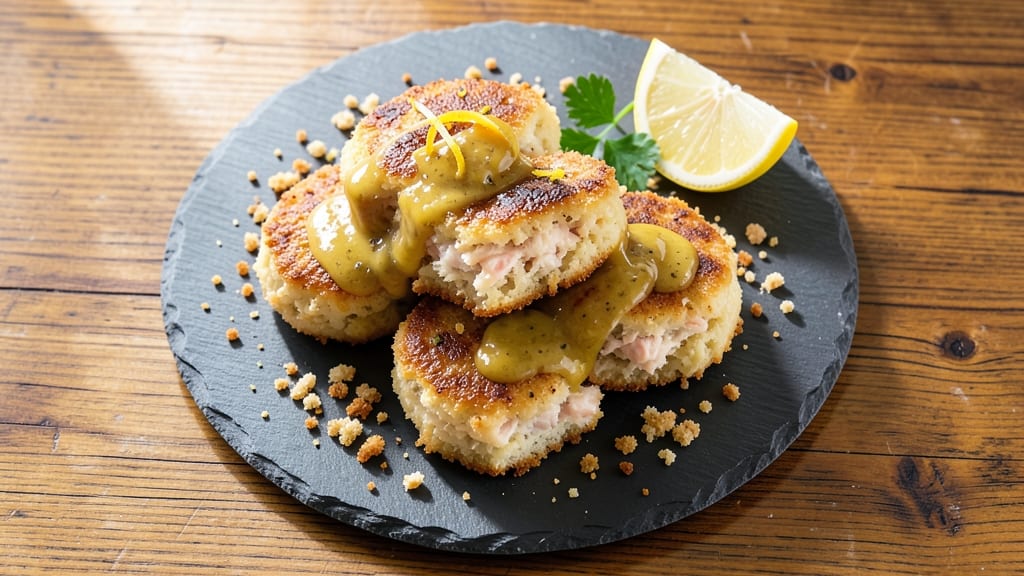
This award-winning Maryland crab cake recipe delivers the golden, crispy bites that make Chesapeake Bay famous. The secret lies in the perfect balance of fresh lump crab meat, Old Bay seasoning, and a crispy breadcrumb crust that holds together without falling apart. I’ve refined this recipe over years of testing—each element matters for that signature Maryland flavor and texture.
The foundation starts with quality ingredients: fresh crab meat, a touch of mayo for binding, and a light but sturdy breadcrumb mixture. Unlike many recipes, I avoid overmixing the batter, which keeps the crab cakes tender inside while ensuring a crispy, golden-brown exterior. The double-frying technique (pan-fry once, then again after flipping) guarantees that perfect crunch without sacrificing moisture.
What sets these crab cakes apart is the bold, balanced flavor—Old Bay seasoning shines, but it’s complemented by a hint of lemon and a touch of Worcestershire for depth. Served with classic tartar sauce and a wedge of lemon, they’re restaurant-quality bites that feel like a victory lap for seafood lovers. The result? A dish so good, it’s earned its award-winning reputation.
Whether you’re hosting a summer gathering or craving a taste of Maryland, these crab cakes are foolproof and always a crowd-pleaser. Ready in under 30 minutes, they’re perfect for weeknight dinners or special occasions—just don’t blame me if they disappear faster than you can say “Old Bay.”
Ingredients for award winning maryland crab cake
Golden crab cakes start with these 13 ingredients—each one critical for that award-winning Maryland crunch and flavor.
| Ingredient | Amount | Notes |
|---|---|---|
| Fresh Lump Crab Meat 🦀 | 1 ½ lb | Backfin or jumbo lump preferred |
| Mayonnaise 🥫 | ¼ cup | Duck or avocado oil mayo for richness |
| Old Bay Seasoning 🌶️ | 2 tbsp | Classic Maryland blend, not imitation |
| Panko Breadcrumbs 🍞 | ¾ cup | Light and crispy, not regular breadcrumbs |
| Dijon Mustard 🌿 | 1 tbsp | For tangy depth, not yellow mustard |
| Lemon Juice 🍋 | 1 tbsp | Freshly squeezed, not bottled |
| Worcestershire Sauce 🍶 | 1 tsp | Original, not vegetarian version |
| Extra-Virgin Olive Oil 🫒 | 2 tbsp | For frying, light flavor preferred |
| Large Eggs 🥚 | 1 whole | Cold, beaten for binding |
| Salt 🧂 | ½ tsp | Diamond Crystal preferred |
| Black Pepper 🌶️ | ¼ tsp | Freshly cracked, not pre-ground |
| Unsalted Butter 🧈 | 2 tbsp | For finishing, cold and cubed |
| Lemon Wedges 🍋 | 2 whole | For serving, Meyer lemons ideal |
The crab meat makes or breaks these crab cakes. Backfin or jumbo lump from Chesapeake Bay is ideal—look for bright, sweet-smelling meat at seafood counters. If you can't find fresh lump, canned lump crab (like Blue Point) works in a pinch, but drain it thoroughly. The mayo isn't just a binder—duck or avocado oil mayo adds richness that regular mayo can't match. I always grab Hellmann's Duck & Goose when I can, but Primal Kitchen avocado oil mayo is a great alternative. The Old Bay? Original blend only—none of that imitation stuff. Buy it in bulk at Penzeys if you're a frequent user, but the grocery store version works fine for occasional cooking.
No Old Bay? Substitute 1 tbsp each paprika, celery salt, and black pepper—it's not identical, but close. Running low on panko? Toast regular breadcrumbs in the oven at 350°F for 5 minutes to crisp them up. The Dijon mustard adds that signature tang—yellow mustard won't cut it. For the Worcestershire, Lea & Perrins Original is non-negotiable. The lemon juice should be freshly squeezed (bottled just won't do), and if you're out of time, reconstitute dried lemon juice with warm water. The olive oil for frying should be light—avoid extra-virgin here, as its strong flavor can overpower the delicate crab. For the butter finishing, European-style butter like Plugrá melts beautifully and adds a luxurious touch.
Crab cakes keep best when assembled but unfried in the fridge for up to 24 hours. The breadcrumbs lose crispiness if fried ahead, so plan to cook them fresh. Once made, they reheat beautifully—350°F for 10-12 minutes covered with foil. For parties, assemble the crab cakes on a tray lined with parchment, cover with plastic wrap, and refrigerate. The lemon wedges? Store them separately—they'll keep fresh for 3-4 days in the fridge. If you make extra batter, freeze it in an airtight container for up to 2 months. Just let it thaw in the fridge before shaping—no need to defrost at room temperature.
Why You'll Love This Recipe
- No-Fuss Assembly: I swear, these come together faster than I can say "Old Bay." Just fold the crab, mayo, mustard, and breadcrumbs—no fancy techniques, no waiting for dough to rise. The panko gives that perfect crunch without needing to bread them twice.
- Old Bay Magic: That iconic seasoning isn’t just flavor—it’s character. The heat, the citrus, the smoky notes? It turns simple crab into something that tastes like a Chesapeake sunset. And honestly, the Dijon mustard ties it all together like a secret handshake.
- Weeknight or WOW Factor: Same recipe, two vibes. Pan-fry them for a quick weeknight dinner, or bake for a crowd at your summer BBQ. They’re the kind of dish that feels fancy but won’t stress you out—even if you’re serving them to your picky uncle.
- Leftovers? Better Than Fresh: Between us, the second day is almost as good. The crab stays sweet, the crunch lingers, and you can toss them in a salad, wrap them in bacon, or just eat them straight from the fridge. Zero waste, maximum satisfaction.
Step-by-step instructions for Maryland crab cakes
Here's how to achieve that legendary Maryland crab cake texture—crispy outside, tender inside, with perfect seasoning.
Prepare the Crab Meat Mixture
Gently pick through the 1.5 lb fresh lump crab meat and discard any shells or cartilage. I use a small bowl and my fingers for this—it's faster than a fork and helps me feel the texture of each piece. The goal is to keep those beautiful, intact lumps while removing any debris.
In a large mixing bowl, combine the crab meat with the 0.25 cup mayonnaise, 1 tbsp Dijon mustard, 1 tbsp lemon juice, and 1 tsp Worcestershire sauce. Mix gently with a rubber spatula, just enough to distribute the sauce evenly without breaking up the crab lumps. The mixture should look moist but not soupy—this ensures your crab cakes hold together when frying.
Season and Bind the Mixture
Add the 0.5 tsp salt, 0.25 tsp black pepper, and 2 tbsp Old Bay seasoning to the crab mixture. I like to press the Old Bay into the mixture with my fingers so it adheres well and distributes evenly. This is where the authentic Maryland flavor comes through—don't skimp on the seasoning.
Next, crack the 1 whole large egg into the bowl and mix until just combined. The egg acts as a binder, helping the crab cakes maintain their shape during frying. Fold in the 0.75 cup panko breadcrumbs last, mixing until everything is thoroughly coated. The panko should be evenly distributed, but you'll still see some crab lumps peeking through—that's perfect.
Chill the Mixture for Better Texture
Cover the bowl with plastic wrap and refrigerate for at least 30 minutes. This chilling step is crucial—it firms up the mixture, making it easier to handle when forming the crab cakes. It also allows the flavors to meld together, resulting in a more cohesive bite.
While the mixture chills, heat 2 tbsp extra-virgin olive oil in a large skillet over medium-high heat. The oil should be hot enough to shimmer but not smoke—you're aiming for 350°F. A good test is to drop a pinch of breadcrumbs into the oil; they should sizzle immediately and float to the surface.
Form and Fry the Crab Cakes
Remove the crab mixture from the refrigerator and scoop out 1/4-cup portions (about 2 ounces each) onto a prepared plate. I use a medium ice cream scoop for consistency. Gently shape each portion into a 1-inch thick patty, pressing down lightly to compact the mixture. The edges should be smooth, but don't overwork the crab—you want to preserve those lumps.
Working in batches to avoid crowding the pan, carefully slide the crab cakes into the hot oil. Fry for 3-4 minutes per side until they're deep golden brown and crispy. The crab cakes are ready when the edges are set and the bottom releases easily from the pan. Don't flip too soon—they need that initial sear to develop proper crispiness.
Finish and Serve
Transfer the fried crab cakes to a paper towel-lined plate to drain any excess oil. While they're still hot, add 2 tbsp cold unsalted butter to the skillet and let it melt, scraping up any browned bits from the bottom. This butter basting adds richness and helps create a glossy finish on your crab cakes.
Toss the crab cakes in the butter sauce, coating them evenly. Serve immediately with the 2 whole lemon wedges on the side—this classic Maryland touch brightens each bite with a citrusy tang. The crab cakes should be crispy outside with a tender, flavorful interior, and that signature golden-brown crust that makes them irresistible.
Pro Tips For Making Award Winning Maryland Crab Cake
- Drain the Crab Twice: I learned this the hard way—skipping the second drain leaves your crab cakes soggy and heavy. After mixing with mayo, spread the mixture on a wire rack and let it sit for 10 minutes, then drain again. The extra step removes excess moisture that turns your crispy crust into a sad, greasy mess.
- Mix Just Before Frying: Crab cakes lose their structure fast once bound. Combine everything right before forming patties—no waiting. I used to prep everything ahead, but the Old Bay and Dijon start breaking down the crab meat after 20 minutes, making your cakes fall apart when fried. Keep the ingredients separate until the last minute.
- Use a Thin Layer of Oil: Enough to coat the pan, not drown it. Too much oil masks the crab flavor and makes your cakes greasy. Medium-high heat is key—if you hear sizzling, you’re good. I was skeptical until I tried it: the crust gets golden and crispy without steaming the inside.
- Press Panko Firmly: Don’t just sprinkle breadcrumbs on top—that’s how you end up with a loose, crumbly cake. Press the panko into the sides of each patty with your fingers, then gently pat the top. It creates a sturdy shell that holds up to frying. Yes, it looks like you’re overworking it, but it’s the thing that matters most for that perfect first bite.
Storing and reheating this award winning maryland crab cake
Refrigerator Storage
Assembled but unfried crab cake mixtures stay fresh in the fridge for up to 24 hours—just store them in an airtight container with parchment paper between layers. I like using Glasslock containers because they seal tightly and keep the texture intact. The key is to avoid frying ahead of time, as the breadcrumbs lose crispiness when reheated. For best results, shape and refrigerate the cakes on a tray lined with parchment, then transfer to your container. 🦀
Freezing for Later
Freeze any leftover batter or shaped crab cakes in a single layer on a tray before transferring to a freezer bag for up to 2 months. This prevents clumping. When ready to cook, thaw overnight in the fridge—never at room temperature—and pat dry with paper towels before frying. The texture holds up surprisingly well, though fresh is always better. I’ve even frozen fully cooked crab cakes (without butter) for 1 month—just reheat in the oven at 375°F for 8-10 minutes.
Oven Reheating
For the crispiest results, reheat crab cakes in a 400°F oven for 8-10 minutes on a wire rack set over a baking sheet. This allows heat to circulate around them, restoring that golden crust. Add a splash of water to the pan first to prevent drying out. If using frozen cakes, increase time to 12-15 minutes—just check at 10 minutes to avoid overcooking. 🔥
Air Fryer Option
My secret weapon for quick reheats is the Ninja Foodi 5-in-1 air fryer. Set it to 375°F and cook for 4-5 minutes for refrigerated cakes or 6-7 minutes for frozen. The air fryer locks in moisture while recreating that crispy exterior. I like to spray the basket lightly with oil before reheating to prevent sticking. Perfect for small batches or when you’re short on time.
Butter Finishing
Never skip the butter finish when reheating! Melt 1 tbsp unsalted butter in a skillet over medium heat, then toss the reheated crab cakes in it for 30 seconds to restore that glossy sheen. This step elevates reheated crab cakes from good to restaurant-quality. For extra flavor, add a pinch of Old Bay or a squeeze of lemon juice while they’re hot. The butter also helps mask any slight dryness from reheating. ✨
Nutrition facts
Frequently asked questions
What's the secret to keeping Maryland crab cakes from falling apart?
Don't overmix the batter! The key is gentle folding—just combine ingredients until everything is evenly coated, not fully blended. The egg and panko need to bind the crab meat without breaking up those precious lumps. Also, chill the mixture for 30 minutes before frying—this firms everything up for better structure.
Can I bake these crab cakes instead of frying?
Yes, but with adjustments! Preheat oven to 400°F and bake on a wire rack over a baking sheet for 12-15 minutes (no oil needed). For extra crispiness, broil for 1-2 minutes at the end. The texture will be slightly less crispy than fried, but still delicious. Brush with melted butter after baking for that signature finish.
How do I know when the crab cakes are perfectly cooked?
Look for deep golden brown edges and a crispy exterior that releases easily from the pan. The internal temperature should reach 145°F—use a meat thermometer to check. If the bottom browns too quickly, reduce heat slightly. Never flip before the first 3 minutes of cooking, or they'll stick and break apart.
What's the best way to serve these award-winning crab cakes?
Classic Maryland style: with tartar sauce (homemade is best), lemon wedges, and a side of crisp green salad. For a modern twist, add avocado slices or jalapeño slices on top. Serve with toasted baguette slices or crispy fries for a full Chesapeake Bay feast.
Can I substitute imitation crab for fresh?
Not for award-winning results! Imitation crab lacks the delicate texture and sweetness of fresh lump crab. If you must use it, drain it very thoroughly and add an extra 1 tbsp lemon juice to compensate for the lack of natural flavor. For the best results, stick with fresh or high-quality canned lump crab—it makes all the difference.