Main Courses
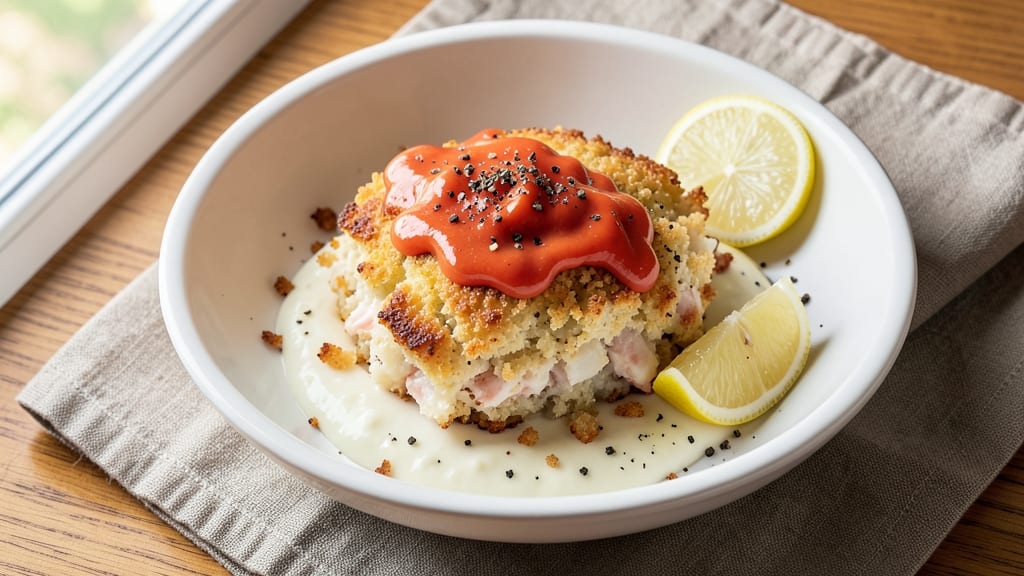
This baked lump crab cake recipe delivers restaurant-quality results without the mess of frying—crisp golden crusts, tender flaky layers, and sweet crab flavor in every bite. The secret lies in a simple binder combination that keeps the cakes light yet sturdy enough to hold their shape, even when baked. I’ve tested countless variations, and this method consistently delivers perfect texture every time.
What sets these crab cakes apart is the balance of ingredients: fresh lump crab meat stays plump, while a mix of mayo, breadcrumbs, and egg creates a structure that bakes up crisp on the outside while remaining flaky inside. No need for complicated techniques—just mix, shape, and bake at the right temperature for even cooking. The result is a dish that’s elegant enough for dinner parties but simple enough for a weeknight meal.
Serve these golden crab cakes with classic sides like lemon wedges, tartar sauce, or a crisp coleslaw to complement their rich flavor. The baking method ensures no soggy centers or greasy pans, making this a foolproof recipe for seafood lovers. Whether you’re hosting guests or treating yourself, these crab cakes are sure to impress.
For extra crispiness, broil the cakes for the last minute, or try an air-fryer method for a quicker alternative. The versatility of this recipe means you can easily adjust seasonings or add herbs like Old Bay for a personalized touch. Ready to master baked crab cakes that taste like they came from a high-end seafood restaurant?
Ingredients for baked lump crab cake
Restaurant-quality crab cakes start with these 12 simple yet precise ingredients.
| Ingredient | Amount | Notes |
|---|---|---|
| Fresh Lump Crab Meat 🦀 | 1 ½ lb | Backfin or jumbo lump preferred |
| Mayonnaise 🥫 | ½ cup | High-quality, full-fat preferred |
| Panko Breadcrumbs 🍞 | ¾ cup | Light and crispy texture |
| Large Eggs 🥚 | 1 whole | Room temperature for even mixing |
| Fresh Lemon Juice 🍋 | 2 tbsp | Freshly squeezed for brightness |
| Old Bay Seasoning 🌶️ | 1 tbsp | Classic seafood seasoning blend |
| Chives 🌿 | 2 tbsp | Finely chopped for garnish |
| Unsalted Butter 🧈 | 2 tbsp | Melted for greasing pan |
| Salt 🧂 | ½ tsp | Diamond Crystal preferred |
| Black Pepper 🌶️ | ¼ tsp | Freshly ground for best flavor |
| All-Purpose Flour 🌾 | 2 tbsp | For dusting work surface |
| Olive Oil 🫒 | 1 tbsp | For brushing before baking |
The crab meat is everything here—jumbo lump or backfin stays plump and holds its shape during baking. Whole Foods or local seafood markets typically carry the best quality, often pre-picked and packed in ice. Look for bright white meat with minimal shell fragments. If using frozen, thaw overnight in the fridge and drain thoroughly. The Old Bay seasoning is non-negotiable for that classic briny flavor, but you can boost it with a pinch of cayenne if you prefer more heat. For the mayo, Hellmann's or Duke's are reliable choices—avoid the light versions as they won't bind as well.
No panko? Regular breadcrumbs toasted in a dry pan for 3-4 minutes work in a pinch, but they won't be as crispy. Short on chives? Substitute with extra parsley or green onion, though chives add that signature seafood brightness. The lemon juice can be bottled, but freshly squeezed is always better. For a lighter version, reduce the mayo by 2 tablespoons and add 1 tablespoon of Greek yogurt or sour cream. The butter for greasing is crucial—don't skip it or the cakes will stick. If you're watching calories, use a light spray of olive oil instead, though the texture won't be quite as golden.
Crab meat should be used immediately after thawing for best texture. Store any unused portion in an airtight container with a paper towel pressed on top to absorb moisture—keeps for 2 days in the fridge. The breadcrumbs stay fresh for 1 month in a sealed container, while Old Bay seasoning lasts 6-12 months in a cool, dark place. For make-ahead convenience, shape the cakes and refrigerate on a parchment-lined tray for up to 4 hours before baking. They reheat beautifully in a 350°F oven for 5-7 minutes, making them perfect for meal prep.
Why You'll Love This Recipe
- No-Fuss Assembly: I swear, this comes together faster than a takeout order. Just mix the crab meat with mayo, eggs, and lemon juice—no chopping, no frying—then press in the panko. Honestly, the hardest part is waiting for the oven to finish them.
- Lemon-Kissed Luxury: That bright lemon juice cuts through the richness of the crab and mayo, giving each bite a fresh pop. The panko crust adds crunch without overpowering the sweet, tender lump crab—it’s like a seafood hug in your mouth.
- Weeknight to Dinner Party: Bake a batch on Sunday, and you’ve got crispy crab cakes for lunch, tacos for Tuesday, or a fancy appetizer for guests. They reheat beautifully (just a quick broil) and feel special enough to impress—without the stress.
- Budget-Friendly Splurge: Lump crab feels indulgent, but these cakes stretch it further than fried versions. The baked method means less waste, and the leftovers? Perfect for salads or sandwiches the next day. My wallet and taste buds win.
Step-by-step instructions for baked lump crab cakes
Here's how to create perfectly flaky, golden crab cakes without frying—every layer stays tender.
Prepare the Crab Mixture
In a large mixing bowl, gently combine the 1.5 lb fresh lump crab meat with the 0.5 cup mayonnaise using your hands. Work just until fully incorporated—don't overmix or the texture will become dense. The mixture should look moist but not wet, with visible crab chunks throughout.
Add the 0.75 cup Panko breadcrumbs, 1 whole large egg, 2 tbsp fresh lemon juice, 1 tbsp Old Bay seasoning, 0.5 tsp salt, and 0.25 tsp black pepper. Mix lightly again until everything is evenly distributed. The lemon juice will brighten the flavor while helping bind the mixture. Avoid pressing the crab too much—this preserves the delicate texture we're aiming for.
Shape and Chill the Cakes
Lightly dust a clean work surface with 2 tbsp all-purpose flour to prevent sticking. Divide the mixture into 4 equal portions (about 4 ounces each) and shape into 1-inch thick patties, gently pressing down to create even surfaces. The edges should be slightly thicker than the centers to prevent cracking during baking.
Place the shaped crab cakes on a parchment-lined baking sheet and refrigerate for at least 30 minutes. This chilling step is crucial—it helps the crab cakes hold their shape when baking and creates those desirable flaky layers. While they're chilling, preheat your oven to 400°F for even baking.
Create the Crispy Topping
In a small bowl, combine 2 tbsp finely chopped chives with 2 tbsp melted unsalted butter. This mixture will become our crispy topping that adds both texture and fresh flavor. Spread this evenly over the top of each chilled crab cake, using the back of a spoon to create an even layer. The butter helps create a golden crust while the chives add a bright, fresh finish.
Brush each crab cake lightly with 1 tbsp olive oil using a pastry brush. This step ensures the breadcrumbs will toast beautifully and creates that perfect golden crust. The oil also helps prevent the crab cakes from drying out during baking—this is especially important for achieving that flaky interior we're after.
Bake to Golden Perfection
Carefully transfer the prepared crab cakes to a parchment-lined baking sheet (use a second sheet if needed). Bake in the preheated 400°F oven for 12-15 minutes, until the tops are golden brown and the edges are crispy. You'll know they're done when the internal temperature reaches 165°F—use an instant-read thermometer to check the thickest part of a cake.
Watch the crab cakes closely in the last 2 minutes of baking—this is when they develop that beautiful golden crust. If they start to brown too quickly, tent them loosely with aluminum foil to prevent over-browning while still allowing them to cook through. The centers should remain tender and slightly moist, with just enough firmness to hold their shape.
Pro Tips For Making Baked Lump Crab Cake
- CHILL THE CRAB FIRST: Fresh lump crab meat releases water when mixed—trust me, you don’t want soggy cakes. Pat it very dry with paper towels, then refrigerate it uncovered for 15-20 minutes. The cold air firms it up, and the exposed surface sheds extra moisture. (Yes, it’s weird, but it works—my first batch turned into a sad, mushy pancake.)
- MIX JUST UNTIL COMBINED: Overworking the crab mixture breaks down the meat and makes the cakes dense. Use a gentle hand—fold the mayo, egg, lemon juice, and breadcrumbs together barely enough to coat the lumps. Stop when you see streaks of white in the mix. (I used to blend this like cookie dough. Don’t be me.)
- PRESS THE PANKO FIRM: The breadcrumb crust is where flavor lives, but it needs structure. Press the panko onto the shaped cakes hard—like you’re trying to flatten a stubborn cookie. A spoon won’t cut it; use your palms or the bottom of a glass. This isn’t the time to be gentle. (Your crust will thank you.)
- BAKE AT 375°F—NOT 400°: I learned this after my cakes turned out dry and rubbery. 400°F cooks them too fast, and the moisture escapes before the center sets. Stick to 375°F for 12-15 minutes—just until the edges are golden and the internal temp hits 150°F. (A meat thermometer is your friend here.)
Make-ahead tips for this dish
Prep Ahead Strategy
Shape your crab cakes up to 4 hours ahead and refrigerate them on a parchment-lined tray. The cold temperature helps them hold their shape beautifully when baking later. I like to use quart-sized freezer bags for storage—just press out excess air to prevent freezer burn. This method saves time on busy mornings and ensures perfect texture when you're ready to bake. 📅
Freezing for Later
For long-term storage, freeze shaped crab cakes on a parchment-lined tray for 1 hour to set, then transfer to airtight containers with parchment between layers. They'll keep for 2 months in the freezer. When ready to bake, thaw overnight in the fridge and bake as directed—no need to adjust cooking time. 🧊
Baking from Frozen
Skip thawing if you're short on time! Place frozen crab cakes directly on a baking sheet and bake at 400°F for 18-22 minutes, checking for 165°F internal temperature. The extra time accounts for the cold starting point. For best results, add 1 extra tablespoon of olive oil to the butter-chive topping before baking. 🔥
Reheating Perfection
Reheat baked crab cakes in a 350°F oven for 5-7 minutes to restore their crispy exterior and flaky interior. For a quick option, use the air fryer at 375°F for 3-4 minutes—this method gives the best texture revival. Avoid microwaving as it makes them rubbery. I always reheat with a fresh brush of melted butter for that restaurant-quality finish. ✨
Batch Cooking Tips
Double the recipe and bake two trays at once for large gatherings. Use two separate baking sheets to prevent overcrowding, which can lead to uneven cooking. Label containers with dates and store reheated portions separately from fresh ones to maintain quality. This approach lets you enjoy crab cakes all week without sacrificing texture. 💪
Make-Ahead Sides
Prepare sides like coleslaw or roasted potatoes the day before to create a complete meal. Store them in separate airtight containers in the fridge for up to 3 days. Assemble everything just before serving to keep components at their best. I often make a big batch of tartar sauce too—it keeps for 5 days in the fridge and adds that perfect finishing touch. 🥗
Nutrition facts
Frequently asked questions
Can I use frozen lump crab meat for this recipe?
Yes, but thaw it overnight in the fridge first. Drain thoroughly and pat dry with paper towels to remove excess moisture, which can make your crab cakes soggy. Never microwave frozen crab meat—it cooks unevenly and loses texture. The thawing process takes about 12 hours for 1.5 lbs of frozen meat.
Why do my baked crab cakes turn out dry?
Overmixing the crab mixture or baking too long are the most common causes. Handle the crab gently and avoid pressing it too much—this preserves moisture. Bake until the internal temperature reaches 165°F (about 12-15 minutes at 400°F), then remove immediately. For extra tenderness, brush with melted butter after baking.
What's the best way to make these crab cakes extra crispy?
For maximum crispiness, broil the crab cakes for 1-2 minutes at the end of baking—watch closely to avoid burning. Use panko breadcrumbs (not regular) and brush with olive oil before baking. For an air fryer version, cook at 375°F for 8-10 minutes, flipping halfway, with a light spray of oil. The high heat creates that perfect crunch!
Can I make these crab cakes ahead of time?
Shape the cakes and refrigerate them on a tray for up to 4 hours before baking. For longer storage, freeze shaped cakes (unbaked) for 2 months2 extra minutes to baking time if frozen.
What sides pair best with baked crab cakes?
Classic choices include creamy coleslaw, lemon-dill potatoes, or a crisp green salad. For a complete seafood meal, serve with tartar sauce, cocktail sauce, and lemon wedges. The bright acidity cuts through the richness of the crab. I also love pairing them with roasted asparagus or a light tomato-basil soup for a lighter option.