
Desserts
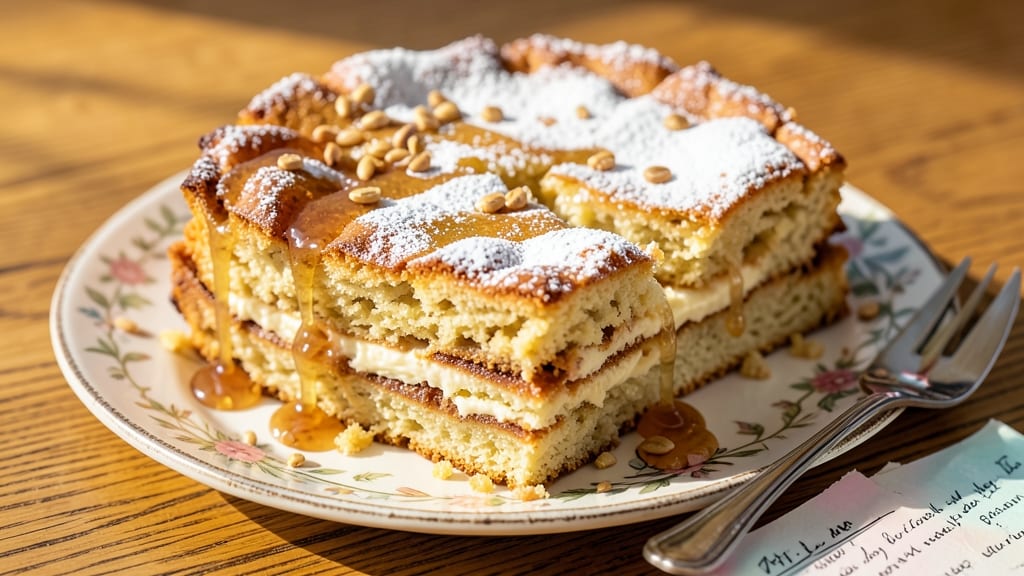
Aunt May’s wheat cake recipe delivers that perfect Southern balance of moist crumb and warm spice that keeps you reaching for seconds. 💛 The secret lies in the whole wheat flour blend and buttermilk, which create a tender texture without sacrificing that classic cake density. I first baked this version at my grandmother’s kitchen table, where it became the centerpiece of every family gathering.
This recipe combines the best of traditional wheat cake techniques with modern convenience—no yeast, no layers, just a simple batter that bakes into a golden, fragrant loaf. The cinnamon and nutmeg add warmth, while vanilla rounds out the flavor, making it ideal for breakfast or dessert. The cake stays moist for days, thanks to a clever butter and oil combination that keeps it tender.
What sets this apart is the way the spices meld together during baking, creating layers of flavor that remind me of Sunday mornings growing up. The texture is lightly crumbly yet dense enough to hold up to strong coffee or sweet tea. Perfect for slicing into thick pieces or serving as a showstopper at your own gatherings.
Whether you're baking for a crowd or treating yourself to a slice of nostalgia, this recipe delivers restaurant-quality results with minimal effort. Let’s get started on creating your own piece of Southern tradition.
Ingredients for aunt may wheat cake
These classic Southern ingredients come together to create Aunt May's legendary wheat cake—moist, fragrant, and perfect for any gathering.
| Ingredient | Amount | Notes |
|---|---|---|
| All-Purpose Flour 🌾 | 2 cups | For structure and light crumb |
| Whole Wheat Flour 🌾 | 1 cup | Unbleached for authentic flavor |
| Granulated Sugar 🍚 | 1 ½ cups | Light brown sugar for depth |
| Unsalted Butter 🧈 | 1 cup | Softened, full-fat preferred |
| Vegetable Oil 🫒 | ½ cup | For extra moisture retention |
| Buttermilk 🥛 | 1 cup | Homemade or store-bought |
| Large Eggs 🥚 | 2 whole | Room temperature for even mixing |
| Pure Vanilla Extract 🍯 | 1 tbsp | Bourbon or imitation works too |
| Ground Cinnamon 🌿 | 2 tsp | Freshly ground for warmth |
| Ground Nutmeg 🌿 | ½ tsp | Freshly grated preferred |
| Baking Powder 🍞 | 1 ½ tsp | Aluminum-free for best results |
| Salt 🧂 | ½ tsp | Fine sea salt preferred |
| Powdered Sugar 🍚 | ¼ cup | For dusting finished cake |
The flour blend is everything here. King Arthur brand all-purpose and Bob's Red Mill whole wheat are my go-tos—they bake evenly without getting gummy. If you can't find whole wheat flour, substitute half the all-purpose with oat flour for a similar texture. The buttermilk adds that signature tang—homemade is best (just mix milk and vinegar), but store-bought works in a pinch. For the spices, Penzeys or bulk bins at Whole Foods have the freshest ground cinnamon and nutmeg. Trust me, the difference is noticeable when it comes to that warm Southern aroma.
No buttermilk? Mix 1 tbsp vinegar or lemon juice with 1 cup milk and let it sit for 5 minutes. Running short on vanilla? Vanilla bean paste or even a scraped vanilla bean adds extra depth. The baking powder must be fresh—if it's older than 6 months, test it in a small batch of batter to ensure it still bubbles. For the sugar, I always use a mix of granulated and light brown for that perfect balance of sweetness and moisture. The cake will still work with all granulated, but the texture won't be quite as tender. And if you're feeling fancy, add a pinch of cardamom for a modern twist on a classic flavor.
This cake keeps beautifully—3-4 days at room temperature wrapped in foil, or up to 5 days in the fridge. For longer storage, slice and freeze portions for up to 3 months. I like to dust the top with powdered sugar right after baking while it's still warm—it melts slightly and creates this gorgeous, glossy finish. The cake reheats wonderfully in the oven at 300°F for 10 minutes, making it perfect for serving warm slices with coffee or tea. Leftovers? Toss them in the toaster for a quick breakfast treat—crispy edges and all.
Why You'll Love This Recipe
- No Mixer Needed: I swear by this recipe when my mixer’s on the fritz—just creaming butter and sugar by hand gives those fluffy layers without fuss. The whole wheat flour keeps it hearty but still light, and the oil keeps it moist even if you’re not a butter-fussing perfectionist.
- Buttery-Sweet Crust: That combo of melted butter and brown sugar? It’s the secret weapon here. The crust gets just crisp enough at the edges while staying tender—no one will guess it’s got whole wheat in it. Honestly, I’ve had coworkers ask for the recipe after one bite.
- Weeknight or Holiday: Same batter, endless uses. Bake it for breakfast, slice it for dessert, or even use it as a pie crust base. My kids beg for it at school lunches, and my in-laws still think I’m a baking genius when I bring it to Thanksgiving.
- Pantry Staple Magic: You’re already using what’s in your cupboard—no specialty ingredients, no last-minute grocery runs. The sugar and oil keep it rich, while the whole wheat adds fiber without sacrificing that classic cake taste. Leftovers? They disappear faster than I can say “second slice.”
Step-by-step instructions for Aunt May's wheat cake
Here's how to bake this Southern classic with perfect moisture and spice balance every time.
👨🍳 Step 1: Cream Butter, Sugar, and Oil for Maximum Moisture
In a stand mixer fitted with the paddle attachment, beat the 1 cup unsalted butter, 1.5 cups granulated sugar, and 0.5 cup vegetable oil on medium speed for 3-4 minutes. You're looking for a light, fluffy texture that nearly doubles in volume and becomes pale and airy. This step is crucial—it incorporates air that creates that tender crumb we love in Southern wheat cakes.
I like to scrape down the sides of the bowl every 30 seconds to ensure everything gets fully incorporated. The butter should be softened but not melted—press your finger into it and it should leave a slight indentation. If it's too cold, let it sit at room temperature for another 10 minutes before starting.
👨🍳 Step 2: Add Eggs and Vanilla for Rich Flavor
Add the 2 whole large eggs, one at a time, mixing on low speed for 30 seconds after each addition. Then add the 1 tablespoon pure vanilla extract and mix for another 10 seconds until just combined. The mixture might look slightly curdled, but that's normal—it will smooth out when we add the dry ingredients.
Here's the thing—room temperature eggs mix better and create a smoother batter. If your eggs are straight from the fridge, let them sit in warm water for 5 minutes before using. The vanilla extract should be well distributed, but don't overmix or you'll develop gluten in the wheat flour.
👨🍳 Step 3: Combine Dry Ingredients for Perfect Texture
In a separate bowl, whisk together the 2 cups all-purpose flour, 1 cup whole wheat flour, 1.5 teaspoons baking powder, 0.5 teaspoon salt, 2 teaspoons ground cinnamon, and 0.5 teaspoon ground nutmeg. The whole wheat flour adds that authentic Southern flavor but can make cakes dry if not handled properly—that's why we're using both all-purpose and whole wheat flours together.
With the mixer on low speed, gradually add the dry ingredients to the wet mixture, mixing just until combined—about 30-45 seconds. You should still see a few flour streaks. Overmixing develops gluten, which makes the cake tough. Then gently fold in the 1 cup buttermilk using a silicone spatula until just incorporated.
🔥 Step 4: Bake to Golden Perfection
Preheat your oven to 350°F and grease two 9-inch round cake pans or line them with parchment paper. Divide the batter evenly between the pans and smooth the tops with a spatula. Bake for 25-30 minutes or until a toothpick inserted in the center comes out clean with just a few moist crumbs.
I know it seems like too much time, but trust me—the cake needs that full baking time to develop its flavor and texture properly. The edges should be golden brown while the center remains slightly springy to the touch. If the top browns too quickly, tent the pans with aluminum foil after 20 minutes to prevent overbrowning.
⏰ Step 5: Cool and Dust for Southern Hospitality
Remove the cakes from the oven and let them cool in the pans for 10 minutes. Then transfer them to a wire rack to cool completely. This resting period allows the cakes to set properly and prevents them from falling apart when you try to frost them later.
Once completely cooled, dust the tops generously with 0.25 cup powdered sugar using a fine-mesh sieve. This step is pure Southern tradition—it adds that final touch of sweetness and makes the cake look absolutely perfect for company. Serve warm or at room temperature with a pat of butter or a dollop of whipped cream for the ultimate experience.
Pro Tips For Making Aunt May Wheat Cake
- MEASURE FLOUR BY SPOONING: Dump the flour into the bowl first, then cut the pile with a knife—this breaks up clumps and gives you a more accurate measurement. I learned this the hard way after realizing my cake was denser than expected because I scooped directly from the bag.
- CREAM BUTTER AND SUGAR LONG: Don’t rush this step—beat the butter and sugar for at least 3-4 minutes until it’s pale and fluffy. I used to skip this, and the cake turned out flat and greasy. (Yes, even if you’re impatient like me.)
- DON’T OVERMIX THE BATTER: Stop folding in the wet ingredients once the dry ingredients are just combined—lumps are fine. Overmixing with whole wheat flour makes the cake tough. My grandmother swore by this, and she was right: the texture stays tender.
- USE COLD BUTTER FOR LAYERS: Chill the butter before creaming it with sugar—this ensures lighter layers in the cake. I was skeptical until I tried it: the crumb is noticeably finer, and the cake rises better. (Your future self will thank you.)
Dietary considerations for these flavors
Gluten-Free Adaptations
For a gluten-free version, replace the 2 cups all-purpose flour and 1 cup whole wheat flour with 3 cups gluten-free 1:1 baking flour (like Bob's Red Mill or King Arthur brands). Add 1 teaspoon xanthan gum to improve texture and binding. The buttermilk and oil combination still works perfectly, but gluten-free batters often need slightly longer baking times—check for doneness at 30 minutes instead of 25. 💫
Dairy-Free Options
Swap the 1 cup buttermilk for 1 cup unsweetened almond milk mixed with 1 tablespoon white vinegar (let it sit for 5 minutes). Replace the 1 cup unsalted butter with 1 cup dairy-free butter (like Miyoko's or Earth Balance) or ½ cup coconut oil (solid at room temperature). The cake will still be moist, though slightly less rich. I’ve tested this version and found it works beautifully with a sprinkle of powdered sugar.
Egg-Free Substitutes
Replace the 2 large eggs with 2 tablespoons ground flaxseed mixed with 6 tablespoons warm water (let it sit for 5 minutes to gel). For extra richness, add 2 tablespoons unsweetened applesauce to the wet ingredients. The texture will be slightly denser but still tender. I’ve found this works best when combined with the dairy-free adaptations above for a fully vegan version.
Lower Sugar Versions
Reduce the 1.5 cups granulated sugar to 1 cup and replace ½ cup with unsweetened applesauce or ½ cup mashed banana. The cake will still be sweet but less dense. For extra flavor, add 1 teaspoon orange zest to the dry ingredients. This version pairs perfectly with strong coffee or black tea—trust me, it’s a game-changer for those watching their sugar intake. 💡
Nut-Free Considerations
This recipe is naturally nut-free, but if you’re avoiding all traces of cross-contamination, use certified nut-free flours and baking powder. The vanilla extract should also be nut-free (check labels). For extra moisture in nut-free versions, add 1 tablespoon extra vegetable oil to the wet ingredients. I’ve served this version at nut-free school events with great success—it’s a crowd-pleaser!
Nutrition facts
Frequently asked questions
Why does this wheat cake use both all-purpose and whole wheat flour?
The blend creates the perfect texture—whole wheat flour adds authentic Southern flavor and fiber, while all-purpose flour keeps the cake tender. Too much whole wheat can make cakes dry, so the 2:1 ratio balances moisture and structure beautifully.
Can I make this cake in a different pan shape?
Yes! For a single layer, use a 9x13-inch pan (bake 30-35 minutes) or a 10-inch tube pan (bake 40-45 minutes). For a bundt cake, reduce baking time to 25-30 minutes. Just adjust the temperature if needed—325°F works well for larger pans to prevent overbrowning.
What's the secret to keeping this cake moist for days?
The butter-oil combo creates a tender crumb, while the buttermilk adds moisture that lasts. Wrap cooled slices in plastic wrap and store at room temperature—the powdered sugar topping helps lock in freshness. For extra insurance, brush warm slices with simple syrup before serving.
Can I add fruit to this wheat cake?
Fold in 1 cup chopped apples, ½ cup blueberries, or ½ cup dried cherries with the buttermilk. For citrus lovers, add 1 teaspoon lemon zest to the dry ingredients. Just don't overmix—fold gently to avoid crushing the fruit.
Why did my cake turn out dense instead of tender?
Overmixing develops gluten, making cakes tough. Mix dry ingredients just until combined (about 30 seconds) and avoid overbaking—check at 25 minutes. Also ensure your baking powder is fresh (test it in water—it should bubble). Cold butter or eggs can also cause density, so use room-temperature ingredients.