
Desserts
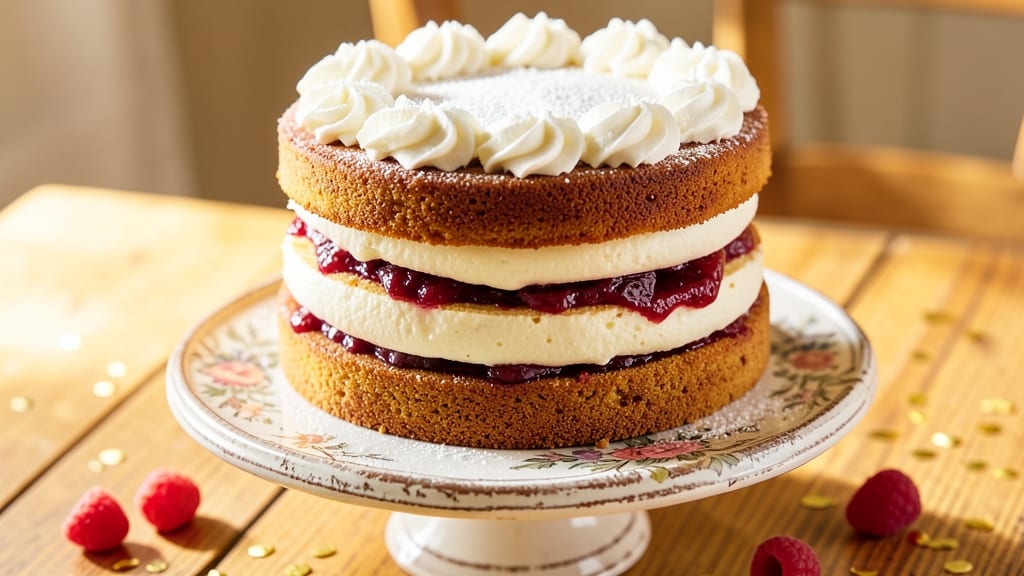
This American butter cake recipe delivers the classic Southern-style dessert you crave—moist, tender layers with that signature vanilla frosting that melts into every bite. 💛 The secret lies in creaming butter and sugar properly, creating a light yet rich crumb that stands up to generous frosting without becoming soggy. I've perfected this version over years of baking, ensuring it's foolproof for both beginners and seasoned bakers alike.
The beauty of this recipe is its versatility—it works perfectly with store-bought cake mix for a quick version or from-scratch for that authentic homemade taste. The vanilla frosting is simple but essential, providing the sweet contrast that makes this cake legendary. Whether you're baking for a celebration or just treating yourself, this cake delivers that comforting, nostalgic flavor of Southern kitchens.
What sets this butter cake apart is its balance—rich enough to satisfy cravings but light enough to keep slices manageable. The frosting isn't just sweet; it's velvety and smooth, with just the right amount of vanilla to complement the cake's buttery notes. Bake it at 350°F for 25-30 minutes, and you'll have golden layers ready for frosting in no time.
Serve it at room temperature for the best texture, or chill slightly if you prefer a firmer slice. This cake is perfect for birthdays, picnics, or just a cozy dessert night. The frosting can be adjusted for sweetness, and you can even add a sprinkle of powdered sugar or fresh berries for extra flair. Let's get baking!
Ingredients for american butter cake
These classic ingredients create the perfect Southern butter cake with velvety layers and rich vanilla frosting.
| Ingredient | Amount | Notes |
|---|---|---|
| Unsalted Butter 🧈 | 1 cup | Softened to room temperature |
| Granulated Sugar 🍚 | 2 cups | White or light brown preferred |
| Large Eggs 🥚 | 4 whole | Room temperature for best mixing |
| All-Purpose Flour 🌾 | 2 ½ cups | Sifted for light texture |
| Baking Powder 🍃 | 2 tsp | Diamond Crystal preferred |
| Salt 🧂 | ½ tsp | Fine sea salt preferred |
| Pure Vanilla Extract 🌿 | 2 tsp | High-quality, not imitation |
| Buttermilk 🥛 | 1 cup | Fresh for best flavor |
| Powdered Sugar 🍚 | 4 cups | For frosting, sifted |
| Heavy Whipping Cream 🥛 | 1 cup | Full-fat for best texture |
| Vanilla Frosting Extract 🌿 | 1 tsp | Pure vanilla extract |
The butter is the star here—Crisco or Land O'Lakes work perfectly, but don't grab the salted kind. Room temperature is key (that's about 10 minutes out of the fridge). For the sugar, I always reach for Domino or C&H—they're reliable and dissolve smoothly. The buttermilk? Great Value at Walmart is my go-to, but if you're out, mix powdered buttermilk with water. Eggs should be at room temp too—just take them out 20 minutes before mixing. And for the vanilla, McCormick or Nielsen-Massey are my top picks—nothing artificial here.
No buttermilk? Mix 1 tablespoon lemon juice or vinegar with 1 cup milk—it works in a pinch. Short on powdered sugar? Confectioners' sugar from Trader Joe's is great, but if you've got regular sugar, pulse it in a food processor for a few seconds. The frosting can be made ahead—just whip it up and store it in the fridge for up to 3 days. Want extra richness? Add 1 tablespoon softened butter to the frosting. And if you're feeling fancy, swap the vanilla extract for vanilla bean paste—it's worth the splurge for special occasions.
This cake keeps beautifully at room temperature for 3 days in an airtight container, but trust me, it won't last that long. For longer storage, wrap it tightly in plastic and refrigerate for up to 1 week. The frosting? It actually tastes better the next day once it's had time to set. Freeze the whole cake (unfrosted) for up to 3 months—just thaw at room temp before frosting. And if you're making this for a crowd, double the recipe—it's that good.
Why You'll Love This Recipe
- No Mixer Needed: I’ll admit, I don’t own a stand mixer—and this cake still comes out fluffy. Cream the butter and sugar by hand until it’s light and airy (about 5 minutes of elbow grease), then fold in the eggs one at a time. The result? A tender crumb that’s worth the effort.
- Butter So Rich: That first bite of warm, buttery layers? Chef’s kiss. Unsalted butter here means you control the saltiness, but the flavor? It’s like a hug for your taste buds. The sugar melts into the flour just enough to keep it moist without being heavy—simple, but ridiculously satisfying.
- Weeknight Magic: Honestly, this is my go-to for when I need dessert fast. Bake it in a 9x13 pan for a sheet cake that’s ready in under an hour, or split it into two 8-inch rounds for a pretty dessert with zero fuss. The baking powder keeps it light, so no one will guess it took me less time than ordering takeout.
- Budget-Friendly Luxury: Four ingredients, one bowl, done. No fancy add-ins, no specialty flours—just good, honest cake that tastes like a bakery slice. Leftovers? Toast them the next morning for French toast that’ll make you question why you ever bought pre-made. (Yes, even on a Tuesday night.)
Step-by-step instructions for Southern-style butter cake
Here's the classic method that delivers that iconic tender crumb and moist texture.
👨🍳 Step 1: Cream Butter and Sugar to Lighten the Mixture
In a large mixing bowl, combine the 1 cup softened unsalted butter with the 2 cups granulated sugar. Using an electric mixer on medium-high speed, beat for 3-5 minutes until the mixture is light and fluffy, and the color has changed from pale yellow to a slightly off-white hue. This step is crucial—it incorporates air that helps create that signature tender crumb.
I like to scrape down the sides of the bowl with a rubber spatula every minute or so to ensure everything gets properly incorporated. You'll know you're on the right track when the mixture nearly doubles in volume and leaves a trail when the beaters are lifted. Don't rush this step—under-creaming leads to dense cake.
🍳 Step 2: Add Eggs and Vanilla for Rich Flavor
Add the 4 whole large eggs, one at a time, mixing well after each addition. Then add the 2 teaspoons pure vanilla extract and mix until just combined. The mixture might look slightly curdled after adding the eggs, but that's normal—the flour will smooth everything out in the next step.
Here's the thing—room temperature eggs mix better and create a smoother batter. If your eggs are straight from the fridge, let them sit in warm water for 5 minutes before using. The vanilla extract should be high-quality; imitation won't give you that authentic Southern flavor.
👨🍳 Step 3: Alternate Dry and Wet Ingredients for Even Moisture
In a separate bowl, whisk together the 2.5 cups all-purpose flour, 2 teaspoons baking powder, and ½ teaspoon salt. With the mixer on low speed, gradually add the dry ingredients to the wet mixture, mixing just until combined. Then add the 1 cup buttermilk, mixing until smooth.
This alternating method prevents gluten development and ensures even moisture distribution. I always use fresh buttermilk—it makes a noticeable difference in flavor. If you must substitute, combine 1 cup milk with 1 tablespoon lemon juice or vinegar and let it sit for 5 minutes before using.
🔥 Step 4: Bake Until Golden and Springy
Preheat your oven to 350°F. Pour the batter into two greased and floured 9-inch round cake pans (or one 9x13-inch pan if preferred). Bake for 25-30 minutes until a toothpick inserted in the center comes out clean and the top is golden brown. The cake should also spring back slightly when gently pressed in the center.
I always bake on the middle rack for even heat distribution. If your oven runs hot, start checking at 22 minutes. The cake is done when it pulls away from the sides of the pan and has a slight crust on top. Let the cakes cool in the pans for 10 minutes before transferring to a wire rack to cool completely.
🥘 Step 5: Prepare the Vanilla Frosting
In a large bowl, beat the 1 cup heavy whipping cream with the 1 teaspoon vanilla frosting extract until soft peaks form. Gradually add the 4 cups powdered sugar, beating until smooth and fully incorporated. The frosting should be thick enough to hold its shape but still spreadable.
Here's my trick for perfect frosting: chill the bowl and beaters in the freezer for 10 minutes before starting. This helps stabilize the frosting and makes it easier to achieve those beautiful peaks. The frosting should be sweet but not overpowering—let your taste buds guide you when adding the powdered sugar.
Pro Tips For Making American Butter Cake
- Weigh the Butter: No guesswork—measure that unsalted butter by weight (8 oz = 2 sticks) instead of scooping. Butter compacts differently when packed, and even a tablespoon off throws off the fat-to-flour ratio. I learned this the hard way after cutting a cake that was either too dense or too crumbly.
- Mix Just Until Combined: Overmixing turns your tender butter cake into a tough, chewy mess. Once the flour and baking powder are just incorporated—no streaks, but not a single extra fold—stop. The mixer’s paddle should pull away cleanly. I used to run it until the bowl looked "perfect," but that’s how you end up with a cake that fights back.
- Room-Temp Eggs: Cold eggs from the fridge will curdle when creamed with butter, leaving you with a lumpy batter. Pop them in warm water (not hot) for 5–10 minutes until they’re just above room temperature—press a yolk gently, and it should jiggle like warm jelly. Trust me, your cake’s texture will thank you.
- Preheat Pan and Oven: Grease your pan and let it sit in the oven for 5 minutes once the oven’s preheated. This ensures the buttercream doesn’t stick and the edges bake evenly. I skipped this once and spent 20 minutes scraping cake off the sides—don’t be that person. (Yes, even if you’re impatient like me.)
Serving suggestions for american butter cake
Classic Presentation
Serve this butter cake with classic Southern flair by cutting into thick slices and arranging them on a tiered cake stand. Dust the top with a light layer of powdered sugar and garnish with fresh whipped cream rosettes or chopped pecans for texture. I like to add a few fresh raspberries along the edges for a pop of color and tart contrast. 💛
Picnic Perfection
For outdoor gatherings, wrap individual slices in parchment paper and secure them with twine for easy transport. Pack a small container of extra frosting on the side for dipping. This cake holds up beautifully in 70°F weather for up to 4 hours if kept in a cooler with ice packs. Pair with lemonade or sweet tea for the ultimate Southern picnic spread.
Layered Dessert Platter
Create an elegant layered dessert platter by alternating slices of butter cake with vanilla pudding cups (store-bought or homemade) and fresh strawberries. Drizzle with warm caramel sauce and sprinkle with crushed graham crackers for crunch. This presentation works beautifully for birthdays or holiday celebrations.
Mini Cake Bites
For a fun twist, cut the cake into small squares (about 1.5 inches per side) and place them on a parchment-lined baking sheet. Chill for 30 minutes to firm up, then pipe a dollop of frosting on top. Roll each bite in crushed candy canes (for Christmas) or sprinkles (for kids' parties). These bite-sized treats disappear quickly!
Warm Comfort Serving
For a cozy winter dessert, serve warm slices with a side of vanilla bean ice cream or warm apple cider. The contrast of warm cake with cool ice cream creates a magical experience. I like to dust the plates with a pinch of cinnamon sugar before serving for extra warmth. Perfect for chilly evenings by the fireplace. ❄️
Gift-Worthy Packaging
Wrap individual slices in parchment paper, tie with ribbon, and place them in a decorative tin or box for thoughtful gifts. Add a handwritten note about how the cake was made with love—it's a gesture that always brings smiles. These packages make wonderful hostess gifts or thank-you treats for neighbors and friends.
Nutrition facts
Frequently asked questions
Can I use boxed cake mix for this butter cake?
For a quick version, use a 2-layer vanilla or white cake mix (like Betty Crocker or Duncan Hines). Replace the liquid ingredients with 1 cup buttermilk and ½ cup melted butter instead of oil. Bake at 350°F for 25-30 minutes in the same pan sizes. The frosting recipe stays identical—just add 1 tablespoon softened butter to the frosting for extra richness.
Why does my butter cake turn out dense instead of tender?
Overmixing the batter develops gluten, making the cake tough. Mix just until combined after adding flour. Also, ensure your butter is soft but not melted (press a finger in—it should leave a slight indent). Another common mistake is under-creaming the butter and sugar—beat until light and fluffy (3-5 minutes). Finally, don't overbake—check at 25 minutes for doneness.
How do I make this cake gluten-free?
Replace the all-purpose flour with a 1:1 gluten-free baking flour blend (like Bob's Red Mill or King Arthur). Add ½ teaspoon xanthan gum to help bind the cake. For the frosting, use a gluten-free powdered sugar. Note that gluten-free cakes often need 5-10 extra minutes in the oven—check with a toothpick at 30 minutes. The texture will be slightly denser but still delicious!
Can I bake this in a bundt pan instead of round pans?
Yes! Reduce the batter by 1 cup (since bundt pans hold less) and bake at 350°F for 35-40 minutes. Brush the pan with melted butter and dust with flour before adding batter. The frosting works perfectly—just pipe it generously to cover the intricate design. For best results, use a 10-12 cup bundt pan and let it cool completely before removing.
What’s the best way to store leftovers?
Keep unfrosted cake layers wrapped tightly in plastic at room temperature for 3 days. Once frosted, store in an airtight container in the fridge for 4-5 days. For longer storage, freeze unfrosted layers for up to 3 months—thaw overnight in the fridge before frosting. The frosting can be made 3 days ahead and stored separately in the fridge.