
Desserts
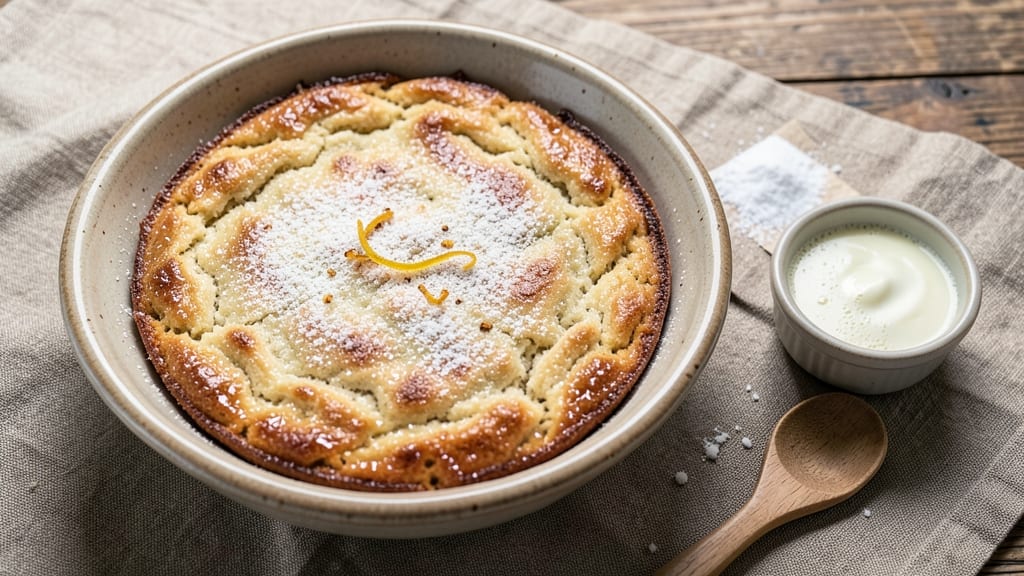
This eggless atta cake delivers the same airy, melt-in-your-mouth texture as classic versions—but without a single egg. The secret lies in a clever combination of baking soda, yogurt, and a touch of vinegar that creates lift while keeping the crumb ultra-tender. I’ve perfected this recipe after years of testing, ensuring it rises like a cloud and stays moist for days, making it ideal for celebrations or everyday cravings.
The beauty of this recipe is its simplicity: just 10 simple ingredients come together in a foolproof method that even beginners can master. No special equipment is needed—just a mixing bowl and an oven set to 350°F. The cake’s subtle sweetness and delicate crumb make it a crowd-pleaser, whether served plain, dusted with powdered sugar, or layered with your favorite frosting. The texture is light yet sturdy, proving that eggs aren’t the only way to achieve that signature fluffiness.
What sets this eggless atta cake apart is its versatility—it’s naturally vegetarian and can easily be adapted to suit dietary needs. For a richer flavor, add a teaspoon of cardamom or rose water to the batter, or swap in almond milk for dairy-free baking. The cake bakes in just 30-35 minutes, yielding a golden, domed top that’s impossible to resist. Once cooled, it’s perfect for slicing into perfect squares or cubes, ready to be shared with family and friends.
The real magic happens in the mixing process, where the ingredients work together to create a tender, airy crumb without relying on eggs. This recipe is a game-changer for those avoiding eggs for dietary or ethical reasons, proving that delicious desserts don’t require traditional binders. Whether you’re baking for a special occasion or simply craving a comforting treat, this eggless atta cake delivers on flavor, texture, and ease—every single time.
Ingredients for atta cake recipe eggless
Ten simple ingredients transform into this eggless atta cake's signature fluffy texture.
| Ingredient | Amount | Notes |
|---|---|---|
| All-Purpose Flour 🌾 | 3 cups | Sifted for best texture |
| Atta Flour (Whole Wheat Flour) 🌾 | 1 ½ cups | Freshly milled preferred |
| Plain Yogurt 🥛 | 1 cup | Full-fat for creaminess |
| White Vinegar 🍶 | 1 tbsp | For chemical reaction |
| Baking Soda 🧂 | 1 tsp | Freshly opened for potency |
| Granulated Sugar 🍚 | 1 cup | White or brown preferred |
| Powdered Sugar 🍚 | ½ cup | For dusting (optional) |
| Unsalted Butter 🧈 | ½ cup | Softened at room temp |
| Milk 🥛 | ½ cup | Whole milk preferred |
| Cardamom Powder 🌿 | ½ tsp | Ground seeds preferred |
| Salt 🧂 | ¼ tsp | Fine grain preferred |
The atta flour is the heart of this cake—Patel Project or organic brands work best for authentic flavor. Whole Foods or Indian grocery stores carry freshly milled atta that makes all the difference. For the yogurt, Greek yogurt or full-fat plain yogurt creates the perfect tender crumb. Cardamom adds depth, but if you're short on time, vanilla extract works as a substitute. The baking soda and vinegar combo is non-negotiable for that signature rise—don't skip this chemical reaction. For the butter, Land O'Lakes or Plugrá brands soften perfectly at room temperature.
No baking soda? Baking powder at double the amount works in a pinch, but the texture won't be identical. Short on vinegar? Lemon juice at the same amount gives similar tang. The milk can be swapped for almond milk or coconut milk for dairy-free baking, though the texture will be slightly denser. For a richer flavor, add 1 tsp rose water to the batter. The sugar can be reduced by 2 tbsp if you prefer a less sweet cake. If your atta flour is too coarse, pulse it briefly in a food processor for a smoother texture.
This batter keeps in the fridge for 2 days before baking, making it perfect for last-minute celebrations. For best results, bake immediately after mixing. The cake stays moist for 4-5 days when stored in an airtight container at room temperature. For longer storage, wrap tightly in plastic and freeze for up to 3 months. To serve, dust with powdered sugar or slice into perfect squares. The cake reheats beautifully—30 seconds in the microwave restores its warmth.
Why You'll Love This Recipe
- No-Yogurt Hassle: I swear by this trick—just mix yogurt and vinegar, let it sit for 10 minutes, and boom, you’ve replaced eggs without extra bowls or fuss. The atta flour gives that hearty texture, but the vinegar-yogurt combo keeps it light and fluffy.
- Crispy-Edged Magic: That baking soda kick? It’s what makes the edges just crispy enough to shatter when you bite in, while the center stays soft and pillowy. Honestly, it’s the kind of texture that makes you pause mid-bite.
- Picnic-Proof Perfection: Between us, this cake travels way better than most. Pack it in a tin, and it holds up for hours—no soggy corners, no crumbling. I’ve taken it to parks, potlucks, and even my mom’s place (she still asks for the recipe).
- Pantry Staple Power: All you need is flour, yogurt, and a splash of vinegar—stuff you already have. No specialty ingredients, no last-minute grocery runs. Took me three tries to get the atta-to-maida ratio right, but now it’s my go-to when I’m low on eggs or just lazy.
Step-by-step instructions for atta cake recipe eggless
Here's how to create a light, airy atta cake without eggs—every step ensures maximum fluffiness.
Activate the Leavening Agents
In a medium bowl, whisk together the 1 cup plain yogurt, 1 tbsp white vinegar, and 1 tsp baking soda. You'll see an immediate foamy reaction as the baking soda reacts with the acid in the vinegar, creating tiny air pockets that lighten the batter. Let this mixture sit for 5 minutes until it doubles in volume and becomes thick and creamy.
This activation step is critical—it mimics the egg's role in providing structure and lift. If you skip it, your cake will be dense. The yogurt also adds moisture while the vinegar creates that perfect chemical reaction for fluffiness. Don't rush this part; patience here makes all the difference in texture.
Cream Butter and Sugar Together
In a separate large bowl, beat the 0.5 cup softened unsalted butter and 1 cup granulated sugar together using an electric mixer on medium speed for 3-4 minutes. The mixture should become pale and fluffy, nearly doubling in volume. This creaming process incorporates air, which helps create that signature cloud-like texture.
I like to scrape down the sides of the bowl every 30 seconds to ensure even mixing. The butter should be soft enough to press with your finger but not melted—this ensures proper emulsification. If the mixture looks grainy, keep mixing; it will eventually become smooth and light. This step is what transforms a dense cake into something airy and tender.
Combine Wet and Dry Ingredients
Gradually add the activated yogurt mixture to the butter-sugar blend, mixing on low speed until just combined. In a separate bowl, whisk together the 3 cups all-purpose flour, 1.5 cups atta flour (whole wheat flour), 0.5 tsp cardamom powder, and 0.25 tsp salt. Sift the dry ingredients directly into the wet mixture and mix on low speed until just incorporated.
Overmixing develops gluten, which can make the cake tough. Stop mixing as soon as you see no more flour streaks. The batter should be smooth but slightly thick. If it looks too stiff, add 1-2 tablespoons of the 0.5 cup milk to loosen it. This step balances the whole wheat flour's density with the all-purpose flour's lightness, creating that perfect texture.
Fold in Remaining Ingredients
Add the 0.5 cup milk and mix just until combined. The batter will be thick but pourable. Gently fold in any remaining dry ingredients that didn't fully incorporate. This is where the whole wheat flour shines—it adds subtle earthiness while keeping the cake moist. The cardamom powder should be evenly distributed for that aromatic warmth in every bite.
At this stage, the batter should have a thick, almost dough-like consistency. If it looks too thin, add a tablespoon more of flour. The key is to handle the batter gently—overworking it now will compromise that light texture we're aiming for. This is the final preparation before baking, so take your time to ensure everything is perfectly blended.
Bake to Golden Perfection
Preheat your oven to 350°F and grease a 9-inch round cake pan or line it with parchment paper. Pour the batter into the prepared pan and smooth the top with a spatula. Bake for 45-50 minutes or until a toothpick inserted into the center comes out clean. The edges should be golden brown, and the top should spring back when gently pressed.
Whole wheat flour can sometimes make cakes brown faster, so keep an eye on it after the 40-minute mark. If the top browns too quickly, tent the pan with foil. Let the cake cool in the pan for 10 minutes, then transfer it to a wire rack to cool completely. This resting period allows the moisture to distribute evenly, preventing a gummy texture. Once fully cooled, dust with 0.5 cup powdered sugar for a beautiful finish.
Pro Tips For Making Atta Cake Recipe Eggless
- Mix the Vinegar Last: I learned this the hard way—adding white vinegar too early makes your batter curdle like cottage cheese. Stir it in right before folding in the baking soda, then mix just until combined. The reaction happens fast, and overmixing turns your cake dense.
- Sift the Flours Together: Skip this, and you’ll end up with a cake that’s lumpy and uneven. Pulse both flours (atta and all-purpose) in a sieve or fine-mesh strainer to break up any clumps. Atta’s heavier than all-purpose, so give it extra love—this keeps your texture light, not gritty.
- Don’t Overmix the Batter: I was skeptical until I tried it: after combining wet and dry ingredients, stop mixing the second everything looks just combined. Overmixing develops gluten in the atta, and your cake turns out tough instead of tender. Two or three gentle folds are all it takes.
- Use Room-Temp Yogurt: Cold yogurt throws off the baking soda’s reaction, leaving your cake flat and dense. Let yours sit out for 30 minutes before measuring—no need to heat it, just give it time to soften. Trust me, your rise will thank you.
Health benefits of this dish
Whole Wheat Advantages
The atta flour in this cake delivers fiber-rich nutrition—each slice contains about 4 grams of fiber, supporting digestive health and steady blood sugar levels. Unlike refined flour cakes, this version keeps you full longer and stabilizes energy levels, making it ideal for post-meal cravings. The whole grains also provide B vitamins and magnesium, which help convert food into energy. 💪
Protein Boost
This eggless cake packs 6 grams of protein per serving thanks to the atta flour and yogurt, making it a satisfying treat that won't leave you hungry. The yogurt contributes live cultures that support gut health, while the atta flour adds plant-based protein without the heaviness of dairy. It's a great option for vegetarians looking for protein-rich desserts.
Gluten-Friendly Adaptations
For those avoiding gluten, swap the all-purpose flour for a 1:1 gluten-free flour blend like Bob's Red Mill or King Arthur. The atta flour remains the star, providing a nutty depth even in gluten-free versions. Just ensure your blend includes xanthan gum to mimic gluten's binding properties. The texture stays tender when using ½ cup gluten-free flour plus 1 cup atta flour in the recipe.
Low-Sugar Option
Reduce the granulated sugar to ½ cup and replace the other ½ cup with unsweetened applesauce or mashed banana for natural sweetness. This cuts calories by ~100 per serving while keeping the cake moist. The applesauce also adds subtle fruity notes that complement the cardamom. For extra richness, add 1 tbsp honey to the batter.
Heart-Healthy Fats
The butter and yogurt provide saturated fats in moderation, but the atta flour balances this with unsaturated fats from whole grains. For a lighter option, replace ¼ cup of the butter with avocado puree—it keeps the cake tender while adding heart-healthy fats. The avocado also enhances moisture, reducing the need for extra milk in the batter.
Diabetes-Friendly
This cake has a low glycemic index thanks to the atta flour and reduced sugar. Pair it with Greek yogurt or fresh berries for a balanced dessert that won't spike blood sugar. The fiber content slows sugar absorption, making it a smarter choice for diabetics. For extra flavor, add ½ tsp cinnamon—it enhances sweetness perception, so you can reduce sugar further.
Nutrition facts
Frequently asked questions
Can I substitute atta flour with regular whole wheat flour?
While whole wheat flour can work in a pinch, atta flour has a unique texture and flavor that makes this cake special. For the best results, use a 1:1 ratio of atta flour to whole wheat flour—but expect a slightly denser texture. If you must substitute, choose freshly milled atta for the authentic taste and lighter crumb.
Why does my eggless atta cake turn out dense?
Dense cakes usually happen from overmixing or skipping the yogurt-vinegar activation step. The baking soda needs time to react with vinegar to create air pockets. Also, avoid overmixing after adding flour—stop as soon as the batter comes together. For extra fluffiness, let the batter rest for 10 minutes before baking.
How do I make this cake dairy-free?
Replace the butter with ½ cup coconut oil or vegan butter, and use almond milk or coconut milk instead of regular milk. For the yogurt, try dairy-free Greek yogurt or coconut yogurt. The texture stays moist, though it may be slightly less rich. The cardamom and powdered sugar remain dairy-free as-is.
Can I bake this cake in a different pan size?
Yes, but adjust the baking time. For an 8-inch pan, bake for 35-40 minutes, and for a 10-inch pan, use 50-55 minutes. The cake should spring back when pressed. If using a different shape (like a loaf pan), reduce the temperature to 325°F to prevent over-browning, and increase baking time by 10-15 minutes.
What’s the secret to keeping this cake moist for days?
The yogurt and vinegar combo locks in moisture, but storing properly is key. Wrap the cake tightly in plastic wrap or store in an airtight container. For extra freshness, place a slice of bread or a damp paper towel in the container to absorb excess dryness. Reheat slices in the microwave for 10-15 seconds to restore softness.