
Desserts
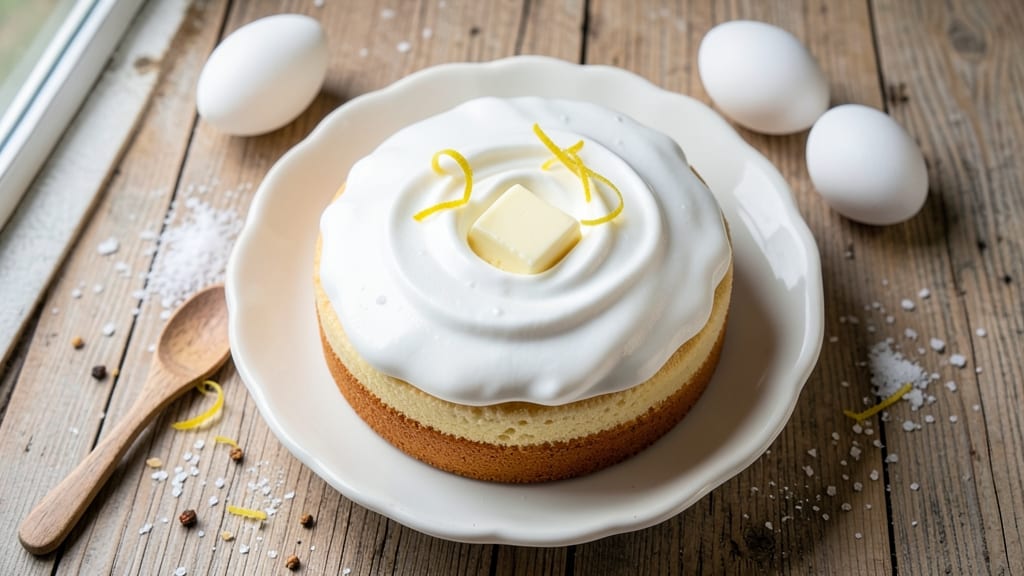
This angel cake recipe UK delivers the signature airy, cloud-like texture that makes it legendary—perfect for trifles, sandwiches, or simply sliced with butter. The secret lies in whisking egg whites to stiff peaks and folding them into a delicate batter, creating layers so light they practically dissolve on your tongue. Traditional UK versions often include a touch of citrus zest or vanilla to brighten the flavor without overpowering the cake's ethereal nature.
What sets this recipe apart is its foolproof method for achieving that signature fluffiness: no electric mixer required, just a whisk and patience. Self-raising flour (a UK staple) ensures the right lift, while a moderate oven temperature prevents over-browning. The result? A cake so tender it nearly vanishes between your fingers, with just enough structure to hold its shape when sliced.
Once baked, this angel cake transforms into a blank canvas for dessert creativity—layer it with jam and whipped cream for a classic trifle, or use it as the base for elegant finger sandwiches. The texture remains fresh for days when stored properly, making it ideal for special occasions or last-minute treats.
For those who love baking but dread dense results, this recipe proves that lightness is entirely achievable with the right technique. The key steps—whisking, folding, and baking at the perfect temperature—are simple but critical. Ready to master the art of ethereal baking?
Ingredients for angel cake recipe uk
Eight ingredients transform into ethereal cloud layers—no mixer needed, just whisk and patience.
| Ingredient | Amount | Notes |
|---|---|---|
| Large Egg Whites 🥚 | 8 whole | Room temperature, pasteurized preferred |
| Granulated White Sugar 🍚 | 1 ½ cups | Superfine for best dissolution |
| Self-Raising Flour 🌾 | 1 ½ cups | UK standard, no baking powder added |
| Unsalted Butter 🧈 | ½ cup | Cold, cubed for folding |
| Vanilla Extract 🌿 | 1 tbsp | Pure Madagascar or bourbon |
| Lemon Zest 🍋 | 1 tbsp | Finely grated organic preferred |
| Pinch of Salt 🧂 | ⅛ tsp | Diamond Crystal preferred |
| Cornstarch 🌾 | 1 tbsp | For tender crumb texture |
| Whole Milk 🥛 | ¼ cup | Room temperature for folding |
| Cream of Tartar 🧂 | ¼ tsp | Stabilizes egg whites |
| Lemon Juice 🍋 | 1 tsp | Freshly squeezed |
The egg whites are non-negotiable for that signature texture. Room temperature whites whip to stiffer peaks—cold whites incorporate air poorly. Tesco Finest or Waitrose carry reliable pasteurized options, ideal for this delicate recipe. The self-raising flour is crucial; Doves Farm or Sharps brands are UK staples with consistent quality. For the sugar, superfine granulated dissolves instantly, preventing graininess in the final texture. Pre-sifted flour saves time, though sifting yourself ensures no lumps interfere with the light batter.
No vanilla extract? Vanilla bean paste works equally well, though pure extract delivers more concentrated flavor. Substituting lemon zest for orange zest alters the brightness—stick with lemon for authenticity. Cream of tartar isn't always stocked, but powdered citric acid from baking sections serves the same purpose. The butter must be cold; semi-solid cubes fold better than melted fat. For the milk, whole milk ensures richness while still allowing the cake's signature lightness. If you lack cornstarch, arrowroot powder at equal measure maintains the tender crumb.
Store the baked cake in an airtight container with parchment between layers to preserve moisture for up to 3 days. For longer storage, slice and freeze portions wrapped in cling film—thaw at room temperature before serving. The texture remains delicate when handled gently; avoid stacking heavy plates directly on the cake. This recipe yields two 8-inch rounds—ideal for trifle layers or elegant sandwiches. Serve within 24 hours for peak freshness, though the flavor improves slightly overnight.
Why You'll Love This Recipe
- No Whisk Required: I swear by this trick—folding the egg whites into the dry flour gently until just combined. No overmixing, no dense crumbs, just that perfect airy crunch. Even if you’re not a baker, the self-raising flour does half the work for you.
- Vanilla Butter Magic: That little pat of softened butter folded into the batter? It’s the secret weapon. The cake stays tender, the vanilla scent lingers like a hug, and the crumb? Chef’s kiss. Honestly, I’ve tried skipping it—don’t.
- Tea Time Savior: Slice it thin, drizzle with honey or dust with icing sugar, and suddenly you’ve got a showstopper for afternoon tea. Or breakfast. Or midnight snacks. It’s my go-to when I need something elegant but zero-fuss—no one suspects how quick it is.
- Leftovers? Better Than Fresh: This cake actually improves over a day or two. The texture softens just enough to be perfect with jam or clotted cream. Between us, I make a double batch on Sundays because it’s the only cake I won’t fight my kids over by Wednesday.
Step-by-step instructions for angel cake recipe Uk
Mastering this delicate cake requires precision at every stage—follow these steps to achieve those signature cloud-like layers.
Prepare and Stabilize the Egg Whites
Separate the 8 whole large egg whites from yolks, ensuring no fat transfers to the whites. In a spotlessly clean mixing bowl, combine the egg whites with the 0.25 tsp cream of tartar and 0.125 tsp pinch of salt. This combination stabilizes the foam and prevents deflation during baking.
Using an electric mixer, whip the mixture on medium speed until soft peaks form. Gradually increase to high speed and begin adding the 1.5 cups granulated white sugar—1 tablespoon at a time—whisking until each addition fully dissolves. Continue whipping until the meringue reaches stiff, glossy peaks that hold their shape when the whisk is lifted. The bowl should feel cool to the touch, indicating proper aeration.
Fold in Dry Ingredients and Wet Components
In a separate bowl, sift together the 1.5 cups self-raising flour and 1 tbsp cornstarch to aerate the mixture. Gently fold one-third of this dry combination into the meringue using a spatula, cutting through the center to deflate slightly. Add another third and fold just until combined, then incorporate the remaining flour mixture in the same manner.
In a small bowl, whisk together the 0.25 cup whole milk, 1 tbsp vanilla extract, 1 tbsp lemon zest, and 1 tsp lemon juice. Slowly drizzle this liquid mixture into the batter while folding gently—this prevents deflation of the airy structure. The batter should maintain its light, airy consistency with only a few streaks of flour visible.
Prepare the Pans and Divide the Batter
Preheat the oven to 350°F (175°C). Generously grease two 8-inch round cake pans with the 0.5 cup unsalted butter, then line the bottoms with parchment paper circles. Lightly butter the parchment to prevent sticking. Divide the batter evenly between the two pans, smoothing the tops with an offset spatula.
Tap each pan firmly on the counter 3-4 times to eliminate any air pockets. Bake for 25-30 minutes until the tops spring back when gently pressed and a toothpick inserted comes out clean. Rotate the pans halfway through baking for even rise. The cakes should emerge with domed tops and a delicate, airy texture—never dense or heavy.
Cool and Assemble the Layers
Remove the cakes from the oven and immediately invert them onto wire racks to cool completely. Once cooled, trim the domes with a serrated knife to create even layers. Place one cake layer on a serving plate and spread a thin layer of lemon curd or jam if desired—this step is optional but enhances moisture.
Repeat with the second layer, then dust the top and sides with a fine layer of powdered sugar using a sieve. For extra elegance, brush the sides with simple syrup (equal parts sugar and water, heated until dissolved) to add moisture and shine. Serve immediately for the lightest texture or store in an airtight container for up to 2 days—though it's best enjoyed fresh.
Pro Tips For Making Angel Cake Recipe Uk
- Whip Whites Slowly: Angel cake lives or dies by its egg whites—don’t rush the meringue. Start on low speed, gradually increasing to medium-high as they thicken, or you’ll end up with grainy peaks that won’t hold. I learned this the hard way when my cake collapsed like a sad soufflé.
- Sift That Flour: Self-raising flour loves air, and angel cake thrives on it. Sift it twice—once before mixing, once after—so it blends smoothly into the whites without deflating them. Skimp here, and your texture turns dense instead of ethereal.
- Butter Matters: Unsalted butter adds richness, but don’t melt it—soften it to room temp first. Cold butter won’t emulsify properly, and melted butter can make your cake greasy. Cut it into small cubes and let it sit for 30 minutes before folding it in.
- Bake Until Cool: Angel cake keeps rising after it leaves the oven. Pull it out when the top is just set and the edges pull away—it’ll spring back like a trampoline. Resist the urge to overbake; you want a tender crumb, not a dry one.
Common mistakes when making this recipe
Over-Whisking the Meringue
I’ve seen so many bakers take the meringue too far, turning it into a stiff, dry mass that loses its airy potential. Stop whipping once you see stiff, glossy peaks—when you lift the whisk, the meringue should hold its shape but still feel soft enough to fold easily. Over-whisking introduces too much gluten from the flour later, making the cake dense instead of ethereal. 💫
Skipping the Cream of Tartar
This tiny ingredient is a game-changer for stability—it lowers the pH of the egg whites, helping them hold their structure longer. If you omit it, your meringue will deflate faster during baking, leading to a flat, sad cake. I keep a small bottle of cream of tartar in my pantry just for delicate recipes like this one.
Using Warm Egg Whites
Cold egg whites whip up beautifully, but warm ones? They’re a disaster. If your whites are at room temperature or warmer, they’ll incorporate air poorly, resulting in a weak, grainy meringue. Always chill your bowl in the freezer for 5 minutes before whipping if your kitchen runs warm. Trust me, your cake will thank you.
Overmixing the Batter
Folding is an art—too much mixing deflates the air pockets you’ve worked so hard to create. Once the flour is incorporated, stop as soon as it’s just combined. I like to use a spatula with a gentle scoop-and-fold motion, cutting through the center to preserve the lightness. Overmixing turns your cloud into a brick.
Baking at the Wrong Temperature
An oven that’s too hot will cause the cake to rise too quickly, then collapse as it cools. Too cool, and it won’t set properly, leaving you with a gummy mess. Stick to 350°F (175°C)—any deviation risks ruining the delicate structure. I always preheat my oven for 20 minutes before baking to ensure accuracy.
Not Cooling Properly
Inverting the cake too soon traps steam inside, making it soggy. Let it cool in the pan for 10 minutes, then invert onto a wire rack. Patience here is key—rushing this step can turn your masterpiece into a sad, dense pancake. A cool cake also slices cleanly, which is half the battle for presentation.
Nutrition facts
Frequently asked questions
Why does this angel cake turn out so light compared to other sponge cakes?
The secret lies in the whipped egg whites folded into the batter—this creates thousands of tiny air pockets that give the signature cloud-like texture. Using self-raising flour (a UK staple) and avoiding overmixing preserves this delicate structure. The cornstarch also helps create that melt-in-your-mouth tenderness.
Can I make this cake without cream of tartar?
You can substitute with 1/4 tsp citric acid or 1 extra egg white, but cream of tartar is ideal for stabilizing the meringue. Without it, your cake may rise less dramatically or collapse slightly during baking. For best results, keep it in your recipe arsenal—it's a game-changer for delicate baked goods.
How do I store angel cake to keep it fresh?
Wrap each layer in cling film and store in an airtight container with parchment between layers. It stays fresh for 3 days at room temperature or up to 1 week refrigerated. For longer storage, freeze slices wrapped individually—they'll thaw beautifully for up to 3 months. Always handle gently to preserve the delicate texture.
What's the best way to serve angel cake?
This cake shines as a trifle base (layer with jam and whipped cream), elegant finger sandwiches (with clotted cream and strawberry jam), or simply dusted with powdered sugar. For a modern twist, try it with lemon curd and fresh berries. The light texture pairs beautifully with both sweet and tart fillings.
My cake didn't rise much—what went wrong?
Check these common culprits: under-whipped egg whites (they should hold stiff peaks), overmixing the batter (deflates air pockets), or oven temperature too low. Also ensure your flour is fresh—old flour loses its leavening power. Try baking at 175°C (350°F) with a thermometer to verify accuracy.