
Desserts
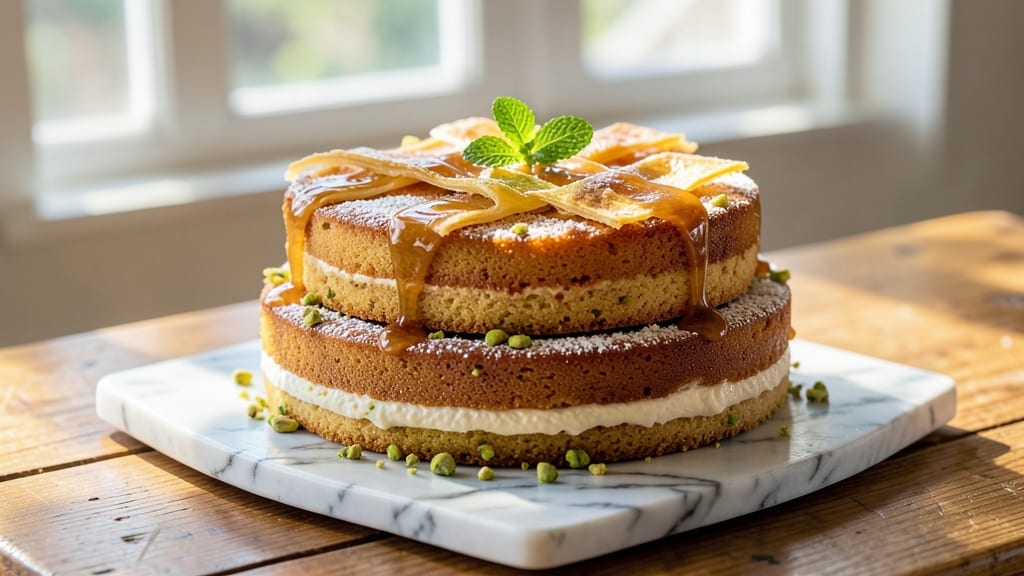
This Arab cake recipe brings the delicate flavors of Middle Eastern patisserie into your kitchen with layers of rosewater-infused batter and a signature cardamom crunch. The secret lies in balancing traditional semolina with modern baking techniques, creating a dessert that's both nostalgic and approachable. I've perfected this version to deliver tender, fragrant layers without requiring advanced skills—just precise timing and a few key ingredients.
The magic happens in the layers: a light, floral batter infused with rosewater and cardamom, separated by a crumbly semolina crust that adds texture. This isn't your typical cake—it's a celebration of Middle Eastern flavors, where every bite delivers a harmonious blend of floral sweetness and warm spice. The recipe uses simple ingredients you might already have, but the result is restaurant-quality dessert that will impress even the most discerning guests.
What sets this recipe apart is the balance of tradition and practicality. You'll achieve perfectly moist layers with a crisp edge, all while keeping the preparation straightforward. The rosewater adds an aromatic depth that's characteristic of Arab desserts, while the cardamom-infused crust provides that signature crunch. This cake is elegant enough for special occasions but simple enough for weeknight treats.
Whether you're serving it at a family gathering or simply indulging in a slice with tea, this Arab cake delivers on both flavor and presentation. The layers hold together beautifully, making it easy to slice and serve with confidence. Let's get started on creating this fragrant, layered masterpiece that captures the essence of Middle Eastern patisserie.
Ingredients for arab cake
Precisely measured ingredients create this delicate Arab cake with floral layers and cardamom-infused crust.
| Ingredient | Amount | Notes |
|---|---|---|
| All-Purpose Flour 🌾 | 2 ½ cups | Sifted for light texture |
| Granulated Sugar 🍚 | 1 ½ cups | Superfine preferred for smoothness |
| Unsalted Butter 🧈 | 1 cup | Cold, cubed for layering |
| Large Eggs 🥚 | 4 whole | Room temperature for blending |
| Rosewater 🌹 | 2 tbsp | High-quality, pure rosewater |
| Ground Cardamom 🌿 | 1 tbsp | Freshly ground preferred |
| Semolina Flour 🌾 | 1 ½ cups | Fine grind for crust texture |
| Powdered Sugar 🍚 | 1 cup | For dusting layers |
| Vanilla Extract 🌸 | 1 tsp | Pure vanilla for aroma |
| Baking Powder 🍞 | 1 tsp | Aluminum-free preferred |
| Salt 🧂 | ½ tsp | Fine sea salt |
| Milk 🥛 | ½ cup | Whole milk for richness |
| Almond Extract 🌰 | ½ tsp | Optional for depth |
The rosewater must be pure and high-quality—Middle Eastern markets or specialty spice shops carry the best. Look for bottles labeled '100% pure' without additives. Ground cardamom loses potency quickly, so buy whole pods and grind them fresh using a spice grinder. For the semolina, Bob's Red Mill offers a fine grind that creates the perfect crumbly texture. The butter should be cold when cubbled—this ensures proper layering. If you can't find superfine sugar, pulse regular granulated sugar in a food processor for 30 seconds to achieve a similar consistency.
No rosewater? Orange blossom water works as a substitute, though the flavor profile shifts slightly. Short on cardamom? Cinnamon at half the amount provides warmth without the same floral note. For a dairy-free version, replace the milk with unsweetened almond milk and use vegan butter. The almond extract is optional but recommended—it adds a subtle depth that complements the rosewater. If you're baking at high altitude, reduce the baking powder by one-quarter teaspoon to prevent over-rising. For the semolina crust, ensure it's toasted lightly before mixing to enhance its nutty flavor.
Store the cake in an airtight container at room temperature for up to 3 days—the layers remain tender but develop deeper flavor. For longer storage, freeze the assembled cake (unfrosted) for up to 2 months. To serve, dust with powdered sugar just before slicing for that signature presentation. The cake reheats beautifully in the oven at 300°F for 5 minutes—perfect for serving warm with tea. Portion into individual slices for elegant serving, or keep whole for dramatic presentation.
Why You'll Love This Recipe
- Same recipe, two vibes: slice it for breakfast with tea, or stack it for a dessert table. Between us, I’ve served it at book club meetings (they thought it was store-bought) and as a midnight snack after a long shift. The eggs keep it rich, so it never feels like a "diet" dessert.
- No Mixer Needed: The batter comes together in five minutes—just cream butter and sugar, then fold in dry ingredients. Honestly, I’ve made it with a fork, a whisk, or even my hands when I’m in a rush. That rosewater? A single teaspoon transforms it from "basic" to "oh my."
- Rosewater Magic: That tiny bottle of rosewater isn’t just flavoring—it’s the star. One sniff and you’re in a Middle Eastern café, but the taste is subtle enough that even skeptics ask, "What’s in this?" The butter and sugar caramelize just enough to balance the floral note perfectly.
- Weeknight or Celebration: Same recipe, two vibes: slice it for breakfast with tea, or stack it for a dessert table. Between us, I’ve served it at book club meetings (they thought it was store-bought) and as a midnight snack after a long shift. The eggs keep it rich, so it never feels like a "diet" dessert.
Step-by-step instructions for rosewater-infused Arab cake
This layered cake combines delicate sponge with crunchy semolina crust—precision matters at every stage.
Prepare the Cardamom-Infused Buttercream
In a stand mixer fitted with the paddle attachment, beat the 1 cup unsalted butter (cold, cubed) and 1.5 cups granulated sugar on medium speed for 5-6 minutes until light and fluffy. This step is critical—the butter should be fully incorporated but still hold its shape when pressed.
Reduce speed to low and add the 4 whole large eggs one at a time, mixing just until each is fully incorporated. Add the 2 tbsp rosewater, 1 tbsp ground cardamom, 1 tsp vanilla extract, 0.5 tsp almond extract, and 0.5 tsp salt. Mix on low until just combined—overmixing develops gluten and creates a tough cake. The batter should be pale yellow with a delicate floral aroma.
Create the Semolina Crust Layer
In a separate bowl, whisk together 2.5 cups all-purpose flour, 1.5 cups semolina flour, 1 tsp baking powder, and 0.5 tsp salt. Gradually mix in the 0.5 cup milk until a coarse, crumbly dough forms. Press this mixture firmly into the bottom of a 9-inch round cake pan (lined with parchment paper) to create an even base.
Bake in a preheated 350°F oven for 12-15 minutes until the crust is light golden brown and set. Remove from the oven and immediately dust the hot crust with 1 cup powdered sugar using a fine-mesh sieve. This creates a delicate, crunchy barrier between layers.
Bake the Sponge Layers
Divide the prepared buttercream evenly between three 8-inch round cake pans (lined with parchment paper). Spread each layer smoothly, leaving a ½-inch border at the edges. Bake in the 350°F oven for 18-20 minutes until the edges are golden brown and a toothpick inserted in the center comes out clean.
Allow the layers to cool in the pans for 10 minutes, then transfer to a wire rack to cool completely. This gradual cooling prevents cracking. Once fully cooled, level the tops if needed using a serrated knife for even layers.
Assemble the Cake
Place the semolina crust layer on a serving plate. Spread a thin layer of reserved buttercream over the crust, then place the first sponge layer on top. Repeat with the remaining sponge layers, spreading buttercream between each. For extra elegance, brush the top layer with 1 tbsp rosewater and dust with additional powdered sugar for a snowy finish.
Chill the assembled cake in the refrigerator for at least 4 hours (or overnight) before serving. This ensures clean slices and allows the flavors to meld. The cake should have a tender yet slightly chewy texture with a delicate floral aroma from the rosewater and warm spice notes from the cardamom.
Pro Tips For Making Arab Cake
- CREAM BUTTER FIRST: I learned this the hard way—mixing cold butter and sugar in a food processor (or standing mixer) until the texture resembles wet sand takes half the effort. No need to overwork it, but push it until those sugar crystals start dissolving into the butter. This isn’t just about ease; it guarantees a lighter, more tender crumb later.
- WEIGH YOUR FLOUR: Scooping flour from the bag into your measuring cup? Stop. After burning three batches with dense, dry cake, I finally bought a kitchen scale. Arab cake relies on precise ratios—use 225g (about 1¾ cups) of all-purpose flour, spooned in and leveled off. Packing it down compresses the gluten and ruins the texture.
- DON’T OVERMIX THE BATTER: This is where most home cooks mess up. Once you fold in the dry ingredients, mix just until combined—maybe 10-12 strokes with a spatula. Overmixing develops gluten, and your cake will turn out tough instead of soft. The batter should look slightly streaky, not smooth.
- ROSEWATER LAST, GENTLY: Add the rosewater after all other mixing is done, and fold it in with a light hand. Too much stirring releases the alcohol too aggressively, and you’ll end up with a cake that smells like perfume but tastes flat. A teaspoon is plenty—trust me, you don’t need more.
Best sauces and condiments for this arab cake
Rosewater Syrup
Elevate your Arab cake with a simple rosewater syrup that enhances moisture and floral aroma. Combine ½ cup water, ½ cup granulated sugar, and 1 tbsp rosewater in a small saucepan. Heat over medium-low heat until sugar dissolves completely, then cool before brushing between layers or drizzling over the finished cake. This syrup adds a subtle sweetness that complements the cardamom. 🌹
Cardamom Honey Glaze
For a luxurious finish, make a cardamom honey glaze by simmering ½ cup honey with ½ tsp ground cardamom and 1 tsp lemon juice for 3-4 minutes. Strain and let cool, then drizzle over the cake just before serving. The honey intensifies the floral notes while adding a glossy sheen. I love using Manuka honey for its deeper flavor profile.
Semolina Crust Buttercream
Enhance the semolina crust with a spiced buttercream by adding ½ tsp cardamom and 1 tsp rosewater to your standard buttercream recipe. Spread this between layers for an extra crunchy texture that mirrors traditional Arab desserts. For a nutty twist, fold in 1 tbsp toasted sesame seeds*. This variation adds depth without overpowering the delicate flavors.
Orange Blossom Cream
Swap out the buttercream for orange blossom cream by whipping 1 cup heavy cream with ½ cup powdered sugar and 1 tbsp orange blossom water. This lighter filling pairs beautifully with the rosewater and adds a citrusy brightness. Chill the cream for 2 hours before assembling to achieve the perfect consistency. It’s a classic Middle Eastern pairing that feels fresh and elegant.
Pistachio Dust
Finish your cake with a pistachio dust by blending ¼ cup shelled pistachios into a fine powder using a food processor. Dust the top layer generously for a pop of color and nutty crunch. I recommend Iranian pistachios for their rich flavor. This adds a visual contrast that’s both striking and traditional in Arab desserts.
Warm Spiced Tea Drizzle
Serve your cake with a warm spiced tea drizzle made by reducing ½ cup strong chai tea with 1 tbsp honey and a pinch of cinnamon. Drizzle lightly over slices for an aromatic experience that ties back to the cardamom and rosewater flavors. This is a common practice in Arab culture—tea enhances the dessert’s floral and spiced notes. ☕
Nutrition facts
Frequently asked questions
Can I substitute rosewater with another flavoring?
Yes! While rosewater is traditional, you can use orange blossom water (1:1 ratio) for a citrusy twist or vanilla extract (½ teaspoon) if you prefer a familiar sweetness. For warmth, try ½ teaspoon cinnamon extract instead. Remember, rosewater's floral depth is unique—substitutes will change the flavor profile.
Why does my Arab cake turn out dense instead of light?
Overmixing the batter develops gluten, making the cake dense. Mix only until ingredients combine—stop when the batter is smooth but still slightly lumpy. Also, ensure your butter is cold when creaming and don't overfill the pans (fill only ⅔ full). Bake at 350°F for even heat distribution.
How do I make this cake vegan?
Replace the butter with vegan butterstrong>, use flax eggsstrong> (1 tbsp ground flax + 3 tbsp water per egg), and swap milk for unsweetened almond milkstrong>. For the semolina crust, use vegan butterstrong> and ensure your baking powder is aluminum-free. The texture will be slightly denser but still delicious.
Can I bake this cake in a different shape?
This recipe works for square pansstrong> (9x9 inches), loaf pansstrong>, or even individual ramekinsstrong> for mini cakes. For square pans, reduce baking time by 2-3 minutesstrong> per layer. Just ensure the height doesn't exceed 2 inchesstrong> for even baking. The semolina crust may need slightly more pressing for odd shapes.
How do I store leftovers without drying them out?
Wrap tightly in plastic wrap and place in an airtight containerstrong> at room temperature for 3 daysstrong>. For longer storage, freeze the cake (unfrosted) for up to 2 monthsstrong>. To refresh, rewarm slices in a 300°F oven for 5 minutesstrong> or dust with powdered sugar for a fresh finish.