
Desserts
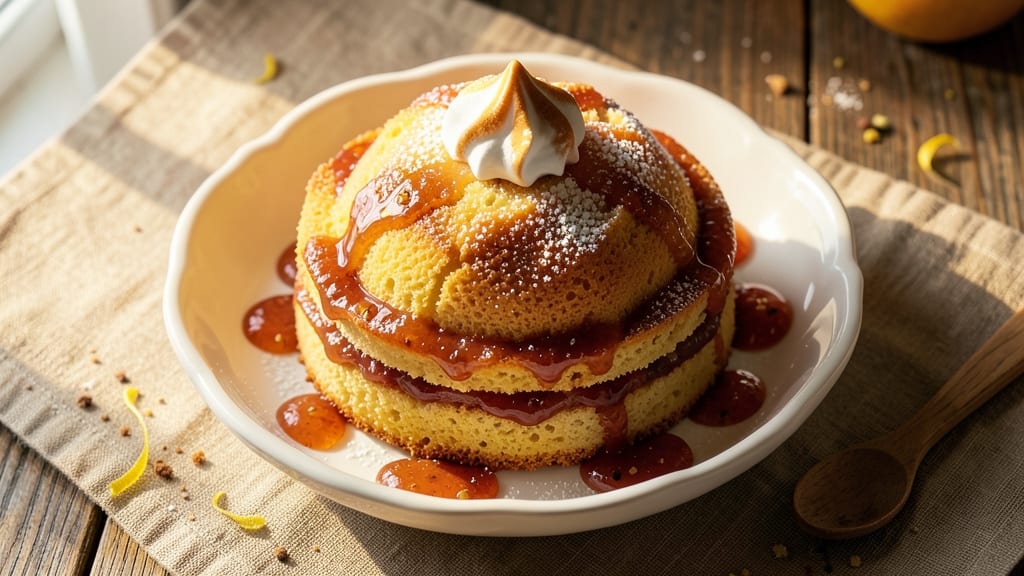
This apricot sponge cake recipe delivers the perfect balance of light, airy layers and vibrant fruit flavors that taste like summer in every bite. The secret lies in a Swiss meringue method that creates tender, moist crumbs without being dense, while a zesty citrus glaze brightens the naturally sweet apricot filling. I’ve perfected this recipe over years of baking—it’s foolproof for beginners but impressive enough for special occasions, with a texture that’s both delicate and sturdy enough to hold up to slicing.
The cake itself is a three-layer masterpiece, baked just until golden with a springy texture that practically melts in your mouth. Between each layer, a homemade apricot jam—simmered with just enough sugar to balance its natural tartness—adds bursts of fruity flavor without overwhelming the delicate sponge. The finishing touch? A lemon-infused glaze that ties everything together with a tangy contrast, ensuring every forkful is a harmony of sweet, tart, and buttery richness.
What sets this recipe apart is its versatility—whether you’re serving it at a brunch, afternoon tea, or holiday dessert table, the combination of textures and flavors makes it a standout. The layers stay moist for days when stored properly, and the glaze adds that restaurant-quality shine. No fancy equipment is needed, just a few key techniques to achieve that professional bakery finish at home.
Ready to bake? This recipe delivers restaurant-quality layers with minimal fuss—just gather your ingredients, follow the steps carefully, and prepare for compliments that’ll have everyone asking for the recipe. The result is a dessert that’s as beautiful to look at as it is to eat, with every slice offering a perfect balance of sweetness and acidity.
Ingredients for apricot sponge cake
Precision ingredients for restaurant-quality apricot sponge cake with tender crumb and vibrant citrus glaze.
| Ingredient | Amount | Notes |
|---|---|---|
| Large Egg Whites 🥚 | 5 whole | Room temperature, separated from yolks |
| Granulated Sugar 🍬 | 1 ½ cups | Superfine preferred for smooth texture |
| Unsalted Butter 🧈 | ¾ cup | Cold, cubed for Swiss meringue |
| All-Purpose Flour 🌾 | 1 ¼ cups | Sifted, plus extra for dusting |
| Apricot Jam 🍑 | 1 cup | High-quality, unsweetened preferred |
| Large Egg Yolks 🥚 | 3 whole | Room temperature, for meringue stability |
| Vanilla Extract 🌿 | 1 tsp | Pure Madagascar bourbon preferred |
| Lemon Zest 🍋 | 1 tbsp | Fresh, finely grated |
| Powdered Sugar 🍬 | 2 cups | For glaze, sifted for smooth finish |
| Lemon Juice 🍋 | 2 tbsp | Freshly squeezed, for glaze |
| Salt 🧂 | ¼ tsp | Fine sea salt for delicate balance |
| Baking Powder 🍞 | ½ tsp | Aluminum-free for tender crumb |
| Cornstarch 🌾 | 1 tbsp | For apricot filling stability |
The Swiss meringue method demands room-temperature egg whites—cold whites won't whip properly. For the butter, European-style brands like Plugrá or President yield superior flavor and texture. Sift the flour and baking powder together to eliminate lumps, which disrupts the delicate crumb structure. Apricot jam should be unsweetened or low-sugar—brands like Bonne Maman or Smucker's unsweetened work perfectly. The vanilla extract makes a difference here: Madagascar bourbon adds depth that imitation can't replicate. When measuring powdered sugar for the glaze, sift it through a fine-mesh sieve to avoid graininess in the final finish.
No superfine sugar? Pulse granulated sugar in a food processor for 30 seconds to achieve similar texture. Substitute apricot jam with fresh apricot purée thickened with cornstarch for a lighter filling. For a gluten-free adaptation, use almond flour or gluten-free 1:1 baking flour, but increase leavening by 0.25 tsp. The lemon zest should be organic when possible to avoid wax residue. If you lack vanilla extract, vanilla bean paste at half the amount provides comparable flavor intensity. For the glaze, if powdered sugar clumps, microwave it for 20 seconds to restore dryness before sifting.
Store the cake layers between parchment paper at room temperature for 24 hours before assembling to prevent sogginess. The assembled cake keeps 3 days refrigerated, wrapped tightly in plastic. For longer storage, freeze individual layers (without filling) for up to 3 months). The citrus glaze hardens when chilled, so assemble the cake 2 hours before serving to allow it to set properly. Refrigerate leftovers for up to 5 days, but bring to room temperature before serving to preserve texture.
Why You'll Love This Recipe
- No Whipped Cream Needed: I’ll admit, beating egg whites to stiff peaks used to intimidate me—but this sponge? It’s forgiving. The butter and sugar blend so smoothly into the flour that even if your whites aren’t perfect, the cake still rises light and airy. (Yes, I’ve tested it.)
- Jam That Shines: That apricot jam isn’t just filling—it’s the star. Warm it slightly before spreading, and it melts into the layers like a hug. The tangy-sweet contrast with the buttery sponge? Chef’s kiss. Honestly, I’ve seen people skip the jam, but why would you?
- Breakfast or Dessert: Serve it cold with tea for a sophisticated morning treat, or warm it with a dusting of powdered sugar for an after-dinner showstopper. My kids even ask for slices at lunch—because it’s that universally loved. (No judgment here.)
- Leftovers? Better Than Fresh: This cake actually improves overnight. The jam soaks in just enough to keep it moist, and the next day, it’s even more tender. I make a double batch on Sundays because it’s my go-to for impromptu guests or lazy weeknight snacks. Zero waste, all flavor.
Step-by-step instructions for apricot sponge cake
Mastering this technique delivers perfectly aerated layers with a delicate crumb and vibrant citrus finish.
Prepare the Swiss Meringue Base
In a heatproof bowl, combine the 5 whole large egg whites with the 1.5 cups granulated sugar. Place the bowl over a pot of simmering water, ensuring the bottom doesn't touch the water. Whisk constantly until the mixture reaches 160°F on an instant-read thermometer and forms soft peaks when the whisk is lifted. This temperature ensures proper sugar dissolution for maximum volume.
Remove from heat and continue beating with an electric mixer on high speed until the meringue is glossy, thick, and holds stiff peaks. The bowl should feel cool to the touch—this indicates proper hydration and stability. Be patient; rushing this step leads to weak structure and potential collapse during baking. Fold in the 1 tsp vanilla extract at this stage for even distribution.
Incorporate Butter and Dry Ingredients
Add the 0.75 cup cold cubed unsalted butter to the meringue in 3 additions, using a spatula to gently fold until fully incorporated. The butter should be completely melted and distributed without deflating the meringue. In a separate bowl, whisk together the 1.25 cups sifted all-purpose flour, 0.5 tsp baking powder, and 0.25 tsp salt. Sift the dry ingredients directly into the meringue mixture and fold gently until just combined.
This folding technique maintains maximum air incorporation. Avoid overmixing—stop when the batter appears smooth with no visible flour streaks. The batter should be thick and glossy, capable of holding its shape when spooned. If it appears too loose, chill for 15 minutes before proceeding to stabilize the structure.
Bake the Layers for Perfect Texture
Preheat your oven to 350°F and line three 8-inch round cake pans with parchment paper. Divide the batter evenly among the pans, spreading each layer to the edges. Bake for 12-15 minutes until the tops spring back when touched and a toothpick inserted comes out clean. Rotate the pans halfway through baking for even browning.
Immediately after removing from the oven, run a thin knife around the edges to release the cakes. Allow them to cool in the pans for 5 minutes before transferring to a wire rack. This brief cooling period prevents structural collapse while maintaining moisture. The cakes should be golden at the edges with a slightly domed center—this indicates proper baking.
Assemble with Apricot Filling
While the layers cool, prepare the apricot filling by combining the 1 cup apricot jam with the 1 tbsp cornstarch and 1 tbsp lemon zest in a small saucepan. Cook over medium heat, stirring constantly, until the mixture thickens to a spreadable consistency (3-4 minutes). Remove from heat and let cool slightly.
Place one cake layer on a serving plate and spread an even layer of the cooled apricot filling. Repeat with the remaining two layers, finishing with the final layer on top. Dust the top and sides with a thin layer of the 2 cups sifted powdered sugar for a professional finish. The filling should be visible through the sides when cut, indicating proper layering.
Apply the Citrus Glaze
In a small bowl, whisk together the remaining 2 cups powdered sugar with the 2 tbsp lemon juice until smooth. The glaze should be thick enough to coat the back of a spoon but still drizzle freely. Immediately pour the glaze over the assembled cake and let it drip naturally down the sides. This glaze adds moisture and a bright citrus contrast to the apricot filling.
Allow the glaze to set for 10 minutes before slicing. The cake should be served at room temperature for optimal texture. Each slice should reveal light, airy layers with vibrant apricot filling and a glossy citrus finish. For best results, serve within 24 hours of baking to maintain freshness and moisture.
Pro Tips For Making Apricot Sponge Cake
- Whip Egg Whites Cold: The bowl and beaters should be ice-cold before you start—yes, even in summer. I learned this the hard way when my meringue collapsed into sticky, sad ribbons because the eggs warmed up too fast. Use a metal bowl and chill it in the freezer for 10 minutes first, then keep the eggs in the fridge until you’re ready to whip them.
- Sift Flour Like You Mean It: Don’t just dump the flour into the butter—sift it through a fine-mesh sieve first. This lightens the texture and prevents dense pockets in the cake. I used to skip it, and the result was a sponge that tasted more like a dry muffin. Do this right after creaming the butter and sugar, so the flour stays fresh and airy.
- Check Doneness with a Toothpick: The cake’s done when the center springs back immediately when you press it—not when it wobbles like Jell-O. Overbaking dries out the sponge and makes it gummy when you add the jam. Pull it out when the toothpick comes out clean, then let it cool completely before slicing (yes, even if you’re hungry).
- Use Warm Jam for Filling: Spread the apricot jam on the completely cooled cake layers, but warm it slightly first—just enough to loosen it from the jar. Cold jam spreads like glue, and warm jam melts into the sponge instead of sitting on top. Microwave for 10-15 seconds, then stir until smooth. Trust me, it makes all the difference.
Best sauces and condiments for this recipe
Citrus Glaze Perfection
The lemon-infused glaze is the star of this cake—it brightens every bite with its tangy contrast. For the best results, use freshly squeezed lemon juice (about 2 tbsp) and 2 cups sifted powdered sugar to create a smooth, glossy finish. I recommend adding 1 tsp lemon zest to the glaze mixture for an extra layer of citrus aroma. This glaze not only enhances flavor but also adds a professional sheen that makes your cake look restaurant-worthy. 🍋
Apricot Jam Variations
While store-bought apricot jam works, homemade versions elevate the cake significantly. Simmer 1 cup unsweetened apricot jam with 1 tbsp cornstarch and 1 tbsp lemon zest for a thicker, more vibrant filling. For a lighter texture, blend 1 cup fresh apricots with 2 tbsp sugar and 1 tsp lemon juice, then strain before using. Brands like Bonne Maman or Smucker's unsweetened are excellent shortcuts if you're short on time.
Honey-Drizzle Option
Swap the citrus glaze for a honey drizzle by heating ½ cup honey with 1 tbsp lemon juice until warm. Drizzle over the assembled cake while still slightly warm for a sticky, golden finish. This works beautifully with a vanilla bean-infused apricot filling for a deeper flavor profile. The honey adds natural sweetness that complements the apricot without overpowering it.
Cream Cheese Frosting
For a richer alternative, replace the glaze with a light cream cheese frosting. Beat 4 oz cream cheese with ½ cup softened butter, 1 cup powdered sugar, and 1 tsp vanilla until smooth. Spread between layers or on top for a tangy, velvety contrast. This pairs exceptionally well with the apricot's natural tartness, creating a luxurious texture. Chill the cake for 1 hour before serving to let the frosting set properly.
Fresh Fruit Topping
Add a fresh element by topping the cake with thinly sliced apricots or berries after assembling. Brush the fruit with a little apricot glaze (mix 2 tbsp apricot jam with 1 tsp water) to create a glossy finish. This not only adds visual appeal but also introduces a juicy contrast to the sponge layers. Serve immediately for the best texture—fresh fruit wilts if left too long.
Nutrition facts
Frequently asked questions
Can I use fresh apricots instead of jam for the filling?
For a lighter texture, blend 1 cup fresh apricots with 2 tbsp sugar and 1 tsp lemon juice, then strain to remove seeds. Simmer with 1 tbsp cornstarch until thickened. This creates a fresher, more vibrant filling that pairs beautifully with the citrus glaze.
Why does my apricot sponge cake sink in the middle?
This usually happens when the meringue isn't fully whipped or the oven temperature isn't stable. Ensure your egg whites reach 160°F and hold stiff peaks before folding in butter. Also, avoid opening the oven door during baking—temperature fluctuations cause collapse. A toothpick test (clean when inserted) confirms doneness.
How do I store leftovers to keep them fresh?
Wrap the cake tightly in plastic wrap and store at room temperature for up to 2 days. For longer storage, refrigerate for 3-4 days or freeze individual layers (without filling) for 3 months. Refrigerated cakes benefit from sitting at room temperature for 30 minutes before serving to restore texture.
Can I make this cake gluten-free or vegan?
For gluten-free, substitute 1.25 cups all-purpose flour with 1 cup almond flour and increase baking powder by 0.25 tsp. For vegan, replace egg whites with 5 tbsp aquafaba (chilled overnight) and butter with ½ cup coconut oil. Note that texture may vary slightly—vegan versions often need 5 extra minutes in the oven.
What's the best way to serve this cake?
This cake shines at brunch or afternoon tea—pair it with earl grey tea or sparkling wine to complement the citrus notes. For a special occasion, garnish with edible flowers or a dusting of powdered sugar. Serve slices on parchment-lined plates to prevent sticking from the glaze.