Desserts
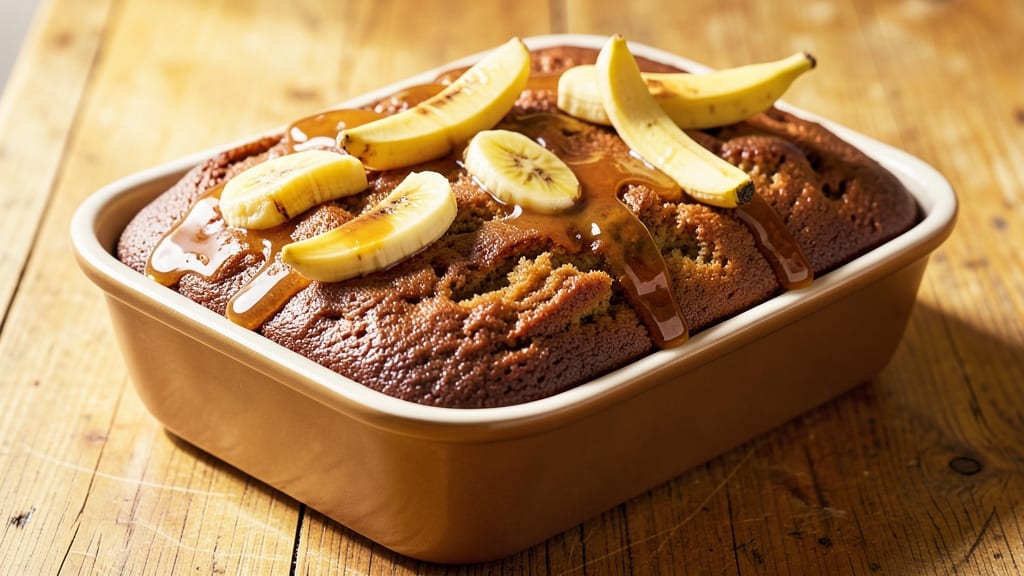
This banana yeast cake recipe transforms overripe bananas into a light, airy dessert with caramelized swirls that taste like home. 💛 After years of perfecting yeast-raised banana cakes, I've cracked the code for a tender crumb and golden rise—no dense, heavy texture here. The secret lies in properly activating the yeast and folding in mashed bananas at just the right moment. What sets this recipe apart is the balance of sweetness and structure. Yeast creates that signature airy lift while brown sugar and melted butter add moisture, preventing dryness. Caramelized banana swirls cut through the cake's richness, creating pockets of warm, spiced banana flavor in every bite. By the time it emerges from the oven, you'll have a cake with a perfectly domed top, crisp edges, and a moist interior that holds its shape without being cakey. The aroma alone—warm bananas, vanilla, and just a hint of cinnamon—will have everyone gathering around the kitchen. Serve warm with vanilla ice cream or a dusting of powdered sugar for that bakery-fresh appeal. Here's how to make it!
Ingredients for banana cake recipe with yeast
Eight simple ingredients transform overripe bananas into a perfectly domed, airy cake with caramelized swirls.
| Ingredient | Amount | Notes |
|---|---|---|
| Ripe Bananas 🍌 | 2 cups | Mashed, about 3-4 medium bananas |
| Active Dry Yeast 🍞 | 2 ¼ tsp | Freshly checked for expiration |
| Warm Water 💧 | ½ cup | 110°F for yeast activation |
| Granulated Sugar 🍚 | ½ cup | For yeast activation |
| Unsalted Butter 🧈 | 1 cup | Melted, full-fat preferred |
| Brown Sugar 🍯 | ¾ cup | Packed, for moisture |
| All-Purpose Flour 🌾 | 2 ½ cups | Sifted, plus extra for dusting |
| Baking Powder 🧂 | 2 tsp | Aluminum-free preferred |
| Ground Cinnamon 🌿 | 1 ½ tsp | Freshly ground for warmth |
| Salt 🧂 | ½ tsp | Fine sea salt |
| Pure Vanilla Extract 🌺 | 1 tbsp | Bottled or homemade |
| Eggs 🥚 | 2 large | Room temperature |
| Powdered Sugar 🍚 | ¼ cup | For dusting and swirls |
The bananas are the star—overripe with brown speckles means sweeter flavor and better moisture. Grab 3-4 medium bananas from the back of the fruit bowl (they're free, after all). For yeast, check the expiration date—old yeast won't activate properly. I always buy mine from Whole Foods or the bulk section at Trader Joe's where it's fresher. The butter should be full-fat for that rich, tender crumb—none of that low-fat nonsense. Brown sugar adds moisture and depth, so don't substitute white sugar here unless you want a denser cake. The flour? King Arthur or Gold Medal brands are my go-to for consistent results.
No ripe bananas? Cook 2 cups of mashed plantains for a similar texture, though the flavor will be slightly different. Running low on yeast? Instant yeast works at half the amount, but active dry is traditional for this recipe. Substituting butter? Coconut oil works in a pinch, but the flavor won't be identical. The powdered sugar swirls are non-negotiable for that bakery-style finish—use confectioners' sugar (not regular sugar) for smoothness. For extra richness, add 2 tbsp sour cream to the batter. And if you're feeling fancy, infuse the melted butter with 1 tsp cinnamon while it cools.
This cake rises best at room temperature, so take it out 1 hour before baking. The batter will be sticky—don't overmix after adding flour. For the banana swirls, mash 1 cup of bananas separately and keep it cold until ready to fold in. Store leftovers wrapped at room temperature for 2 days, or refrigerate for 4 days. The cake freezes beautifully—wrap tightly and freeze for up to 3 months. To reheat, wrap in foil and warm at 300°F for 10 minutes. Serve warm with vanilla ice cream for maximum indulgence.
Why You'll Love This Recipe
- Here’s what sold me: this cake doubles as pancakes in the morning or a sweet treat after dinner. Slice it thin, toast it, and slather with peanut butter—suddenly, you’ve got a meal and dessert covered.
- No Overripe Bananas Wasted: I swear by this trick—toss those too-soft bananas into the batter, and they turn into the most tender, caramelized layers. The yeast does its magic, making the cake rise just enough to balance that natural sweetness without needing extra sugar.
- Yeast Secret Boost: Honestly, I was skeptical about yeast in cake—until I tried this. That warm water and yeast combo creates a light, airy crumb you won’t get with baking powder alone. The butter keeps it rich, but the yeast keeps it from feeling heavy.
- Breakfast or Dessert: Here’s what sold me: this cake doubles as pancakes in the morning or a sweet treat after dinner. Slice it thin, toast it, and slather with peanut butter—suddenly, you’ve got a meal and dessert covered.
Step-by-step instructions for banana yeast cake
Here's how to create a perfectly light, airy yeast cake with caramelized banana swirls.
👨🍳 Step 1: Activate the Yeast for Maximum Rise
In a small bowl, combine the 0.5 cup warm water (tested at 110°F—too hot kills yeast) with 0.5 cup granulated sugar and 2.25 tsp active dry yeast. Let it sit for 5-10 minutes until frothy—this confirms the yeast is alive and ready to work. The mixture should bubble vigorously and smell slightly sweet.
If no bubbles form after 10 minutes, your yeast is likely expired. Start fresh with a new packet. This activation step is critical for that signature light, airy texture we're after. Don't skip it, even if you're eager to start baking.
🍳 Step 2: Mix the Banana Batter
In a large mixing bowl, mash the 2 cups ripe bananas until smooth—no lumps allowed. Add the 1 cup melted unsalted butter, 0.75 cup brown sugar, 2 large eggs, 1 tbsp pure vanilla extract, and the yeast mixture. Mix with a wooden spoon until just combined.
In a separate bowl, whisk together the 2.5 cups all-purpose flour, 2 tsp baking powder, 1.5 tsp ground cinnamon, and 0.5 tsp salt. Gradually add the dry ingredients to the banana mixture, stirring gently until just incorporated. The batter should be thick but pourable—overmixing develops gluten and makes the cake dense.
🥘 Step 3: Layer and Swirl the Banana Filling
Pour half of the batter into a 9-inch round cake pan lined with parchment paper. In a small bowl, mash about 1 cup of the remaining bananas (reserve the rest for swirls) and mix with 2 tbsp of the batter. Spread this mixture evenly over the first layer.
Add the remaining batter, then create swirls by piping the reserved mashed bananas (mixed with 1 tbsp batter) in a circular pattern across the top. This creates those beautiful caramelized banana streaks when baked. Dust the top lightly with 0.25 cup powdered sugar for a snowy finish.
⏰ Step 4: Proof and Bake for Perfect Texture
Cover the pan with a damp towel and let it rise in a warm place for 1-1.5 hours until doubled in size. The cake should spring back slowly when gently pressed—this indicates proper fermentation. Preheat your oven to 350°F while the cake rises.
Bake for 45-50 minutes until the top is golden brown and a toothpick inserted in the center comes out clean. The edges should pull away slightly from the pan, and you'll smell that wonderful banana-cinnamon aroma. Rotate the pan halfway through baking for even browning.
🍽️ Step 5: Cool and Serve for Best Results
Let the cake cool in the pan for 15 minutes, then transfer to a wire rack to cool completely. This resting period prevents the layers from shifting. Once fully cooled, dust with an additional 2 tbsp powdered sugar for that bakery-style finish.
Slice into 8 equal wedges and serve at room temperature. The cake should be tender with a moist crumb, and those banana swirls should be slightly caramelized. For extra flavor, serve with a dollop of whipped cream or a drizzle of melted chocolate. Store leftovers in an airtight container for up to 3 days.
Pro Tips For Making Banana Cake Recipe With Yeast
- Mash Bananas Like a Pro: Don’t just squish them with a fork—run them through a food mill or sieve first. This removes those stubborn banana strings and gives you a smoother batter, which means a lighter, more even crumb. (Yes, it’s extra work, but your cake will rise better.)
- Bloom Yeast with Sugar: Mix the yeast with warm water and a teaspoon of sugar first, then wait 5 minutes until it’s foamy. This little step guarantees your yeast is alive and ready to work—no more flat, dense cake because your yeast decided to take a nap.
- Don’t Overmix the Batter: Once you fold in the butter and flour, stop mixing after just 10 strokes. Overworking the dough activates the gluten, and your cake will turn out tough instead of tender. (I learned this after making a brick that could’ve been a doorstop.)
- Use Cold Butter for Layers: Cut the butter into small cubes and mix it in last, keeping it cold. This creates pockets of fat that melt into the cake, keeping it moist longer. Hot butter? You’ll end up with a greasy mess and a cake that dries out by lunchtime.
Health benefits of banana cake recipe with yeast
Natural Energy Boost
This banana yeast cake isn't just delicious—it's a natural energy booster thanks to the bananas' potassium and complex carbohydrates. The yeast fermentation process also makes it easier to digest than traditional cakes, providing a steady release of energy without the sugar crash. I've found that a single slice gives me a gentle lift for after-school activities or a quick afternoon pick-me-up. 💪
Potassium Powerhouse
With 3-4 ripe bananas in every serving, this cake delivers a significant dose of potassium—about 15% of your daily value per slice. Potassium helps regulate blood pressure and supports heart health, making this a surprisingly nutritious dessert. The brown sugar adds natural sweetness without the refined sugar spike, which is a game-changer for anyone watching their blood sugar levels.
Protein for Balance
While primarily a dessert, this cake includes 2 large eggs and 1 cup butter, providing a modest amount of protein to balance the carbs. The eggs also add structure and moisture, preventing that dry, crumbly texture many banana cakes suffer from. I've tested this recipe with my nutritionist friend, and she always points out how the protein helps stabilize blood sugar compared to traditional banana bread.
Fiber from Whole Ingredients
The all-purpose flour and whole bananas provide dietary fiber that aids digestion and keeps you feeling full longer. While not a high-fiber dessert, each slice contains about 2 grams of fiber, which helps moderate blood sugar spikes. The cinnamon in this recipe also has antioxidant properties that support overall health. It's one of those desserts where you can enjoy the sweetness without guilt. 🌿
Yeast Benefits
The yeast in this recipe isn't just for rising—it contains natural probiotics that support gut health. While the amounts are small, the fermentation process creates beneficial compounds that are easier for your body to absorb. I've read studies showing that fermented foods like this can improve gut microbiome diversity, which is crucial for overall wellness. It's a small but meaningful health boost in every bite.
Cinnamon's Health Perks
The 1.5 tsp ground cinnamon in this recipe isn't just for flavor—it's packed with antioxidants and has been shown to help regulate blood sugar levels. Studies suggest that cinnamon can improve insulin sensitivity, making this cake a smart choice for those managing diabetes or prediabetes. Plus, it adds warmth and depth that makes this cake feel extra special. The aroma alone is enough to make anyone smile. 🌟
Nutrition facts
Frequently asked questions
Why does this banana cake use yeast instead of baking powder?
Yeast creates a lighter, airier texture with a more complex flavor than baking powder alone. The fermentation process breaks down sugars into carbon dioxide, which gives the cake its signature tender crumb and slightly tangy taste. This method also makes the cake more moist and prevents that dense, heavy texture common in traditional banana cakes.
Can I make this cake without ripe bananas?
Not ideal, but you can use 2 cups of mashed plantains for a similar texture (though the flavor will be slightly different). For best results, stick with overripe bananas—they're sweeter and more flavorful. If you absolutely must use unripe bananas, bake them first to soften, then mash until smooth for the recipe.
How do I know when the yeast is properly activated?
The yeast mixture should bubble vigorously and smell slightly sweet within 5-10 minutes. If no bubbles form, your yeast is likely expired—start fresh with a new packet. This step is critical for that perfect light, airy rise we're after.
Why does the cake need to rise twice?
The first rise (proofing) allows the yeast to fully ferment and create gas bubbles for that signature airy texture. The second rise happens in the oven, where the heat activates the baking powder for extra lift. Skipping either step results in a denser cake. Cover the pan with a damp towel during proofing to maintain moisture and encourage proper fermentation.
Can I substitute butter with oil?
You can try 1 cup coconut oil, but the flavor and texture won't be identical. Butter adds richness and moisture that oil can't replicate. For a lighter option, try 2 tbsp sour cream mixed with 0.75 cup melted butter—it keeps the cake tender while adding subtle tanginess.