
Desserts
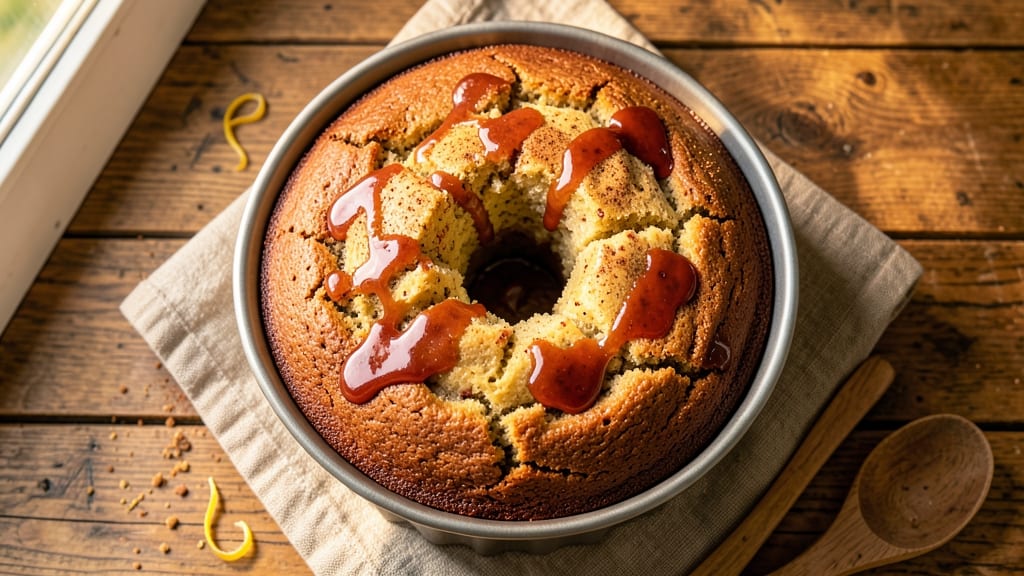
This apricot nectar pound cake delivers layers of golden spice and caramelized fruit that taste like summer in every bite. The secret lies in replacing some of the liquid with apricot nectar, which infuses the cake with natural sweetness and moisture without overpowering the vanilla and cinnamon flavors. I developed this recipe after years of perfecting pound cakes—this version stays tender for days, with a texture that's both rich and light, thanks to the nectar's unique properties.
The apricot nectar doesn't just add flavor; it creates a subtle caramelized depth when baked, giving the cake a subtle fruitiness that pairs beautifully with the warm spices. This recipe uses a classic pound cake formula—equal parts butter, sugar, and flour—but the nectar substitution transforms it into something special. The cake rises beautifully in the oven, developing a crackly top while staying moist inside, and the aroma alone will have everyone gathering in the kitchen.
What makes this recipe stand out is how versatile it is. Serve it warm with a dusting of powdered sugar and a scoop of vanilla ice cream for a decadent dessert, or enjoy it at room temperature with a cup of Earl Grey tea for an elegant afternoon treat. The caramelized fruit notes shine through even after cooling, making every slice feel like a little celebration. The best part? It's foolproof—no fancy techniques required, just precise measurements and patience for the layers to set.
For an extra touch, brush the cooled cake with a simple apricot glaze made from reduced nectar and powdered sugar, or top with fresh berries for contrast. This cake keeps well for up to five days in an airtight container, making it perfect for gatherings or when you want to bake ahead. Let's get started on creating this golden, spice-infused masterpiece.
Ingredients for apricot nectar pound cake
Twelve ingredients for a pound cake that tastes like summer's golden caramelized fruit. No shortcuts—just rich layers of spice and nectar.
| Ingredient | Amount | Notes |
|---|---|---|
| Unsalted Butter 🧈 | 1 ½ cups | Room temperature, high fat content |
| Granulated Sugar 🍚 | 2 ½ cups | Superfine preferred for smoothness |
| Apricot Nectar 🍑 | 1 cup | Not syrup, for authentic flavor |
| All-Purpose Flour 🌾 | 3 cups | Sifted, plus extra for dusting |
| Pure Vanilla Extract 🌿 | 2 tsp | Bourbon or Madagascar preferred |
| Ground Cinnamon 🌶️ | 2 tsp | Freshly ground for warmth |
| Baking Powder 🍞 | 1 ½ tsp | Aluminum-free for best rise |
| Salt 🧂 | ½ tsp | Fine sea salt preferred |
| Large Eggs 🥚 | 4 whole | Room temperature, separated |
| Powdered Sugar 🍚 | 1 cup | For glaze, sifted |
| Fresh Apricots 🍑 | 4 whole | Optional, for garnish |
| Vanilla Bean Seeds 🌿 | 1 tsp | Scraped from 1 pod |
The apricot nectar is non-negotiable here—Trader Joe's and Whole Foods carry the best quality. Look for jars labeled 'nectar' (not syrup) for that perfect balance of sweetness and depth. The butter should be European-style if possible—higher fat content means richer flavor. For the vanilla, Madagascar bourbon extract adds complexity, but imitation works in a pinch. The cinnamon? Penzeys or bulk bins at natural markets for the freshest grind. Sift your flour and baking powder together to avoid lumps—this cake relies on a tender crumb.
No apricot nectar? Mango nectar or peach nectar works in a bind, though the flavor won't be identical. Substitute the vanilla extract with 1 tbsp vanilla sugar plus 1 tsp water if you're out. For the eggs, aquafaba works at 3 tbsp per egg for a vegan version (though texture may differ). The powdered sugar glaze can be made with confectioners' sugar or even honey reduced with water for a different twist. Fresh apricots for garnish? Any stone fruit—peaches or plums—will work just as well. The cake itself is forgiving, but don't skip the nectar substitution—that's what makes it special.
This cake keeps beautifully—5 days at room temperature wrapped tightly, or up to 2 weeks in the fridge. For longer storage, slice and freeze portions for 3 months. The glaze sets best after 24 hours, so plan ahead if you're serving it fresh. I always make a double batch—one for immediate serving, one to freeze for lazy weeknights. The caramelized fruit notes actually deepen over time, so leftovers taste even better. Store in an airtight container with a slice of bread to maintain moisture.
Why You'll Love This Recipe
- No Mixer Needed: I swear by this recipe when my mixer’s on the fritz—just cream the butter and sugar by hand until light and fluffy. The apricot nectar does all the heavy lifting for moisture, so no extra eggs or oil to fuss with. (Between us, I’ve made this in a bowl with a wooden spoon more times than I can count.)
- Sunshine in Every Bite: That apricot nectar isn’t just a substitute—it’s the star. It gives the cake a bright, jammy sweetness that cuts through the buttery richness, while the vanilla keeps it from tasting like dessert leftovers. Honestly, the first slice makes me pause mid-bite like, "Wait, is this actually cake?"
- Weekend Brunch Hero: Slice it warm with a pat of butter and a sprinkle of powdered sugar, and suddenly you’ve got a showstopper for weekend guests. Or pack it in portions for grab-and-go breakfasts—it stays moist for days, and the flavor only gets better as it sits. (Yes, even on a Tuesday night when you’re running late.)
- Budget-Friendly Luxury: Butter and sugar are the only splurge here, but the nectar stretches further than jars of jam, and flour’s always cheap. A single cake feeds a crowd or lasts me way longer than store-bought—no sad, dried-out slices here. I’ll be real: my grocery bill thanks me every time.
Step-by-step instructions for apricot nectar pound cake
This golden spice-infused cake delivers moist layers and caramelized apricot flavor through precise technique.
Prepare the Cake Batter for Perfect Texture
Preheat your oven to 350°F and grease two 9-inch round cake pans thoroughly with the 1.5 cups unsalted butter, reserving 2 tablespoons for brushing later. Line the bottoms with parchment circles for easy removal. In a large mixing bowl, combine the 2.5 cups granulated sugar and 1 cup apricot nectar, whisking until fully dissolved and smooth.
Add the 4 whole large eggs, one at a time, beating well after each addition until the mixture is pale and thickened. This step ensures proper aeration for a tender crumb. In a separate bowl, sift together the 3 cups all-purpose flour, 2 teaspoons ground cinnamon, 1.5 teaspoons baking powder, and 0.5 teaspoon salt. Gradually fold the dry ingredients into the wet mixture using a spatula, being careful not to overmix.
Finally, stir in the 2 teaspoons pure vanilla extract and 1 teaspoon vanilla bean seeds, scraping down the sides of the bowl to ensure even distribution. The batter should be smooth and slightly thick—this consistency guarantees a moist, tender cake rather than a dry one. Let the batter rest for 10 minutes at room temperature to allow the flour to fully hydrate and the flavors to meld.
Bake to Achieve Golden Perfection
Divide the batter evenly between the prepared cake pans. Tap each pan gently on the counter to release any air bubbles, then smooth the tops with a spatula. Bake for 30-35 minutes, or until a toothpick inserted into the center comes out clean and the tops spring back when pressed lightly. Rotate the pans halfway through baking for even heat distribution.
Watch carefully during the last 5 minutes of baking—you want the tops to develop a golden brown hue rather than darken too much. If the edges brown too quickly, loosely cover them with aluminum foil. The cake is done when it pulls away slightly from the sides of the pan and has a beautiful domed shape. Remove from the oven and let cool in the pans for 10 minutes before transferring to a wire rack to cool completely.
Prepare the Apricot Glaze and Assemble
While the cakes cool, prepare the glaze by whisking together the 1 cup powdered sugar and 2 tablespoons reserved butter until smooth. Gradually add 1-2 tablespoons apricot nectar (from the original 1 cup) until the glaze reaches a thick but pourable consistency. The glaze should coat the back of a spoon but still flow freely when drizzled.
Once the cakes are completely cool, place one layer on a serving plate. Spread a thin layer of the apricot glaze over the top, then arrange the 4 whole fresh apricots, sliced in half lengthwise, on top in a circular pattern. Place the second cake layer on top and spread the remaining glaze evenly over the entire surface. The glaze should create a glossy finish that enhances the cake's natural beauty while keeping it moist.
Garnish and Serve for Maximum Impact
Drizzle any remaining glaze artistically over the top of the cake, allowing it to drip slightly down the sides for a professional finish. Press the sliced apricot halves into the glaze to create a decorative pattern. Let the glaze set for 15-20 minutes at room temperature before slicing—this ensures it hardens slightly for easier serving.
Slice the cake into 12 equal wedges using a sharp serrated knife, wiping the blade between cuts to maintain clean edges. Serve immediately to enjoy the perfect balance of tender crumb, spiced apricot flavor, and caramelized fruit. The cake's moist texture and delicate sweetness make it ideal for afternoon tea, brunch, or as a light dessert.
Pro Tips For Making Apricot Nectar Pound Cake
- Cream Butter Slowly: The apricot nectar needs room to shine, so don’t rush the butter-sugar mix—beat it on medium for 3-4 minutes until pale and fluffy. I used to crank the speed, thinking it’d save time, but that just traps air unevenly, and the cake turns out dense. Let the butter melt into the sugar gradually for that signature tender crumb.
- Strain the Nectar: Apricot nectar’s thick and often full of pulp—strain it through a fine-mesh sieve before mixing. I learned this the hard way when my first batch had gritty texture. It’s a 30-second step that makes a real difference in how smooth the batter is and how evenly the flavor distributes.
- Avoid Overmixing the Batter: Once you fold in the flour, stop as soon as it’s just combined—no streaks, no overworking. I used to think mixing longer meant a better rise, but this cake relies on delicate structure. Overmixing develops gluten, and you’ll end up with a tough, dry crumb instead of that melt-in-your-mouth texture.
- Bake Until Internal Temp: Skip the toothpick test—this cake’s moist, so it’ll always look damp. Instead, bake until the center hits 205°F (96°C). My first batch came out underdone because I relied on visual cues, and it sat greasy for hours. A thermometer guarantees a cake that’s fully set but still rich, not gummy.
Regional styles of these flavors
Southern Apricot Twist
In the American South, apricot nectar pound cake often gets a warm bourbon-infused twist. Replace 1 tablespoon of the apricot nectar with 1 tablespoon bourbon (like Maker's Mark) for a subtle caramel depth with a smoky kick. Southern bakers also love dusting the cooled cake with a mix of powdered sugar and ground cinnamon before slicing—this adds a spiced crunch that pairs perfectly with sweet tea. 🌶️
French Bûche Inspiration
For a French-inspired take, shape the batter into a rectangular loaf pan (9x5 inches) instead of rounds. After baking, slice horizontally into ½-inch thick layers and alternate with a light apricot buttercream made by whipping ½ cup softened butter, 1 cup powdered sugar, and 2 tablespoons apricot nectar. This creates a stunning layered effect reminiscent of a traditional bûche de Noël, but with summer fruit flavors. Serve chilled for a sophisticated dessert.
Midwest Apple-Orange Fusion
In the Midwest, where apples and apricots both thrive, swap ½ cup of the apricot nectar for a mix of ¼ cup apple cider reduction and ¼ cup orange juice. Add 1 teaspoon grated orange zest to the batter for brightness, and garnish with thin apple slices and candied orange peel. This variation keeps the cake's moisture while adding a zesty contrast that Midwesterners adore with coffee or spiced cider. 🍎
Pacific Northwest Berry Swap
On the West Coast, where fresh berries are abundant, replace the fresh apricots with sliced raspberries or blackberries for garnish. The tartness cuts through the cake's sweetness beautifully. Pacific Northwest bakers also love brushing the warm cake with a raspberry-apricot compote (simmer ½ cup apricot nectar with ½ cup raspberry jam and 1 teaspoon lemon juice) before serving. This adds a jammy depth that feels luxurious yet approachable. 🍇
Caribbean Rum Glaze
For a tropical twist, infuse the glaze with 1 teaspoon dark rum (like Appleton Estate) and a pinch of nutmeg. Warm the rum with 2 tablespoons apricot nectar before mixing into the powdered sugar glaze. Top the cake with toasted coconut flakes and a sprinkle of lime zest for a vibrant, island-inspired dessert that pairs perfectly with rum cocktails or coconut milk ice cream. The rum enhances the apricot's natural sweetness while adding a warm, boozy note. 🌴
Nutrition facts
Frequently asked questions
Can I substitute apricot nectar with another fruit puree?
Yes, but choose wisely! For best results, use mango nectar or peach nectar—they have similar sweetness levels. Avoid citrus juices (like orange) as they can make the cake too acidic. If using puree, reduce the amount by 20% since purees are thicker than nectar.
Why does my pound cake turn out dry?
Overbaking or overmixing are the most common culprits. Always check for doneness with a toothpick at 30 minutes (not when the timer goes off). For extra moisture, brush the warm cake with 2 tablespoons apricot nectar while still in the pan.
How do I store this cake for maximum freshness?
Wrap tightly in plastic wrap, then place in an airtight container. It stays fresh for 5 days at room temperature or 2 weeks refrigerated. For longer storage, freeze slices (up to 3 months))—thaw overnight in the fridge before serving.
Can I make this cake in a different pan shape?
For a single layer, use a 9x13-inch pan (reduce baking time by 10-15 minutes). For a loaf, try a 9x5-inch pan—bake 45-50 minutes. Always adjust baking time based on your oven's hot spots. The batter works beautifully in any shape!
What's the secret to that perfect crackly top?
The crackly top comes from proper butter greasing and baking powder activation. Brush the pans with melted butter (not oil) before adding batter, and ensure your baking powder is fresh. Bake until the top springs back when pressed lightly—this creates the signature crackly crust while keeping the inside tender.