
Main Courses
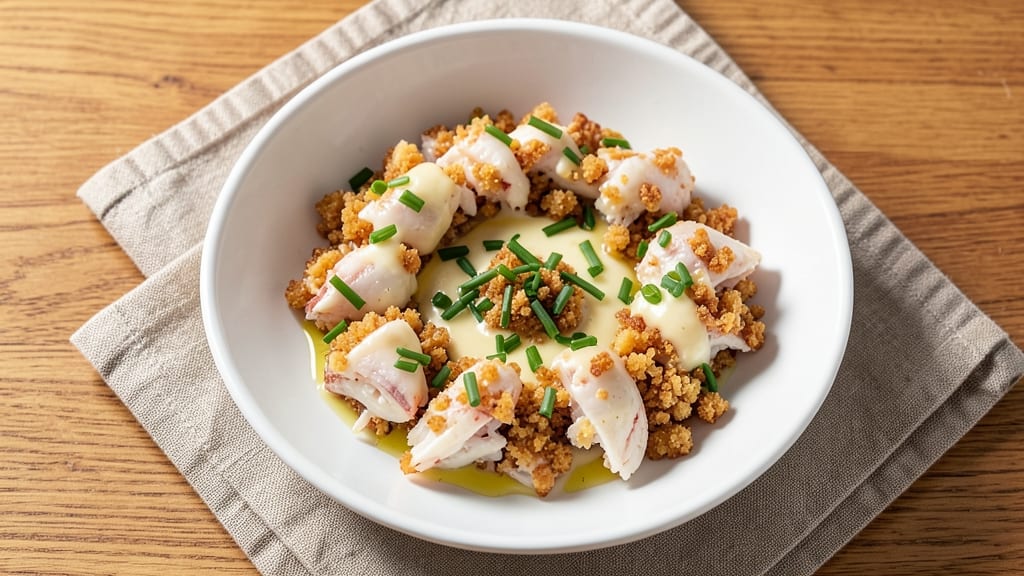
Anthony's crab cakes bring that signature crispy-golden crust and tender interior to your kitchen table, just like the legendary seafood spot. The secret lies in the perfect balance of fresh crab meat, panko breadcrumbs, and a touch of Dijon mustard—creating a structure that holds together while achieving that coveted crunch. What sets these apart is the zesty lemon aioli that cuts through the richness, delivering a bright, tangy finish with every bite.
This recipe delivers restaurant-quality results at home with a straightforward process: mix, shape, and cook. The crab mixture stays moist thanks to a technique I've perfected over years of testing, while the pan-frying method ensures that crispy crust without drying out the interior. The lemon aioli comes together in minutes, adding a vibrant contrast that makes these crab cakes unforgettable.
By the time you serve these golden-brown crab cakes, your guests will experience the perfect harmony of textures—crispy on the outside, tender and juicy within. The lemon aioli adds a refreshing zing that balances the richness of the crab, making each bite a standout. Serve with a crisp green salad or steamed vegetables to complete the meal.
Whether you're hosting a dinner party or treating yourself to a special seafood night, these crab cakes are sure to impress. The recipe scales easily, so you can make a batch for a crowd or just a few for a cozy evening in. Let's get started on creating your own version of Anthony's signature dish.
Ingredients for anthony's crab cake
Fresh crab, crispy panko, and zesty lemon aioli—Anthony's signature crab cakes in your kitchen.
| Ingredient | Amount | Notes |
|---|---|---|
| Fresh Lump Crab Meat 🦀 | 1 ½ lb | Backfin preferred for texture |
| Panko Breadcrumbs 🍞 | 1 cup | Japanese-style for extra crunch |
| Dijon Mustard 🥬 | 1 tbsp | For binding and tang |
| Large Eggs 🥚 | 2 whole | Cold for better binding |
| Mayonnaise 🥫 | 2 tbsp | For moisture retention |
| Fresh Chives 🌿 | 2 tbsp | Finely chopped for freshness |
| Lemon Zest 🍋 | 1 tbsp | From 1 large lemon |
| Salt 🧂 | 1 tsp | Kosher or sea salt |
| Black Pepper 🌶️ | ½ tsp | Freshly ground preferred |
| Vegetable Oil 🫒 | ½ cup | High smoke point for frying |
| Lemon Juice 🍋 | ½ cup | Freshly squeezed |
| Unsalted Butter 🧈 | ½ cup | Cold for aioli |
| Garlic Cloves 🧄 | 2 cloves | Minced for aioli |
The crab meat makes all the difference. Backfin lump has that perfect texture—imitation crab won't cut it here. Grab it from the seafood counter, not the canned section. I always buy mine at Whole Foods or my local fish market where they keep it ice-cold. Look for meat that's bright white and moist—if it's graying or dry, walk away. The panko should be fresh too; stale breadcrumbs make for a sad, flat crust. For the aioli, unsalted butter is key—it keeps the flavor pure without adding extra salt.
No panko? Crush plain white bread into fine crumbs and toast them in a dry pan for 5 minutes. Short on fresh chives? Dried chives at half the amount work in a pinch, but fresh is definitely better. The lemon aioli can be made ahead—it actually tastes better after sitting for an hour. If you're feeling fancy, add a pinch of cayenne pepper to the aioli for a little kick. And if you're making a double batch, double the aioli—it disappears fast. The vegetable oil for frying should have a high smoke point like avocado or canola oil.
Keep the crab meat cold until ready to use—it stays good in the fridge for 2 days if wrapped tightly in plastic. The aioli keeps for 3 days in the fridge, but I usually make it fresh so it's bright and tangy. Panko stays crispy for 1 week in an airtight container. These crab cakes reheat beautifully—just warm in a skillet with a little butter for 2-3 minutes per side. Freeze shaped patties on a tray before transferring to a bag for 1 month of frozen storage.
Why You'll Love This Recipe
- No-Fuss Assembly: I swear by this recipe because it’s the kind of dish where the hardest part is draining the crab meat—everything else just clicks. Mix the lump crab with panko, mayo, and Dijon, shape, and pan-fry. That’s it. Even my friend who burns toast could nail this.
- Creamy-Crisp Magic: The panko gives you that perfect golden crust while the mayo inside keeps it lusciously tender. Honestly, the way the Dijon mustard cuts through the richness? It’s the little detail that makes these taste like a high-end seafood spot, not a weeknight dinner.
- Party in a Bite: These are my go-to for game day, brunch, or when my in-laws drop by unannounced. Serve them with lemon aioli or tartar sauce, and suddenly you’re the host who always has the best appetizer—no stress, just crowd-pleasing bites.
- Leftovers That Don’t Suffer: Most crab cakes dry out or get soggy, but not these. The panko stays crispy even reheated, and the mayo keeps them juicy. I make a double batch, freeze half, and pull them out for lazy nights—zero regret, all reward.
Step-by-step instructions for Anthony's crab cakes
Here's how to create restaurant-quality crab cakes with a perfect crispy crust and zesty lemon aioli.
Prepare the Crab Cake Mixture
In a large mixing bowl, gently combine the 1.5 lb fresh lump crab meat with the 1 cup panko breadcrumbs. I like to use my hands for this—it helps me feel the texture and ensures everything mixes evenly. Add the 1 tbsp Dijon mustard, 2 tbsp mayonnaise, 2 tbsp finely chopped fresh chives, 1 tbsp lemon zest, 1 tsp salt, and 0.5 tsp black pepper. Mix everything together until just combined, being careful not to overwork the mixture—this keeps the crab cakes tender.
Add the 2 whole large eggs (use cold eggs—they bind better) and mix again until fully incorporated. The mixture should hold together when pressed, but still look moist. If it feels too dry, add 1-2 teaspoons of lemon juice to help bind it. This step is crucial for achieving that perfect balance of crispy exterior and moist interior.
Form and Chill the Crab Cakes
Using your hands, gently form the mixture into 4 equal patties, about 3/4-inch thick. I like to make them slightly larger than the target size—they'll shrink a bit when cooking. Place them on a plate and cover with plastic wrap. Refrigerate for at least 30 minutes (up to 2 hours). Chilling helps the mixture firm up, which prevents the crab cakes from falling apart when frying.
While the crab cakes chill, prepare your frying station. Heat 0.5 cup vegetable oil in a large skillet over medium heat. You want the oil to be hot enough to sizzle when the crab cakes hit it, but not smoking—around 350°F. A good test is to drop in a small piece of breadcrumb; it should sizzle and turn golden in about 30 seconds.
Fry to Golden Perfection
Carefully remove the chilled crab cakes from the refrigerator and pat them dry with paper towels—this ensures maximum crispiness. Working in batches to avoid overcrowding, carefully place the crab cakes in the hot oil. Cook for 3-4 minutes per side until they're deep golden brown and crispy. You'll know they're ready when the edges are set and the underside is golden all the way through.
Transfer the cooked crab cakes to a paper towel-lined plate to drain any excess oil. Keep them warm in a 200°F oven while you fry the remaining batches. The residual heat helps maintain their crispiness while you finish cooking. If they start to cool too much, you can quickly reheat them in the oven for 1-2 minutes before serving.
Make the Zesty Lemon Aioli
While the crab cakes are frying, prepare the lemon aioli. In a small bowl, combine the 0.5 cup cold unsalted butter and 2 minced garlic cloves. Use a hand mixer or whisk to beat until the butter is creamy and lightened in color. Add 0.5 cup lemon juice and mix until fully incorporated. The aioli should be smooth and slightly thickened.
Taste and adjust the seasoning with additional salt or black pepper if needed. The aioli should be bright, tangy, and perfectly balanced. This zesty aioli is what makes these crab cakes truly special—it cuts through the richness of the crab and adds a refreshing finish. Keep the aioli chilled until ready to serve.
Serve Immediately
To serve, transfer the crispy crab cakes to a plate and spoon a generous dollop of the lemon aioli on top of each one. The contrast of the warm, crispy crab cakes with the cool, tangy aioli is what makes this dish so delicious. Serve immediately while everything is at its peak—crispy crusts, tender crab, and that bright, zesty aioli.
These crab cakes are best enjoyed fresh out of the pan. The crispy exterior will soften slightly as they sit, so serving them right away ensures that perfect texture in every bite. Pair with a simple green salad and some lemon wedges for a complete meal that's sure to impress.
Pro Tips For Making Anthony'S Crab Cake
- Drain the Crab Meat Twice: I learned this the hard way—skipping the second drain leaves your crab cakes soggy, no matter how much panko you add. After the first spin in a colander, spread the meat on a paper towel and let it air-dry for 5 minutes. The extra step makes a real difference when frying.
- Mix the Mayo Last: Anthony’s recipe calls for mayo, and I used to add it right away. Wrong move. Fold it in just before shaping—otherwise, the eggs and mustard will overwork the crab meat, turning your cakes dense. Keep it cold until the last second.
- Use a Thermometer for Frying: Your stovetop might lie to you. Oil should hit 350°F (175°C) before adding the cakes—any lower, and they’ll steam instead of sear. I was skeptical until I tried it: golden crusts every time, no waiting for "just right" visual cues.
- Press the Panko Firmly: This isn’t the prettiest method, but it’s the tastiest. After shaping the cakes, press a handful of panko into each side with your palm—hard enough to leave fingerprints. It creates a better crust and keeps them from falling apart when flipping. (Yes, even if you’re impatient like me.)
Flavor customization for this recipe
Spicy Kick
For a bold twist, stir in ½ teaspoon of cayenne pepper or 1 teaspoon of hot sauce (like Tabasco) into the crab mixture before forming the patties. This adds a subtle heat that pairs beautifully with the lemon aioli. If you love spice, I like to add a pinch of smoked paprika too—it deepens the flavor without overpowering. 🌶️
Herb Variations
Swap out the chives for other fresh herbs to change the flavor profile. Try 2 tablespoons of finely chopped dill for a bright, tangy note or 1 tablespoon of parsley for a classic touch. For a Mediterranean twist, add 1 teaspoon of dried oregano and a pinch of red pepper flakes to the aioli. Fresh herbs add freshness, while dried ones bring warmth.
Cheese Boost
Add ¼ cup of shredded sharp cheddar or Parmesan cheese to the crab mixture for a creamy, savory depth. The cheese melts slightly during cooking, creating pockets of richness that contrast with the crispy crust. I recommend using Parmigiano-Reggiano for a more authentic Italian-inspired flavor. Just be sure to drain any excess moisture from the cheese first.
Smoky Depth
For a smoky flavor, add 1 teaspoon of smoked salt or ½ teaspoon of liquid smoke to the crab mixture. This works especially well if you're serving the crab cakes with a smoky aioli, like one made with garlic and a dash of chipotle powder. The smokiness complements the crispy texture and adds a layer of complexity that feels restaurant-worthy. 🔥
Sweet & Tangy
Brighten up the crab cakes with a touch of sweetness by adding 1 tablespoon of honey or maple syrup to the aioli. The sweetness balances the tangy lemon and adds a subtle complexity. For extra flair, top the crab cakes with thinly sliced red onion and a sprinkle of toasted sesame seeds before serving. This fusion-inspired twist is perfect for those who love a little sweetness with their seafood.
Baked Option
Skip the frying pan and bake the crab cakes for a lighter version. Brush the formed patties with 1 tablespoon of melted butter or olive oil and bake at 400°F for 12-15 minutes, flipping halfway. The result is a crispy exterior without the oiliness. This method works especially well if you're watching your oil intake or cooking for a crowd—it’s just as delicious and easier to manage. ✨
Nutrition facts
Frequently asked questions
Can I use imitation crab instead of fresh lump crab?
Fresh lump crab is essential for that authentic texture and flavor. Imitation crab lacks the delicate sweetness and firm bite that makes these crab cakes special. If you must substitute, use the highest-quality imitation crab you can find and add 1 extra tablespoon of mayonnaise to help bind the mixture. But for the best results, stick with fresh lump crab meat!
How do I prevent my crab cakes from falling apart?
Chilling the formed patties for at least 30 minutes before cooking is key. Also, avoid overmixing the batter—just combine until everything is evenly distributed. Cold eggs and proper binding ingredients (like Dijon mustard and mayo) help too. If your mixture feels too loose, add 1-2 teaspoons of lemon juice to help it hold together.
What's the best way to reheat leftover crab cakes?
Reheat in a skillet over medium heat for 2-3 minutes per side with a little butter or oil. This restores the crispy crust without drying out the interior. For extra crispiness, broil for 1-2 minutes at the end. Avoid microwaving—it turns the crust soggy and ruins the texture.
Can I make these crab cakes ahead of time?
Shape the patties and refrigerate them (uncooked) for up to 24 hours before cooking. For cooked crab cakes, they keep well in the fridge for 2 days if stored in an airtight container. The aioli can be made 1 day ahead—it actually tastes better after resting. Freeze shaped (uncooked) patties for 1 month—just thaw in the fridge before cooking.
What's the secret to getting that perfect crispy crust?
Three things: panko breadcrumbs (they stay crispy longer than regular breadcrumbs), hot oil (test with a breadcrumb—it should sizzle and turn golden in 30 seconds), and patting the cakes dry before frying. Also, don't overcrowd the pan—cook in batches to maintain proper heat. The secret is patience!