
Desserts
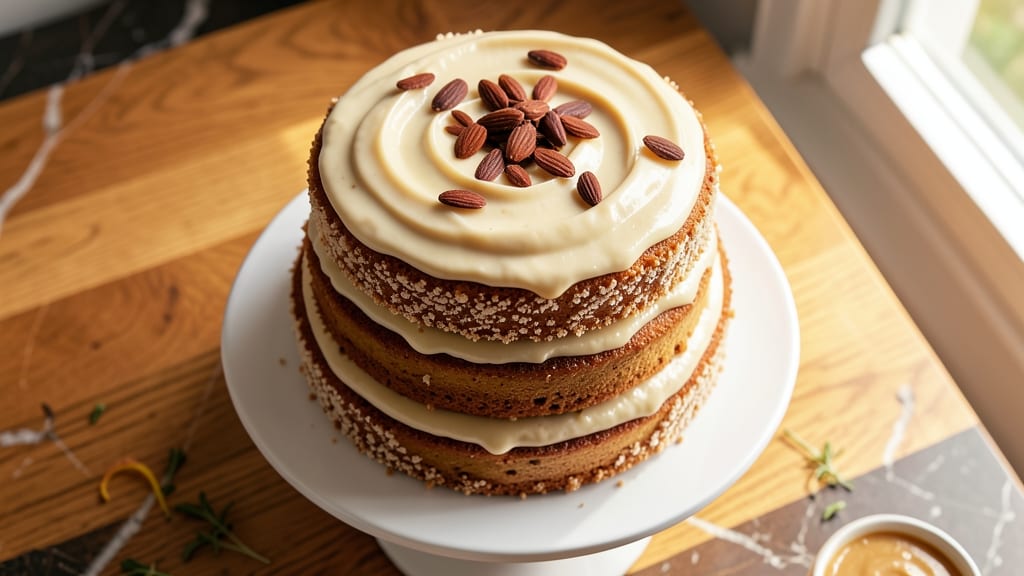
This amandine cake recipe transforms classic French pastry into a showstopping dessert with layers of almond-infused frangipane and bright citrus notes. The secret lies in blending almond paste with butter and sugar until silky smooth, creating a filling that's rich yet tender. I've perfected this technique over years of baking, ensuring each slice delivers that perfect balance of nutty depth and zesty freshness. What sets this cake apart is the almond glaze topping, which adds both visual appeal and a delicate crunch. The combination of toasted almonds and citrus zest in the filling creates layers of flavor that keep every bite interesting. This version stays true to tradition while offering modern flexibility—whether you use almond butter for a vegan twist or keep it classic with almond paste. By the time you serve this cake, you'll have a dessert that's elegant enough for special occasions but simple enough for weeknight treats. The moist layers, fragrant almond filling, and glossy glaze make it a crowd-pleaser that always gets rave reviews. The best part? It's foolproof for home bakers with just a few key techniques. For those who want to experiment, try adding orange blossom water to the glaze or swapping lemon for blood orange in the filling. The possibilities are endless while maintaining that signature amandine charm. Let's get baking!
Ingredients for amandine cake
Rich layers of almond and citrus create this elegant yet approachable French classic.
| Ingredient | Amount | Notes |
|---|---|---|
| All-Purpose Flour 🌾 | 3 cups | Sifted for light texture |
| Unsalted Butter 🧈 | 1 ½ cups | Cold, cubed for layers |
| Granulated Sugar 🍚 | 2 cups | Superfine preferred for smoothness |
| Large Eggs 🥚 | 4 whole | Room temperature for blending |
| Almond Paste 🥜 | 1 ½ cups | High-quality, smooth texture |
| Toasted Sliced Almonds 🌰 | 1 ½ cups | For filling and garnish |
| Lemon Zest 🍋 | 2 tbsp | Fresh, finely grated |
| Lemon Juice 🍋 | 1 tbsp | Freshly squeezed |
| Powdered Sugar 🍚 | 2 cups | For glaze |
| Heavy Cream 🥛 | ½ cup | Cold for glaze |
| Vanilla Extract 🌸 | 1 tsp | Pure, high-quality |
| Baking Powder 🧂 | 1 tsp | For lift |
| Salt 🧂 | ½ tsp | Fine sea salt |
| Orange Zest 🍊 | 1 tbsp | Fresh, finely grated |
The almond paste is non-negotiable here—Amoretti or Marzipan from specialty stores gives the best texture. If you can't find it, almond butter works in a pinch, but blend it smooth first. Toast your almonds in a dry pan until golden—just 3-4 minutes—then let them cool. The zest should be vibrant; lemon and orange from organic markets have the brightest flavor. For the butter, I always use European-style (like Plugrá) for its higher fat content, but regular unsalted works too.
No almond paste? Almond butter plus 1 tbsp powdered sugar mimics the texture, though it'll be slightly denser. Swap lemon for blood orange zest if you're feeling fancy—it adds a floral note. The glaze needs to be thick enough to drizzle but not so stiff it cracks; add powdered sugar 1 tbsp at a time until you reach that perfect consistency. For a vegan twist, replace the butter with vegan butter and use aquafaba for the glaze instead of cream—it's a game-changer.
This cake keeps beautifully—3 days at room temperature covered loosely, or 1 week refrigerated in an airtight container. The glaze sets best after 24 hours, so if you're baking ahead, do that. Slice with a warm knife for clean cuts, and always serve at room temperature. Leftovers? Toasted almonds on top make them taste like fresh-baked again.
Why You'll Love This Recipe
- Same batter, endless uses: slice it for a quick breakfast toast, layer it for a dessert, or serve it plain with tea. Here’s what sold me—it’s fancy enough for guests but unfussy enough for a Tuesday night.
- No Mixer Needed: The almond paste does all the heavy lifting—just fold it into the butter and flour like you’re making a shortbread crust. Honestly, I’ve done it with my hands when I forgot the mixer, and it still turns out tender.
- Rich Without Overpowering: That almond paste? It’s like a secret hug for your taste buds—nutty, buttery, and just sweet enough to balance the cake’s simplicity. I’ll be real: my husband grabs slices before they even cool.
- Weeknight or Celebration: Same batter, endless uses: slice it for a quick breakfast toast, layer it for a dessert, or serve it plain with tea. Here’s what sold me—it’s fancy enough for guests but unfussy enough for a Tuesday night.
Step-by-step instructions for almond-infused layers with citrus zing
Here's how to create layers of tender cake, rich almond filling, and glossy citrus glaze that'll impress anyone.
Prepare the Cake Layers
Preheat your oven to 350°F and grease three 8-inch round cake pans with butter or line them with parchment paper. In a large mixing bowl, cream together the 1.5 cups unsalted butter and 2 cups granulated sugar on medium speed until light and fluffy—about 3-4 minutes. This step is crucial; you want the butter to become pale and nearly double in volume.
Add the 4 whole large eggs, one at a time, mixing well after each addition. Stir in the 1 tsp vanilla extract, 2 tbsp lemon zest, 1 tbsp lemon juice, and 1 tbsp orange zest. In a separate bowl, whisk together the 3 cups all-purpose flour, 1 tsp baking powder, and 0.5 tsp salt. Gradually add the dry ingredients to the wet mixture, mixing on low speed just until combined—don't overmix or your layers will be dense.
Divide the batter evenly among the prepared pans and bake for 25-30 minutes or until a toothpick inserted into the center comes out clean. Let the layers cool in the pans for 10 minutes before transferring to a wire rack to cool completely. This cooling step is essential for clean slicing and even filling later.
Make the Almond Filling
In a medium bowl, combine the 1.5 cups almond paste with 0.5 cup heavy cream and mix until smooth and fully incorporated. The almond paste should be completely dissolved with no visible lumps—this ensures a silky filling. Spread this mixture evenly between each of the cooled cake layers, using about ⅓ cup for each layer.
Press the 1.5 cups toasted sliced almonds evenly over the top layer of each cake, reserving a few for garnishing later. This step adds texture and visual appeal to your cake. Place the assembled layers in the refrigerator while you prepare the glaze, allowing the filling to set slightly for easier handling.
Create the Citrus Glaze
In a small saucepan, combine the 2 cups powdered sugar with 0.5 cup heavy cream and warm over low heat, stirring constantly until the sugar dissolves completely. Remove from heat and let the glaze cool for 5 minutes—it should be thick enough to coat the back of a spoon but still pourable.
Once cooled, drizzle the glaze evenly over the top and sides of your stacked cake. Use a spatula to smooth the glaze and create a glossy finish. The glaze should set within 30 minutes, giving your cake that professional bakery look. For extra flair, press the reserved toasted sliced almonds decoratively around the edges.
Chill and Serve
Place the fully glazed cake in the refrigerator for at least 2 hours before serving. This chilling time allows the filling to fully set and the flavors to meld together. The cake will hold its shape beautifully and be easier to slice into perfect portions.
To serve, cut into 8 equal wedges, ensuring each slice includes a portion of the almond filling. The combination of tender cake, rich almond filling, and bright citrus glaze creates a harmonious balance of textures and flavors that'll delight your guests. Enjoy your Amandine Cake with a cup of tea or coffee for the perfect afternoon treat.
Pro Tips For Making Amandine Cake
- Chill the Almond Paste: Spread that almond paste on a plate and pop it in the fridge for 20 minutes first—it’ll be way easier to roll out without cracking. I learned this the hard way when I tried forcing it straight from the jar, and it turned into a sticky mess.
- Cream Butter Slowly: Beat the unsalted butter and sugar at medium speed until it’s truly pale and fluffy—about 3-4 minutes. Rushing this step means tiny air pockets vanish, and your cake will end up dense instead of light. (Yes, even if you’re impatient like me.)
- Room-Temp Eggs Matter: Take those eggs out of the fridge 30 minutes before mixing—room temperature eggs blend smoother and whip up lighter. Cold eggs? Your batter will fight you, and the cake might sink in the middle. Trust the process.
- Toast the Almond Paste: Brush the top of your baked cake with a little melted butter, then sprinkle toasted almond slices over the almond paste layer. The toasted nuts add crunch and depth—skip this, and you’re missing the real amandine magic. (Use a dry pan, 2-3 minutes, until golden.)
Storing and reheating this dish
Room-Temp Storage
This cake stays fresh for 3 days at room temperature if stored loosely covered with plastic wrap. I always leave the top uncovered to prevent sogginess—those citrus notes need to breathe! The almond filling actually improves overnight as the flavors meld. Just avoid direct sunlight to prevent the glaze from melting or sticking. 🌟
Fridge Preservation
For longer storage, refrigerate in an airtight container for up to 1 week. The cold helps preserve the glaze's glossy finish and keeps the almond filling from becoming too soft. I like to slice it before refrigerating—this way, each piece maintains its perfect texture when served. For best results, bring slices to room temperature before serving.
Freezer-Friendly
This cake freezes beautifully for up to 3 months! Wrap individual layers tightly in plastic wrap, then place them in a freezer bag with all air removed. When ready to serve, thaw overnight in the fridge. The glaze might lose some shine after freezing, so I recommend reheating slices in the microwave for 10-15 seconds to restore that bakery-fresh appeal.
Glaze Refresh
If the glaze looks dull after storage, simply reheat the cake slice in the microwave for 5-8 seconds—just enough to soften the glaze slightly. For a quick fix, brush a tiny bit of warm water mixed with powdered sugar (1:1 ratio) over the top. This revives the shine without making the cake soggy. The almond filling stays rich and creamy even after freezing.
Reheating Tips
For oven reheating, place slices on a baking sheet at 300°F for 5-7 minutes. This gentle heat warms the cake without drying out the almond filling. I avoid high heat—it can make the glaze turn grainy. For extra flavor, sprinkle with a pinch of toasted almonds while reheating. The combination of warmth and crunch makes it taste like it just came out of the oven! 🔥
Garnish Revival
If your stored cake loses its decorative almonds, simply toast fresh sliced almonds in a dry pan for 2-3 minutes until golden. Press them decoratively around the edges right before serving. This simple trick instantly elevates the presentation. The contrast of warm almonds against the cool glaze creates a stunning visual effect that always impresses guests.
Nutrition facts
Frequently asked questions
What makes this almond cake different from regular almond-flavored desserts?
This recipe uses almond paste instead of ground almonds or extract, creating a silky, dense filling that's rich and luxurious—not just nutty. The traditional amandine technique also includes toasted almonds pressed into the layers and a citrus glaze that brightens the flavors. It's more elegant than basic almond cakes because of these layered textures and professional finishing touches.
Can I substitute almond paste with something else if I can't find it?
Yes! Blend 1.5 cups almond butter with 1 tablespoon powdered sugar until completely smooth to mimic almond paste's texture. For a vegan version, use vegan almond butter and replace the heavy cream in the filling with coconut cream. The flavor will be slightly different but still delicious—just expect a denser texture.
How do I know when the cake layers are fully baked?
Test doneness by inserting a toothpick into the center—it should come out clean with no wet batter clinging. The edges should also pull away slightly from the pan. For extra assurance, gently press the top: if it springs back, it's done. Overbaking can dry out the layers, so aim for 25-30 minutes at 350°F. A kitchen thermometer reading 205-210°F is ideal.
Why is my glaze too runny or too thick?
If your glaze is too runny, add 1 tablespoon powdered sugar at a time while stirring. For a thicker glaze, warm the cream slightly before mixing with sugar. The perfect consistency coats the back of a spoon but drizzles smoothly. Let it cool 5 minutes before applying—hot glaze will melt the cake layers. For extra shine, chill the cake 30 minutes before glazing.
Can I make this cake without an oven?
This recipe requires baking, but you can adapt it for a microwave cake method if needed. Divide batter into three microwave-safe dishes, cover with damp paper towels, and cook at 70% power for 3-4 minutes per layer. The texture will be denser, but the almond filling and glaze techniques remain the same. For best results, use a small oven or convection toaster oven instead.