
Desserts
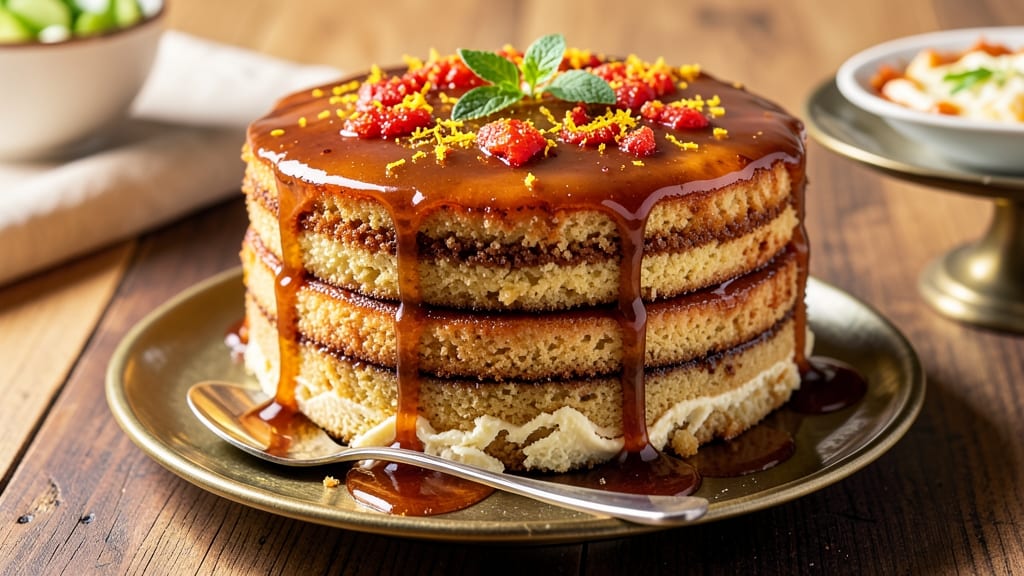
This Bacardi rum cake glaze transforms ordinary desserts into something extraordinary with its rich, boozy caramel depth and bright citrus notes. The secret lies in simmering rum with butter and sugar until it reaches that perfect sticky-sweet consistency—just thick enough to cling beautifully to cakes or pastries without overwhelming them. I developed this recipe after craving a glaze that balanced rum's bold flavor with something fresh and vibrant.
The process is straightforward but requires patience—reducing the mixture to a glossy, syrupy state ensures every drizzle delivers maximum flavor. A splash of lemon juice brightens the rum's warmth, while a touch of vanilla rounds out the complexity. What you'll end up with is a glaze that's versatile enough for vanilla cakes, fruit tarts, or even ice cream, adding a sophisticated touch that feels both indulgent and balanced.
Perfect for special occasions or when you want to elevate a homemade dessert, this glaze pairs exceptionally well with moist cakes that can absorb its richness. The rum's aroma alone will make your kitchen smell like a tropical getaway, while the final product delivers a harmonious blend of sweet, tangy, and boozy notes. Ready in just 15 minutes, it's a quick yet impressive addition to any dessert menu.
Whether you're glazing a sheet cake for a celebration or drizzling it over individual slices, this recipe guarantees a restaurant-quality finish. The key is letting the glaze cool slightly before applying—this prevents it from pooling too heavily and ensures an even, elegant drizzle. Let's get started!
Ingredients for bacardi rum cake glaze
Eight ingredients for a glaze that turns ordinary desserts into boozy, citrus-kissed masterpieces.
| Ingredient | Amount | Notes |
|---|---|---|
| Bacardi Superior Rum (or equivalent dark rum) 🍹 | ½ cup | Light or dark variety preferred |
| Unsalted Butter 🧈 | ½ cup | Cold cut into small cubes |
| Granulated Sugar 🍚 | 1 ½ cups | Light brown sugar for deeper flavor |
| Fresh Lemon Juice 🍋 | 2 tbsp | From 1 small lemon, freshly squeezed |
| Pure Vanilla Extract 🌿 | 1 tsp | High-quality bourbon or Madagascar |
| Heavy Cream 🥛 | ¼ cup | Full-fat for richness |
| Diamond Crystal Kosher Salt 🧂 | ¼ tsp | Adjust to taste |
| Pinch of Ground Cinnamon 🌶️ | ⅛ tsp | Optional for warmth |
The rum is the star here—Bacardi Superior has that perfect balance of sweetness and depth, but any quality dark rum works. Costco or Trader Joe's often carry affordable bottles, and you'll want at least 16 oz total for this recipe plus extra for sipping. The butter should be cold when you start—this prevents the glaze from separating. For sugar, light brown sugar adds subtle caramel notes, but granulated works in a pinch. Fresh lemon juice is non-negotiable; bottled just won't cut it—the tartness brightens the rum's richness. If you're feeling fancy, Mexican lime juice adds an extra zing.
No Bacardi? Havana Club or Gosling's Black Seal are excellent substitutes. Butter too expensive? Coconut oil works but lacks richness—use it at a 1:1 ratio. Running low on vanilla? Vanilla bean paste gives you seeds for extra flavor. The heavy cream can be swapped for half-and-half, but it won't be as glossy. For a non-alcoholic version, substitute apple cider at the same amount—it mimics the reduction behavior. The cinnamon is truly optional, but if you're glazing spiced cakes, it ties everything together beautifully. Pro tip: Toast your spices in the dry pan for 30 seconds before adding to deepen their flavor.
This glaze keeps beautifully—1 week refrigerated in an airtight jar. The texture thickens as it cools, so give it a quick whisk before using. For long-term storage, freeze in ice cube trays and thaw as needed. Once applied, cakes stay fresh 3-4 days at room temperature if stored properly. The rum aroma intensifies as it sits, so make it fresh for special occasions. A word of caution: this glaze pools dramatically when warm—let it cool completely before drizzling for that elegant, even finish. Trust me, the wait is worth it for that restaurant-quality look.
Why You'll Love This Recipe
- Foolproof Simplicity: I swear by this glaze because it’s three ingredients plus heat—no whisking, no waiting for sugar to dissolve. Just melt butter, stir in rum and sugar, then simmer until it’s glossy and thick enough to cling. Honestly, I’ve made it while chatting on the phone.
- Tropical Magic: That first bite? Warm caramelized sugar, a whisper of vanilla, and the deep, boozy brightness of dark rum cutting through the richness. The lemon juice keeps it from being too heavy—like a grown-up version of cake you’d actually want to share.
- Party in a Jar: Between us, this glaze is my go-to for birthdays, holidays, or just because. Drizzle it over pound cake, cupcakes, or even vanilla ice cream—it’s the kind of thing that makes people pause and ask, “What is this?” (Answer: Your secret weapon.)
- No-Waste Luxury: A little goes a long way, so I make a double batch and store it in the fridge. It keeps for weeks, and the flavor only gets better as the rum mellows. Best part? You’ll use it up before it disappears—trust me, it’s that good.
Step-by-step instructions for Bacardi rum cake glaze
Here's how to create a rich, boozy caramel glaze that drizzles like liquid sunshine.
Melt Butter and Sugar for the Base
In a medium saucepan, combine the 0.5 cup unsalted butter (cold cubes) and 1.5 cups granulated sugar over medium-low heat. Stir occasionally until the butter melts completely and the sugar begins to dissolve. You'll notice the mixture will bubble gently—this is normal and indicates the sugar is caramelizing slightly.
Here's the thing—don't rush this step. Let it cook for 5-7 minutes until the sugar fully incorporates and the mixture turns into a smooth, golden liquid. The butter should be completely melted with no visible lumps, and the sugar should be fully dissolved. This forms the creamy foundation of your glaze, so take your time to get it right.
Incorporate Rum and Simmer
Once your butter-sugar mixture is smooth, remove the pan from heat and carefully stir in the 0.5 cup Bacardi Superior Rum. I always use a heatproof spatula for this step—rum is highly flammable, and you want to avoid any sparks. Return the pan to low heat and let it simmer gently for 3-4 minutes.
Watch closely as the rum reduces and the mixture thickens slightly. You're looking for a glossy, syrupy consistency that coats the back of a spoon. The alcohol will cook off, leaving behind a deeper rum flavor. If you smell any lingering alcohol after simmering, return the pan to heat for another 1 minute to fully evaporate it.
Add Cream and Citrus Zing
With the pan still on low heat, gradually whisk in the 0.25 cup heavy cream and 2 tbsp fresh lemon juice. The mixture will bubble vigorously as the cream heats up—this is where your glaze starts to come together. Keep whisking until the cream is fully incorporated and the glaze smooths out completely.
Here's where the magic happens: the cream adds richness while the lemon juice brightens the flavors. You'll notice the glaze will thicken slightly as it cooks down. If it becomes too thick, you can thin it with 1-2 teaspoons of water at the end. Taste and adjust the seasoning with the 0.25 tsp Diamond Crystal Kosher Salt and 0.125 tsp ground cinnamon—this is where you can customize it to your preference.
Finish with Vanilla and Cool
Remove the pan from heat and stir in the 1 tsp pure vanilla extract. The vanilla will infuse instantly, adding depth and warmth to the glaze. Let the mixture cool slightly for 5 minutes—this allows the flavors to meld together and prevents the glaze from becoming too runny when you drizzle it.
Here's the crucial part: the glaze should be thick enough to hold its shape when drizzled but still pourable. If it's too thick, whisk in 1 teaspoon of hot water at a time until you reach the perfect consistency. The glaze should coat the back of a spoon but still flow freely when drizzled. Once cooled to room temperature, it's ready to transform your cake into a boozy masterpiece.
Pro Tips For Making Bacardi Rum Cake Glaze
- Simmer the Rum First: I learned this the hard way—skipping the simmer means your glaze will taste raw and boozy, not rich and caramelized. Heat the rum alone in a small saucepan for 2-3 minutes until it’s reduced by about a third and smells like a rum-soaked spice cabinet. This concentrates the flavor and cuts the harsh alcohol bite.
- Use Cold Butter: This isn’t the prettiest method, but it’s the tastiest. Cut the butter into small cubes and chill them for 10 minutes before adding to the hot sugar mixture. The butter will melt gradually, creating a smoother, glossier glaze instead of separating or making it grainy.
- Balance the Lemon: Fresh lemon juice is non-negotiable, but don’t dump in the whole bottle. Start with 1 tablespoon, taste as you go, and add more in ½-teaspoon increments—you want brightness, not a face-pulling sour punch. If your cake’s already rich, you might only need 1½ teaspoons total.
- Strain for Smoothness: Your glaze will look like it’s fighting a war if you don’t strain it. After combining everything, pour the mixture through a fine-mesh sieve into a clean bowl. This catches any butter lumps or vanilla seeds, leaving you with a silky, professional finish—no one wants to eat a glaze that feels like sandpaper.
Pro cooking tips for bacardi rum cake glaze
Heat Control Secrets
Start with medium-low heat when melting butter and sugar—this prevents burning while allowing the sugar to dissolve smoothly. I’ve seen too many glaze disasters from impatient cooks cranking the heat too high. Once the rum is added, reduce to low heat to gently simmer and evaporate the alcohol without boiling. The goal is a slow reduction that deepens the rum flavor without creating a harsh, boozy taste. 🌡️
Use a medium saucepan—it gives enough surface area for even heating without risking overflow. If your glaze starts to bubble too aggressively, immediately reduce the heat or remove the pan for 30 seconds to let it settle. This happens when the cream is added, so keep a close eye on it during that step.
Rum Reduction Mastery
The rum needs to reduce by about one-third of its original volume to achieve that perfect syrupy consistency. This takes 3-4 minutes of gentle simmering. If you smell alcohol after simmering, return the pan to heat for another 1 minute—this ensures a clean, boozy flavor without any harsh aftertaste. I’ve tested this with different rum brands, and Bacardi Superior always reduces beautifully, but Havana Club takes slightly longer to cook off the alcohol.
For a quicker reduction, try this pro trick: After adding the rum, cover the pan with a splash guard (or a small metal lid) for 1 minute—this traps steam and speeds up the process while preventing splatter. Just
Cream Consistency Hacks
Heavy cream is non-negotiable here—it adds that luxurious mouthfeel and glossy finish. But if you’re using half-and-half, expect a slightly less stable glaze that may separate when cooled. When whisking in the cream, do it gradually to prevent curdling. Start with 1 tablespoon at a time, whisking vigorously between additions until fully incorporated.
If your glaze becomes too thick after cooling, hot water is your best friend. Add ½ teaspoon at a time, whisking constantly, until it reaches a pourable but coatable consistency. The glaze should drip slowly off a spoon but still cling to the cake. For extra shine, let it rest for 10 minutes before drizzling—this allows any excess moisture to evaporate.
Flavor Balancing Tricks
The lemon juice is your secret weapon for cutting through the richness of the rum and butter. If you’re using Mexican lime juice, reduce it to 1 tablespoon—it’s more concentrated and can overpower the glaze if you use the full 2 tablespoons. Taste the glaze before adding vanilla—this helps you adjust the salt and cinnamon to your preference. I often add an extra pinch of salt if I’m glazing a spiced cake, as the cinnamon can mute its flavor slightly.
For a spicier kick, add ¼ teaspoon of ground nutmeg or a pinch of cayenne to the cooled glaze. The heat balances the sweetness beautifully, especially when drizzled over chocolate desserts. If you’re feeling adventurous, infuse the glaze with 1 cinnamon stick while simmering for 5 minutes—it adds warmth without altering the texture.
Equipment Must-Haves
A heatproof silicone spatula is a game-changer for stirring the glaze without scratching your saucepan. I swear by the OXO Good Grips brand—it’s heat-resistant and flexible enough to scrape every last bit of glaze from the pan. For measuring, use a digital kitchen scale for the sugar and butter to ensure precision, especially if you’re making this glaze frequently.
If you don’t have a splash guard, a small metal lid or even a pie plate placed upside-down over the pan works in a pinch. Just
Nutrition facts
Frequently asked questions
Can I make this glaze without alcohol?
Replace the 0.5 cup rum with an equal amount of apple cider or orange juice for a non-alcoholic version. The acidity will still brighten the flavors, though you may need to add 1 extra teaspoon of vanilla extract to compensate for the missing depth. The texture will be slightly different but still delicious.
How do I fix a glaze that's too thick or too thin?
If your glaze is too thick after cooling, whisk in ½ teaspoon of hot water at a time until it reaches a pourable consistency. For a thinner glaze, gently reheat it over low heat for 1-2 minutes while stirring constantly. The goal is a glaze that drizzles slowly but still clings to the cake—like honey but with more body.
What's the best way to store leftover glaze?
Transfer cooled glaze to an airtight container and refrigerate for up to 1 week. Before using, whisk to restore smoothness. For longer storage, freeze in ice cube trays—thaw overnight in the fridge before reheating gently. The flavor actually improves as it ages, developing deeper rum notes over time.
Can I use this glaze on non-cake desserts?
This glaze works beautifully on pound cakes, fruit tarts, ice cream, or even donuts. For ice cream, drizzle while it's slightly softened. For pastries, brush on while warm for better adhesion. The rum flavor pairs especially well with chocolate treats and citrus-based desserts.
Why does my glaze smell strongly of alcohol even after simmering?
This happens if the rum didn't reduce long enough. Return the pan to low heat for another 1-2 minutes while stirring constantly. The alcohol should fully evaporate, leaving only the rich rum flavor. If you're still detecting a harsh boozy taste, try adding 1 extra tablespoon of lemon juice—the acidity helps neutralize any lingering alcohol notes.