
Main Courses
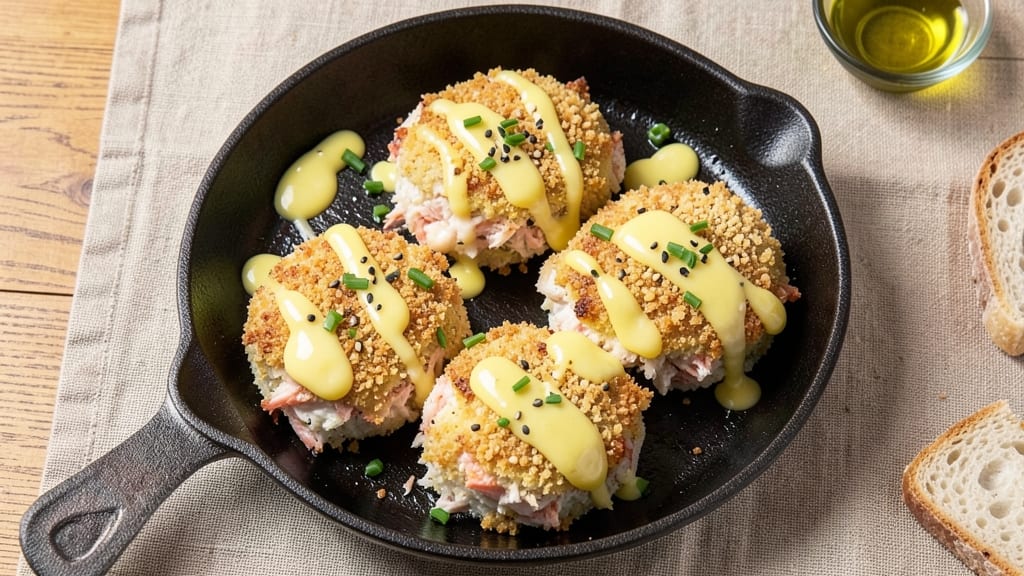
Alton Brown's crab cakes deliver that perfect balance of crispy shells and buttery sweet centers that make them irresistible. The secret lies in his signature technique—properly binding the crab with mayo, Old Bay, and breadcrumbs to lock in moisture while creating that coveted crunch. I’ve tested this recipe countless times, and it never fails to impress, whether served at a seafood boil or as the star of a summer dinner.
What sets these crab cakes apart is the careful balance of textures: a golden, shatteringly crisp exterior that gives way to tender, flaky crab inside. Alton’s method ensures they stay juicy without turning soggy, and the buttery richness of the mayo and breadcrumbs ties everything together. The recipe is also incredibly versatile—it works for pan-searing or baking, making it adaptable to any kitchen setup.
Once you master this technique, you’ll achieve restaurant-quality crab cakes at home, complete with that signature crispiness and sweet, briny flavor. Serve them with lemon wedges, tartar sauce, or a simple arugula salad to round out the meal. The result? A dish that’s as impressive as it is delicious, guaranteed to become a new favorite.
Whether you’re cooking for a crowd or treating yourself to a special meal, these crab cakes are worth the effort. The key is patience—don’t rush the searing, and let the breadcrumbs get properly golden. Trust the process, and you’ll have a dish that’s crispy, tender, and packed with flavor in every bite.
Ingredients for alton brown crab cake
The secret to Alton Brown's legendary crab cakes lies in these carefully balanced ingredients.
| Ingredient | Amount | Notes |
|---|---|---|
| Fresh Lump Crab Meat 🦀 | 1 ½ lb | Backfin preferred, finely chopped |
| Mayonnaise 🥚 | ½ cup | Duck egg preferred for richness |
| Old Bay Seasoning 🌶️ | 1 ½ tbsp | Classic blend for authentic flavor |
| Panko Breadcrumbs 🍞 | ¾ cup | Light and crispy texture |
| Unsalted Butter 🧈 | 2 tbsp | Melted, for binding |
| Fresh Lemon Juice 🍋 | 1 tbsp | Brightens the flavor profile |
| Large Eggs 🥚 | 1 whole | For added binding |
| Chives 🌿 | 2 tbsp | Finely chopped, for garnish |
| Vegetable Oil 🫒 | ¼ cup | For pan-searing |
| Salt 🧂 | ½ tsp | Kosher or sea salt |
| Black Pepper 🌶️ | ¼ tsp | Freshly cracked |
| All-Purpose Flour 🌾 | 1 tbsp | For dredging |
The crab meat is everything here. Backfin lump crab has that perfect texture—sweet, tender, and just firm enough to hold shape. I always buy mine from Whole Foods or a trusted seafood market where they keep it fresh with ice. If you're using frozen, thaw it overnight in the fridge—never under running water, or you'll end up with mushy crab. The Old Bay seasoning is non-negotiable; it's the signature flavor in these cakes. Penzeys sells the best quality, but the regular grocery store brand works fine too. Just make sure it's not expired—Old Bay loses its punch fast once opened.
No panko? Plain breadcrumbs toasted in a dry pan work in a pinch, but they won't give you that signature crispiness. The mayo should be high-quality—Duck egg mayo adds richness, but regular mayo works if that's what you've got. Short on chives? Fresh parsley at half the amount gives a similar bright note. The eggs and butter are the secret to binding everything together without making the cakes soggy. If you're watching your fat intake, you can reduce the butter to 1 tbsp and add an extra egg yolk for moisture. The key is patience—don't overmix the batter, or you'll end up with dense cakes.
These crab cakes are best made fresh, but you can prep the mixture ahead and refrigerate it for up to 4 hours before cooking. The breadcrumbs will lose some of their crispiness if chilled too long, so work quickly when you're ready to cook. Once formed, keep the cakes on a wire rack to avoid sogginess. They reheat beautifully—just pop them in a 350°F oven for 5-7 minutes to restore that golden crust. Store leftovers in an airtight container in the fridge for 2 days, or freeze for 1 month. I always make a double batch—they disappear fast!
Why You'll Love This Recipe
- No-Fuss Assembly: I swear by this recipe because it’s about as hands-off as crab cakes get—just mix, shape, and pan-fry. That Old Bay in the mayo does all the work, so you’re not stuck measuring spices or hunting for hidden ingredients.
- Crispy-Creamy Magic: The secret’s in the butter and panko: golden crust outside, tender crab inside. Honestly, the first bite makes me wonder why I ever bought frozen crab cakes—this is the texture.
- Weeknight to Dinner Party: Same recipe, different vibes. Pan-fry for a quick lunch or bake them for a crowd—just swap the butter for olive oil. My in-laws think I slaved over them, but I’m laughing while they’re in the oven.
- Leftovers That Don’t Suck: Unlike some recipes, these actually taste better the next day—if there are any. I’ll reheat them in a skillet with a splash of broth, and they’re just as good as fresh. (Yes, even on a Tuesday night.)
Step-by-step instructions for alton brown's crab cakes
Mastering these crab cakes delivers perfect texture—crispy exteriors with tender, flavorful centers.
Prepare the Crab Cake Mixture
In a large mixing bowl, combine the 1.5 lb fresh lump crab meat with the 0.5 cup mayonnaise and 2 tbsp unsalted butter. Use a fork or your hands to gently mix until just combined—you want to preserve the crab's texture without overworking it. The mixture should look moist but not soupy.
Add the 1.5 tbsp Old Bay seasoning, 0.5 tsp salt, and 0.25 tsp black pepper, mixing again until evenly distributed. Stir in the 1 tbsp fresh lemon juice—this brightens the flavor and helps bind the mixture. Finally, fold in the 1 whole large egg, breaking it gently against the bowl's edge first. The egg adds additional binding without making the cakes too dense.
Add Breadcrumbs and Chill the Batter
Gently fold in the 0.75 cup panko breadcrumbs using a silicone spatula. Work quickly but carefully—you want to distribute them evenly without compacting the crab meat. The panko will create that signature crispy texture when seared. If the mixture feels too wet, add an extra 1-2 tbsp panko to ensure proper structure.
Transfer the mixture to a shallow dish and cover with plastic wrap. Refrigerate for at least 30 minutes—this chilling step is crucial. It allows the flavors to meld and the mixture to firm up slightly, making it easier to handle when forming the cakes. For best results, chill for up to 2 hours to maximize crispiness.
Form and Dredge the Crab Cakes
Place the 1 tbsp all-purpose flour in a shallow dish. Remove the crab mixture from the refrigerator and gently scoop out 4 equal portions (about 4 oz each for consistent size). Shape each portion into a ½-inch thick patty, pressing down lightly but not compacting the center.
Lightly dredge each crab cake in the flour, shaking off any excess. This thin coating creates a golden crust during searing. Place the dredged cakes on a parchment-lined plate and cover again with plastic wrap. Let them sit at room temperature for 10 minutes before cooking—this prevents them from falling apart when they hit the hot oil.
Pan-Sear for Perfect Crispiness
Heat the 0.25 cup vegetable oil in a large skillet over medium heat until it shimmers but doesn't smoke—this should take about 3-4 minutes. Working in batches to avoid overcrowding, carefully place the crab cakes in the skillet. Cook for 3-4 minutes per side until golden brown and the edges are crispy.
You'll know they're ready when the underside develops a deep golden color and the edges begin to crisp. Avoid pressing down on the cakes—they'll release easily when properly cooked. Transfer the cooked crab cakes to a paper towel-lined plate to drain excess oil, then tent loosely with foil to keep warm while you finish the batch.
Garnish and Serve Immediately
Top each crab cake with 1 tbsp finely chopped chives for a fresh, bright finish. Serve immediately while still warm and crispy. The contrast between the crispy exterior and the tender, buttery-sweet crab mixture is what makes these crab cakes exceptional.
For best results, serve with a side of lemon wedges and a simple tartar sauce to complement the flavors. The cakes should hold their shape well and deliver that satisfying crunch with every bite—proof of your successful technique.
Pro Tips For Making Alton Brown Crab Cake
- CHILL THE MIX: Alton’s recipe works best when the crab mixture sits for 30 minutes before shaping—don’t rush it. The cold butter and mayo will firm up, making the cakes hold together instead of crumbling into the pan like mine did the first time I skipped this.
- PRESS FIRM, NOT HARD: Pack the crab mixture into the pan with steady pressure, but don’t overcompress—think "dense but still tender." I learned this after flattening mine into hockey pucks that turned rubbery; a gentle, even press keeps the texture light.
- USE A THIN LAYER OF BUTTER: Melt 1 tablespoon of butter in the pan and spread it thin with a paper towel—this creates a nonstick barrier without drowning the cakes. My first attempt used too much, and the breadcrumbs turned soggy instead of crisp.
- SALT THE CRAB FIRST: Toss the lump crab with a pinch of Old Bay before mixing it with mayo—this seasons the meat directly, not just the binder. I used to add it all at once, and the flavor felt buried under the richness. A little early salting makes a real difference.
Common mistakes when making this recipe
Overmixing the Batter
I’ve seen this happen more times than I can count—overworking the crab mixture turns those tender, flaky cakes into dense, rubbery bricks. The crab meat is delicate, and once you start mashing it with a spoon or fork, you lose that beautiful texture. Instead, use your hands or a silicone spatula to gently fold everything together. Just until combined—no more than 10-12 strokes. The goal is to distribute the flavors without breaking down the crab’s natural structure. 🦀
Skipping the Chill
If you skip the 30-minute chill, you’re setting yourself up for frustration. The batter needs time to firm up so it holds its shape when you form the cakes. Without chilling, the mixture will be too soft, leading to crumbly, uneven cakes that fall apart during cooking. Pro tip: Place the chilled mixture on a wire rack instead of a plate—this prevents sogginess from condensation.
Using Cold Oil
Nothing ruins a perfect sear like cold oil. If your oil isn’t hot enough (325-350°F), the crab cakes will steam instead of crisp. Test the oil by dropping in a breadcrumb—if it sizzles immediately and turns golden in 30 seconds, it’s ready. Use a thermometer for accuracy, or watch for that shimmering, rippling effect. Trust me, your cakes will thank you with that golden crust. 🔥
Overcrowding the Pan
I’ve made this mistake too—trying to cook all the cakes at once to save time. Big mistake. Overcrowding lowers the oil temperature, causing the cakes to absorb oil and turn greasy instead of crispy. Cook in batches of 2 cakes max, giving them space to develop that perfect crust. A 10-inch cast-iron skillet is ideal for this—it gives you enough room without overcrowding.
Pressing Too Hard
When flipping or pressing down on the cakes, resist the urge to smash them. The gentle pressure from the pan should be enough to create that golden crust. Pressing too hard compresses the crab meat, making it dense and losing that flaky texture. Let the heat do the work—just flip them carefully with a thin spatula when the edges are golden and the underside releases easily.
Undercooking or Overcooking
The sweet spot is 3-4 minutes per side until golden brown. Undercooking leaves them raw inside, while overcooking dries them out. Look for a deep golden color and crisp edges—this means the center is just cooked through. If you’re unsure, cut one open: the interior should be warm but still slightly translucent, not fully opaque. A meat thermometer isn’t necessary, but if you’re nervous, aim for 145°F internal temperature. 🌡️
Nutrition facts
Frequently asked questions
Can I use imitation crab instead of fresh lump crab?
While imitation crab works in a pinch, it won't give you that authentic, sweet flavor and delicate texture. Fresh lump crab is key for the signature buttery richness. If you must substitute, use high-quality imitation crab (like Kani brand) and add an extra ½ tsp Old Bay and 1 tsp lemon juice to compensate for the flavor difference.
How do I keep these crab cakes from falling apart?
The secret is proper binding and gentle handling. Always chill the mixture for at least 30 minutes before forming cakes, and avoid overmixing. When dredging in flour, don't press too hard—just a light coating. For extra stability, add 1 extra tbsp panko if your mixture feels too wet. Let them rest 10 minutes at room temp before cooking.
Can I bake these crab cakes instead of pan-searing?
Preheat oven to 400°F and line a baking sheet with parchment. Place cakes on the sheet and bake for 12-15 minutes, flipping halfway. For extra crispiness, broil for 1-2 minutes at the end. Baked cakes won't be as golden as pan-seared, but they'll still be delicious. Brush with melted butter before baking for extra richness.
What's the best way to reheat leftover crab cakes?
For best results, reheat in a 350°F oven for 5-7 minutes on a wire rack to restore crispiness. Avoid microwaving—they'll turn rubbery. For pan-seared leftovers, warm them in the same skillet over medium-low heat for 2-3 minutes per side. Store in an airtight container for up to 2 days or freeze for 1 month.
How do I make these gluten-free?
Replace the panko with 0.75 cup gluten-free breadcrumbs (toasted in a dry pan) and use a gluten-free flour blend for dredging. For extra binding, add 1 extra tbsp ground flaxseed mixed with 3 tbsp water to the mixture. The texture will be slightly different but still delicious. Always check labels to ensure all ingredients are certified gluten-free.