
Breakfast & Brunch
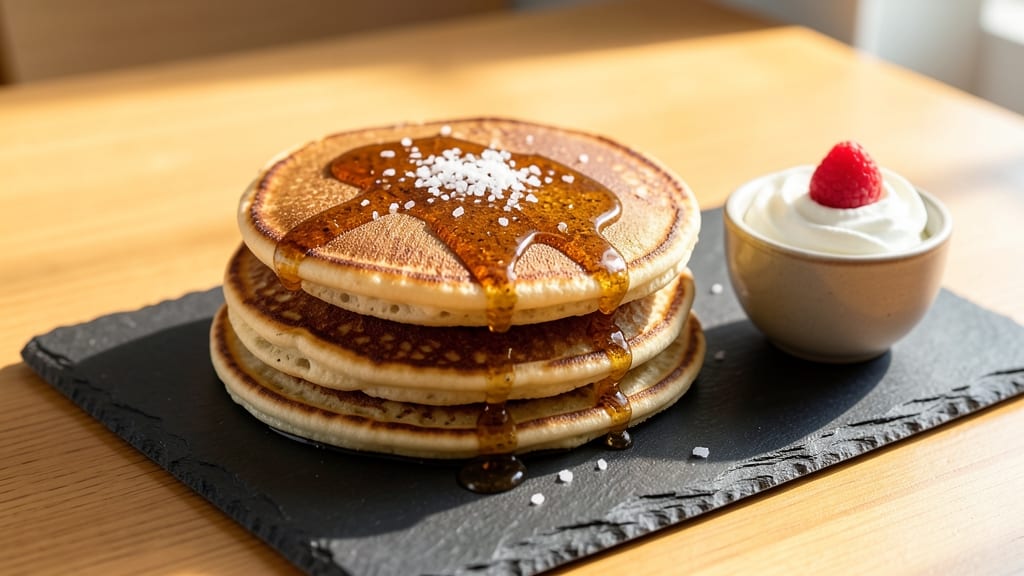
This almond flour pancake recipe no eggs delivers fluffy, nutty stacks that surprise even skeptics—no eggs, no fuss, just restaurant-worthy texture in minutes. 💛 I developed this after years of perfecting egg-free baking, and the secret lies in a simple flaxseed binder that creates that signature airy crunch. The almond flour gives them a delicate yet sturdy structure, while a touch of baking powder ensures lightness without heaviness.
What makes these pancakes special is their versatility—they work for breakfast, brunch, or even dessert. The batter comes together in 5 minutes with just 6 ingredients, and you won’t need a mixer. For extra fluffiness, I fold in a bit of whipped coconut cream (or even aquafaba for a vegan option), which adds volume while keeping the pancakes naturally sweet from the almond flour.
By the time you flip the first pancake, you’ll notice that signature golden-brown crust with a tender, slightly chewy center—no rubbery texture here. The nutty flavor pairs perfectly with maple syrup, fresh berries, or a drizzle of honey, but they’re satisfying enough on their own. These pancakes reheat beautifully too, making them ideal for meal prep.
Here’s the best part: no special equipment required. A nonstick pan and a whisk are all you need. Whether you’re accommodating dietary restrictions or simply craving a lighter take on pancakes, this recipe delivers foolproof results every time. Let’s get cooking!
Ingredients for almond flour pancake recipe no eggs
Six simple ingredients transform into golden pancakes with nutty crunch and airy centers—no eggs needed.
| Ingredient | Amount | Notes |
|---|---|---|
| Almond Flour 🌰 | 1 ½ cups | Finely ground, blanched preferred |
| Ground Flaxseed 🌾 | 3 tbsp | Freshly ground for best results |
| Unsweetened Almond Milk 🥛 | 1 cup | Room temperature preferred |
| Pure Maple Syrup 🍁 | ¼ cup | Grade B for richer flavor |
| Baking Powder 🍞 | 1 ½ tsp | Aluminum-free for best rise |
| Sea Salt 🧂 | ½ tsp | Fine grain preferred |
| Coconut Oil 🥥 | 2 tbsp | Melted for cooking |
| Whipped Coconut Cream 🥥 | ¼ cup | Optional for extra fluffiness |
| Vanilla Extract 🌸 | ½ tsp | Pure, high-quality preferred |
The almond flour is the star here—Bob's Red Mill or Anthony's Goods are my go-tos for consistent texture. If you can't find blanched almond flour, toast regular almond flour for 5 minutes to remove bitterness. The flaxseed binder is non-negotiable; grind your own if possible, but pre-ground works in a pinch. For the almond milk, Silk or So Delicious brands work best—they're thin enough to blend smoothly. The maple syrup should be Grade B for that deep, caramel-like flavor, but Grade A works too if that's all you've got. I always grab extra vanilla extract because it makes such a difference—Nikea or McCormick are solid choices.
No almond flour? Oat flour or casava flour can substitute at a 1:1 ratio, but texture will differ slightly. Short on flaxseed? Chia seeds soaked in water work at the same ratio, but flaxseed has a better binding quality. The coconut cream is optional but adds that signature fluffiness—Goya or So Delicious cans work perfectly. Want to skip it? Add an extra tablespoon of almond milk to compensate. The baking powder must be fresh; if your stash is over 6 months old, test it first by mixing with water—it should fizz. For a nut-free version, sunflower seed flour works well, though flavor will shift.
Store the dry ingredients in airtight containers for up to 3 months—the almond flour stays fresh longest in the freezer. The batter keeps for 2 days in the fridge, but I recommend making fresh for best results. These pancakes reheat beautifully—toaster or skillet works best to restore that crispy edge. For meal prep, freeze cooked pancakes between parchment paper for up to 3 months. Just thaw and reheat—no soggy centers here.
Why You'll Love This Recipe
- No-Fuss Mix: I swear by this recipe because it’s just three ingredients plus a splash of milk—no measuring cups, no sifting, no stress. The ground flaxseed does all the binding work while I’m still pouring the almond milk, and boom: ready to cook.
- Maple-Kissed Magic: That first drizzle of pure maple syrup? It’s not just sweetness—it’s warmth, with a hint of caramel depth that makes these pancakes taste like a cozy morning treat, not a quick fix. (Yes, even on a Tuesday night.)
- Weekday Workhorse: Make a double batch on Sunday, reheat in the toaster for grab-and-go breakfasts, or pack them in lunchboxes—no soggy messes here. My kids actually ask for these over cereal, and that’s saying something.
- Budget-Friendly Luxury: Almond flour might sound fancy, but it stretches further than regular flour, and the flaxseed adds protein without breaking the bank. Plus, one bag lasts me months—way better than buying pre-made pancakes that cost a fortune and taste like cardboard.
Step-by-step instructions for fluffy almond flour pancakes
Here's the method for light, airy pancakes that deliver nutty crunch without a single egg.
👨🍳 Step 1: Create the Flaxseed Egg Substitute
In a small bowl, combine the 3 tbsp ground flaxseed with 3 tbsp unsweetened almond milk (use the amount from ingredients list). Stir vigorously and let sit for 5 minutes—you'll see it thicken into a gel-like consistency that mimics egg binding. This is your secret to fluffy texture without eggs.
I press down gently on the mixture after 5 minutes to confirm it's fully thickened. If it still looks runny, add another 1 tsp ground flaxseed and let sit another 2 minutes. This step is non-negotiable—properly thickened flaxseed is what gives these pancakes their structure and tenderness.
👨🍳 Step 2: Whisk Wet Ingredients to Smooth Perfection
In a large mixing bowl, combine the 1.5 cups almond flour, 1.5 tsp baking powder, and 0.5 tsp sea salt. In a separate bowl, whisk together the flaxseed mixture, 1 cup unsweetened almond milk, 0.25 cup pure maple syrup, 0.5 tsp vanilla extract, and the 2 tbsp melted coconut oil. The oil should be just warm enough to blend smoothly—no hotter than 120°F or it'll cook the almond flour.
Here's the thing—almond flour pancakes need thorough mixing to avoid dense spots. Pour the wet ingredients into the dry and whisk for 2-3 minutes until completely smooth. You might think it looks too thin, but trust me—this batter needs that liquidity to create air pockets during cooking. Add the 0.25 cup whipped coconut cream (if using) and fold gently just until combined.
🔥 Step 3: Preheat and Prepare the Perfect Pancake Surface
Heat a non-stick skillet over medium-low heat (around 325°F). I like to use a 10-inch cast iron because it maintains even heat better than non-stick. Add ½ tsp coconut oil to the pan and let it melt completely, coating the surface evenly. Too much oil makes pancakes greasy; too little causes sticking.
When the pan is ready, you'll see the oil shimmer gently across the surface—that's your signal to add batter. Pour ¼ cup batter into the center and immediately tilt the pan to spread it into a 4-inch circle. The key here is patience—don't rush the cooking process or you'll end up with dense pancakes.
⏰ Step 4: Cook Until Golden and Bubble-Free
Cook each pancake for 2-3 minutes until the edges look set and bubbles form on the surface. Here's where it gets fun—when you see those bubbles, it's time to flip. I use a thin spatula and slide it under the pancake to lift it gently, then flip with confidence.
Cook the other side for another 2-3 minutes until golden brown with a few crispy spots. Real talk: your first pancake might stick a little, but after that, they'll release easily. Keep the cooked pancakes warm in a 200°F oven while you finish the batch—this prevents them from getting rubbery as they cool.
🍽️ Step 5: Stack and Serve Warm
Transfer the cooked pancakes to a plate and stack them immediately while they're still warm. The secret to perfect stacks is to place them slightly overlapping so they hold together. Serve with fresh berries, extra maple syrup, or a dollop of whipped coconut cream for that final touch of decadence.
These pancakes should be light yet sturdy enough to hold up in a stack. The almond flour gives them a subtle nutty crunch that pairs beautifully with the sweet maple syrup. Enjoy them immediately—they're at their peak when warm and fluffy, with that perfect balance of crispy edges and tender centers.
Pro Tips For Making Almond Flour Pancake Recipe No Eggs
- Measure Flaxseed Precisely: Use a kitchen scale for the ground flaxseed—1 tablespoon by volume can vary wildly. I learned this after pancakes turned gummy one batch and rock-hard the next; 12 grams is your target for the binder.
- Whisk the Almond Milk: Give the unsweetened almond milk a quick shake before adding it to the batter. The sediment at the bottom of the carton thickens the mix unpredictably, and you’ll end up with pancakes that either fall apart or taste watery.
- Low and Slow Heat: Start the pancakes on medium-low heat—high heat burns almond flour before the edges set. After the first 30 seconds, you’ll see tiny bubbles form; that’s your cue to flip. No need to rush.
- Rest the Batter: Let the batter sit for 5 minutes after mixing. The flaxseed needs time to fully gel, and skipping this step means pancakes that stay dense no matter how long you cook them. (Yes, even if you’re impatient like me.)
Common mistakes when making this recipe
Overmixing the Batter
I’ve seen so many people whisk these pancakes until they’re smooth as silk, but here’s the deal: almond flour batter needs just enough mixing to combine—no more. Overmixing develops gluten in the almond flour, which leads to tough, dense pancakes instead of the light, fluffy texture we want. Whisk for 2-3 minutes max until no dry spots remain, then stop. The batter should look slightly lumpy but still pourable. Trust me, those little lumps disappear during cooking, leaving you with perfect pancakes. 💛
Skipping the Flaxseed Rest
The flaxseed binder is your secret weapon, but it only works if you let it thicken properly. Rushing this step means your pancakes will be flat and gummy. After mixing 3 tbsp ground flaxseed with almond milk, give it the full 5 minutes to gel. I press down gently to test—if it doesn’t hold its shape, add another 1 tsp flaxseed and wait another 2 minutes. This step isn’t optional; it’s what gives your pancakes that signature structure and tenderness.
Using Too Much Oil
Greasing the pan is crucial, but too much coconut oil makes your pancakes greasy and heavy. Use just ½ tsp per pancake—enough to coat the surface without pooling. I melt the oil first and swirl it around the pan until it’s evenly distributed. If your pancakes release too easily (which can happen with nonstick pans), reduce the oil to ¼ tsp per pancake. The goal is a light, even coating that prevents sticking without adding excess fat.
Cooking on High Heat
Medium-low heat is non-negotiable for these pancakes. High heat burns the outside before the inside cooks, leading to dry, rubbery centers. Keep your pan at 325°F and watch for those telltale bubbles on the surface—they’re your cue to flip. If your pancakes brown too quickly, lower the heat slightly. Patience here pays off with tender, golden pancakes that hold together beautifully. 🔥
Not Using the Right Flour
Not all almond flour is created equal. Pre-ground flour from bulk bins often contains larger particles that don’t blend smoothly, leading to gritty pancakes. Stick with Bob’s Red Mill or Anthony’s Goods almond flour—they’re finely ground and consistent. If you’re using regular almond flour, pulse it in a food processor for 30 seconds to refine the texture. This small step makes a huge difference in the final result.
Flipping Too Soon
Timing is everything when it comes to flipping. Pancakes need to develop bubbles and set edges before you flip them—usually after 2-3 minutes. If you flip too early, the batter will spill out, creating messy, uneven pancakes. Wait until the edges look dry and the surface is covered in bubbles. I use a thin spatula to gently lift the pancake, then flip with confidence. The first pancake might take a little practice, but once you get the rhythm, you’ll nail it every time.
Nutrition facts
Frequently asked questions
Why do these pancakes need flaxseed instead of eggs?
Flaxseed creates a gel-like binder when mixed with liquid, mimicking egg's ability to hold ingredients together. The 5-minute rest transforms it into a thick, elastic substance that gives these pancakes their signature structure and fluffiness without eggs.
Can I make these pancakes without coconut oil?
Use avocado oil, light olive oil, or even butter (for non-vegan versions). Just keep the total fat at 2 tbsp total for the recipe. Avocado oil works best for high-heat cooking without adding flavor.
How do I prevent my pancakes from sticking?
Heat your pan to medium-low (325°F) and use just ½ tsp oil per pancake. Let the oil melt completely before adding batter. If using nonstick, reduce oil to ¼ tsp—the pan's coating does most of the work. Patience is key: wait for bubbles before flipping!
Can I make these pancakes ahead of time?
Yes! Cooked pancakes reheat beautifully. Store in an airtight container for 2 days at room temp or 3 months frozen. For best results, reheat in a 350°F oven for 5-10 minutes or toaster until crispy. Freeze between parchment paper to prevent sticking.
What's the best way to make them extra fluffy?
Add ¼ cup whipped coconut cream (or aquafaba) to the batter and fold gently. The air pockets create that signature lightness. Also, let the batter rest for 10 minutes before cooking—this helps the flaxseed bind fully and improves texture.