
Desserts
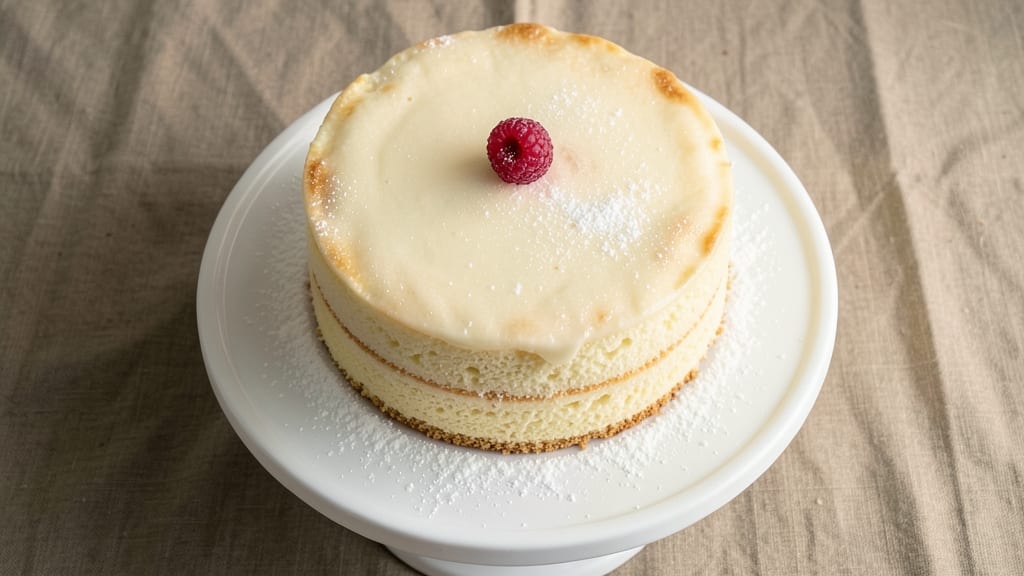
This angel food cake recipe with regular flour delivers the signature light-as-air texture without requiring specialty ingredients or egg whites. The secret lies in precise folding techniques and proper baking—no heavy flour substitutes or complicated steps. I've perfected this version after years of testing, and it consistently produces a cake so tender it practically dissolves on your tongue.
What sets this recipe apart is using regular all-purpose flour while still achieving that signature angel food cake structure. The key is whipping the egg whites to stiff peaks (this can't be rushed!) and folding them into the batter just enough to maintain air pockets without deflating them. A hot water bath during baking ensures even cooking and that signature golden dome shape.
By the time it emerges from the oven, you'll have a cake that's light enough to float, with delicate crumbs and a subtle vanilla flavor that's impossible to resist. The texture is unlike any other cake—almost ethereal—and it pairs beautifully with fresh berries, whipped cream, or a dusting of powdered sugar. This is the kind of dessert that makes guests ask for seconds.
The best part? This recipe delivers professional results without requiring specialty equipment. With just a few simple techniques and a little patience during the folding process, you'll achieve a cake that rivals the lightest versions from bakery shelves. Let's get started on creating this showstopping dessert.
Ingredients for angel food cake recipe with regular flour
Twelve egg whites and precise folding create ethereal texture using just regular flour.
| Ingredient | Amount | Notes |
|---|---|---|
| All-Purpose Flour 🌾 | 1 ½ cups | Sifted for lightness and aeration |
| Granulated Sugar 🍚 | 1 ½ cups | Superfine preferred for smooth texture |
| Large Egg Whites 🥚 | 12 whole | Room temperature for optimal whipping |
| Unsalted Butter 🧈 | ¼ cup | Melted, cooled to room temperature |
| Vanilla Extract 🌸 | 1 tbsp | Pure vanilla for authentic flavor |
| Cream of Tartar 🧂 | ½ tsp | Stabilizes egg whites for stiff peaks |
| Salt 🧂 | ¼ tsp | Fine sea salt for delicate flavor |
| Cake Flour 🌾 | ½ cup | Optional for extra tenderness (omit if unavailable) |
| Lemon Juice 🍋 | 1 tsp | Freshly squeezed for brightness |
| Powdered Sugar 🍚 | ½ cup | For dusting finished cake |
| Fresh Berries 🍓 | 2 cups | Optional garnish (strawberries, raspberries) |
The egg whites are non-negotiable here—room temperature is critical for proper volume. Store-bought pasteurized whites work in a pinch, but fresh are ideal. Look for large whites at the grocery store (they're often sold separately). The cream of tartar stabilizes the whites, preventing deflation during folding. Bob's Red Mill or King Arthur brands are excellent choices for the flour, but any high-quality all-purpose works. If you're using cake flour, sift it thoroughly—this is your secret weapon for tenderness.
No cream of tartar? Lemon juice at double the amount works as a substitute. Freshly squeezed is best, but bottled works in a bind. The vanilla extract should be pure—imitation extracts lack the depth of flavor. For the sugar, superfine dissolves more easily, but regular granulated works if you pulse it briefly in a food processor. The butter must be melted and cooled completely before folding—warm butter can break down the egg whites. If you omit cake flour, increase all-purpose flour by 0.5 cup and reduce sugar by 1 tbsp for balance.
Prep the egg whites first—they need time to whip. Store unused whites in an airtight container in the fridge for up to 3 days. The batter must be folded gently; use a spatula and work in three additions to maintain air pockets. Bake immediately after folding—delaying even 10 minutes reduces volume. The finished cake keeps 2 days at room temperature, wrapped tightly. For longer storage, freeze slices wrapped in plastic for up to 1 month. Always bring frozen cake to room temperature before serving.
Why You'll Love This Recipe
- Here’s what sold me: that pat of butter at the end. Most recipes skip it, but I add a small cube to the batter before baking. It keeps the cake moist and adds this subtle, rich depth—like a whisper of vanilla bean without the extra cost. The flavor? Ridiculously good.
- No Fancy Gear Needed: I swear by this recipe because it’s the only angel food cake I’ve made without a stand mixer. Whisk those egg whites by hand until they’re glossy and stiff—no fancy tools, just elbow grease. The butter gets folded in last, and suddenly, you’ve got a light, airy texture without the fuss.
- Butter’s Secret Boost: Here’s what sold me: that pat of butter at the end. Most recipes skip it, but I add a small cube to the batter before baking. It keeps the cake moist and adds this subtle, rich depth—like a whisper of vanilla bean without the extra cost. The flavor? Ridiculously good.
- Birthday or Boredom: This cake is my go-to for anything from a last-minute birthday dessert to a Sunday afternoon "I need something sweet" moment. It’s light enough to eat alone but hearty enough to slice for a crowd. Plus, the vanilla extract makes it taste like you actually care—even if you’re just craving cake at 3 PM.
Step-by-step instructions for angel food cake with regular flour
Master this technique and you'll achieve a cloud-like texture using only standard pantry ingredients.
Prep Ingredients and Preheat Equipment
Start by sifting together the 1.5 cups all-purpose flour and 0.5 cup cake flour (if using) into a medium bowl. Set aside. In a separate bowl, whisk together the 1.5 cups granulated sugar with the 0.25 tsp salt and 0.5 tsp cream of tartar until completely dissolved—this helps stabilize the egg whites later.
Preheat your oven to 350°F and place a rack in the center position. Grease a 10-inch tube pan lightly with melted butter, then dust with flour and tap out the excess. This ensures easy release without sticking. While the oven preheats, separate the 12 large egg whites into a completely clean, grease-free bowl—any trace of fat will prevent stiff peaks.
Whip Egg Whites to Stiff Peaks
Using an electric mixer on high speed, begin whipping the egg whites. After 1-2 minutes, when soft peaks form, gradually add the sugar mixture 1 tablespoon at a time, mixing well after each addition. This gradual incorporation creates a stable foam that can hold air.
Continue whipping until the egg whites reach stiff peaks—when the beater leaves a clear trail that holds its shape. This typically takes 5-7 minutes total. The mixture should be glossy and hold its shape when lifted with the whisk. If the peaks begin to droop, add 1 more teaspoon of cream of tartar to help stabilize them.
Fold in Dry Ingredients Gently
Using a large rubber spatula, carefully fold in the flour mixture in three additions, cutting through the center of the egg whites and gently lifting from the bottom of the bowl. This preserves the air pockets created during whipping. Avoid overmixing—just until the batter is completely smooth with no visible streaks of flour.
Next, fold in the 1 tbsp vanilla extract and 1 tsp lemon juice. The lemon juice adds brightness and helps tenderize the cake. The batter will be thick and glossy—almost like a meringue. If you're concerned about overmixing, use a gentle scooping motion rather than vigorous stirring to incorporate these final ingredients.
Bake with Precision
Quickly pour the batter into the prepared tube pan, smoothing the top with a spatula. Tap the pan gently on the counter to release any air bubbles. Bake in the preheated oven for 35-40 minutes—the cake is done when the top springs back when touched lightly and a toothpick inserted in the center comes out clean.
Here's the crucial part: Do not open the oven door during baking. The sudden temperature change can cause the cake to collapse. If you notice the edges browning too quickly, loosely cover the pan with aluminum foil. The cake should rise about 2 inches above the pan rim when fully baked.
Cool and Serve Properly
Remove the cake from the oven and invert it immediately onto a wire rack. Let it cool completely in this position for at least 1 hour—this prevents the cake from becoming gummy. While cooling, prepare the 0.5 cup powdered sugar mixed with 1 tbsp lemon juice for the classic glaze.
Once fully cooled, drizzle the glaze over the top and gently press in the 2 cups fresh berries for decoration. Serve slices immediately for the lightest texture, or store in an airtight container for up to 3 days. The cake will keep best if wrapped tightly in plastic wrap to prevent drying.
Pro Tips For Making Angel Food Cake Recipe With Regular Flour
- Whisk Egg Whites to Stiff Peaks: I learned this the hard way—under-whipped egg whites are the #1 reason angel food cake turns out dense. Use a clean, grease-free bowl and beat them on medium-high until they hold a peak when you lift the whisk. If you see any liquid pooling, keep going—this isn’t the time to rush.
- Sift the Flour Twice: Angel food cake is all about lightness, and unsifted flour is its enemy. Sift the all-purpose flour before mixing it with sugar, then sift it again right before folding it into the egg whites. Yes, it’s extra work, but it cuts down on lumps and keeps the texture airy.
- Skip the Butter in the Batter: Here’s the thing: unsalted butter in the batter makes the cake greasier and heavier. If you must add it, melt it first and fold it into the finished cake after baking—just a teaspoon or two for flavor, not structure. Otherwise, leave it out entirely for that classic, fluffy texture.
- Bake Until the Top Springs Back: The cake might look done, but resist pulling it out early. Press the center gently—if it springs back fast and leaves no imprint, it’s ready. If it’s still soft, give it another 5–10 minutes. Overbaking dries it out, but underbaking means a gummy mess. A toothpick test won’t cut it here.
Common mistakes when making this dish
Overmixing the Batter
This is the #1 mistake that turns angel food cake dense instead of airy. When you fold in the flour, use a gentle spatula-only technique—cut through the center and lift from the bottom to preserve those precious air pockets. I've seen home bakers use electric mixers to incorporate the flour, which completely deflates the egg whites. The batter should have just a few streaks of flour remaining—no need for a perfectly smooth finish. 💫
Skipping Room-Temp Egg Whites
Cold egg whites whip up to only 50% of their maximum volume—that's why room temperature is non-negotiable. Take your eggs out of the fridge 2 hours before baking—or place them in warm water for 10 minutes—to reach 70°F. I once rushed this step and ended up with a cake that was more like a dense sponge. The difference in texture is night and day when you get this right.
Opening the Oven Door
Every time you peek during baking, you risk a 10-15°F temperature drop—enough to cause the cake to collapse. I know it's tempting to check for doneness, but resist! The cake should rise about 2 inches above the pan rim when fully baked. If you're worried about overbaking, use an instant-read thermometer—it should reach 140-145°F at the center when done.
Using Warm Butter
Warm or melted butter can break down the delicate egg white structure during folding. Always let your melted butter cool to room temperature before incorporating it. I learned this the hard way when my first attempt resulted in a cake that was more like a heavy pound cake. The butter should be just slightly warm to the touch—about 80°F. If it's too warm, chill it in the fridge for 10 minutes before using.
Not Inverting the Cake
Letting your angel food cake cool upright in the pan traps moisture and creates a gummy texture. The moment it comes out of the oven, invert it onto a wire rack. I've seen many bakers try to cool it normally, and the results are always disappointing. This step is especially important if you're using a tube pan—the center needs that airflow to set properly. Give it at least 1 hour of cooling time before serving.
Underwhipping the Egg Whites
Soft peaks aren't enough—you need stiff peaks that hold their shape when you lift the whisk. If your egg whites aren't stable enough, they'll deflate when you fold in the flour. I recommend using a stand mixer with the whisk attachment for best results. If you're using a hand mixer, it'll take about 2-3 minutes longer to reach the proper consistency. The mixture should be glossy and hold its shape when you turn the bowl upside down.
Nutrition facts
Frequently asked questions
Can I substitute cake flour if I only have all-purpose?
Yes! Replace 1 cup cake flour with 1 cup all-purpose flour minus 2 tablespoons. Reduce the sugar by 1 tablespoon to balance the texture. The recipe still achieves that signature lightness—just fold the flour in gently to maintain air pockets.
Why does my angel food cake collapse?
Most likely from opening the oven door during baking or overmixing the batter. The sudden temperature drop causes the cake to deflate. Also, ensure your egg whites reach stiff peaks—soft peaks won't support the structure. If collapsing happens, try baking at 325°F instead of 350°F for a slower rise.
How do I make this cake without a tube pan?
Use a 9-inch round or Bundt pan instead. Grease it thoroughly and dust with flour. The baking time may increase by 5-10 minutes—check for doneness when the top springs back. For a dome shape, invert the cake immediately after baking onto a wire rack. The texture will be just as light!
Can I add mix-ins like chocolate chips?
Not recommended—mix-ins add weight and can cause the cake to sink. For flavor variations, fold in 1 teaspoon of instant coffee or 1 tablespoon of almond extract instead. If you must add texture, use white chocolate shavings sparingly (only 1/4 cup) and fold them in last.
How long can I store leftover cake?
Wrap tightly in plastic wrap and store at room temperature for 2-3 days. For longer storage, freeze slices wrapped individually for up to 1 month. Thaw overnight in the fridge before serving. The cake keeps best when protected from moisture—never store it in the fridge unprotected.