Breakfast & Brunch
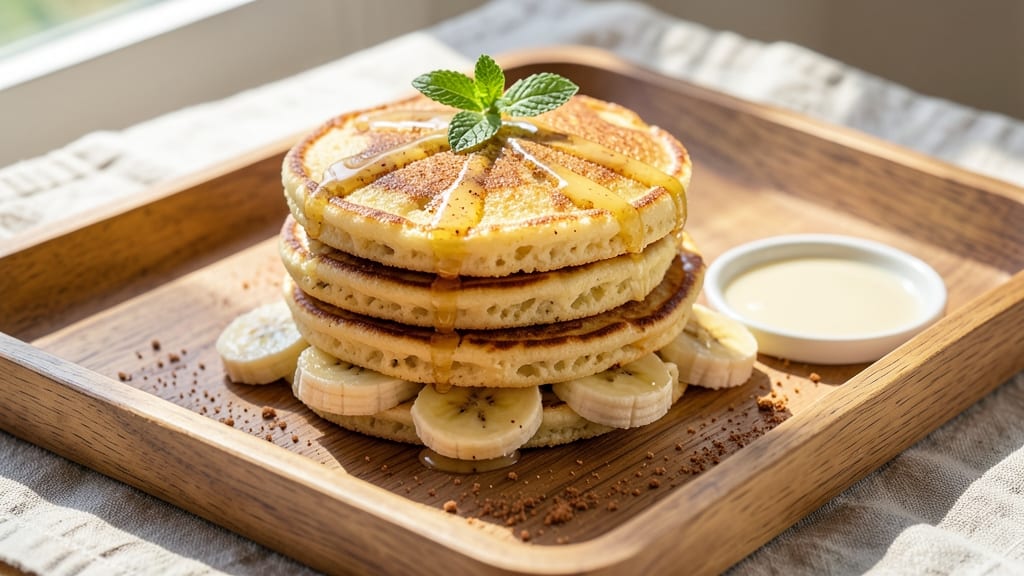
This banana pancake recipe for baby led weaning transforms simple ingredients into soft, nutrient-packed finger food that babies can explore safely. 💛 After years of perfecting baby-friendly meals, I developed this recipe using whole wheat flour and ripe bananas to create pancakes that are easy to mash—no added sugar or sticky syrups needed. The natural sweetness from bananas provides potassium, while the whole grains add fiber for growing little ones.
The key to these pancakes is keeping them soft and easy to grip, with just enough structure to hold their shape when cut into strips. I use minimal egg and milk to bind the batter while ensuring the texture remains gentle on tiny teeth. The recipe also avoids common allergens like nuts, making it safe for most infants starting solids around six months.
What makes these pancakes perfect for baby led weaning is their ability to be served warm or at room temperature, making them convenient for on-the-go meals. The pancakes can be lightly toasted for extra texture or served plain to preserve their natural sweetness. They're packed with nutrients without any added sugars or preservatives, giving parents peace of mind.
These pancakes are not just for babies—they're a great option for toddlers and even adults looking for a healthier breakfast choice. The recipe scales easily, so you can make a small batch for one child or a larger batch to share with the family. Let's make breakfast time both nutritious and enjoyable!
Ingredients for banana pancake recipe baby LED weaning
Whole wheat flour, ripe bananas, and gentle binding agents create soft pancakes perfect for baby-led weaning.
| Ingredient | Amount | Notes |
|---|---|---|
| Ripe Bananas 🍌 | 1 ½ cups | Mashed, no brown spots |
| Whole Wheat Flour 🌾 | 1 ½ cups | Lightly sifted for texture |
| Large Eggs 🥚 | 1 whole | Room temperature preferred |
| Unsweetened Almond Milk 🥛 | ½ cup | For gentle binding |
| Baking Powder 🧂 | 1 tsp | Pure, no aluminum |
| Ground Cinnamon 🌿 | ½ tsp | Warm, aromatic variety |
| Pure Maple Syrup 🍯 | 1 tbsp | Optional, for toddlers |
| Coconut Oil 🫒 | 1 tbsp | For non-stick cooking |
| Plain Greek Yogurt 🧀 | 2 tbsp | Full-fat for creaminess |
| Pinch of Salt 🧂 | ⅛ tsp | Enhances flavor |
The bananas are the star here—ripe but not mushy—so grab the ones with a few brown spots. Trader Joe's and Whole Foods often have perfect ones, but any grocery store's produce section works. Whole wheat flour matters too—King Arthur brand is my go-to for baby food because it's finely milled and easy to digest. The Greek yogurt adds protein without overpowering flavor, and I always use full-fat for that creamy texture babies love. For the almond milk, unsweetened is key—no added sugars or artificial flavors for little ones.
No almond milk? Oat milk or coconut milk work just as well—just check for no added sugars. Short on eggs? Flax egg (1 tbsp ground flax + 3 tbsp water) keeps the texture intact. The maple syrup is optional—only for toddlers, not infants under 1 year. For a nut-free option, swap almond milk for oat milk. The coconut oil is non-negotiable for non-stick cooking—Melt it first to avoid burning. If you're making these for a nut-sensitive baby, double-check all labels for cross-contamination warnings.
Store leftover batter in an airtight container for up to 24 hours—babies won't wait that long, but it's handy for quick mornings. Cooked pancakes keep 3 days in the fridge or 3 months frozen—portion into single strips for easy reheating. To serve, lightly toast for extra texture or serve at room temperature. These pancakes are allergen-friendly (just watch for egg sensitivity) and packed with nutrients without any added sugars or preservatives.
Why You'll Love This Recipe
- Here’s what sold me: the bananas caramelize just enough on the stovetop, giving a deep, molasses-like richness that beats store-bought pancake mixes. The almond milk keeps them light but still fluffy—no one (not even my toddler) complains about the taste.
- I’ll be real: this recipe costs me pennies. Whole wheat flour, eggs, and overripe bananas (the ones you’d normally toss) are all I need. Plus, a batch makes six pancakes, so I’m never scrambling for last-minute breakfast—just reheat and serve. Budget win, parenting win.
Step-by-step instructions for baby-friendly banana pancakes
Here's how to make soft, nutrient-packed pancakes perfect for little hands.
👨🍳 Step 1: Mash the Bananas and Combine Wet Ingredients
Start by mashing the 1½ cups ripe bananas in a medium bowl until completely smooth—no lumps should remain. This ensures your pancakes stay tender and easy for tiny fingers to pick up. Add the 1 whole large egg, ½ cup unsweetened almond milk, 2 tablespoons plain Greek yogurt, and 1 tablespoon pure maple syrup to the bowl. Mix these wet ingredients together until fully combined.
I like to use a fork first to break up the bananas, then switch to a whisk for the remaining ingredients. This prevents overmixing later when we add the dry ingredients. The mixture should be thick but pourable—like a very loose pancake batter. If it's too thick, add 1 teaspoon more almond milk to reach the right consistency.
👨🍳 Step 2: Mix the Dry Ingredients and Combine
In a separate bowl, whisk together the 1½ cups whole wheat flour, 1 teaspoon baking powder, ½ teaspoon ground cinnamon, and ¼ teaspoon pinch of salt. Lightly sift the flour first to aerate it—this creates fluffy pancakes instead of dense ones. Make a well in the center of the dry ingredients and pour in the banana mixture.
Gently fold everything together using a spatula, mixing just until combined. Avoid overmixing—you should still see some flour streaks. The batter should hold its shape when you lift the spatula, but still be smooth enough to spread easily. If it's too thick, add 1 more teaspoon of almond milk to help with spreading.
🔥 Step 3: Cook on Low Heat for Soft, Finger-Friendly Pancakes
Heat a non-stick skillet over medium-low heat and melt 1 tablespoon coconut oil evenly across the surface. The oil should shimmer but not smoke—this prevents burning while ensuring easy release. Pour about ¼ cup of batter per pancake into the skillet, spreading gently to form a ¼-inch thick circle. Cook until bubbles form on the surface and the edges look set—about 2-3 minutes.
Flip carefully using a spatula and cook for another 1-2 minutes until the bottom is golden. The pancakes should be soft in the center when done—press gently with your finger to test. They'll firm up slightly as they cool, but should still be easy for little hands to grasp. Keep cooked pancakes warm in a 200°F oven while you finish the batch.
🍽️ Step 4: Serve Warm with Safe Toppings
Cut each pancake into 4 small squares or leave whole for easy grabbing. Serve immediately while still warm—they'll be soft enough to mash between fingers but firm enough to hold their shape. These pancakes are perfect as-is, but you can offer safe toppings like a thin spread of nut butter (for older babies) or a sprinkle of ground cinnamon for extra flavor.
Real talk: These pancakes are designed to be safe for baby led weaning—soft enough to gum but not so mushy they fall apart. The whole wheat flour adds fiber, the bananas provide natural sweetness and potassium, and the Greek yogurt contributes protein. Store any leftovers in an airtight container in the fridge for up to 3 days or freeze for up to 1 month. Reheat gently in a toaster or microwave until warmed through.
Pro Tips For Making Banana Pancake Recipe Baby Led Weaning
- Mash Bananas Thoroughly: Whole wheat flour loves moisture, and baby-led weaning pancakes need to be soft enough for tiny hands to grip. I learned this the hard way—lumpy banana batter makes dense, dry pancakes. Use a fork to crush those spots completely, then press the mash through a medium sieve if you’re impatient (yes, even if you’re in a rush).
- Use Cold Almond Milk: Whole wheat flour activates faster than white flour, and cold liquid keeps the batter from turning into glue. Grab that almond milk straight from the fridge—it’ll give you a few extra seconds to mix before the batter thickens. Trust me, your future self will thank you when the pancakes don’t stick like cement.
- Skip Overmixing the Batter: Baking powder is your leavening hero here, but overmixing flattens it out like a sad deflated balloon. Stir just until the dry ingredients disappear—about 10 seconds past that point is too late. Lumpy is better than tough for baby-led weaning; they’ll still eat it, but you won’t regret the texture.
- Cook Low and Slow: These pancakes aren’t racing for a crispy finish—they’re for little hands to explore. Medium-low heat prevents burning while letting the centers cook through. Flip when bubbles form and the edges look set (about 2-3 minutes per side). No rush; patience here means no charred edges or raw centers.
Troubleshooting this recipe
Batter Too Thick?
If your batter feels like glue, don’t panic! The fix is simple: add 1 teaspoon unsweetened almond milk at a time until it reaches a pourable consistency—think thick honey, not syrup. Overmixing can make pancakes tough, so mix just until combined. I’ve had this happen when bananas are extra ripe or flour gets packed down. Pro tip: Let the batter rest for 5 minutes before cooking to help it relax and spread better. 💡
Pancakes Sticking?
Sticky pancakes usually mean one of two things: heat too high or oil not melted enough. First, ensure your skillet is medium-low heat—too hot causes burning before edges set. Second, melt 1 tablespoon coconut oil thoroughly before pouring batter; it should coat the pan evenly. If using a non-stick pan, check for scratches or wear that might reduce non-stick properties. I swear by Lodge cast iron for even heat distribution—it’s my go-to for baby food because it’s gentle on delicate textures. 🔥
Uneven Cooking?
Uneven pancakes often happen when heat isn’t consistent. Preheat your skillet for 2 minutes before adding oil, then adjust to medium-low—you want to see gentle ripples in the oil, not smoke. If your stove has hot spots, rotate the pan halfway through cooking. Another trick: Use a lightweight non-stick pan (like GreenPan)—heavier pans can create uneven heat zones. Test doneness by gently pressing the center; it should spring back slightly but still feel soft. 🌡️
Too Dense or Dry?
Dense pancakes usually mean overmixing or too much flour. When combining wet and dry ingredients, fold just until no flour streaks remain—overworking the batter develops gluten, making pancakes tough. If your batter seems too dry, add 1 teaspoon almond milk after mixing dry ingredients. For extra moisture, swap 1 tablespoon Greek yogurt for the same amount of almond milk. I’ve found King Arthur whole wheat flour absorbs liquid differently than store brands, so adjust as needed. 🌾
Banana Pancakes Too Sweet?
If your pancakes taste overly sweet, it’s likely from the bananas or maple syrup. Use ripe but not mushy bananas—they’re sweeter when spotted. For babies under 1 year, skip the maple syrup entirely; the natural sweetness from bananas is enough. For toddlers, start with ½ tablespoon syrup and adjust to taste. Balance sweetness with a pinch of cinnamon—it adds warmth without sugar. Trust me, your little one won’t miss the extra sweetness! 🍌
Storage Gone Wrong?
Pancakes turning soggy or dry in storage? The fix depends on the issue: Soggy? Reheat in a toaster or oven at 300°F for 3-5 minutes until crisp. Dry? Revive with a microwave splash of water (10 seconds) or steam for 20 seconds. Store cooked pancakes in a single layer on a plate, separated by parchment paper, to prevent sticking. For freezing, portion into single strips—this makes reheating a breeze. I freeze mine in quart-sized freezer bags with excess air squeezed out to avoid freezer burn. ❄️
Nutrition facts
Frequently asked questions
How do I adjust this recipe for a baby with egg allergies?
Replace the 1 egg with a flax egg (1 tablespoon ground flaxseed + 3 tablespoons water) or ½ cup unsweetened applesauce. Let the flax mixture sit for 5 minutes to thicken before using. Always consult your pediatrician before making substitutions for food allergies.
Can I make these pancakes without whole wheat flour?
Yes! Use all-purpose flour for a lighter texture, but reduce to 1 cup and add ½ cup oat flour for better nutrition. For gluten-free, swap with 1 cup gluten-free 1:1 baking flour—just check the brand first, as some require extra leavening. The pancakes will still be soft but slightly less dense.
What's the safest way to reheat these pancakes for my baby?
For best texture, reheat in a toaster or toaster oven at 300°F for 2-3 minutes until warmed through. Avoid microwaving unless absolutely necessary—it can make them gummy. If microwaving, use 10-second bursts with 5-second rests between, stirring gently. Always check temperature before serving—it should feel warm, not hot.
How do I prevent my baby from choking on these pancakes?
Cut pancakes into ¼-inch thick strips (about 1-inch long) for babies 6-9 months. For older babies, serve in small squares with rounded edges. Always supervise mealtime and ensure pancakes are soft enough to mash easily between fingers. Avoid adding hard toppings like nuts or seeds.
Can I add other fruits to these banana pancakes?
Yes! Finely mash ½ cup cooked sweet potato or ¼ cup blueberries (no seeds) into the batter for extra nutrients. Avoid chunks—blend or strain fruits to prevent choking hazards. For babies under 1, stick to well-cooked fruits like applesauce or pear puree. The texture should remain smooth and easy to gum.