
Desserts
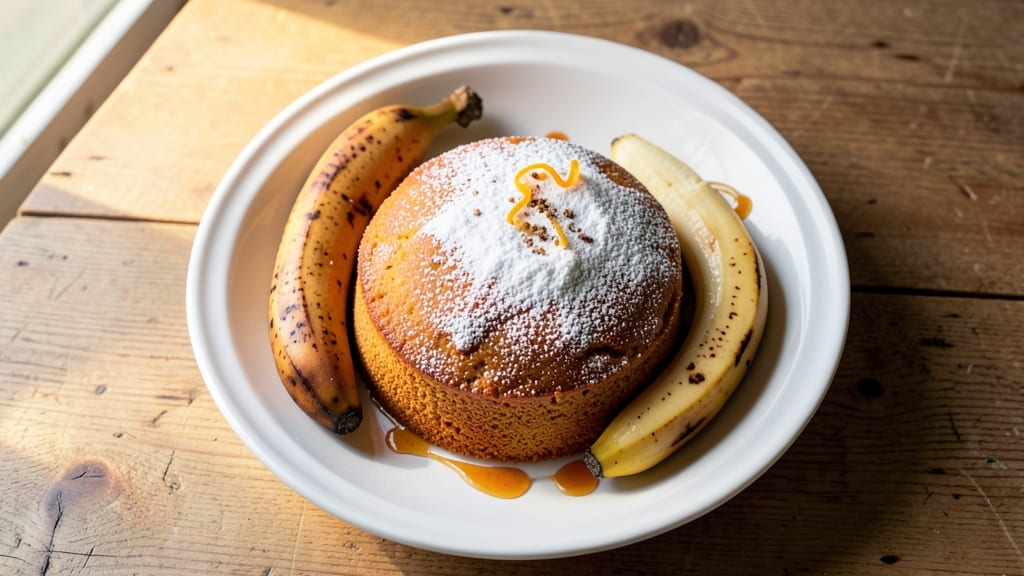
This gluten-free banana cake with rice flour delivers all the moist, tender perfection of classic banana bread—without a single crumb of dryness or gluten. The secret lies in rice flour's ability to absorb moisture while maintaining a delicate crumb, creating a cake that's so light it practically melts in your mouth. I developed this recipe after years of testing gluten-free alternatives, and it finally nails that perfect balance between richness and airiness.
What sets this recipe apart is how it transforms overripe bananas into a cake that's naturally sweet, deeply flavorful, and impossibly tender. The rice flour creates a fine, even crumb that stays moist for days, while a touch of yogurt adds subtle tang to complement the banana's natural sweetness. No one will guess this is gluten-free—just pure, comforting cake that's perfect for breakfast or dessert.
Ingredients for banana cake with rice flour
Eight simple ingredients transform overripe bananas into a gluten-free cake with restaurant-quality moisture.
| Ingredient | Amount | Notes |
|---|---|---|
| Ripe Bananas 🍌 | 3 medium | Mashed to 1.5 cups total |
| Rice Flour 🌾 | 2 cups | Fine white rice flour preferred |
| All-Purpose Flour 🌾 | ½ cup | Gluten-free blend if strict |
| Plain Yogurt 🥛 | ½ cup | Full-fat for creaminess |
| Granulated Sugar 🍚 | ¾ cup | Light brown sugar works too |
| Baking Powder 🧂 | 1 ½ tsp | Metal container preferred |
| Baking Soda 🧂 | ½ tsp | Freshly opened |
| Salt 🧂 | ½ tsp | Fine sea salt preferred |
| Vanilla Extract 🍯 | 1 tsp | Pure Madagascar preferred |
| Vegetable Oil 🫒 | ½ cup | Light olive oil works too |
| Large Eggs 🥚 | 2 whole | Room temperature preferred |
| Lemon Juice 🍋 | 1 tbsp | Freshly squeezed |
| Walnuts 🌰 | ½ cup | Chopped, optional topping |
The rice flour is non-negotiable here—it's what creates that signature moist crumb without gluten. Bob's Red Mill or Anthony's Goods are my go-tos for fine white rice flour, but any quality brand works. If you can't find rice flour, a 1:1 gluten-free flour blend will work in a pinch, though texture may vary slightly. The bananas should be speckled with brown—this is when their natural sweetness peaks. Three medium bananas typically yield about 1.5 cups mashed, so adjust slightly if yours are smaller or larger.
No vanilla extract? Vanilla bean paste or even a scraped vanilla bean will work, though the flavor won't be identical. The yogurt adds subtle tang that balances the banana's sweetness—Greek yogurt works too, but regular plain yogurt gives slightly better moisture. For a richer texture, substitute the yogurt with sour cream. The walnuts are optional but add delightful crunch; pecans or hazelnuts work equally well if you prefer. If you're strict gluten-free, double-check your all-purpose flour label—some blends contain trace amounts.
This cake keeps beautifully for 4-5 days in an airtight container at room temperature, though it's best enjoyed within 2 days for maximum moisture. For longer storage, wrap tightly and refrigerate for up to 1 week. The rice flour-based batter doesn't rise as dramatically as traditional cake, so don't overmix—just combine until just combined. Leftovers reheat beautifully in the microwave for 10-15 seconds, restoring that fresh-from-oven texture.
Why You'll Love This Recipe
- No Mixer Needed: I’ll admit, I don’t own a stand mixer—and this cake still turns out moist and tender. The yogurt keeps it light, while the rice flour gives it that perfect crumb without requiring any fancy techniques. Just mash, stir, and bake.
- Sweet & Subtle Magic: Here’s what sold me—the bananas caramelize just enough to give it depth, but the yogurt keeps it from tasting like dessert. The rice flour adds a hint of nutty warmth, so it’s rich without being heavy. (Yes, even on a Tuesday night.)
- Lunchbox Hero: Between us, this cake is my go-to for school lunches or office snacks. The texture holds up better than most banana bread, and the yogurt makes it less cloying. Slice it, wrap it, and it’s still fresh hours later—no soggy surprises.
- Pantry Staple Power: Honestly, I keep rice flour and yogurt on hand just for this. It’s cheaper than buying pre-made cakes, and the ingredients last forever. Plus, if I have extra ripe bananas, this recipe turns them into something amazing instead of compost. Zero waste, all win.
Step-by-step instructions for banana cake with rice flour
Master this gluten-free technique for a cake that stays moist for days without a hint of dryness.
Mash the Bananas and Mix Wet Ingredients
Begin by mashing the 3 medium ripe bananas until smooth, with no visible lumps. I press them through a fine-mesh sieve to ensure complete smoothness—this prevents dense pockets in the finished cake. Transfer the mashed bananas to a large mixing bowl.
Add the 0.5 cup vegetable oil and 0.5 cup plain yogurt to the bowl, then whisk vigorously for 1 minute until fully combined. The mixture should be homogenous with a creamy consistency. Next, stir in the 2 whole large eggs, 1 teaspoon vanilla extract, and 1 tablespoon lemon juice. The lemon juice brightens the banana flavor while adding subtle acidity that balances the sweetness.
Let this wet mixture rest for 5 minutes while you prepare the dry ingredients. This brief pause allows the bananas to fully integrate with the fats, creating a more stable batter that won't separate during baking.
Combine Dry Ingredients and Fold into Batter
In a separate medium bowl, sift together the 2 cups rice flour, 0.5 cup all-purpose flour, 1.5 teaspoons baking powder, 0.5 teaspoon baking soda, 0.5 teaspoon salt, and 0.75 cup granulated sugar. Using a whisk, combine these ingredients until evenly distributed—this ensures no flour pockets remain that could create dry spots in the cake.
With the mixer on low speed, gradually add the dry ingredients to the wet mixture, mixing just until combined. Be careful not to overmix—stop as soon as the batter comes together. The rice flour will create a slightly thicker batter than traditional wheat flour, but it should still hold together smoothly. If the batter appears too thick, add 1 tablespoon of water to reach a pourable consistency.
Fold in the 0.5 cup chopped walnuts at the end, reserving a small handful for the topping if desired. The walnuts add texture contrast and nutty depth that complements the banana's sweetness.
Prepare the Pan and Bake to Golden Perfection
Preheat your oven to 350°F and grease an 8-inch round cake pan generously with butter or oil, then dust with rice flour. Tap the pan gently to remove any excess flour. Pour the batter into the prepared pan and smooth the top with a spatula. Sprinkle any reserved walnuts evenly over the surface for added texture.
Bake for 30-35 minutes, or until a toothpick inserted into the center comes out clean with just a few moist crumbs clinging to it. The cake should be golden brown at the edges but still slightly springy to the touch in the center. Rice flour cakes tend to brown faster than wheat flour cakes, so keep an eye on them after the 25-minute mark to prevent overbaking.
Remove from the oven and let the cake cool in the pan for 10 minutes, then transfer to a wire rack to cool completely. This gradual cooling prevents cracking as the cake settles. For best results, serve at room temperature—this allows the flavors to fully develop and the texture to become perfectly moist.
Pro Tips For Making Banana Cake With Rice Flour
- Mash Bananas Thoroughly: I learned this the hard way—lumpy banana puree means uneven texture. Use a fork first, then press through a fine-mesh sieve to remove skins and fiber. No sieve? Blend briefly, but strain through cheesecloth if you want that silky cake consistency.
- Sift Rice Flour Twice: Rice flour clumps like a stubborn guest. Sift it directly into the dry ingredients before mixing, then sift again after adding yogurt. This prevents dense pockets and ensures the cake rises evenly—no one wants a brick disguised as dessert.
- Bake Until Springy, Not Golden: This isn’t a vanilla cake—rice flour makes it dry out fast. Test doneness by pressing the center: it should spring back slowly, not bounce. If the top browns too soon, tent with foil at 340°F (170°C) and let the heat work from below.
- Swap Yogurt for Buttermilk: Sounds weird, but it works: buttermilk adds tang and moisture without altering the rice flour’s neutral flavor. Use ¾ cup buttermilk + ¼ cup water if you’re out of yogurt—just don’t skip the extra liquid, or the cake will crumble.
Make-ahead tips for this banana cake with rice flour
Prep Ahead Strategy
Make this cake up to 3 days in advance—the flavors actually deepen as it sits! After baking, let it cool completely, then wrap tightly in plastic wrap followed by aluminum foil to lock in moisture. Store at room temperature in an airtight container for 4-5 days. The rice flour keeps it from drying out like traditional gluten-free cakes often do. 💪
Freezing for Later
For longer storage, freeze the cake in single-serving slices wrapped individually in plastic. Place slices in a freezer bag with parchment paper between them to prevent sticking. Thaw overnight in the fridge—no microwave needed! The texture remains just as moist as fresh-baked. I freeze mine in 1-inch thick slices for perfect portions. ❄️
Quick Assembly Hacks
Prep the batter the night before and store it in the fridge overnight. The bananas will soften further, intensifying their sweetness. When ready to bake, simply whisk the batter again (no need to rest) and pop it in the oven. This saves 20 minutes of active prep time on busy mornings. 💡
Portioning Perfection
Use a serrated knife to slice the cake while still slightly warm for cleaner cuts. For muffin-tin portions, bake in a greased muffin tin at 350°F for 15-18 minutes—these make perfect grab-and-go breakfast treats. The rice flour holds up beautifully to reheating, so store extras in the freezer for quick energy boosts. 🍌
Reheating Secrets
Microwave 10-15 seconds for single slices to restore freshness, or warm at 300°F for 5 minutes to gently revive the texture. Avoid high heat—it can dry out the delicate rice flour crumb. I love reheating a slice with a drizzle of honey and a sprinkle of cinnamon for an instant dessert upgrade. 🔥
Travel-Friendly Packing
For picnics or road trips, wrap slices in parchment paper, then place in a bento box with a small container of whipped cream. The rice flour's moisture retention makes it ideal for travel—no soggy cake here! Pack an extra slice in case of delays, as these cakes stay fresh for up to 7 days when properly stored. 🚗
Nutrition facts
Frequently asked questions
Why does rice flour make this banana cake so moist?
Rice flour absorbs moisture differently than wheat flour, creating a tender crumb that stays soft for days. Unlike gluten-containing flours, it doesn't form elastic networks that trap air—instead, it creates a fine, even texture that holds onto moisture. The yogurt and oil in this recipe further enhance the moisture retention, making each slice feel velvety.
Can I substitute rice flour with another gluten-free flour?
You can try a 1:1 gluten-free flour blend, but the texture won't be identical. Rice flour's unique starch structure is key to this recipe's signature moisture. For best results, stick with rice flour—it's the secret to that restaurant-quality tenderness. If you must substitute, use a blend with xanthan gum to mimic some of the binding properties.
How do I know when my bananas are ripe enough?
Look for bananas with speckled brown spots on the peel—this indicates peak sweetness. The riper the bananas, the more naturally sweet and flavorful your cake will be. If your bananas are too green, they'll make the cake taste bland, while overripe bananas (completely black) can add bitterness. Three medium bananas with good browning should yield about 1.5 cups mashed.
What's the best way to store leftovers?
Wrap individual slices in plastic wrap and store them in an airtight container at room temperature for up to 4 days. For longer storage, freeze slices between parchment paper in a freezer bag for up to 3 months. The rice flour helps maintain moisture better than most gluten-free cakes, so you won't get that dry texture.
Can I make this cake without eggs?
Yes! Replace the 2 eggs with 2 tablespoons ground flaxseed + 6 tablespoons water (let sit for 5 minutes to gel) or 1/4 cup unsweetened applesauce. The flax "eggs" work best for structure, while applesauce adds moisture. Just note that the texture may be slightly denser. For a vegan version, use a flax egg and ensure your yogurt is plant-based.