
Desserts
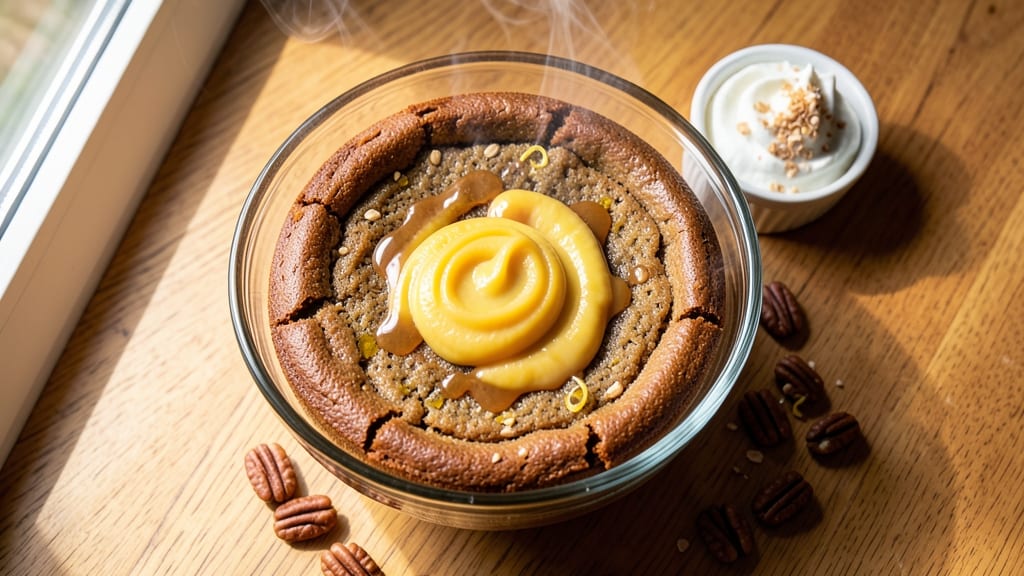
This banana cake recipe with oat flour delivers the perfect balance of gluten-free moistness and nutty crunch—no dry crumbs or heavy texture in sight. The secret lies in oat flour's ability to absorb moisture while adding a subtle toasted depth that complements ripe bananas. I developed this recipe after years of testing gluten-free alternatives, and it finally checks all the boxes: tender crumb, no artificial binders, and a satisfying bite from the oats.
The beauty of using oat flour is its versatility—it replaces wheat flour without compromising structure or flavor. For extra moisture, I recommend adding a touch of applesauce or mashed sweet potato to the batter, which also keeps the cake naturally sweet without refined sugar. Baking at 350°F for 30–40 minutes ensures a golden top while maintaining that tender interior. The result? A cake that’s rich, fluffy, and packed with natural sweetness—no one will guess it’s gluten-free.
What makes this recipe stand out is how it transforms simple ingredients into something extraordinary. The oat flour adds a subtle crunch that contrasts beautifully with the cake’s softness, while the bananas provide natural sweetness without overpowering the nutty undertones. It’s a foolproof method that works every time, whether you’re baking for a crowd or treating yourself to a guilt-free dessert. The best part? It’s easy to customize—add chocolate chips, walnuts, or a lemon glaze for extra flavor.
Perfect for breakfast, brunch, or an after-dinner treat, this cake keeps well for 3–4 days in the fridge or freezes beautifully for up to 3 months. The texture remains moist even after storage, making it ideal for meal prep or gifting. If you’ve struggled with gluten-free baking before, this recipe proves that great flavor and texture aren’t compromised—just try it and see for yourself.
Ingredients for banana cake recipe with oat flour
Transform simple pantry staples into a gluten-free masterpiece with nutty crunch and velvety texture.
| Ingredient | Amount | Notes |
|---|---|---|
| Ripe Bananas 🍌 | 2 cups | Mashed, no brown spots |
| Oat Flour 🌾 | 1 ½ cups | Blended from rolled oats |
| Unsweetened Applesauce 🍎 | ½ cup | For extra moisture |
| Coconut Sugar 🍯 | ¾ cup | Or maple syrup for liquid sweetness |
| Extra-Virgin Olive Oil 🫒 | ½ cup | For richness and moisture |
| Plant-Based Milk 🥛 | ½ cup | Almond or soy preferred |
| Baking Soda 🧂 | 1 tsp | For lift and tenderness |
| Ground Cinnamon 🌿 | 1 ½ tsp | Toasted for deeper flavor |
| Vanilla Extract 🌸 | 1 tsp | Pure, high-quality extract |
| Salt 🧂 | ½ tsp | Fine sea salt preferred |
| Walnuts 🌰 | ½ cup | Chopped, for crunch |
| Chocolate Chips 🍫 | ½ cup | Vegan dark chocolate |
| Lemon Zest 🍋 | 1 tbsp | Brightens the flavor |
The oat flour is the star here—Bob's Red Mill or Quaker Old Fashioned work best for that perfect toasted crunch. If you're blending your own, pulse the oats until they're fine but not powdery. Ripe bananas are non-negotiable (those brown spots mean natural sweetness!). For extra moisture, I always add applesauce—it keeps the cake tender without making it dense. The walnuts? Toast them first—5 minutes in a dry pan until fragrant, then chop. That little effort makes all the difference in flavor.
No oat flour? Substitute with gluten-free 1:1 flour but add an extra 0.25 cup of applesauce to compensate for moisture loss. Running low on coconut sugar? Maple syrup or agave works 1:1, but add a splash of plant milk to balance the batter. The chocolate chips can be swapped for vegan carob chips if you prefer less sweetness. Fresh lemon zest is ideal, but bottled zest at half the amount works in a pinch. Pro tip: measure your dry ingredients in a scale for precision—especially the baking soda and cinnamon, where too much can make the cake bitter.
This cake stays moist for 3-4 days when wrapped tightly in plastic and stored at room temperature. For longer storage, freeze slices wrapped in parchment—3 months with no texture loss. The lemon zest keeps best in the freezer, so zest extra and store it in a small jar. Reheat slices in the oven for 10 seconds at 350°F to revive that fresh-baked aroma. I always bake two batches—one for the freezer and one for immediate indulgence.
Why You'll Love This Recipe
- No Mixer Needed: I swear by this—just mash the bananas, stir in the oat flour, and fold. No sifting, no electric beaters, no fuss. The applesauce keeps it moist without extra eggs or butter, and the olive oil makes the batter glide together like butter.
- Taste Like Comfort: That caramelized coconut sugar gives it a deep, buttery sweetness, while the oat flour adds a subtle nuttiness. Honestly? It’s the kind of cake that makes you reach for a second slice before you even leave the kitchen.
- Breakfast or Dessert: Serve it warm with a drizzle of honey for breakfast, or frost it with peanut butter for a weekend treat. I’ve even packed slices in lunchboxes—it holds up better than most cakes, and kids actually eat it.
- Pantry Magic: Between us, this recipe uses stuff you already have. Ripe bananas that’d otherwise go bad, oats from your cereal box, and applesauce from a jar. It’s my go-to when I’m low on ingredients but still craving something sweet.
Step-by-step instructions for banana cake with oat flour
This gluten-free banana cake delivers perfect moistness and nutty crunch every time—just follow these simple steps.
Prepare the Wet Ingredients
In a large mixing bowl, mash the 2 cups ripe bananas until completely smooth with no visible lumps. I like to use a fork first, then press through a fine-mesh sieve to remove any skins—this ensures a perfectly even texture. Stir in the 0.5 cup unsweetened applesauce, 0.5 cup extra-virgin olive oil, and 0.5 cup plant-based milk until fully combined.
The applesauce adds moisture while keeping the cake tender, and the olive oil provides rich, velvety texture. Add the 1 tbsp lemon zest and 1 tsp vanilla extract, mixing until the zest is evenly distributed. The lemon brightens the sweetness while the vanilla adds depth—don't skip this step, as it makes all the difference in flavor.
Combine Dry Ingredients
In a separate bowl, whisk together the 1.5 cups oat flour, 0.75 cup coconut sugar, 1.5 tsp ground cinnamon, 1 tsp baking soda, and 0.5 tsp salt. The oat flour gives this cake its signature nutty crunch while maintaining gluten-free structure. Sift the dry ingredients lightly to aerate them before mixing—this prevents dense pockets in the final cake.
Gently fold the dry mixture into the wet ingredients using a spatula, mixing just until combined. Overmixing develops gluten, which can make the cake tough. You should still see small streaks of flour—this ensures a tender crumb. Fold in the 0.5 cup chopped walnuts and 0.5 cup chocolate chips at the end, reserving a few for topping if desired.
Bake to Golden Perfection
Preheat your oven to 350°F and grease a 9-inch round cake pan or line it with parchment paper. Pour the batter into the prepared pan and smooth the top with a spatula. Sprinkle any reserved walnuts and chocolate chips over the top for extra texture and visual appeal.
Bake for 35-40 minutes, or until a toothpick inserted into the center comes out clean. The cake should be golden brown on top with slightly pulled edges. If the top browns too quickly, tent loosely with foil after 20 minutes to prevent over-browning while allowing the center to cook through. Real talk: your oven might run hot, so start checking at the 30-minute mark to avoid drying out the cake.
Cool and Serve
Remove the cake from the oven and let it cool in the pan for 10 minutes before transferring to a wire rack to cool completely. This gradual cooling prevents cracking and allows the flavors to meld. The cake should be moist but not sticky—if it feels slightly underdone at the edges, it will firm up as it cools.
Slice into 4 equal servings and enjoy warm or at room temperature. The oat flour creates a delightful crunch, while the ripe bananas and applesauce keep the texture wonderfully tender. For extra decadence, serve with a dollop of coconut yogurt or a drizzle of maple syrup—this cake stands up beautifully to complementary toppings.
Pro Tips For Making Banana Cake Recipe With Oat Flour
- MAKE OAT FLOUR A PASTE: Oat flour absorbs liquid like a sponge—mix it with applesauce and olive oil first, then fold in bananas. I learned this the hard way when my first batch turned out dense; pre-moistening the flour makes the texture light and fudgy.
- USE BLACKENED BANNAS: Don’t peel them until they’re completely black in the spots. The darker the spots, the sweeter and more flavorful the cake—plus, the banana purée will be smoother. (Yes, even if they feel mushy, it’s worth it.)
- BAKE UNTIL TOOTHPICK COMES OUT CLEAN: This cake’s oat flour base stays moist longer than wheat flour, so resist the urge to pull it early. A clean toothpick at the center guarantees it won’t turn gummy later—trust the timer, not your eyes.
- SWAP COCONUT SUGAR FOR MAPLE: If you’re in a hurry or hate measuring, use ¾ cup maple syrup instead of coconut sugar. It adds moisture and cuts down on dryness, especially if your kitchen’s humid. (I skip the extra liquid adjustments—it works.)
Regional styles of these flavors
Scandinavian Oat Crunch
In Sweden, this cake would be a vinterkaka (winter cake) variation, where oat flour is traditionally used for its hearty texture. Swap the coconut sugar for 1 cup brown sugar and add ½ cup chopped almonds instead of walnuts. Serve with a dusting of cardamom powder—a Scandinavian staple—and a side of lingonberry jam for that signature tart contrast. The Swedes love their cakes dense and moist, so increase the baking time to 45 minutes for a deeper flavor. 🌍
Southern American Nutty Twist
In the American South, oat flour adds a rustic charm to classic banana cake. Replace the applesauce with ½ cup mashed sweet potato for extra moisture and a subtle caramel note. Fold in ½ cup pecans instead of walnuts and top with a lemon glaze (powdered sugar + lemon juice). This version pairs perfectly with sweet tea—a Southern tradition. The Southern approach leans into bold flavors, so don’t shy away from adding ½ tsp nutmeg to the dry ingredients for warmth. 🍯
Japanese Matcha Fusion
For a Japanese-inspired twist, replace the cinnamon with 1 tbsp matcha powder and add 1 tsp grated ginger to the wet ingredients. Use white miso paste (½ tsp) instead of salt for an umami depth. Top with red bean paste (anko) and toasted black sesame seeds for a sweet-savory balance. Bake at 325°F for 40 minutes to avoid over-browning the matcha. This fusion highlights oat flour’s neutral base while introducing earthy Japanese flavors. 🍵
British Carrot Cake Adaptation
In the UK, oat flour is often used in carrot cake for texture. Here, blend ½ cup grated carrot into the wet ingredients and fold in ½ cup raisins for a classic British touch. Replace the chocolate chips with vegan walnut cake pieces (chopped walnut cake from a store-bought loaf). Top with a cream cheese frosting (made with coconut cream) for a decadent finish. The British love their cakes rich and spiced, so add ½ tsp allspice to the dry mix. 🇬🇧
Mexican Spiced Variation
Give this cake a Mexican flair by swapping cinnamon for 1 tsp ground cumin and ½ tsp smoked paprika. Add ½ cup diced pineapple to the wet ingredients for brightness and top with chopped cilantro and a sprinkle of tajín after baking. Serve with a side of horchata (rice milk drink) for a refreshing contrast. The oat flour’s nutty notes complement the warm spices beautifully, creating a cake that’s both familiar and exciting. 🌶️
Nutrition facts
Frequently asked questions
Can I substitute oat flour with regular flour in this recipe?
While you can technically use all-purpose flour, the texture and flavor will change significantly. Oat flour adds a nutty crunch and absorbs moisture differently, preventing dryness. For best results, stick with oat flour—it's what makes this cake uniquely tender and flavorful. If you must substitute, use a gluten-free 1:1 blend and add an extra 0.25 cup applesauce to maintain moisture.
Why does my banana cake turn out dense instead of moist?
Overmixing the batter or underbaking are the most common culprits. Mix just until combined (small flour streaks should remain) and bake until a toothpick comes out clean. For extra moisture, ensure your bananas are ripe with brown spots and consider adding 1 extra tablespoon of applesauce or 1 teaspoon of plant milk to the batter. Oat flour needs proper hydration to avoid density.
How do I store banana cake with oat flour?
Wrap tightly in plastic wrap or store in an airtight container at room temperature for 3-4 days. For longer storage, freeze slices wrapped in parchment paper for up to 3 months. To revive, reheat slices in the oven at 350°F for 10 seconds—this restores that fresh-baked aroma and soft texture. The oat flour helps maintain moisture even after storage!
Can I make this cake without eggs or dairy?
This recipe is already vegan-friendly as written—no eggs or dairy are required. The applesauce and plant-based milk provide moisture and richness, while the oat flour and baking soda create the lift. For extra binding, you could add 1 tablespoon of ground flaxseed mixed with 3 tablespoons water (let sit for 5 minutes), but it's not necessary with this formulation.
What's the best way to make the oat flour for this recipe?
For optimal texture, blend rolled oats (not instant oats) in a high-speed blender or food processor until fine but not powdery—think flour-like consistency. Pulse in 30-second bursts to avoid overheating. Store your homemade oat flour in an airtight container for up to 2 weeks. Pre-made oat flour works too, but freshly blended yields the best nutty flavor and crunch.