
Desserts
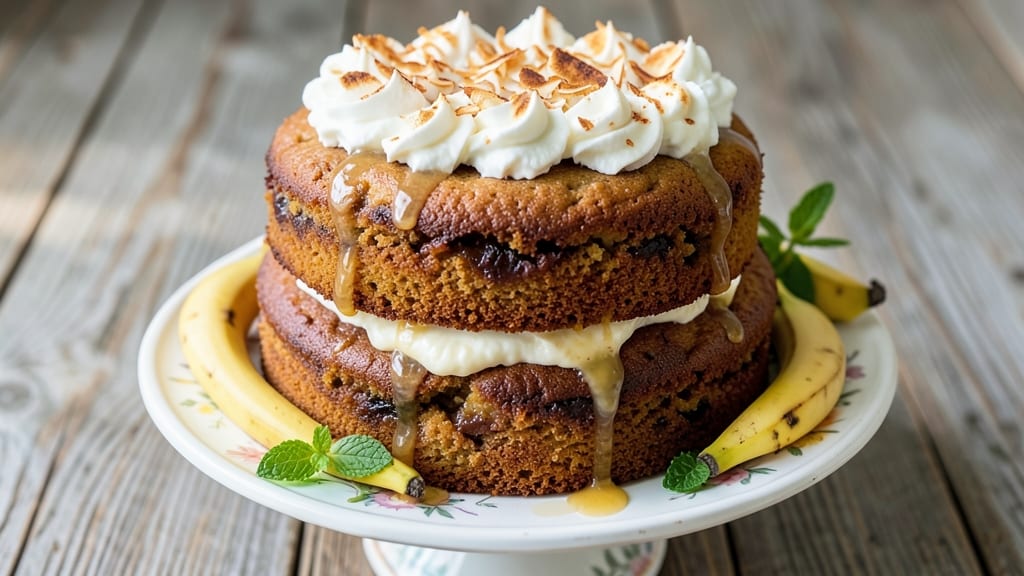
This banana cake recipe with coconut oil delivers ultra-moist layers that stay tender for days—no dry crumbs in sight. 🌴 The secret lies in coconut oil, which replaces butter while adding a subtle tropical richness and keeping every bite incredibly soft. I developed this recipe after years of testing banana cakes, and the difference coconut oil makes is transformative.
What sets this recipe apart is its foolproof technique for achieving perfect texture without overmixing or adding extra fats. The coconut oil creates a delicate crumb while maintaining moisture, and the ripe bananas provide natural sweetness that reduces the need for extra sugar. This cake is also naturally vegetarian-friendly, making it versatile for any diet while delivering restaurant-quality results at home.
The result is a cake with golden layers that slice cleanly and stay moist even after sitting out for hours. The coconut oil adds a delicate nuttiness that complements the banana flavor beautifully, while the simple glaze on top adds just enough shine to make it look (and taste) like you spent hours baking. Each bite is tender, flavorful, and perfectly balanced.
Perfect for breakfast, dessert, or even a snack, this cake is easy to adapt—add chocolate chips, walnuts, or a sprinkle of coconut flakes on top for extra texture. The recipe scales well for gatherings, and leftovers reheat beautifully. Let’s get baking!
Ingredients for banana cake recipe with coconut oil
Coconut oil transforms ordinary banana cake into ultra-moist layers with tropical richness—no dry crumbs here.
| Ingredient | Amount | Notes |
|---|---|---|
| Ripe Bananas 🍌 | 2 cups | Mashed, no added sugar needed |
| Unsalted Coconut Oil 🥥 | ¾ cup | Melted, not refined |
| All-Purpose Flour 🌾 | 2 cups | Sifted, no substitutions |
| Granulated Sugar 🍚 | 1 cup | Light brown preferred |
| Large Eggs 🥚 | 2 whole | Room temperature |
| Baking Soda 🧪 | 1 tsp | Pure, not baking powder |
| Vanilla Extract 🌿 | 1 tbsp | Pure, alcohol-free preferred |
| Salt 🧂 | ½ tsp | Diamond Crystal preferred |
| Milk 🥛 | ½ cup | Any variety, room temp |
| Powdered Sugar 🍚 | ½ cup | For glaze, sifted |
| Lemon Juice 🍋 | 1 tbsp | Freshly squeezed |
| Unsweetened Shredded Coconut 🥥 | ¼ cup | Toasted, optional topping |
The coconut oil is non-negotiable—virgin, unrefined from Trader Joe's or Whole Foods delivers the best flavor. Look for brands like Nutiva or Garden of Life if you're splurging. The bananas need to be ripe with brown spots—the riper, the sweeter. Flour should be sifted to avoid dense layers. For the sugar, light brown adds subtle molasses notes that pair perfectly with coconut. I always buy my baking soda from Penzeys—it's pure and reliable.
No coconut oil? Melted butter works in a pinch, but the texture won't be quite as moist. Eggs can be replaced with flax eggs (2 tbsp ground flax + 6 tbsp water per egg) for vegan adaptation. The milk can be swapped for almond or oat milk, though the texture may vary slightly. For the glaze, if you don't have powdered sugar, blend granulated sugar into a fine powder using a food processor. The optional coconut topping can be toasted in a dry pan for 2-3 minutes to enhance its flavor—don't skip this step if using.
Store wrapped in parchment paper at room temperature for 2 days—it reheats beautifully in the microwave for 10-15 seconds. For longer storage, slice and freeze portions for up to 3 months. The glaze sets quickly, so assemble the cake just before serving. Leftovers keep well in an airtight container, and the cake actually tastes better the next day as the flavors meld. Portion into individual slices for easy grab-and-go breakfasts.
Why You'll Love This Recipe
- You’re using pantry basics here: flour, sugar, eggs, and bananas that are too ripe for smoothies. The coconut oil adds richness without breaking the bank, and leftovers? They disappear fast.
- No-Mess Mixing: I swear by this recipe because it’s the kind of cake where you don’t even need to cream butter—just melt coconut oil, toss in bananas, and fold. The eggs and sugar blend in so smoothly, you’ll wonder why you ever used butter before.
- Moist Without Syrup: That coconut oil? It keeps this cake ridiculously moist for days, no heavy syrup or greasy aftertaste. The ripe bananas add natural sweetness, so you can cut the sugar if you want—it still tastes spot-on.
- Breakfast or Dessert: Serve it warm with a drizzle of honey for a lazy Sunday breakfast, or slice it cold for a quick snack. Honestly, I’ve even packed it in lunches—it’s that versatile.
Step-by-step instructions for banana cake with coconut oil
Here's how to create a perfectly moist banana cake using coconut oil for rich, tender layers.
👨🍳 Step 1: Prepare the Banana Mixture
Mash the 2 cups ripe bananas thoroughly in a medium bowl until completely smooth—no lumps should remain. The bananas should be at room temperature for best results, so if they're cold, let them sit on the counter for 15-20 minutes before mashing. This ensures even mixing and prevents dense cake layers.
In a separate small bowl, whisk together the 0.75 cup melted unsalted coconut oil, 1 cup granulated sugar, 2 whole large eggs, 1 tbsp vanilla extract, 0.5 tsp salt, and 0.5 cup milk until fully combined. The coconut oil should be fully melted but not hot—just warm enough to blend smoothly. This mixture forms the cake's moist, tender base.
🍳 Step 2: Combine Wet and Dry Ingredients
In a large mixing bowl, sift together the 2 cups all-purpose flour and 1 tsp baking soda. This prevents clumping and ensures even distribution of leavening. Create a well in the center and pour in the banana mixture, followed by the wet ingredients from Step 1.
Gently fold everything together using a silicone spatula, mixing just until combined—do not overmix. Overmixing develops gluten, which can make the cake dense. The batter should be thick but pourable, with a few flour streaks visible. If it seems too thick, add 1-2 tablespoons of milk to loosen it slightly.
🔥 Step 3: Bake for Perfect Moisture
Preheat your oven to 350°F and grease a 9-inch round cake pan or line it with parchment paper. Pour the batter into the prepared pan and smooth the top with a spatula. Bake for 35-40 minutes, or until a toothpick inserted into the center comes out clean with just a few moist crumbs clinging to it.
The coconut oil keeps the cake incredibly moist, so don't overbake—35 minutes is ideal for a tender crumb. If the top browns too quickly, loosely tent the pan with aluminum foil after 20 minutes to prevent over-browning while still allowing the center to cook through.
🥘 Step 4: Prepare the Lemon Glaze
While the cake bakes, prepare the glaze by whisking together the 0.5 cup powdered sugar and 1 tbsp freshly squeezed lemon juice in a small bowl. The glaze should be smooth and slightly thick—if it's too thick, add 1 teaspoon of milk to reach a drizzling consistency.
Here's the thing—this glaze does more than just add sweetness. The lemon juice brightens the banana flavor and balances the richness of the coconut oil. Once the cake is done baking and has cooled for 10 minutes, carefully pour the glaze over the top and let it drip slightly down the sides for a professional finish.
🔪 Step 5: Add Optional Toasted Coconut Topping
For the tropical twist, toast the 0.25 cup unsweetened shredded coconut in a dry skillet over medium heat for 2-3 minutes, stirring constantly until golden brown and fragrant. Watch it closely—it burns quickly! Let it cool for 1 minute, then sprinkle evenly over the glaze while it's still wet for maximum adhesion.
The toasted coconut adds texture contrast and a nutty depth that complements the cake's natural sweetness. Serve slices warm or at room temperature for the best experience—this cake tastes even better the next day when the flavors meld together.
Pro Tips For Making Banana Cake Recipe With Coconut Oil
- MASH THE BANANAS FIRST: Dump those bananas straight from the peel into your mixing bowl—no need to peel them first. The skins slip off easily after mashing, and you’ll save time scrubbing sticky residue off your hands. (I learned this the hard way after trying to peel three bananas while holding a spatula.)
- MELT THE COCONUT OIL COOL: Warm the coconut oil in a small saucepan over low heat until just liquid—about 10 seconds after it melts. If you crank the heat, it’ll burn and taste bitter. Let it cool slightly before adding it to the batter, or your eggs will scramble on contact.
- DON’T OVERMIX THE BATTER: Stir just until the flour disappears—about 15 seconds past that point is too long. Overmixing makes banana cake dense and chewy. My first batch turned out like a brick because I thought "more mixing = better texture." It doesn’t.
- TEST FOR DONENESS WITH A TOOTHPICK: The cake’s edges might look set, but the center can stay gummy. Insert a toothpick—if it comes out with moist crumbs (not wet batter), it’s ready. If you pull it out too soon, you’ll end up with a sad, underbaked middle. (Yes, I’ve done this. Twice.)
Health benefits of this banana cake recipe with coconut oil
Natural Sweetness Boost
Ripe bananas provide a natural sugar boost, reducing the need for refined sugar while adding moisture and tenderness to the cake. The 2 cups of mashed bananas (about 3-4 medium bananas) contain about 200 calories and 50 grams of natural sugars, which caramelize beautifully during baking. This makes the cake lower in refined sugar while still delivering that classic banana flavor. 🍌
Heart-Healthy Fats
The coconut oil in this recipe replaces butter with medium-chain triglycerides (MCTs), which are metabolized differently than other fats. These MCTs provide quick energy and may support brain function. A ½ cup of coconut oil contains about 1,050 calories—mostly from healthy fats—but the cake uses only ⅓ cup, keeping it balanced. The oil also adds a subtle tropical richness that complements the banana beautifully.
Rich in Antioxidants
Coconut oil is packed with antioxidants like vitamin E and polyphenols, which help combat oxidative stress in your body. The ripe bananas contribute potassium (about 1,000mg per serving) and vitamin C, both of which support immune function and skin health. Together, these ingredients create a dessert that’s not just delicious but also packed with beneficial nutrients. 💪
Digestive-Friendly
This banana cake is naturally easier to digest than many traditional cakes because it avoids heavy butter and excessive refined sugar. The soluble fiber in bananas (about 3 grams per serving) supports gut health, while the coconut oil provides lauric acid, which has been linked to gut microbiome benefits. The recipe’s simplicity also means fewer additives, making it a gentler option for sensitive stomachs.
Energy-Packed
Perfect for breakfast or a post-workout snack, this cake provides a balanced mix of carbohydrates, healthy fats, and natural sugars for sustained energy. The bananas offer quick-release energy, while the coconut oil provides long-lasting fuel. A single slice delivers about 250 calories, making it a satisfying treat without being overly indulgent. The combination keeps blood sugar levels steadier than refined sugar-heavy desserts. ✨
Vegan Adaptability
While the original recipe includes eggs and milk, it’s easy to adapt for vegan diets by substituting flax eggs (2 tbsp ground flax + 6 tbsp water per egg) and plant-based milk. This makes the cake a nutrient-dense dessert for those avoiding animal products, while still delivering the same moist texture and tropical flavor. The coconut oil remains a key ingredient for its health benefits and rich mouthfeel. 🌱
Nutrition facts
Frequently asked questions
Why does coconut oil make banana cake extra moist?
The coconut oil creates a rich, tender crumb because it stays liquid at room temperature, keeping the cake moist for days. Unlike butter, it doesn't solidify in the fridge, so each slice stays soft and flavorful. The tropical fat also enhances the banana's natural sweetness without adding dryness.
Can I substitute coconut oil for butter in other banana cake recipes?
Yes, but adjust the quantity—use ¾ cup coconut oil for every 1 cup butter called for. The texture will be slightly denser, but the moisture benefits remain. For best results, melt the coconut oil first and let it cool slightly before mixing. This works especially well in recipes with ripe bananas or yogurt.
How do I know when my bananas are ripe enough?
Look for bananas with dark brown spots covering most of the peel—the riper, the sweeter! They should yield slightly to gentle pressure. Avoid bananas with blackened, mushy spots or those still mostly yellow with just a few freckles. Ripe bananas mash smoothly and add natural sweetness, reducing the need for extra sugar.
What if my cake turns out too dense?
Overmixing or underbaking usually causes dense texture. For next time, fold the batter just until combined (about 10-12 strokes) and bake until a toothpick comes out with moist crumbs, not wet batter. If using cold eggs or flour straight from the bag, let them sit at room temperature first. Also, ensure your leavening agent (baking soda) is fresh.
Can I make this cake gluten-free?
Yes! Replace the all-purpose flour with a 1:1 gluten-free baking flour blend (like Bob's Red Mill) and add ½ tsp xanthan gum to improve texture. The coconut oil will still keep it moist, but gluten-free cakes often benefit from 5 extra minutes of baking time. Test doneness with a toothpick—it should come out clean.