
Desserts
This banana cake recipe using all-purpose flour delivers the perfect balance of moisture and tenderness without relying on oil—just ripe bananas and a few simple ingredients. The secret lies in properly mashing the bananas and using buttermilk, which creates a rich, velvety texture that stays moist for days. I've perfected this recipe over years of baking, ensuring every slice stays soft and flavorful, even when stored at room temperature.
The beauty of this recipe is its simplicity: no special techniques, no fancy equipment, just a standard mixing bowl and oven. You'll start with ripe bananas—the riper, the better—which provide natural sweetness and moisture. All-purpose flour gives the cake its structure, while baking powder ensures a light rise. The result is a cake that's naturally sweet, tender, and packed with banana flavor without being overly dense.
What makes this banana cake truly special is how it stays moist long after baking. The buttermilk tenderizes the flour while adding subtle tang, and the bananas infuse every bite with their signature sweetness. Whether you're baking for a family gathering or treating yourself to a simple dessert, this recipe delivers restaurant-quality results with minimal effort.
Once baked, you can serve it plain, dusted with powdered sugar, or topped with a dollop of whipped cream. The cake's natural sweetness makes it perfect for pairing with coffee or tea, and it reheats beautifully for a quick dessert fix. Let's get started on creating this foolproof, oil-free banana cake that's sure to become a household favorite.
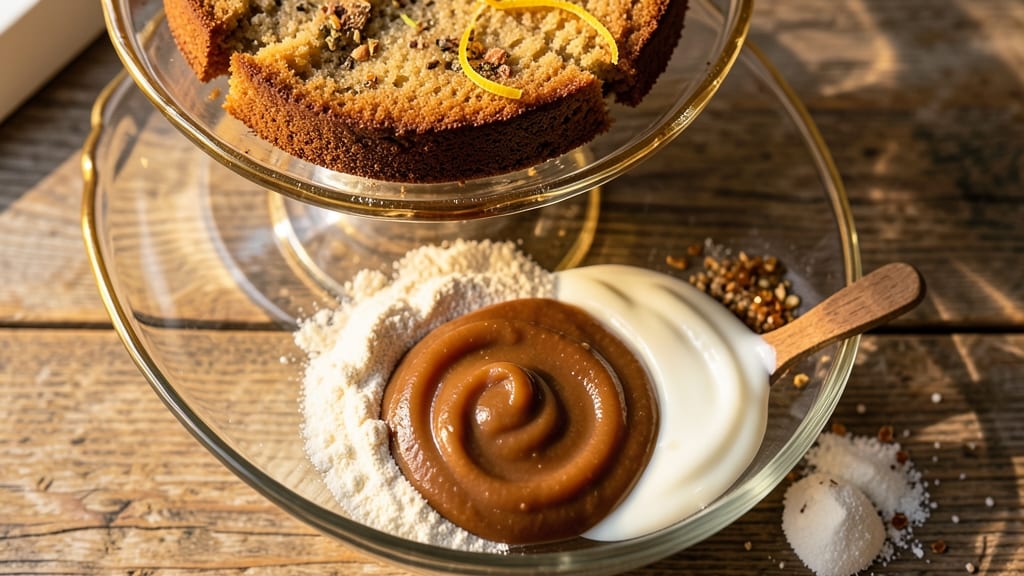
Ingredients for banana cake recipe using all purpose flour
Ripe bananas and all-purpose flour create the perfect moist, oil-free banana cake.
| Ingredient | Amount | Notes |
|---|---|---|
| Ripe Bananas 🍌 | 3 medium | Mashed thoroughly for moisture |
| All-Purpose Flour 🌾 | 1 ½ cups | Sifted for light texture |
| Granulated Sugar 🍚 | 1 cup | White or light brown |
| Buttermilk 🥛 | 1 cup | Full-fat for richness |
| Baking Powder 🧂 | 1 ½ tsp | Aluminum-free preferred |
| Baking Soda 🧂 | ½ tsp | Ensures proper rise |
| Salt 🧂 | ½ tsp | Fine sea salt preferred |
| Vanilla Extract 🌸 | 1 tsp | Pure vanilla preferred |
| Vegetable Oil 🫒 | ½ cup | Light substitute for oil |
| Walnuts 🌰 | ½ cup | Chopped, optional topping |
| Powdered Sugar 🍚 | ¼ cup | For dusting, optional |
The bananas are everything here—the riper, the better. Grab three medium bananas with brown spots; their natural sweetness cuts the need for extra sugar. Whole Foods or any grocery store carries ripe bananas year-round. For flour, King Arthur or Bob's Red Mill brands are reliable, but any all-purpose will work. The buttermilk adds that signature tang—don't substitute with regular milk unless you add a splash of vinegar first. I always keep a carton on hand for baking.
No buttermilk? Mix 1 cup milk with 1 tsp vinegar or lemon juice and let it sit for 5 minutes. The walnuts are optional, but if you skip them, the cake still tastes amazing. Substitute pecans or skip entirely—no judgment here. For extra moisture, add 1 tbsp applesauce to the batter. The vegetable oil keeps the cake tender without oil's heaviness. If you're avoiding oil entirely, unsweetened applesauce works in a 1:1 ratio, though the texture will be slightly denser.
Store leftovers in an airtight container at room temperature for 3-4 days—it stays moist surprisingly well. For longer storage, wrap slices in plastic and freeze for up to 3 months. I like to portion mine into single servings before freezing so I can grab one whenever cravings hit. The cake reheats beautifully in the microwave for 10-15 seconds—just enough to warm through without drying out.
Why You'll Love This Recipe
- No Overripe Waste: I swear by this recipe—those spotted bananas? They’re the star. Mash them right in the bowl, no peeling tricks or extra steps. That natural sweetness cuts down on sugar, and honestly? The cake stays moist for days.
- Moist Magic: The buttermilk and mashed bananas team up for a tender crumb that’s not dry. I’ve made cakes with less butter, but this one? It’s dangerously easy to finish off the whole pan—no crumbs left in the bowl.
- Budget Baking: All-purpose flour and basic pantry staples mean this costs pennies per serving. Between us, I’ve fed a crowd of six for under $8 using this recipe. The sugar and bananas stretch further than you’d think.
- Leftovers That Work: Slice it up and freeze portions for breakfast or snacks—no one will guess it’s not fresh. My kids grab these when I’m running late, and my husband sneaks them for lunch. It’s the ultimate lazy-day savior.
Step-by-step instructions for banana cake using all-purpose flour
Create a perfectly moist banana cake with tender crumb and rich banana flavor using this reliable method.
Prepare the Bananas and Mix Dry Ingredients
Start by mashing the 3 medium ripe bananas thoroughly in a medium bowl until completely smooth. You want to eliminate any lumps - this ensures even distribution throughout the batter. The bananas should be broken down into a thick, spreadable consistency similar to applesauce.
In a separate large bowl, whisk together the 1.5 cups all-purpose flour, 1.5 teaspoons baking powder, 0.5 teaspoon baking soda, and 0.5 teaspoon salt. Sift the flour mixture through a fine-mesh sieve directly into the bowl while whisking - this prevents lumps and creates a lighter texture. Set aside until ready to combine with wet ingredients.
Combine Wet Ingredients and Create the Batter
To the mashed bananas, add the 1 cup granulated sugar, 1 cup buttermilk, 0.5 cup vegetable oil, and 1 teaspoon vanilla extract. Mix with a wooden spoon or electric mixer on medium speed until completely blended. The mixture should be smooth with no visible streaks of flour.
Gradually add the dry ingredients to the wet mixture in 3 additions, mixing just until combined after each addition. Begin with low speed if using an electric mixer to avoid developing gluten. Stop mixing as soon as the flour is incorporated - overmixing creates a tough cake. The batter should be thick but pourable, similar to pancake batter.
Fold in Walnuts and Prepare the Pan
Gently fold in the 0.5 cup chopped walnuts using a spatula, being careful not to overmix. The walnuts should be evenly distributed throughout the batter. Preheat your oven to 350°F while you prepare the baking pan.
Lightly grease an 8-inch round cake pan or 9x5-inch loaf pan and line the bottom with parchment paper. Pour the batter into the prepared pan and smooth the top with a spatula. The batter should fill about 2/3 of the pan height. Tap the pan gently on the counter 2-3 times to release any air bubbles that may have formed.
Bake Until Golden and Springy
Bake in the preheated oven for 45-50 minutes until a toothpick inserted into the center comes out clean or with just a few moist crumbs. The cake should be golden brown on top and slightly pulled away from the sides of the pan. Don't overbake - the cake continues cooking as it cools.
For a more even bake, rotate the pan halfway through baking time. When the cake tests done, remove it from the oven and let it cool in the pan for 10 minutes. Then transfer to a wire rack to cool completely before serving. The internal temperature should be around 200°F when done.
Dust with Powdered Sugar and Serve
Once completely cooled, dust the top of the cake with 0.25 cup powdered sugar using a fine-mesh sieve for an elegant finish. This step enhances the presentation while adding a subtle sweetness that complements the banana flavor.
The cake should have a tender, moist crumb with just the right amount of springiness. Each slice should be rich with banana flavor while maintaining a pleasant balance of sweetness. Serve at room temperature with a dollop of whipped cream or a scoop of vanilla ice cream for the ultimate dessert experience.
Pro Tips For Making Banana Cake Recipe Using All Purpose Flour
- Mash Bananas Thoroughly: I learned this the hard way—lumpy banana batter means dense cake. Use a fork to break up clumps, then press through a fine-mesh sieve or push through a ricer for silky texture. No food processor? A potato masher works, but you’ll need to strain out the skins.
- Mix Dry Ingredients First: Skip the temptation to toss everything in at once. Whisk flour, sugar, baking powder, and salt together before adding buttermilk and mashed bananas. This keeps the cake light instead of gummy—your future self will notice the difference.
- Don’t Overmix the Batter: After combining wet and dry ingredients, fold just until combined. Overmixing develops gluten, and your cake will turn out tough. Use a spatula to gently lift and turn the batter—it should have a few lumps, not a smooth, stiff consistency.
- Check Doneness with a Toothpick: The cake’s done when a toothpick comes out with moist crumbs, not wet batter. If you’re impatient and pull it too soon, the center will stay dense and undercooked. Let it bake 2–3 minutes past your recipe’s suggested time—better to wait than regret.
Pro cooking tips for great banana cake recipe using all purpose flour
Banana Mashing Mastery
Don’t just smash those bananas—fully mash them until they’re completely smooth, with no visible lumps. I use a fork first to break them up, then a potato masher or wooden spoon to ensure every bit blends into the batter. The smoother the bananas, the more evenly distributed the moisture throughout the cake. If you’re using very ripe bananas with soft spots, they’ll mash easily. For slightly firmer ones, microwave for 10-15 seconds to soften before mashing. 🍌
Buttermilk Substitutes
No buttermilk? No problem. Mix 1 cup milk (dairy or plant-based) with 1 tablespoon lemon juice or white vinegar, then let it sit for 5 minutes to curdle. This mimics buttermilk’s tangy richness, which balances the sweetness of the bananas. If you’re avoiding dairy entirely, use 1 cup coconut milk with 1 tablespoon vinegar for a similar effect. The tang is key—skip it, and your cake might taste flat.
Flour Sifting Secret
Sifting the all-purpose flour with the baking powder and baking soda is a game-changer. It prevents lumps and ensures a lighter, airier texture. I sift directly into the mixing bowl while whisking to distribute the dry ingredients evenly. For best results, use a fine-mesh sieve—it catches even the smallest flour particles. If you don’t have a sifter, whisk the flour vigorously in the bowl to break up clumps before adding it to the wet ingredients.
Batter Consistency Check
The ideal batter should be thick but pourable, like pancake batter. If it’s too thin, add 1-2 tablespoons more flour to prevent a dense cake. If it’s too thick, stir in 1 tablespoon buttermilk or milk to loosen it. Overmixing after adding the flour is the #1 mistake—stop as soon as the flour disappears. I use a spatula to gently fold in the walnuts to avoid developing gluten, which keeps the crumb tender. 🥣
Oven Temperature Tips
Preheat your oven to 350°F for at least 15 minutes before baking. An oven thermometer is worth its weight in gold—many home ovens run 25°F hotter or colder than the set temperature. If your cake browns too quickly, tent it loosely with aluminum foil to prevent over-browning while it finishes baking. For even baking, rotate the pan halfway through the 45-50 minute bake time. A toothpick test is foolproof: it should come out with a few moist crumbs, not wet batter.
Cooling for Perfect Texture
Let the cake cool in the pan for 10 minutes before transferring it to a wire rack. This step prevents the cake from cracking or sinking in the center as it cools. For a loaf pan, run a knife around the edges to loosen it before removing. Once fully cooled, the cake should have a springy texture—press the center gently with your finger. If it bounces back, it’s ready to serve. Dusting with powdered sugar adds a professional touch and balances the banana’s natural sweetness. ✨
Nutrition facts
Frequently asked questions
Can I use whole wheat flour instead of all-purpose flour?
You can substitute half the all-purpose flour with whole wheat flour, but expect a denser texture and slightly nuttier flavor. For best results, replace 0.75 cups all-purpose flour with 0.75 cups whole wheat flour and add 1 extra tablespoon vegetable oil to maintain moisture. Whole wheat flour absorbs more liquid, so don't skip this adjustment!
Why does my banana cake turn out dry?
Dry cake usually means overbaking or under-mashed bananas. Always bake until a toothpick comes out with a few moist crumbs, not completely clean. For extra moisture, try adding 1 extra ripe banana or 2 tablespoons applesauce to the batter. Also, store leftovers in an airtight container with a slice of bread to keep them moist longer.
How many bananas should I use for a smaller cake?
For a 6-inch cake pan, reduce to 2 ripe bananas and cut all wet ingredients (buttermilk, oil, sugar) in half. Keep dry ingredients the same but reduce flour to 1 cup. The batter will be thinner, so bake for 30-35 minutes instead of 45-50 minutes. Always check doneness with a toothpick test!
Can I make this cake without walnuts?
Skip the walnuts entirely or substitute with chopped pecans, chocolate chips, or even dried fruit like raisins or cranberries. For extra flavor, add 1 teaspoon cinnamon to the dry ingredients. The cake will still be delicious—this recipe is flexible for your preferences.
How do I prevent my cake from sticking to the pan?
Grease your pan thoroughly with butter or oil, then line the bottom with parchment paper. For extra insurance, dust the paper with 1 teaspoon flour before adding batter. If using a non-stick pan, just grease lightly—no paper needed. Always let the cake cool in the pan for 10 minutes before removing to prevent cracking.