
Desserts
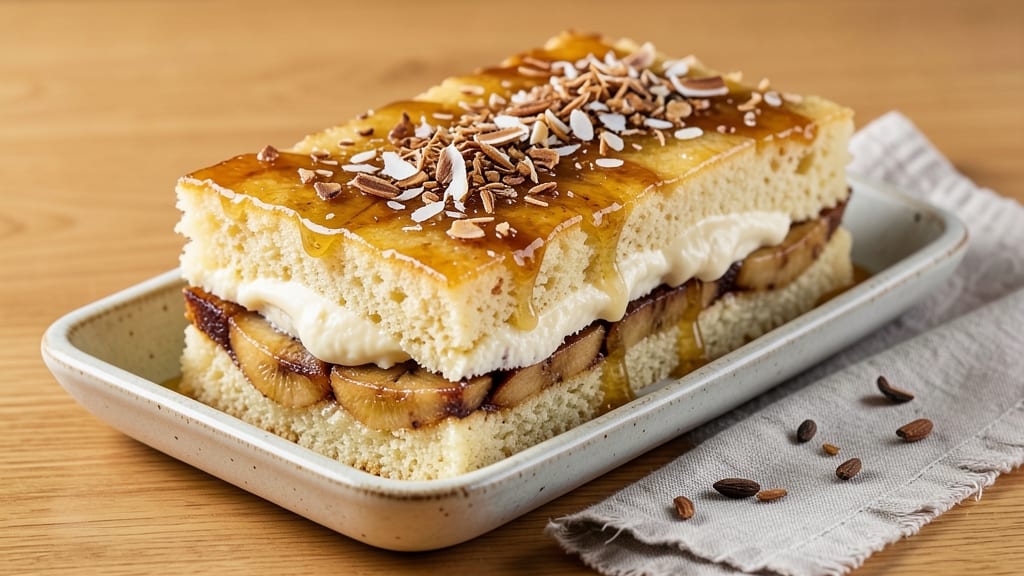
This banana cake recipe in Malayalam brings the warmth of Kerala’s kitchens to your oven, where cardamom and toasted coconut transform simple bananas into a moist, fragrant dessert that pairs perfectly with chai. 🌿 The secret lies in the slow-cooked jaggery syrup that keeps every slice tender, while the coconut adds a nutty crunch that’s pure comfort. I’ve baked this version countless times for family gatherings, and it’s always the first to disappear—proof that tradition and simplicity work magic together.
The recipe leans on Kerala’s pantry staples: ripe bananas mashed just right, warm spices like cardamom and cinnamon for depth, and toasted coconut that adds texture without overpowering. Unlike dense cakes, this one relies on a foolproof steam-baking technique that ensures a light, airy crumb—no heavy butter here, just the natural sweetness of bananas balanced by jaggery. It’s the kind of dessert that feels special without requiring fancy ingredients.
What you’ll end up with is a cake that’s richly moist yet light, with layers of toasted coconut peeking through the golden crust. The aroma of cardamom and coconut alone makes your kitchen feel like a Kerala home, while the taste delivers that perfect balance of sweetness and spice. Serve it warm with a cup of masala chai for the full experience, or let it cool slightly for cleaner slices—either way, it’s a crowd-pleaser.
Perfect for festivals like Onam or as an everyday treat, this cake keeps well for up to 3 days, making it ideal for meal prep. The recipe also scales easily, so you can adjust the size for gatherings or leftovers. Let’s get baking—your taste buds (and guests) will thank you.
Ingredients for banana cake recipe in malayalam
Kerala’s pantry staples and warm spices come together for this fragrant, moist banana cake.
| Ingredient | Amount | Notes |
|---|---|---|
| Ripe Bananas 🍌 | 4 whole | Mashed to no lumps, 2 cups |
| All-Purpose Flour 🌾 | 2 cups | Sifted for light texture |
| Granulated Sugar 🍚 | 1 cup | Or jaggery for authentic taste |
| Jaggery 🍯 | 1 cup | Melted into syrup (1:1 ratio) |
| Unsalted Butter 🧈 | ½ cup | Melted, full-fat preferred |
| Coconut Milk 🥥 | 1 cup | Full-fat for creaminess |
| Toasted Coconut Flakes 🥥 | 1 cup | Lightly browned, unsweetened |
| Cardamom Pods 🌿 | 10 whole | Seeds crushed, aromatic |
| Ground Cinnamon 🍃 | 1 tsp | Warmth without overpowering |
| Baking Soda 🧪 | 1 tsp | Freshly opened for lift |
| Salt 🧂 | ½ tsp | Fine sea salt preferred |
| Vanilla Extract 🌸 | 1 tsp | Pure extract, no imitation |
| Warm Water 💧 | ½ cup | Room temperature |
The bananas are the heart of this cake—ripe with brown speckles is key (those are the sweetest). I always grab Costco’s organic bananas when they’re on sale, but any ripe ones work. For the jaggery, Kerala’s traditional palm sugar is ideal, but light brown sugar in a pinch works too. Toast the coconut flakes in a dry pan until golden—don’t walk away, or they’ll burn. The cardamom pods? Split and crush them fresh—pre-ground loses its magic fast. If you can’t find whole pods, Penzeys’ ground cardamom is a solid backup.
No jaggery? Substitute with brown sugar, but reduce by 1 tbsp since it’s denser. The coconut milk can be swapped for coconut cream if you want extra richness, but it’ll be thicker. Short on cardamom? Nutmeg at half the amount gives a similar warmth. For the baking soda, baking powder at 1.5 tsp works if you’re fresh out. The vanilla extract is non-negotiable here—imitation vanilla has a chemical aftertaste that ruins the delicate balance. And if you’re feeling fancy, add 1 tbsp of lime zest to the batter for a bright contrast to the coconut.
This cake keeps beautifully—wrapped in parchment at room temp for 2 days, or fridge for 4 days. For longer storage, freeze slices in airtight bags for 3 months. I always bake this in a 9x13-inch pan for easy slicing, but a round 9-inch cake pan works too—just reduce baking time by 10 minutes. The steam-baking trick? Pour hot water in a tray beneath the cake pan during the first 20 minutes of baking. It’s what gives that signature light, airy texture without heavy butter.
Why You'll Love This Recipe
- No Mash Needed: I swear by this trick—just slice those ripe bananas straight into the batter. No sticky mess, no over-mashing, and the texture stays just right: tender crumb with pockets of soft banana. Honestly, it’s the kind of shortcut that makes baking feel like a victory.
- Jaggery Magic: That caramelized jaggery? It’s the secret weapon here. The warmth of it cuts through the richness of the butter, giving this cake a deep, almost spiced sweetness—like a hug in dessert form. (Yes, even on a Tuesday night.)
- Leftovers That Win: This cake keeps beautifully for days, and honestly? It’s even better the second time around. Slice it thick, toast it lightly, and suddenly you’ve got a breakfast or snack that feels like a treat—no one will guess it’s just repurposed cake.
Step-by-step instructions for cardamom-spiced banana cake
Here's how to bake a tender, fragrant banana cake with that perfect coconut crunch.
👨🍳 Step 1: Prepare the Banana and Jaggery Syrup
Start by mashing the 4 whole ripe bananas until completely smooth with no lumps—this ensures a moist cake. In a small saucepan, combine the 1 cup jaggery with the 0.5 cup warm water and bring to a gentle simmer over medium heat. Stir constantly for 5-7 minutes until the jaggery dissolves completely into a smooth syrup. You'll know it's ready when it coats the back of a spoon and smells rich and caramel-like.
Real talk: jaggery gives that authentic Malayalam sweetness, but if you prefer, you can use the 1 cup granulated sugar instead. Just melt it with the water first. While the syrup cools slightly, crack open the 10 whole cardamom pods and crush the seeds lightly with the side of a knife—this releases their aromatic oils without making them bitter.
🍳 Step 2: Mix Dry Ingredients and Melted Butter
In a large mixing bowl, whisk together the 2 cups all-purpose flour, 1 tsp baking soda, 0.5 tsp salt, 1 tsp ground cinnamon, and the crushed cardamom seeds. Sift the flour mixture twice for a light, airy texture—this prevents dense cake. In a separate small bowl, melt the 0.5 cup unsalted butter until completely liquid, then stir in the 1 cup coconut milk and 1 tsp vanilla extract. The mixture should be smooth and slightly thickened.
Here's the thing—don't overmix the dry ingredients. Just combine until there are no more flour streaks visible. The coconut milk adds richness, but if you're using full-fat, you'll get that perfect moist crumb. Keep both mixtures at room temperature for even blending.
🥘 Step 3: Combine Wet and Dry Ingredients
Add the mashed bananas and cooled jaggery syrup to the dry ingredients, mixing gently with a spatula until just combined. Then pour in the melted butter-coconut milk mixture while stirring continuously. The batter should be thick but pourable—like a thick pancake batter. If it looks too stiff, add 1-2 tablespoons of warm water to loosen it slightly. Fold in the 1 cup toasted coconut flakes last, reserving about 2 tablespoons for topping later.
Don't skip toasting the coconut flakes—they should be light golden brown for that perfect crunch. If you're in a hurry, you can lightly toast them in a dry skillet over medium heat for 2-3 minutes, stirring constantly. The aroma will fill your kitchen, and that's your signal they're ready.
🔥 Step 4: Bake to Golden Perfection
Preheat your oven to 350°F and grease an 8-inch round cake pan or line it with parchment paper. Pour the batter into the prepared pan and sprinkle the reserved 2 tablespoons toasted coconut flakes evenly on top. Bake for 40-45 minutes until a toothpick inserted in the center comes out clean with just a few moist crumbs clinging to it. The edges should be golden brown, but the top might still look slightly underdone—this is normal.
I press down gently on the cake during the first 10 minutes of baking—this prevents it from doming too much and ensures even cooking. If the top browns too quickly, tent the cake with aluminum foil. The cake should have a tender crumb with just the right amount of moisture from the bananas and coconut milk.
⏰ Step 5: Cool and Serve
Remove the cake from the oven and let it cool in the pan for 10 minutes. Then transfer it to a wire rack to cool completely. Here's where patience pays off—the cake continues to set as it cools, making each slice perfectly moist. For extra flavor, you can drizzle a simple syrup made from equal parts warm water and sugar (or jaggery) while the cake is still warm.
Slice the cake into 8 equal portions and serve warm or at room temperature. The cardamom and cinnamon will infuse every bite with warmth, while the toasted coconut adds that perfect crunch. Store any leftovers in an airtight container for up to 3 days—if it lasts that long!
Pro Tips For Making Banana Cake Recipe In Malayalam
- Mash Bananas Properly: After making this cake a dozen times, I learned your bananas need to be actually mashed—not just chopped or blended into a thick paste. Use a fork and really press those spots where the fruit clumps together. Too much liquid from over-blending means a dense, gummy cake, and nobody wants that with jaggery’s rich flavor fighting for space.
- Mix Dry Ingredients First: I used to toss everything into the bowl at once, and the batter always ended up lumpy. Instead, whisk flour, baking powder, and salt together before adding wet ingredients. This ensures even distribution, especially since jaggery can sometimes clump when mixed with butter. A quick sift if your flour’s old makes a real difference.
- Bake at 350°F (175°C) Only: My first two batches came out either raw in the center or burnt on top. The recipe’s sweetness and moisture from bananas demand a steady, moderate oven. No preheating tricks here—just set it to 350°F and let the cake do its thing for 40-45 minutes. A toothpick test is your friend, but wait 2 minutes after it pulls clean.
- Use Room-Temp Butter: Cold butter from the fridge creates pockets in the batter that won’t dissolve, leaving you with a cake that’s dry and crumbly. Let that butter sit out for 30 minutes before creaming it with sugar—yes, even in a warm kitchen. The jaggery will thank you by blending smoothly, and the texture will be light, not dense.
Storing and reheating this dish
Room Temperature Storage
This cake stays fresh and moist for 2 days at room temperature when wrapped tightly in parchment paper or stored in an airtight container. The toasted coconut topping stays crispy if the cake isn’t exposed to humidity. I always place it on a wire rack inside a large glass container to prevent condensation buildup—this keeps the texture perfect for up to 48 hours. 🌿
Fridge Preservation
For longer storage, refrigerate the cake in an airtight container for up to 4 days. The cold slows down the coconut’s crunch, so I recommend bringing it to room temperature for 30 minutes before serving to restore that perfect texture. Wrap slices individually in plastic wrap if you’re prepping ahead for easy grab-and-go portions. The cardamom flavor actually deepens slightly after a day in the fridge—trust me, it’s worth it. ❄️
Freezing for Later
Slice the cake before freezing for best results—this prevents a dense texture when thawed. Wrap each slice tightly in plastic wrap, then place in a freezer bag with all air squeezed out. Label with the date and freeze for up to 3 months. When ready to enjoy, thaw at room temperature for 1-2 hours—no microwave needed! The coconut stays crunchy, and the bananas retain their natural sweetness. Perfect for festival prep or busy weeks. ❄️
Reheating Warm Slices
For a restaurant-style experience, warm slices in the oven. Preheat to 300°F, place slices on a baking sheet, and heat for 5-7 minutes until lightly golden. The coconut will crisp up beautifully, and the cardamom aroma will fill your kitchen. Alternatively, microwave for 10-15 seconds on medium power—just enough to soften slightly without drying out. 🔥
Reviving Dried Coconut
If your cake’s coconut topping loses its crunch, don’t toss it! Place the cake under a preheated broiler for 1-2 minutes (watch closely) to toast the coconut back to crispness. For extra moisture, brush the top with a simple syrup (equal parts warm water and sugar) before reheating. This trick works wonders for day-old slices—like a second chance at perfection. ✨
Serving After Storage
After refrigeration or freezing, let the cake sit at room temperature for 15-20 minutes before slicing. This allows the crumb to soften slightly, making each bite more tender. Pair with a cup of masala chai or a dollop of whipped coconut cream** for the full Malayalam experience. The flavors are even more vibrant after proper storage—proof that patience pays off in dessert. 💛
Nutrition facts
Frequently asked questions
Why does this banana cake need jaggery instead of regular sugar?
Jaggery adds an authentic Malayalam flavor with its caramel-like richness and subtle earthiness. It creates a deeper sweetness that balances the cardamom and coconut perfectly. For a substitute, use light brown sugar (1:1 ratio), but jaggery gives that traditional touch.
Can I make this cake without coconut milk?
Yes! Replace the 1 cup coconut milk with 1 cup whole milk for a lighter texture, or use 1 cup Greek yogurt for extra moisture and tang. The cake will still be delicious, though the coconut flavor will be less pronounced. For a vegan option, coconut yogurt works well too.
How do I know when the bananas are ripe enough?
Look for bananas with soft spots and brown speckles on the peel—these are the sweetest. Press gently: if they yield slightly, they're perfect. Overripe bananas (black peel) work too, but they'll make the cake even sweeter. Avoid green bananas—they'll make the cake dense and bland.
Why does the cake sink in the middle?
This usually happens from overmixing the batter or opening the oven door too early. Mix just until combined, and avoid peeking during the first 20 minutes of baking. For extra insurance, bake on the middle rack where heat is even. If it sinks slightly, the cake is still edible—just serve it warm with coconut cream!
Can I add nuts to this cake?
Toast ½ cup chopped cashews or almonds with the coconut flakes for extra crunch. Add them to the batter along with the coconut, or sprinkle on top before baking. For a festive touch, try pistachios**—they pair beautifully with cardamom.