
Main Courses
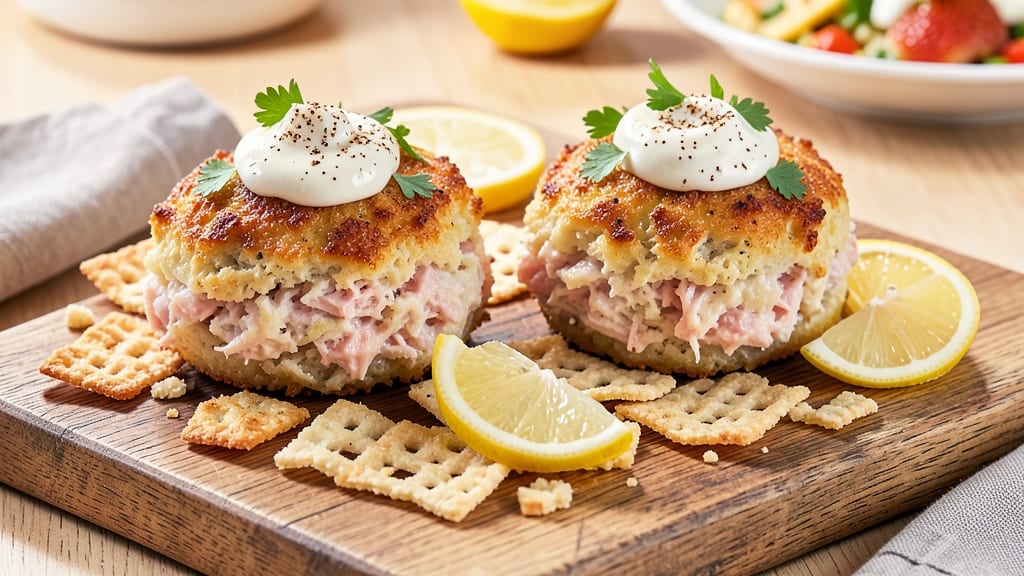
This Baltimore crab cake recipe with Saltines delivers the perfect balance of crispy edges and tender centers—just like the Chesapeake Bay classics you crave. 💛 I've been perfecting this recipe for years, and the secret lies in the right mix of fresh crab meat, eggs, and those iconic Saltine crackers that create both the binder and the signature crunchy topping.
The magic happens when you combine lump crab meat with finely crushed Saltines, creating a delicate yet sturdy cake that holds its shape while frying. Maryland's coastal cuisine is all about bold flavors, and this recipe captures that with just the right amount of Old Bay seasoning, mayonnaise for moisture, and a touch of lemon for brightness.
By the time you serve these golden-brown crab cakes, you'll have a dish that's crispy on the outside, tender on the inside, and topped with that signature crunch from the Saltines. The aroma alone will transport you to Baltimore's waterfront, where these crab cakes are a local treasure.
Perfect for seafood lovers, weekend brunches, or any occasion that calls for a taste of Maryland's finest. Here's how to make them—just like the pros do it!
Ingredients for baltimore crab cake recipe with saltines
Four ingredients make this iconic dish—crab, Saltines, eggs, and Old Bay—plus a few secret touches for that perfect crunch.
| Ingredient | Amount | Notes |
|---|---|---|
| Fresh Lump Crab Meat 🦀 | 1 ½ lb | Backfin preferred, no shell pieces |
| Saltine Crackers 🍞 | 1 ½ oz | Finely crushed, about 1 cup |
| Large Eggs 🥚 | 2 whole | Room temperature for best binding |
| Mayonnaise 🥫 | ¼ cup | Duckay or Hellmann's recommended |
| Fresh Lemon Juice 🍋 | 1 tbsp | From 1 small lemon, freshly squeezed |
| Old Bay Seasoning 🌶️ | 1 tbsp | The Chesapeake Bay classic |
| Unsalted Butter 🧈 | 2 tbsp | Cold, for frying |
| Extra-Virgin Olive Oil 🫒 | ¼ cup | For frying, high smoke point |
| Chopped Fresh Parsley 🌿 | ¼ cup | For garnish, flat-leaf preferred |
| Lemon Zest 🍋 | 1 tsp | From 1 lemon, for brightness |
| Salt 🧂 | ½ tsp | Kosher or sea salt |
| Black Pepper 🌶️ | ¼ tsp | Freshly cracked |
| Vegetable Oil 🫒 | ½ cup | For frying, neutral flavor |
| All-Purpose Flour 🌾 | 1 tbsp | For dredging, light coating |
The crab meat is everything. Backfin brand is my go-to—it's sweeter and holds up better than imitation. Grab it at Whole Foods or your local seafood counter, not the canned stuff. Saltines? Ritz or Trader Joe's work too, but classic Saltines give that authentic crunch. The key is crushing them finely—pulse in a food processor or smash with a rolling pin. Old Bay seasoning? Don't skimp—it's the soul of these crab cakes. I always buy the big jar because it lasts forever, and the flavor never fades.
No fresh crab meat? High-quality canned lump crab works in a pinch, but drain it well and pat dry. No Old Bay? Mix 1 tsp celery salt, 1 tsp paprika, and ½ tsp black pepper—it's not the same, but it'll get you close. The mayonnaise can be light or regular, but Duckay or Hellmann's add that rich, creamy texture. For extra crispiness, toss the finished crab cakes in crushed cornflakes before frying. And if you're feeling fancy, add a drizzle of hot honey on top—trust me, it's worth it.
Make these ahead and keep them chilled for up to 4 hours before frying—they'll hold their shape better. The leftover crab cake mix? Freeze it in an airtight container for 1 month. Frying oil gets hot fast, so keep it at 350°F and don't overcrowd the pan. Garnish with parsley right before serving—it wilts fast, so wait until the last minute. These reheat poorly, so make just enough for what you'll eat fresh.
Why You'll Love This Recipe
- No-Fuss Bind: I swear by this trick—just crush those Saltines into fine crumbs (no food processor needed), mix with the crab and mayo, and you’ve got a sturdy cake that holds together like magic. No measuring cups, no stress.
- Creamy Crunch Magic: That Saltine crumb gives it a buttery, addictive crunch while the lemon juice cuts through the richness—like a hug for your taste buds. Honestly, the first bite makes me forget I’m eating a "recipe."
- Party in a Pan: Serve these as appetizers for game day, a fancy-ish main with a side salad, or even packed in a lunchbox (yes, they hold up). I’ve made them for everything from brunch to a last-minute dinner—no judgment here.
- Leftovers? No Problem: Fry up extra and store them in the fridge for days—they reheat beautifully in the oven or air fryer. Between us, I’ve turned a Sunday dinner into a week’s worth of easy lunches with minimal effort.
Step-by-step instructions for Baltimore crab cakes with Saltines
Here's how to make crispy, golden crab cakes with that perfect saltine crunch on top.
👨🍳 Step 1: Make the Crab Cake Mixture
In a large bowl, gently mix the 1.5 lb fresh lump crab meat with 0.25 cup mayonnaise, 1 tbsp fresh lemon juice, and 1 tbsp Old Bay seasoning using your hands. You want to keep those delicate crab chunks intact—don't overmix or they'll break apart. The mixture should hold together when pressed but still show visible crab pieces.
Add the 2 whole large eggs (room temperature) and mix until fully combined. Stir in 1 tsp lemon zest, 0.5 tsp salt, and 0.25 tsp black pepper. The zest adds that bright Baltimore flavor, while the pepper gives a subtle kick. Here's the thing—don't skip the room temperature eggs. Cold eggs won't bind properly and you'll end up with crumbly crab cakes instead of cohesive ones.
🍳 Step 2: Form and Prep the Cakes
Divide the mixture into 4 equal portions (about 6 oz each) and gently shape them into ½-inch thick patties. I like to make them about 3 inches in diameter—this size gives you perfect browning without drying out the center. Don't press too hard or you'll compact the crab meat and lose that tender texture.
Place the formed crab cakes on a plate and cover with plastic wrap. Refrigerate for 30 minutes to firm up slightly. This chilling step prevents them from falling apart when you add the saltine topping later. While they're chilling, crush the 1.5 oz saltine crackers into fine crumbs—about 1 cup—and mix with 1 tbsp all-purpose flour in a small bowl.
🔥 Step 3: Fry to Golden Perfection
Heat 0.25 cup extra-virgin olive oil and 0.25 cup vegetable oil in a large skillet over medium heat until the oil reaches 350°F (use a thermometer for accuracy). The oil should shimmer but not smoke—this is your sweet spot for crispy edges without burning the crab.
Carefully place two crab cakes in the skillet, leaving space between them. Fry for 3-4 minutes per side until golden brown and crispy. You'll know they're ready when the edges turn a deep golden color and the underside releases easily from the pan. Don't walk away—crab cakes burn faster than they crisp. Transfer to a paper towel-lined plate to drain excess oil.
🥘 Step 4: Add the Saltine Topping
Increase the heat to medium-high and add 2 tbsp cold unsalted butter to the same skillet. Once the butter melts and foams, quickly return the fried crab cakes to the pan. Spoon the saltine crumb mixture evenly over each cake, pressing down gently with a spatula.
Cook for another 1-2 minutes until the saltine crumbs turn golden and crispy. Here's where it gets fun—the butter bastes the saltines, creating that perfect crunchy topping while keeping the crab underneath tender. The saltines should look toasted and golden, not pale. If they're not browning quickly enough, increase the heat slightly.
🍽️ Step 5: Serve Immediately with Fresh Parsley
Transfer the crab cakes to a serving platter and garnish with 0.25 cup chopped fresh parsley. The parsley adds a fresh contrast to the rich crab and buttery saltines. Serve immediately while the crab cakes are still hot and crispy—this dish doesn't wait. Each bite should deliver that perfect combination of tender crab, crispy saltine topping, and buttery richness.
For extra authenticity, serve with a side of tartar sauce or a simple lemon wedge. The saltine topping is what makes these Baltimore crab cakes special—it adds a delightful crunch that balances the tender crab perfectly. Enjoy your homemade crab cakes while they're at their best!
Pro Tips For Making Baltimore Crab Cake Recipe With Saltines
- CHILL THE CRAB FIRST: I learned this the hard way—warm crab meat releases water like a sad sponge. Rinse your fresh lump crab under cold water, then pat it very dry with paper towels before mixing. Stash it in the fridge for 30 minutes while you prep everything else. The colder the meat, the less your crab cakes will fall apart when frying.
- CRUSH SALTINES UNTIL FINE: Skip the lazy approach of just breaking them by hand—you want them powdery, not chunky. Pulse them in a food processor for 10-15 seconds, or smash them in a ziplock bag with a rolling pin. Chunky crackers = gritty crab cakes. (Yes, even if you’re impatient like me.)
- FRY IN BATCHES OF 2: Crowding the pan is how you get soggy, greasy crab cakes. Use about 2 tablespoons of oil per batch (enough to coat the bottom), and fry just 2 cakes at a time over medium-high heat. The oil should shimmer but not smoke—if it’s too hot, you’ll burn the outside before the inside cooks.
- LEMON JUICE LAST: Add the lemon juice after mixing everything else, right before frying. The acid breaks down the egg and mayo over time, making your batter turn into a sad, sticky mess if you mix it in too early. A quick squeeze (about 1 tablespoon) right before forming the cakes keeps them bright and cohesive.
Pro cooking tips for this dish
Saltine Texture Secrets
Crushing your Saltines finely is non-negotiable—pulse them in a food processor until they resemble coarse sand. I use a Cuisinart Mini-Prep Plus for this task because it handles small batches perfectly. The goal is to create a fine, even crumb that sticks to the crab cakes without clumping. If your crumbs are too coarse, they'll fall off during frying instead of forming that signature crispy topping. 💛
Oil Temperature Control
This is where most home cooks mess up—using oil that's too cool or too hot. Invest in a thermometer (I love the ThermoWorks Thermapen) and maintain 350°F oil temperature. If the oil smokes, it's too hot and will burn your crab cakes before they crisp. If it's too cool, they'll absorb oil and turn greasy. Test with a wooden chopstick—if bubbles form around it immediately, your oil is ready.
Butter Basting Technique
The butter isn't just for flavor—it's what creates that golden, toasted saltine crust. After your initial frying, melt 2 tbsp cold unsalted butter in the same pan and return the crab cakes. The cold butter helps reheat the cakes gently while basting the saltines. Use a spoon to gently toss the saltine crumbs onto each cake, pressing lightly with a spatula. This ensures even coverage and that perfect toasted appearance.
Chilling Before Frying
Never skip the 30-minute chill before frying. Cold crab cakes will crumble when you add the saltine topping. Place them on a plate, cover with plastic wrap, and refrigerate. While they're chilling, crush your saltines and mix with 1 tbsp flour—this prevents the crumbs from sticking together. Pro tip: Use a rolling pin to crush any larger pieces that might remain after pulsing in the food processor.
Saltine Flour Mix Ratio
The 1 tbsp flour mixed with your saltine crumbs is crucial—it helps the crumbs adhere better to the crab cakes during frying. Without it, you'll end up with loose crumbs that fall off. I like to mix them right before frying so they stay fresh. For extra crunch, I sometimes add ½ tsp smoked paprika to the saltine mixture—it adds a subtle depth that complements the crab beautifully.
Frying in Batches
Never overcrowd your pan—this lowers the oil temperature and leads to greasy crab cakes. Fry just 2 cakes at a time in a 10-inch cast iron skillet. I use a Lodge cast iron because it retains heat perfectly. If you're making a double batch, work in two pans rather than risking crowded frying. The space between cakes ensures even browning on all sides. 🔥
Nutrition facts
Frequently asked questions
Why do Baltimore crab cakes need Saltines instead of regular breadcrumbs?
Saltines provide that signature crispy texture and subtle sweetness that's key to authentic Baltimore crab cakes. The fine crumbs create a delicate, golden crust that's lighter than traditional breadcrumbs, while their mild saltiness complements the crab perfectly. Plus, they absorb less oil during frying, keeping your crab cakes lighter.
Can I make these crab cakes ahead of time?
Form the crab cakes and refrigerate them uncovered on a plate for up to 4 hours before frying. For longer storage, shape them and freeze on a tray before transferring to a bag. Thaw overnight in the fridge, then fry as directed. The texture stays perfect when handled this way.
What's the best way to reheat leftover crab cakes?
Unfortunately, these don't reheat well due to the crispy topping. For best results, heat in a 350°F oven for 5-7 minutes> on a wire rack over a baking sheet. If you must use the stovetop, heat in a dry skillet over medium-low heat for just 1-2 minutes> per side. The topping will lose some crunch, but it's still delicious.
Can I use imitation crab instead of fresh?
You can try, but fresh lump crab gives the best texture and flavor. If using imitation, drain it well and pat dry completely. Add 1 extra tbsp mayonnaise to help bind the mixture, as imitation crab has less natural fat. For authentic results, stick with fresh crab when possible.
How do I get the perfect golden color on my crab cakes?
Maintain oil at 350°F and avoid overcrowding the pan. For extra browning, add 1 tbsp cold butter**> to the oil before frying. The butter helps create a crispier crust. Also, make sure your crab cakes are properly chilled before frying - this helps them hold their shape and brown evenly.