
Desserts
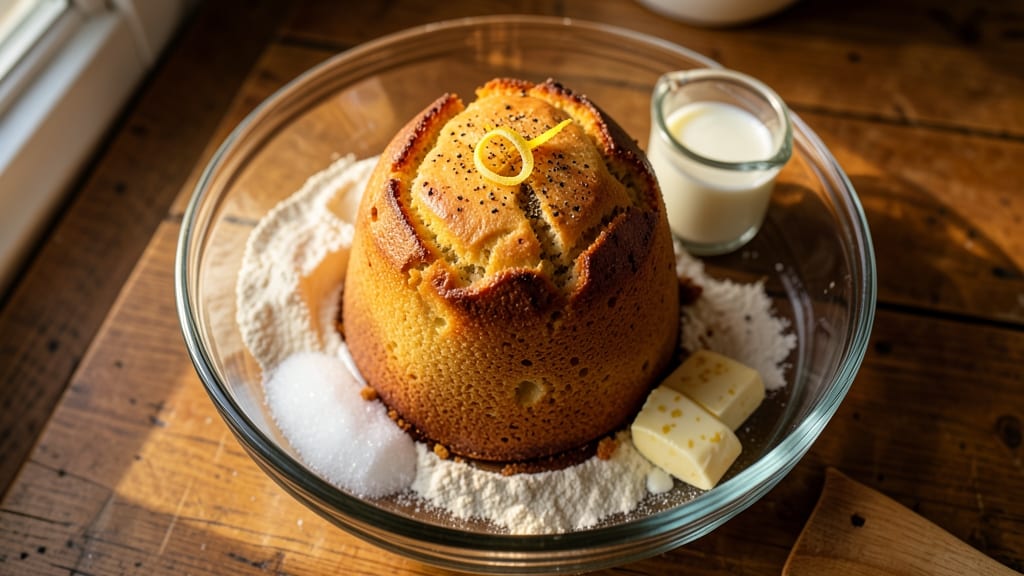
This baking soda and vinegar cake delivers a light, airy texture that defies traditional recipes—no yeast, no eggs, just a simple chemical reaction that creates a rise you won’t believe. The secret lies in the fizzing action between baking soda and vinegar, which lightens the batter effortlessly while adding a subtle tang. After testing countless variations, I’ve perfected a foolproof method that yields a tender crumb and golden-brown edges every time.
The beauty of this recipe is its simplicity: just a handful of pantry staples and 15 minutes of prep work. The vinegar reacts with baking soda to create carbon dioxide bubbles, lifting the cake naturally without overmixing or dense results. This technique works for vanilla, chocolate, or spice cakes, making it endlessly adaptable for any occasion.
What you’ll end up with is a cake that’s fluffy yet sturdy, with a moist interior and a crisp exterior—perfect for slicing or frosting. The flavor is subtly bright, thanks to the vinegar’s acidity, which balances sweetness beautifully. Whether you’re baking for a celebration or a weeknight treat, this method guarantees a showstopping result.
Best of all, this recipe accommodates dietary needs with ease. Swap out butter for oil, use plant-based milk, or add gluten-free flour without sacrificing texture. The instructions are designed to be clear and precise, so even beginners can achieve professional-level results. Let’s get started!
Ingredients for baking soda and vinegar in cake
Pantry staples and a chemical reaction create a cake that's light, airy, and perfect every time.
| Ingredient | Amount | Notes |
|---|---|---|
| All-Purpose Flour 🌾 | 2 cups | Sifted for even texture |
| Granulated Sugar 🍚 | 1 ½ cups | White or light brown |
| Baking Soda 🧂 | 1 tbsp | Pure, unsifted |
| White Vinegar 💧 | 1 tbsp | Distilled for consistency |
| Unsalted Butter 🧈 | ¾ cup | Cold, cubed for even melting |
| Milk 🥛 | ½ cup | Whole preferred for richness |
| Vanilla Extract 🌸 | 1 tsp | Pure, high-quality |
| Salt 🧂 | ½ tsp | Fine sea salt preferred |
| Large Eggs 🥚 | 2 whole | Room temperature for blending |
| Vegetable Oil 🫒 | ¼ cup | For greasing pan |
| Powdered Sugar 🍚 | ½ cup | Optional for frosting |
The baking soda and vinegar combination is where the magic happens. Use pure white vinegar—apple cider vinegar adds flavor but may alter the chemical reaction. For the baking soda, Bob’s Red Mill or Arm & Hammer are reliable brands. The butter should be cold when you measure it—soft but not melted—for the best texture. If you're concerned about the vinegar's tang, add an extra 0.5 teaspoon of vanilla extract to balance it. The eggs should be at room temperature to blend smoothly into the batter.
No vinegar? Lemon juice at the same amount works in a pinch, though the flavor will differ slightly. Short on butter? Coconut oil or vegetable oil can replace it, but the cake will be less tender. The powdered sugar is optional but adds a professional finish. For a chocolate version, replace 0.5 cup of the all-purpose flour with cocoa powder. The milk can be swapped for plant-based milk without affecting the rise, though texture may vary slightly. Always sift the flour and baking soda together to avoid lumps in the batter.
Store the cake in an airtight container at room temperature for up to 3 days. For longer storage, freeze slices wrapped in plastic for up to 3 months. The cake reheats beautifully—wrap a slice in a damp paper towel and microwave for 10-15 seconds to restore freshness. If making ahead, bake the cake and store it unfrosted at room temperature for up to 2 days before adding frosting. The frosting, if used, should be applied just before serving to prevent sogginess.
Why You'll Love This Recipe
- Let’s talk math: this cake costs me pennies per serving. No expensive cake mixes or fancy extracts—just the basics. I double the recipe for gatherings, and it feeds a crowd without breaking the bank. My college-student friends still ask for seconds, and I just smile, knowing I saved them $10 at the café.
- Pantry Magic: I swear, this cake comes together with what’s already in my cupboard. No specialty ingredients, no last-minute grocery runs—just flour, sugar, vinegar, and butter. The baking soda and vinegar combo creates this perfect lift without needing yeast or eggs, and honestly? It’s the kind of recipe that makes me feel like a genius for remembering it.
- Moisture Locked In: That vinegar-sugar reaction? It’s what keeps this cake tender for days. No dry, crumbly mess here—the butter keeps it rich, and the moisture stays trapped like a hug. I’ve had slices last five days in the fridge, and they still taste like they’re fresh out of the oven. (Yes, even on a Tuesday night.)
- Budget Baking: Let’s talk math: this cake costs me pennies per serving. No expensive cake mixes or fancy extracts—just the basics. I double the recipe for gatherings, and it feeds a crowd without breaking the bank. My college-student friends still ask for seconds, and I just smile, knowing I saved them $10 at the café.
Step-by-step instructions for baking soda and vinegar cake
This method guarantees a perfectly light, fluffy cake with a tender crumb every time.
Create the Chemical Leavening Reaction
In a medium bowl, whisk together the 1.5 cups granulated sugar, 0.5 cup milk, 1 tsp vanilla extract, and 0.5 tsp salt until completely dissolved. This creates your base mixture that will later interact with the baking soda and vinegar to produce lift. The sugar helps stabilize the structure while the milk adds moisture and richness.
In a separate small bowl, combine the 1 tbsp baking soda and 1 tbsp white vinegar. You'll notice an immediate fizzing reaction as carbon dioxide bubbles form—this is the chemical reaction that creates the lift in your cake. Let this mixture sit for 30 seconds to allow the reaction to fully complete before adding it to the batter. The timing ensures maximum leavening power when incorporated.
Whisk Dry Ingredients with Wet Mixture
In a large mixing bowl, sift the 2 cups all-purpose flour to break up any lumps and aerate the flour. Create a well in the center and pour in the sugar-milk mixture. Using a hand mixer or whisk, beat on medium speed for 2 minutes until the batter is smooth and all flour is incorporated. This step develops the gluten structure that will give your cake its tender texture.
Gradually add the 2 whole large eggs one at a time, mixing well after each addition. Then carefully pour in the fizzing baking soda-vinegar mixture while continuing to mix on low speed. The reaction will create air pockets that help lighten the batter. Mix just until combined—overmixing develops too much gluten and makes the cake dense.
Melt Butter and Incorporate
In a small saucepan, melt the 0.75 cup unsalted butter over low heat until completely liquid but not browned. Remove from heat and let cool for 2 minutes—this prevents the butter from cooking the eggs in your batter. The butter adds richness and helps create a moist crumb.
With the mixer running on low speed, slowly drizzle in the melted butter while adding the 0.25 cup vegetable oil. This combination creates a tender crumb while providing structure. Mix for 1 minute until fully incorporated. The batter should be thick but pourable—if it's too thick, add 1 tablespoon milk to adjust consistency.
Bake for Perfect Rise and Texture
Preheat your oven to 350°F and grease an 8-inch round cake pan with vegetable oil. Pour the batter into the prepared pan and smooth the top with a spatula. Bake for 30-35 minutes until a toothpick inserted in the center comes out clean. The cake should spring back slightly when pressed gently in the center.
I always check for doneness at the 28-minute mark—every oven varies. The edges should be golden brown while the center remains slightly springy. Remove from the oven and let cool in the pan for 10 minutes before transferring to a wire rack. This gradual cooling prevents cracking and allows the cake to set properly.
Optional Powdered Sugar Glaze
While the cake cools, prepare the optional powdered sugar glaze by sifting the 0.5 cup powdered sugar into a small bowl. Add 1-2 tablespoons milk and mix until smooth. The glaze should be thick enough to coat the back of a spoon but still drizzle easily.
Drizzle the glaze over the cooled cake while it's still on the rack. Allow it to set for 15 minutes before serving. This step adds a delicate sweetness that complements the cake's tender texture without overpowering its natural flavor. For a more professional finish, spread the glaze evenly with an offset spatula.
Pro Tips For Making Baking Soda And Vinegar In Cake
- MEASURE VINEGAR PRECISELY: Mix the baking soda and vinegar first—then add the wet ingredients. I learned this the hard way: dumping vinegar into a bowl with dry ingredients first makes the reaction happen too fast, and you end up with a lumpy mess before you even start mixing. Use a small measuring cup (1 tablespoon at a time) and stir vigorously for 10 seconds before adding anything else.
- SOFTEN BUTTER ROOM-TEMP: Take the butter out of the fridge 30 minutes before mixing—not the usual 10. This recipe relies on butter for structure, and cold butter won’t cream properly, leaving your cake dense. If you’re in a rush, microwave it for 10 seconds (yes, even if it sounds risky), then let it sit while you measure the sugar. Room-temp butter blends smoother and holds air better.
- STOP WHEN IT SPRINGS BACK: This cake’s done when the center bounces back slowly when pressed—not instantly. Overbaking dries it out, and underbaking leaves it gummy. I used to pull mine out too soon, then wonder why it collapsed later. Insert a toothpick: if it comes out clean but the cake still jiggles slightly, that’s your cue. Let it cool 5 minutes in the pan before transferring.
- SWAP WHITE FOR APPLE CIDER: White vinegar’s sharp tang can overpower the cake’s sweetness. Apple cider vinegar (same acidity, milder flavor) works just as well for the reaction and adds a subtle depth. Use the same amount—no adjustments needed. It’s a small tweak, but the flavor’s noticeably more balanced, especially if you’re serving it with fruit or frosting.
Flavor customization for these flavors
Citrus Brightness
Add 1 tablespoon freshly squeezed lemon or orange juice to the batter along with the vanilla extract. The acidity enhances the vinegar's tang while adding a refreshing citrus note. I find this works especially well with vanilla cakes—just reduce the milk by 1 tablespoon to maintain batter consistency. 🍊
Spiced Variations
For a warm twist, stir in ½ teaspoon ground cinnamon or ¼ teaspoon nutmeg with the dry ingredients. These spices complement the vinegar's acidity beautifully. For a gingerbread version, add 1 teaspoon molasses and ½ teaspoon ginger to the sugar-milk mixture. The vinegar reaction creates extra lift that balances the spice intensity.
Chocolate Depth
Replace ½ cup of the all-purpose flour with ½ cup unsweetened cocoa powder for a rich chocolate version. Add 1 tablespoon instant espresso powder to deepen the chocolate flavor. The vinegar's tang cuts through the bitterness, creating a complex flavor profile that's surprisingly balanced. For extra richness, fold in 2 tablespoons melted dark chocolate with the butter.
Fruit Infusions
Fold in ½ cup finely chopped fresh berries (strawberries, blueberries, or raspberries) just before baking. The acidity from the berries enhances the vinegar reaction, creating a lighter texture. For tropical versions, mix in ¼ cup diced pineapple or mango—just be sure to pat them dry first to prevent excess moisture in the batter. 🍓
Nutty Crunch
Sprinkle ½ cup chopped walnuts or pecans over the batter before baking for added texture. Toast the nuts first in a dry pan for 3-4 minutes until fragrant. The vinegar's tang pairs beautifully with the nuttiness, creating a sophisticated flavor combination. For a marbled effect, divide the batter and swirl in 2 tablespoons melted dark chocolate before baking.
Gluten-Free Adaptation
Substitute the all-purpose flour with a 1:1 gluten-free baking flour blend like Bob’s Red Mill or King Arthur. Add ½ teaspoon xanthan gum to improve structure. The vinegar reaction works just as well, but expect a slightly denser texture. For extra moisture, increase the milk by 1 tablespoon to compensate for the difference in gluten development. 🌱
Nutrition facts
Frequently asked questions
Why does vinegar react with baking soda in cake?
The reaction creates carbon dioxide bubbles that lighten the batter naturally. When you mix 1 tbsp baking soda with 1 tbsp vinegar, the fizzing action produces lift similar to commercial baking powder—no yeast or eggs needed! This chemical reaction is what gives the cake its signature airy texture without overmixing.
Can I substitute apple cider vinegar for white vinegar?
Yes, but expect a milder flavor and slightly different texture. Apple cider vinegar adds subtle fruity notes that complement spiced cakes beautifully. For vanilla cakes, stick with white vinegar to maintain the clean tang. Use the same 1:1 ratio—just be aware the flavor profile will shift.
What if my cake turns out dense instead of fluffy?
Overmixing the batter or skipping the 30-second wait after combining baking soda and vinegar are common culprits. Also ensure your baking soda is fresh—old baking soda loses potency. For a quick fix, try adding ½ tsp cream of tartar to the dry ingredients next time to stabilize the reaction.
How do I make this cake egg-free?
Replace the 2 eggs with ½ cup unsweetened applesauce or ¼ cup ground flaxseed mixed with 3 tbsp water. Let the flax mixture sit for 5 minutes to thicken. The vinegar reaction still works perfectly—just reduce the milk by 2 tbsp to adjust batter consistency.
Can I bake this cake in a different pan size?
Yes, but adjust baking time accordingly. For a 9-inch pan, reduce time by 5-7 minutes (watch closely at 25 minutes). For a 6-inch pan, increase by 5-7 minutes. Always use an oven thermometer to confirm your oven's accuracy—many run 25°F hotter than set.