Desserts
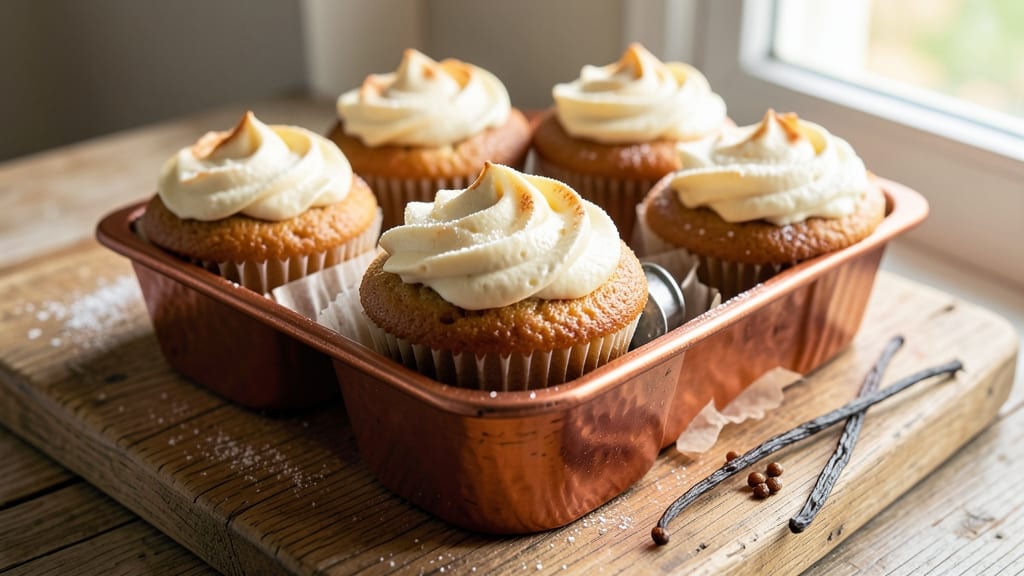
Transforming a cake recipe into baking cupcakes from a cake recipe is simpler than you think—and the results are worth every minute. 💛 The key lies in understanding how batter behaves differently in cupcake liners versus a full cake pan, and I’ll walk you through every adjustment to ensure your cupcakes stay tender, domed, and cake-like in texture.
Most cake recipes work beautifully for cupcakes with just a few tweaks: slightly less batter per cupcake (to prevent overflow), a longer bake time (to ensure doneness without burning), and careful frosting techniques to highlight their individual charm. This method preserves the cake’s signature moisture while delivering the convenience of single servings.
What you’ll end up with are cupcakes that rise just enough to create a sturdy base for frosting, with a crumb that’s soft yet structured—no dry, cakey disappointments here. The secret? Monitoring oven temperature closely and using room-temperature ingredients for even baking. Once you master this conversion, you’ll never buy boxed cupcakes again.
Whether you’re prepping for a party, testing flavors, or simply craving a single indulgent treat, these cupcakes deliver restaurant-quality moisture in a portable package. Let’s get baking—your taste buds will thank you.
Ingredients for baking cupcakes from cake
Pantry staples plus a few baking essentials—this is your shortcut to restaurant-quality cupcakes.
| Ingredient | Amount | Notes |
|---|---|---|
| All-Purpose Flour 🌾 | 3 cups | Sifted for even distribution |
| Granulated Sugar 🍚 | 2 cups | White or light brown preferred |
| Unsalted Butter 🧈 | 1 cup | Room temperature, not melted |
| Large Eggs 🥚 | 4 whole | Room temperature for even mixing |
| Vanilla Extract 🌸 | 2 tsp | Pure vanilla, not imitation |
| Baking Powder 🍞 | 2 tsp | Freshly opened for best rise |
| Salt 🧂 | ½ tsp | Fine sea salt preferred |
| Whole Milk 🥛 | 1 cup | Room temperature for smooth batter |
| Cupcake Liners 🧡 | 24 whole | Standard 2.5-inch size |
| Buttercream Frosting 🧁 | 2 cups | Homemade or quality store-bought |
| Food Coloring (optional) 🎨 | 1 tsp | Gel-based for vibrant colors |
| Edible Glitter (optional) ✨ | 1 tsp | For festive decoration |
The flour is where texture magic happens. King Arthur or Gold Medal brands are my go-tos—they bake evenly without gummy centers. Butter needs to be room temperature (press a finger into it—it should dent but not be sticky). For the eggs, room temperature is non-negotiable—cold eggs cause uneven baking. Vanilla extract should be pure (no imitation), and if you're feeling fancy, Madagascar bourbon vanilla adds depth. Baking powder must be fresh—if it's over a year old, toss it. The milk? Warm it slightly to help dissolve the sugar evenly. Pro tip: Line your muffin tin with cupcake liners before preheating the oven—they'll stay put.
No vanilla extract? Almond extract at half the amount works in a pinch, but the flavor profile changes. Short on butter? Coconut oil works too, though it adds a subtle coconut note. For a lighter texture, replace 2 tablespoons of milk with unsweetened applesauce. Want to skip frosting? A dusting of powdered sugar and a sprinkle of cinnamon makes them feel special. The liners can be any color—pastel for spring, bold for birthdays. And if you're baking for a crowd, double the recipe—just use two muffin tins at once. The batter should be thick but pourable; if it's too stiff, add 1 tablespoon more milk.
Batter keeps for 2 days in the fridge, covered tightly. For longer storage, freeze portions in ice cube trays—thaw overnight in the fridge before baking. Baked cupcakes stay fresh for 3 days at room temperature if stored in an airtight container. Frosted cupcakes? 2 days max—the frosting softens over time. To reheat, microwave for 10 seconds—just enough to soften the frosting without drying out the cupcake. And if you're prepping ahead for a party? Bake the cupcakes, cool completely, then freeze unfrosted. Frost right before serving for that just-made look.
Why You'll Love This Recipe
- No Extra Mix Needed: I keep a box of cake mix on hand, but this hack lets me use the same dry ingredients I already have—just swap in melted butter and eggs. No measuring cups cluttering my counter, no dusty pantry trips.
- Buttercream in a Flash: That rich butter and sugar combo? It’s basically a shortcut to bakery-quality frosting. I just fold in vanilla and a splash of milk—no fancy stabilizers, no waiting for it to chill. Spread it on warm cupcakes, and you’ve got a cloud of flavor.
- Birthday to Brunch: Same batter, endless uses. Decorate them with sprinkles for a kid’s party, top with lemon glaze for a morning treat, or even crumble a few into oatmeal when I’m lazy. Honestly, I’ve eaten them straight from the bowl more times than I can count.
- Half the Cost: A box of mix costs more than my flour and sugar combined. This recipe lets me stretch my dollar—make a dozen cupcakes for $2 or bake two batches for a party. (Yes, even on a Tuesday night.)
Step-by-step instructions for perfectly moist cupcakes from cake recipe
Transform your favorite cake batter into tender, moist cupcakes with this foolproof method.
👨🍳 Step 1: Prep Ingredients for Perfect Texture
First, let the room temperature unsalted butter and large eggs sit out for 30 minutes—this ensures even mixing and prevents dense cupcakes. Sift together the 3 cups all-purpose flour, 2 tsp baking powder, and 0.5 tsp salt in a bowl. I like to sift twice for ultra-fine distribution, which guarantees a tender crumb.
In a separate bowl, whisk the 2 cups granulated sugar with the 1 cup whole milk and 2 tsp vanilla extract until the sugar dissolves completely. This pre-mix prevents graininess in your cupcakes. The sugar should be fully incorporated with no gritty texture—this is your first checkpoint for smooth batter.
🍳 Step 2: Cream Butter and Sugar for Lightness
Using a stand mixer with the paddle attachment, beat the room temperature butter on medium speed until completely smooth—about 1 minute. Gradually add the sugar-milk mixture while mixing on low speed for 2 minutes until light and fluffy. You'll notice the mixture nearly doubles in volume and becomes pale—this aeration is what creates that perfect cupcake dome.
Add the 4 room temperature eggs, one at a time, mixing just until each is fully incorporated. I like to scrape down the sides of the bowl between additions to ensure even distribution. The batter should be thick but pourable—if it's too stiff, add 1 tablespoon milk at a time until it reaches the right consistency.
🥘 Step 3: Combine Dry Ingredients Gently
With the mixer on low speed, gradually add the sifted flour mixture to the wet ingredients. Mix just until combined—you should still see small flour streaks. Overmixing develops gluten, which can make cupcakes tough. Stop mixing as soon as the batter comes together smoothly. This step is crucial for maintaining that cake-like moisture in each cupcake.
Divide the batter evenly among the 24 cupcake liners, filling each about ⅔ full. A kitchen scale helps ensure even distribution—each liner should get about 1.5 ounces of batter. Tap the pan gently on the counter to release any air bubbles and smooth the tops. This prevents dome collapse during baking.
🔥 Step 4: Bake for Evenly Moist Results
Preheat your oven to 350°F and place a baking sheet on the middle rack. Bake the cupcakes for 18-20 minutes until a toothpick inserted in the center comes out clean. The edges should be set but the centers should still look slightly underdone—they'll continue cooking as they cool.
I like to rotate the pan halfway through baking for even heat distribution. This prevents the cupcakes closest to the oven from overbaking while those farther away stay underdone. Let them cool in the pan for 5 minutes before transferring to a wire rack to cool completely. This gradual cooling helps maintain moisture and prevents cracking.
🎂 Step 5: Frost and Decorate for Professional Finish
Once completely cooled, pipe 2 cups buttercream frosting onto each cupcake using a star tip for that classic look. For extra flair, tint the frosting with 1 tsp food coloring if desired—gel-based coloring gives vibrant hues without altering the frosting's consistency. Spread evenly to create smooth sides and a slightly domed top.
For a festive touch, sprinkle 1 tsp edible glitter over the frosting while it's still wet. Work quickly so the glitter doesn't settle to the bottom. Let the frosting set for 10 minutes before serving to ensure clean slices. These cupcakes will stay moist for 2 days when stored in an airtight container at room temperature.
Pro Tips For Making Baking Cupcakes From Cake
- Weigh Your Butter: I learned this the hard way—measuring butter by scooping it straight from the fridge leads to inconsistent volumes. Use a kitchen scale for 227g (1 cup) of softened butter, or at least press it firmly into the measuring cup. That extra 10g makes a difference in texture.
- Fill Cups Halfway: Cupcakes rise differently than cakes, so don’t overfill the liners. Stop when the batter reaches the halfway mark—this prevents overflowing and ensures even baking. Trust me, your kitchen floor will thank you.
- Use Room-Temp Eggs: Cold eggs can cause uneven baking or sinky centers in cupcakes. Take them out 30 minutes before mixing, or run them under warm water for a minute. The batter will blend smoother, and your cupcakes will hold their shape better.
- Check Oven Temp Early: Ovens lie—especially if you just baked something else. Pop in a thermometer when you preheat, and adjust if it’s off by more than 25°F. Cupcakes need consistent heat to bake evenly, and no one wants a dry top or gummy center.
Troubleshooting great baking cupcakes from cake
Batter Too Thick?
If your batter seems too stiff to pipe, don’t panic—this is common when converting cake recipes. Gradually add 1 tablespoon of milk or water at a time while mixing until it reaches a thick but pourable consistency. For extra insurance, let the batter rest for 10 minutes before filling liners—this helps it relax and flow better. I’ve found that King Arthur flour absorbs less liquid, so if you’re using that brand, you might need to add an extra tablespoon.
Cupcakes Cracking?
Cracking usually happens when cupcakes cool too quickly or the oven temperature fluctuates. To prevent this, let them cool in the pan for 5 minutes before transferring to a wire rack. Also, avoid opening the oven door during the first 15 minutes of baking—temperature drops cause uneven cooling. If cracks appear, a thin layer of buttercream frosting can hide them beautifully while adding a professional finish.
Uneven Baking?
If your cupcakes bake unevenly (some overdone, others underdone), rotate the pan halfway through baking. I also recommend using an oven thermometer to confirm your oven’s actual temperature—many run 25°F hotter or colder than set. If your oven has hot spots, switch pans halfway through the 18-20 minute bake time. For extra evenness, bake on the middle rack where heat circulates most consistently.
Flat or Sunken Tops?
Flat or sunken cupcakes often result from overmixing or underbaking. To fix this, ensure your batter is mixed just until combined (small flour streaks should remain) and bake for the full 18-20 minutes. If using a 2.5-inch liner, fill it ⅔ full—overfilling causes spillage and flat tops. For a dome effect, tap the pan gently on the counter after filling to release air bubbles. A 10-minute rest before baking also helps batter settle properly.
Dry or Crumbly Texture?
Dry cupcakes usually mean overbaking or too much flour. To avoid this, bake until a toothpick comes out with a few moist crumbs (not wet batter). If your recipe calls for 3 cups flour, measure it by weight (360 grams) for accuracy—scooping can add extra volume. For extra moisture, replace 2 tablespoons of milk with 2 tablespoons of yogurt or applesauce. Store baked cupcakes in an airtight container with a slice of bread to retain moisture overnight.
Frosting Not Sticking?
Frosting that slides off often means the cupcakes cooled too quickly or weren’t fully set. Let cupcakes cool completely (at least 2 hours) before frosting. For extra adhesion, brush the tops with a thin layer of simple syrup (equal parts sugar and water, heated until dissolved). Chill the frosted cupcakes for 30 minutes before serving—this helps the frosting set firmly. If using buttercream, ensure it’s at room temperature** for smooth piping.
Nutrition facts
Frequently asked questions
Why do cupcakes from cake recipes need less batter per liner?
Cupcake liners hold about ⅓ the volume of a standard 9x13-inch cake pan. Filling them ⅔ full (about 1.5 ounces of batter) prevents overflow while ensuring a sturdy base. Overfilling causes messy spills and flat tops—think of it as baking mini cakes with perfect proportions!
Can I use any cake recipe for cupcakes?
Most cake recipes work, but avoid recipes with high moisture content (like pound cake) or those requiring long baking times. Stick to standard vanilla, chocolate, or spice cakes—they convert best. For extra insurance, reduce baking powder by ¼ teaspoon to prevent excessive rise in cupcake form.
How do I adjust baking time for cupcakes?
Cupcakes bake 20-30% faster than cakes. At 350°F, they’re done in 18-20 minutes (vs. 30-40 minutes for a cake). Check with a toothpick—it should come out with a few moist crumbs, not wet batter. Rotate the pan halfway for even baking. Overbaking = dry cupcakes!
What’s the best frosting for cupcakes from cake batter?
Buttercream is ideal—its richness complements the cake-like texture. For lighter options, try cream cheese frosting or whipped cream. Avoid overly sweet glazes; they can overwhelm the cupcake’s flavor. Pro tip: Chill frosted cupcakes for 30 minutes before serving to prevent melting.
Can I make cupcakes ahead of time?
Yes! Bake cupcakes 1 day ahead and store in an airtight container at room temperature. Frost just before serving to keep them fresh. For longer storage, freeze unfrosted cupcakes for up to 3 months. Thaw overnight in the fridge—no microwave needed!