
Desserts
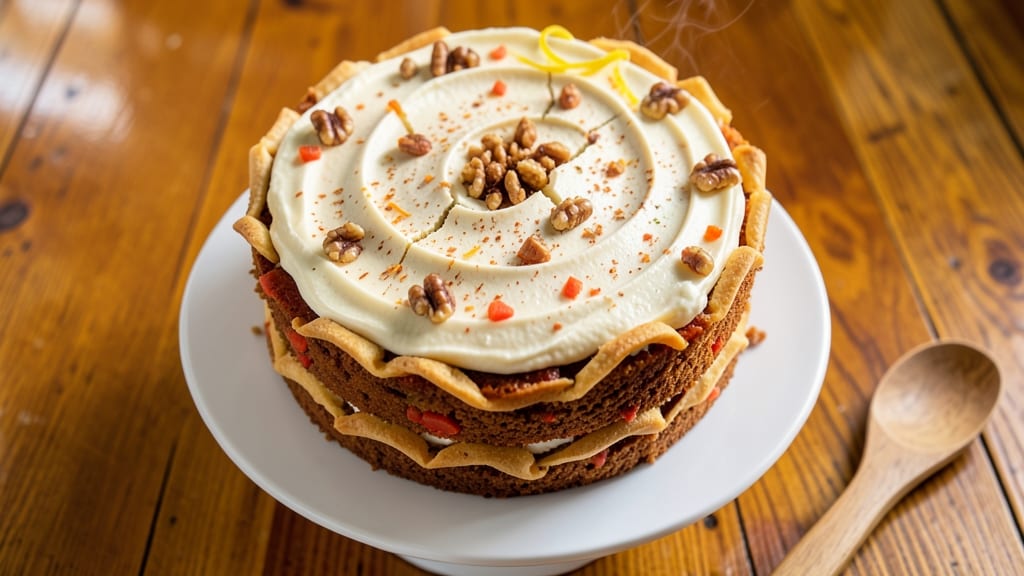
This bakery-style carrot cake recipe delivers the perfect balance of moist, spiced layers and velvety cream cheese frosting—just like your favorite pastry shop. The secret lies in finely grated carrots and a precise blend of warm spices that infuse every bite with nostalgic comfort. I've refined this recipe over years of baking, ensuring the texture stays tender yet sturdy enough to hold thick frosting without crumbling.
The foundation begins with a rich, moist cake batter where finely grated carrots distribute evenly for consistent texture. Walnuts add a satisfying crunch, while cinnamon, nutmeg, and ginger create that signature carrot cake warmth. Baking at 350°F for 35-40 minutes ensures a golden top and perfectly set layers that stay moist for days when stored properly.
What truly elevates this recipe is the cream cheese frosting—a tangy, velvety contrast to the cake's sweet-spiced profile. Made with just 5 ingredients, it spreads smoothly and creates those bakery-worthy swirls. The frosting's slight tang cuts through the cake's richness, making each bite balanced and indulgent. This is the kind of dessert that disappears quickly at gatherings.
Whether you're baking for a celebration or treating yourself, this recipe delivers professional-quality results at home. The combination of moist layers, fragrant spices, and creamy frosting makes it a standout dessert that's worth the effort. Let's get started on creating your perfect carrot cake.
Ingredients for bakery style carrot cake
These carefully chosen ingredients create bakery-style carrot cake with perfect moist layers and velvety frosting.
| Ingredient | Amount | Notes |
|---|---|---|
| All-Purpose Flour 🌾 | 2 ½ cups | Sifted for even texture |
| Granulated Sugar 🍚 | 2 cups | White or light brown preferred |
| Packed Brown Sugar 🍚 | 1 cup | For moisture and depth |
| Orange Juice 🍊 | ½ cup | Freshly squeezed for brightness |
| Vegetable Oil 🫒 | 1 cup | Light neutral flavor |
| Large Eggs 🥚 | 4 whole | Room temperature for even mixing |
| Pure Vanilla Extract 🌿 | 2 tsp | High-quality for flavor |
| Ground Cinnamon 🌶️ | 3 tsp | Warm and aromatic |
| Ground Nutmeg 🌿 | ½ tsp | Freshly grated preferred |
| Ground Ginger 🌶️ | 1 tsp | Freshly ground for strength |
| Salt 🧂 | 1 tsp | Kosher or sea salt |
| Finely Grated Carrots 🥕 | 3 cups | Packed, no pulp left |
| Chopped Walnuts 🌰 | 1 ½ cups | Toasted for enhanced flavor |
| Cream Cheese 🧀 | 16 oz | Full-fat, room temperature |
| Unsalted Butter 🧈 | ½ cup | Cold, cubed for frosting |
| Powdered Sugar 🍚 | 4 cups | Sifted for smooth frosting |
| Lemon Juice 🍋 | 1 tbsp | Brightens frosting flavor |
The carrots are non-negotiable—organic carrots from the produce section (not the pre-shredded bags) give the best texture and flavor. Trader Joe's or Whole Foods often carry the sweetest varieties. Toast your walnuts for 5 minutes at 350°F before chopping to deepen their flavor. For the spices, Penzeys Spices offers the freshest ground cinnamon and nutmeg, but any high-quality brand works. The orange juice should be freshly squeezed—bottled just won't cut it here. If you're short on time, store-bought orange juice works in a pinch, but the flavor won't be as vibrant.
No fresh carrots? Steamed and cooled carrots work—just grate them thoroughly. Running out of walnuts? Pecans or almonds are good substitutes, though they change the texture slightly. For the frosting, cream cheese must be room temperature—cold lumps ruin the silky texture. If you're making this ahead, prepare the frosting ingredients separately and whip them together just before spreading. The powdered sugar should be sifted to avoid graininess in the final frosting. For a tangier frosting, add an extra 1/2 teaspoon of lemon juice—it balances the sweetness beautifully.
The cake layers keep well for 3 days at room temperature in an airtight container, but they're best enjoyed fresh. For longer storage, wrap tightly in plastic wrap and refrigerate for up to 5 days. The frosting can be made 2 days ahead and stored in the fridge—just rewhip before spreading. To serve, slice with a serrated knife for clean cuts. This cake freezes beautifully—wrap each layer individually and freeze for up to 3 months. Thaw overnight in the fridge before frosting.
Why You'll Love This Recipe
- No Mixer Needed: I swear by this recipe when I’m too tired for stand mixers—just whisk the flour, sugars, and orange juice together until it’s smooth. The oil keeps it moist without extra fuss, and honestly? My cake turns out lighter than anything I’ve bought from a bakery.
- Caramel-Orange Magic: That brown sugar and orange juice combo? It’s the secret weapon. The cake has this subtle caramel depth that balances the carrots, and the citrus brightens every bite. (Yes, even my picky husband asks for seconds.)
- Weeknight to Party: Make a single batch for breakfast muffins or double it for a crowd—same recipe, endless uses. I’ve served it at brunch, potlucks, and even as a dessert after Thanksgiving. The orange flavor makes it feel special without the effort.
- Budget-Friendly Luxury: Flour, sugar, and oil are pantry staples, and carrots stretch further than you’d think. A single cake feeds six, and leftovers reheat beautifully in the microwave. Between us? It’s the kind of treat that tastes expensive but costs next to nothing.
Step-by-step instructions for bakery-style carrot cake
This method delivers perfectly moist layers with a tender crumb and rich walnut flavor.
Prepare the Carrot Cake Batter
Preheat your oven to 350°F and grease two 9-inch round cake pans with vegetable oil, then line the bottoms with parchment paper. In a large mixing bowl, combine the 2.5 cups all-purpose flour, 3 teaspoons ground cinnamon, 0.5 teaspoon ground nutmeg, 1 teaspoon ground ginger, and 1 teaspoon salt. Whisk until evenly distributed—this ensures consistent flavor throughout each layer.
In a separate large bowl, beat the 4 whole large eggs until just combined, then add the 2 cups granulated sugar, 1 cup packed brown sugar, and 1 cup vegetable oil. Mix on medium speed for 2 minutes until the mixture is light and fluffy. The sugar should nearly double in volume, creating air pockets for that bakery-style lightness.
Gradually add the dry ingredients to the wet mixture, alternating with the 0.5 cup orange juice. Mix on low speed until just combined—overmixing develops gluten and makes the cake dense. Fold in the 3 cups finely grated carrots and 1.5 cups chopped walnuts by hand using a spatula, ensuring even distribution. The carrots should be evenly dispersed, not clumped.
Bake the Cake Layers
Divide the batter evenly between the prepared cake pans. Tap each pan gently on the counter to remove any air bubbles. Bake for 25-30 minutes, or until a toothpick inserted into the center comes out clean. The edges should be golden brown, but the top may still look slightly underdone—this is normal and will even out as it cools.
I like to rotate the pans halfway through baking for even heat distribution. If the tops brown too quickly, tent the pans with aluminum foil. Once baked, remove from the oven and let the cakes cool in their pans for 10 minutes before transferring to a wire rack to cool completely. This gradual cooling prevents cracking and maintains moisture.
Prepare the Cream Cheese Frosting
While the cakes cool, prepare the frosting by beating the 16 ounces cream cheese and 0.5 cup unsalted butter together in a mixing bowl until smooth and creamy. The butter should be cold and cubed—this prevents the frosting from becoming too soft. Gradually add the 4 cups powdered sugar, mixing on low speed until incorporated.
Add the 2 teaspoons pure vanilla extract and 1 tablespoon lemon juice, then beat on medium speed for 2-3 minutes until light and fluffy. The frosting should be thick enough to hold peaks but still spreadable. If it's too thick, add 1-2 teaspoons milk or orange juice to reach the perfect consistency.
Assemble the Carrot Cake
Once the cakes are completely cool, place one layer on a serving plate. Spread a generous layer of frosting over the top, then place the second layer on top. Frost the entire cake, including the sides, with the remaining frosting. For a professional finish, I like to use a bench scraper to create clean edges and smooth any rough spots.
Chill the cake in the refrigerator for at least 30 minutes before slicing. This allows the frosting to set and makes it easier to serve clean slices. The cake should have a moist, tender crumb with a perfect balance of sweetness and spice, topped with a velvety cream cheese frosting that brightens the flavors.
Pro Tips For Making Bakery Style Carrot Cake
- Preheat Like a Pro: Turn your oven to 350°F (175°C) but wait 10-15 minutes before baking—this ensures even heat from the start. I learned this the hard way when my first batch had a cooler center because the pan absorbed heat too slowly. A glass or ceramic dish helps, but don’t skip the wait time, even if you’re eager.
- Grate Carrots Fine: Use a box grater (not a food processor) for uniform, fine shreds—this mimics bakery texture and prevents gummy spots. I was skeptical until I tried it; the cake stays moist without turning dense. (Yes, it’s tedious, but your future self will notice the difference.)
- Whisk Dry Ingredients: Sift the flour and spices together, then whisk vigorously for 30 seconds before mixing with wet ingredients. This aerates the batter, making the cake lighter. I used to just dump it in, and the result was always slightly heavier—like a sad, dense brick.
- Don’t Overmix Wet Ingredients: Combine the granulated sugar, brown sugar, oil, and orange juice until just smooth—no need to beat like a mad scientist. Overmixing incorporates too much air, which can cause the cake to collapse or develop tunnels. Stir until the sugar dissolves, then stop. (Trust me, it’s enough.)
Common mistakes when making perfect results
Overmixing the Batter
I’ve ruined more carrot cakes than I’d like to admit by overmixing the batter after adding the dry ingredients. The moment you see streaks of flour disappearing, stop mixing! Overworking the batter develops gluten, which leads to a tough, dense cake instead of the tender crumb you want. Mix just until combined—about 10-15 seconds after the flour disappears. For extra insurance, use a spatula to gently fold in the grated carrots and walnuts by hand. 🥄
Skipping the Room-Temp Ingredients
Cold eggs and cream cheese are the silent saboteurs of bakery-style perfection. Room-temperature ingredients blend smoothly, creating a lighter texture. Let your eggs sit out for 30 minutes before using, and take the cream cheese out of the fridge 1 hour ahead of frosting. Cold butter in the frosting? It’ll create lumps that never dissolve, no matter how long you beat. Trust me, your frosting will thank you. ❄️
Underestimating Carrot Grating
Pre-shredded carrots from a bag are a baking crime—trust me, I’ve learned this the hard way. The tiny pellets don’t distribute evenly, leaving dry spots in your cake. Use a box grater or food processor to finely grate fresh carrots, and pack them tightly into your measuring cup. If you’re in a rush, steam carrots first to soften them, then grate. Just don’t skip the grating step entirely! 🥕
Baking Without Parchment
Greasing your pans is a must, but parchment paper is your secret weapon. It prevents the cake from sticking and ensures clean slices. If you skip it, you’ll end up with a cake that tears at the edges when you try to remove it from the pan. Line the bottoms of your pans with parchment circles cut to fit, and grease the sides separately. This two-step process guarantees perfect release every time. 📏
Overbaking the Layers
A toothpick that comes out clean doesn’t always mean your cake is done—especially with carrot cake. The tops often look underbaked but set up as they cool. Pull your cakes out when they almost pass the toothpick test (a few moist crumbs are okay). Overbaking dries out the layers, making them crumbly and unable to hold the frosting. Let them cool completely before frosting to avoid soggy bottoms. ⏱️
Ignoring the Chill Time
Skipping the 30-minute chill before slicing is a common rookie mistake. Without it, the frosting stays too soft, leading to messy slices and a cake that collapses under its own weight. Pop your fully frosted cake in the fridge while you finish other tasks—it’s the best way to ensure clean cuts and a stable structure. Patience here pays off in presentation. ❄️
Nutrition facts
Frequently asked questions
Can I make this carrot cake without walnuts?
Walnuts add texture, but you can substitute 1.5 cups of pecans or almonds (toasted for 5 minutes at 350°F) for a different flavor profile. For nut-free versions, omit them entirely—the cake will still be delicious, just with a slightly softer texture.
How do I store leftover carrot cake?
Wrap the frosted cake tightly in plastic wrap and store at room temperature for up to 3 days in an airtight container. For longer storage, refrigerate for 5 days or freeze individual layers (unfrosted) for up to 3 months. Thaw overnight in the fridge before frosting. The frosting stays fresh for 2 days when refrigerated separately.
Why is my carrot cake dry?
Dry carrot cake usually means overbaking or not enough moisture in the batter. Check your baking time—pull the cake when a toothpick comes out with a few moist crumbs, not completely clean. For extra moisture, add 2 tablespoons of orange juice or applesauce to the batter. Also ensure your carrots are finely grated and packed tightly in the measuring cup.
Can I use Greek yogurt instead of oil?
Yes! Replace the 1 cup vegetable oil with 1 cup plain Greek yogurt (full-fat for best texture) to make a lighter, tangier cake. The yogurt adds moisture and protein while reducing fat. For best results, let the yogurt sit at room temperature before mixing. This works especially well if you prefer a slightly denser crumb.
What's the best way to decorate this cake?
For a bakery-style finish, pipe swirls on top using the frosting, or create a crumb coat first by spreading a thin layer of frosting, chilling, then adding a final thick layer. Add chopped walnuts or candied ginger on top for texture, or dust with powdered sugar for a snowy effect. For extra flair, pipe rosettes around the edges before adding the final frosting layer.