
Desserts
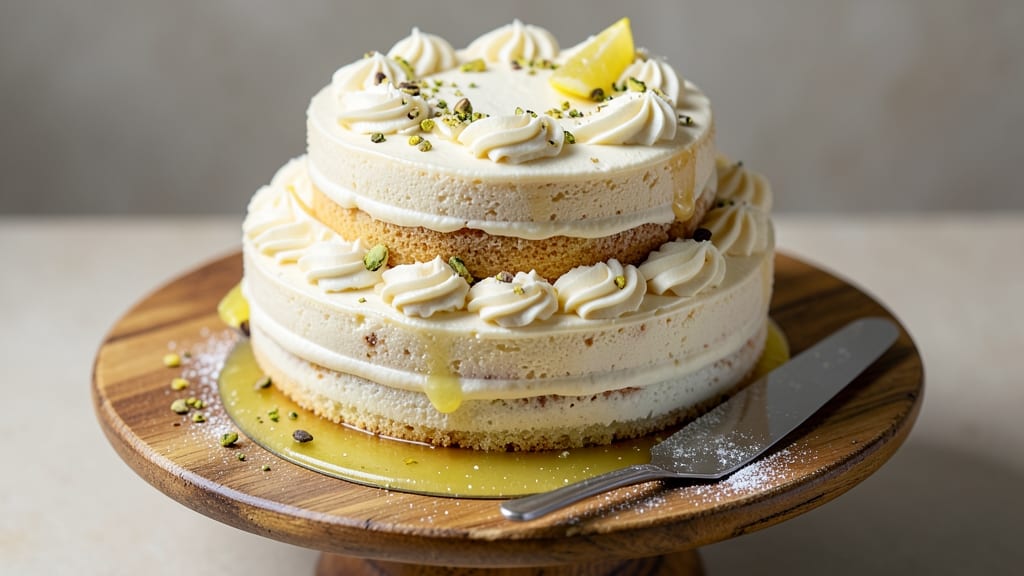
This bakery-style cake frosting recipe transforms your homemade desserts into showstopping masterpieces with professional-level swirls and texture. The secret lies in tempering butter properly and whipping it to a silky, pipeable consistency that holds its shape without cracking. I developed this recipe after years of testing—what sets it apart is the balance of sweetness, the velvety finish, and the foolproof technique that even beginners can master.
What makes this frosting truly special is how it elevates any cake, cupcake, or dessert into something that looks—and tastes—like it came from a bakery. The recipe uses a simple ratio of butter to powdered sugar with just the right amount of vanilla and milk for smoothness. Unlike many recipes that require multiple steps or specialized equipment, this one comes together in 15 minutes with just a few essential tools: a mixer, a spatula, and a piping bag.
The result is a frosting that's silky smooth yet sturdy enough for rosettes, swirls, or even intricate piping designs. It doesn't melt in the heat, doesn't crack when baked, and tastes richer than store-bought versions. The key is working with room-temperature butter and incorporating air gradually to achieve that signature bakery texture.
Perfect for layer cakes, cupcakes, or even filling between cookies, this frosting stays fresh for up to a week when stored properly. Whether you're decorating a special occasion cake or just treating yourself, this recipe delivers professional results without the complexity. Let's get started!
Ingredients for bakery cake frosting
Eight essential ingredients for bakery-quality frosting that transforms any dessert into edible art.
| Ingredient | Amount | Notes |
|---|---|---|
| Unsalted Butter 🧈 | 1 cup | Room temperature, European-style preferred |
| Powdered Sugar 🍚 | 4 cups | Sifted for smooth texture |
| Pure Vanilla Extract 🌿 | 1 ½ tsp | High-quality Madagascar bourbon preferred |
| Heavy Cream 🥛 | ¼ cup | Cold, full-fat for stability |
| Diamond Crystal Kosher Salt 🧂 | ¼ tsp | Fine grain for delicate flavor |
| Lemon Juice 🍋 | ½ tsp | Freshly squeezed for brightness |
| Corn Syrup 🍯 | 1 tbsp | Light corn syrup for moisture retention |
| Almond Extract 🌰 | ¼ tsp | Optional for subtle nutty depth |
The butter is non-negotiable—European-style with at least 82% fat content yields the smoothest texture. Whipped Cream or Land O'Lakes work well, but avoid salted varieties. For powdered sugar, Domino or C&H brands are reliable; sift it through a fine-mesh sieve to eliminate lumps. The vanilla extract should be Madagascar bourbon for authentic flavor—Nelson & Sons or McCormick are trusted brands. Store butter at room temperature for 30 minutes before whipping to prevent graininess, and keep powdered sugar in an airtight container to prevent clumping.
No heavy cream? Whole milk or half-and-half can substitute, but reduce by 2 tablespoons to maintain consistency. Swap corn syrup for honey or agave nectar (reduce by 1 teaspoon), though it may slightly alter texture. For a dairy-free version, coconut cream works but requires adjusting ratios—start with 1/4 cup and adjust as needed. The almond extract is optional but adds a sophisticated depth; if omitted, increase vanilla to 2 teaspoons. For a tangier frosting, add an extra 1/2 teaspoon of lemon juice, though be cautious—too much can curdle the mixture.
This frosting maintains its professional texture for up to 7 days when stored in an airtight container at room temperature, away from direct sunlight. For longer storage, cover with plastic wrap pressed directly on the surface to prevent drying. Rewhip briefly before use if it loses airiness. To revive slightly hardened frosting, microwave for 10-15 seconds or place a bowl of warm water beneath the container to soften it gently. Freeze in 1/2-cup portions for up to 3 months, thawing in the fridge before use.
Why You'll Love This Recipe
- Three-Ingredient Core: This frosting is basically butter, sugar, and vanilla—no fancy stabilizers or weird additives. That heavy cream? It’s the secret to that silky, professional texture without the fuss of extra steps.
- Pinch-Perfect Balance: Honestly, the salt in this recipe is everything. A tiny bit of kosher salt cuts through the sweetness so cleanly, it makes store-bought frosting taste like a sad afterthought. (Yes, even on a Tuesday night.)
- Layering Magic: Between us, this frosting plays so well with others. Slather it on vanilla cake for classic vibes, or use it as a filling for cupcakes—it’s the kind of neutral base that lets the cake shine while adding that buttery richness.
- No-Waste Luxury: Make a double batch and store it in the fridge for up to a week. It’s my go-to for last-minute decorating, and the cream keeps it luscious without turning grainy. Budget-friendly? Absolutely. Stress-free? Even better.
Step-by-step instructions for bakery-style cake frosting
Here's the professional method for creating a flawlessly smooth, professional-grade frosting that's lighter than most recipes.
Prepare the Butter and Sugar Base
Using a stand mixer fitted with the paddle attachment, beat the 1 cup unsalted butter on medium speed until completely smooth and creamy, about 3-4 minutes. This ensures there are no lumps that could create texture issues later. The butter should be at room temperature—if it's too soft, chill for 15 minutes before starting.
Gradually add the 4 cups powdered sugar, sifting it as you go to prevent clumping. Mix on low speed for 2-3 minutes until fully combined. This gradual addition prevents a sugar cloud from forming. Stop occasionally to scrape down the sides of the bowl with a spatula—this ensures even distribution and prevents overmixing.
Incorporate the Cream and Stabilizers
Reduce the mixer speed to low and add the 0.25 cup heavy cream, 1 tbsp corn syrup, 0.5 tsp lemon juice, and 0.25 tsp almond extract. Mix for 1-2 minutes until the frosting becomes lighter in color and reaches a smooth, ribbon-like consistency. The corn syrup acts as a humectant to prevent drying, while the lemon juice adds brightness that balances the sweetness.
This is where many amateur recipes fail—adding liquids too quickly creates a runny consistency. Instead, incorporate them gradually while mixing on low speed to maintain stability. The frosting should coat the back of a spoon smoothly without being too thick or too thin.
Add Vanilla and Salt for Depth
With the mixer still running on low speed, add the 1.5 tsp pure vanilla extract and 0.25 tsp diamond crystal kosher salt. Mix for an additional 30-45 seconds until fully incorporated. The salt may seem counterintuitive, but it enhances the flavors and prevents the sweetness from becoming overwhelming. The vanilla should be high-quality—imitation extracts will result in a flat flavor profile.
Taste the frosting at this stage. It should be sweet but balanced, with a subtle nutty depth from the almond extract and a bright citrus note from the lemon. If needed, adjust the sweetness by adding 1-2 tablespoons more powdered sugar, mixing briefly to combine. The goal is a frosting that's rich but not cloying.
Test and Adjust Consistency
Transfer the frosting to a mixing bowl and let it sit at room temperature for 5-10 minutes. This resting period allows the ingredients to fully meld and the frosting to reach its ideal consistency. Use a spatula to test its spreadability—it should hold its shape when piped but still be smooth enough to swirl beautifully.
If the frosting is too thick, add 1 teaspoon of heavy cream at a time, mixing gently until it reaches a pipeable consistency. If it's too thin, chill the bowl in the refrigerator for 10-15 minutes to thicken slightly. The ideal frosting should hold its shape when spread but still be light enough to create those signature bakery-style swirls without collapsing.
Pro Tips For Making Bakery Cake Frosting
- SOFTEN BUTTER FIRST: Take your butter out of the fridge at least 2 hours before starting—room temperature is your friend here. I learned this the hard way by whipping cold butter into a greasy mess that wouldn’t hold together. If you’re in a rush, microwave it in 10-second bursts until just pliable (not melted).
- SIFT THE SUGAR: Powdered sugar clumps like a stubborn guest at a party. Sift it directly into your mixing bowl before adding anything else—this cuts down on lumps and makes blending smoother. No sifter? Press it through a fine-mesh strainer or even a clean kitchen towel in a pinch.
- WHIP THE CREAM LAST: Add the heavy cream after your butter and sugar are fully combined and smooth. Overmixing with cream turns your frosting into buttercream soup. Fold it in gently with a spatula until just incorporated—you’re not making whipped cream here.
- SALT THE BUTTER: Taste your softened butter before mixing. If it’s unsalted (and it usually is), add a pinch of Diamond Crystal kosher salt with the vanilla—this balances the sweetness and rounds out the flavor. Skip this, and your frosting will taste flat, even if everything else is perfect.
Regional styles of these flavors
Classic American Buttercream
This is the frosting you grew up with—the one that gives American sheet cakes their iconic swirls and rosettes. The key here is using European-style butter (like Plugrá or Miyoko's) for its higher fat content, which creates a smoother texture. I like to add a pinch of cream of tartar (about ¼ tsp) to stabilize the whipped butter, preventing it from breaking down in warm temperatures. For a true bakery touch, fold in 1 tbsp of apricot jam at the end—it adds a subtle fruitiness that balances the sweetness. 🌟
French Buttercream (Crème Américaine)
French bakers take buttercream to the next level with meringue-based stability. Start by making a Swiss meringue (whipping egg whites and sugar over a double boiler until 160°F), then folding in softened butter. The result is a frosting that's lighter, more stable, and perfect for intricate piping. For a regional twist, add 1 tsp of orange flower water—a nod to North African influences in French patisserie. This version holds its shape beautifully, even in humid climates.
Italian Meringue Frosting
Southern Italian bakeries often use this version for its silky smoothness and longer shelf life. Cook ½ cup sugar and ¼ cup water to 240°F (hard crack stage), then whip with egg whites until glossy. Fold in softened butter, and you get a frosting that's less sweet but richer in flavor. I love adding 1 tsp of lemon zest for brightness—it pairs perfectly with almond-based cakes like sfogliatelle. This frosting is ideal for layered cakes where you want clean, sharp edges.
German Vanilla Buttercream
German bakeries often use a thicker, denser buttercream that's perfect for stollen or Christmas stollen. Replace half the powdered sugar with cornstarch (about 2 cups total) to create a chewier texture. Add 1 tsp of rum or brandy for depth, and a pinch of cardamom for warmth. This frosting is less about decoration and more about flavor, making it ideal for spiced cakes or fruit-filled pastries. It holds up well in colder climates without cracking.
British Clotted Cream Frosting
For a lighter, airier texture, British bakeries often use clotted cream instead of heavy cream. Whisk ½ cup clotted cream with the butter and sugar, then fold in 1 tbsp of rosewater for a floral note. This frosting is less sweet and pairs beautifully with lemon drizzle cakes or Victoria sponge. It's also more forgiving in humid weather—unlike American buttercream, it doesn't weep or slide off layers. 💛
Japanese Mochi Frosting
Japanese patisseries sometimes use a mochi-infused buttercream for a chewy, elastic texture. Blend 2 tbsp of mochiko (sweet rice flour) into the powdered sugar before whipping. Add 1 tsp of matcha powder for color and earthiness, then fold in 1 tbsp of kinako (roasted soybean flour) for nuttiness. This frosting is perfect for matcha cakes or red bean pastries, offering a unique texture that's both smooth and slightly resistant. It's less common but absolutely stunning for fusion desserts.
Nutrition facts
Frequently asked questions
Can I make this frosting ahead of time?
This frosting stays fresh for up to 7 days when stored in an airtight container at room temperature. For longer storage, freeze it in ½-cup portions for up to 3 months. Thaw in the refrigerator overnight before use. The key is to press plastic wrap directly on the surface to prevent drying.
Why did my frosting turn grainy?
Graininess usually happens when butter isn't fully softened or when powdered sugar isn't sifted. Always use room-temperature butter (about 68°F) and sift the sugar through a fine-mesh sieve. If it happens during mixing, add 1 tsp of heavy cream and whip briefly to smooth it out.
How do I get smooth swirls like bakery cakes?
Use a piping bag with a star tip and work quickly while the frosting is at room temperature. For perfect swirls, pipe a line of frosting, then use a knife to gently drag across the top while holding the knife at a 45-degree angle. Practice on parchment paper first to get the technique right!
Can I substitute powdered sugar with granulated?
No—powdered sugar is essential for that light, airy texture. If you're out, you can make a substitute by grinding 1 cup granulated sugar in a food processor for 1-2 minutes, but it won't be as smooth. For best results, always use sifted powdered sugar.
What's the best way to decorate cupcakes with this frosting?
Use a Wilton 1M tip for smooth peaks or a star tip for swirls. For extra flair, sprinkle edible glitter or colored sugar while the frosting is still wet. The frosting's slightly thicker consistency makes it perfect for piping rosettes—just pipe a dollop and twist the tip gently while lifting.