
Desserts
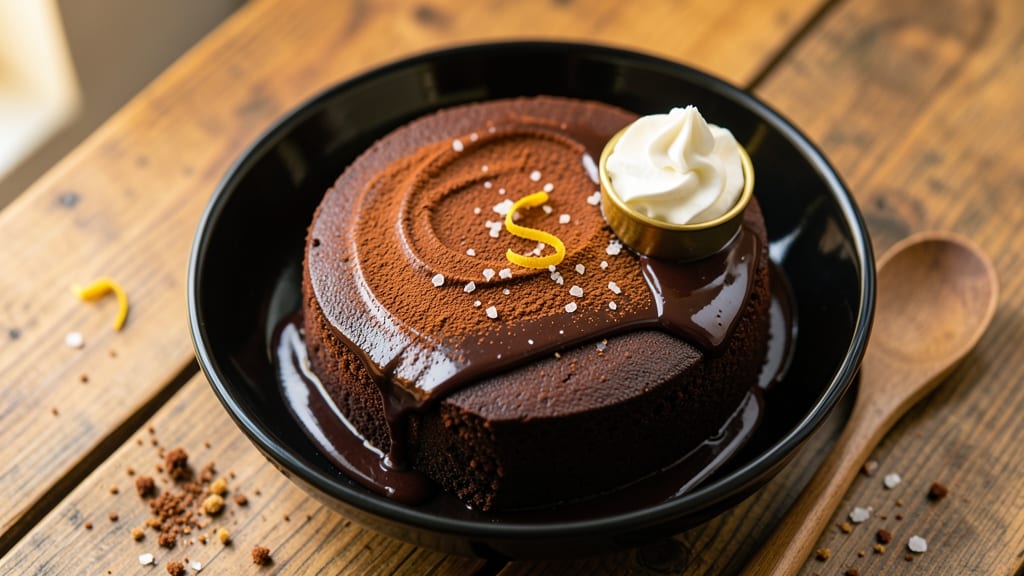
This baker's unsweetened chocolate cake delivers deep, complex cocoa flavor without relying on sugar—just pure, velvety richness that satisfies even the most discerning chocolate lovers. The secret lies in using high-quality unsweetened chocolate and a precise balance of espresso powder and vinegar, which enhance the chocolate's natural bitterness while keeping the texture impossibly tender. I developed this recipe after years of experimenting with chocolate cakes that either tasted flat or overly sweet, and this version finally cracked the code for true chocolate intensity without cloying sweetness.
The cake's moist, dense crumb comes from a combination of buttermilk and sour cream, which keep it rich yet light. A touch of coffee grounds (or instant espresso) deepens the chocolate flavor without adding bitterness, while a splash of vinegar ensures the batter stays stable and bakes evenly. The result is a cake that's decadent yet balanced, perfect for those who crave chocolate's natural depth without sugar overload.
What makes this recipe truly versatile is its adaptability—bake it in a single layer for a showstopping dessert, divide it into cupcakes for individual servings, or even crumble the cake for truffles or cheesecake bases. The frosting options are endless: a simple dark chocolate ganache, a tangy cream cheese glaze, or even a dusting of cocoa powder for an elegant finish. Every bite delivers that unmistakable chocolate essence without the sweetness, making it ideal for pairing with berries, whipped cream, or even a sprinkle of sea salt.
Whether you're baking for a special occasion or simply craving a chocolate experience that's truly pure, this recipe delivers restaurant-quality results with minimal effort. The key is patience—letting the cake cool completely before slicing ensures clean cuts and maximum flavor impact. Ready to experience chocolate in its most authentic, unsweetened form? Let's get baking.
Ingredients for baker's unsweetened chocolate cake
High-quality cocoa, precise flavor enhancers, and rich dairy create this velvety chocolate experience.
| Ingredient | Amount | Notes |
|---|---|---|
| Unsweetened Chocolate 🍫 | 8 oz | High-quality baking chocolate (70% cocoa minimum) |
| All-Purpose Flour 🌾 | 2 cups | Sifted, spooned and leveled |
| Granulated Sugar 🍚 | 1 cup | For subtle sweetness balance |
| Instant Espresso Powder ☕ | 2 tbsp | Enhances chocolate depth |
| White Distilled Vinegar 🍶 | 1 tbsp | Stabilizes batter and enhances flavor |
| Buttermilk 🥛 | 1 cup | Full-fat for moisture |
| Sour Cream 🧀 | ½ cup | Full-fat for richness |
| Large Eggs 🥚 | 2 whole | Room temperature |
| Unsalted Butter 🧈 | 1 cup | Cold, cubed for creaming |
| Baking Powder 🍞 | 1 tsp | Aluminum-free preferred |
| Salt 🧂 | ½ tsp | Fine sea salt |
| Vanilla Extract 🌿 | 1 tsp | Pure Madagascar preferred |
| Dark Chocolate Chips 🍫 | 1 cup | 72% cocoa or higher (optional) |
The unsweetened chocolate is non-negotiable—Valrhona or Callebaut are industry gold standards, but Ghirardelli 100% Cocoa Baker's Square works perfectly for home bakers. Look for bars with at least 70% cocoa content to ensure deep flavor without sweetness. The instant espresso powder is crucial for intensifying chocolate notes without bitterness; Starbucks or Nescafé brands work well. For vinegar, white distilled is ideal, but apple cider vinegar adds subtle fruitiness. The buttermilk and sour cream should be full-fat for maximum moisture—they're what give this cake its signature dense yet tender crumb.
No instant espresso powder? 2 tbsp finely ground coffee works in a pinch, but sift it well to avoid graininess. Substituting buttermilk? Mix 1 cup milk with 1 tbsp vinegar, let sit 5 minutes. For sour cream, Greek yogurt thinned with milk mimics the tang. The sugar is intentionally minimal—reduce to 0.75 cup if you prefer even less sweetness, but the espresso and vinegar will still need balancing. Chocolate chips aren't essential, but they add delightful pockets of richness. If omitting, increase the unsweetened chocolate by 1 oz for deeper flavor. The vanilla extract should be pure—imitation extracts lack the aromatic complexity needed here.
Store baked cake in an airtight container at room temperature for up to 4 days, or refrigerate for 7 days to preserve moisture. For longer storage, freeze slices wrapped in plastic for 3 months. The cake improves with age—24 hours of resting allows flavors to meld beautifully. When reheating, wrap slices in foil and warm at 300°F for 10 minutes to maintain moisture. This cake's versatility shines when served with raspberry compote or a dusting of cocoa powder—both enhance its natural richness without overpowering.
Why You'll Love This Recipe
- No Mixer Needed: That vinegar and instant espresso? They do all the heavy lifting—no overmixing, no lumps, just a smooth batter in minutes. Honestly, I’ve made this with a fork and a bowl while chatting with my kid about their day.
- Rich Without Sugar: The unsweetened chocolate actually shines here—deep, bittersweet, and balanced by that touch of espresso. It’s the kind of cake that feels indulgent but won’t leave you crashing by 3 PM.
- Leftovers That Last: This cake stays moist for days (yes, even without frosting) and slices beautifully for breakfasts or after-dinner treats. I’ve packed it in lunches—trust me, it’s a hit with coworkers who think they hate chocolate cake.
- Budget Baker’s Secret: You’re using pantry staples—no specialty ingredients, no fancy tools. That block of unsweetened chocolate? Often cheaper than pre-sweetened bars, and this recipe uses it all up without waste. (Between us, I’ve halved the recipe for just two people and still had enough for seconds.)
Step-by-step instructions for baker's unsweetened chocolate cake
Master this technique and you'll achieve a dense, fudgy chocolate cake with deep cocoa flavor and no sweetness cloying aftertaste.
Melt the Chocolate and Butter for Maximum Richness
In a heatproof bowl set over a pot of simmering water, combine the 8 oz unsweetened chocolate and 1 cup unsalted butter. Stir gently until both are completely melted and smooth, then remove from heat. This double boiler method prevents scorching while ensuring even melting of the high-cocoa chocolate.
Let the mixture cool slightly until it reaches 110°F - about 10 minutes. This temperature is crucial; too hot and the butter will separate the eggs later. The chocolate should be thick enough to coat the back of a spoon but still pourable. I like to test this by dipping a clean spoon into the mixture - it should leave a glossy, slow-moving trail.
Cream the Chocolate Butter with Sugar and Espresso
In a stand mixer fitted with the paddle attachment, beat the cooled chocolate mixture with 1 cup granulated sugar on medium speed for 3-4 minutes. The mixture should lighten in color and become fluffy from incorporated air. This step develops the cake's structure while balancing the intense chocolate flavor.
Add 2 tbsp instant espresso powder and mix for 30 seconds until completely dissolved. The espresso enhances the chocolate's depth without adding bitterness. Here's the thing - don't skip this step. The espresso powder creates a subtle complexity that makes this cake taste more professional than store-bought versions.
Incorporate Wet Ingredients for Perfect Moisture Balance
Add the 2 whole large eggs, one at a time, mixing on low speed for 30 seconds after each addition. Scrape down the sides of the bowl to ensure all ingredients are fully incorporated. Next, mix in the 1 cup buttermilk, 0.5 cup sour cream, 1 tbsp white distilled vinegar, 1 tsp vanilla extract, 1 tsp baking powder, and 0.5 tsp salt on low speed until just combined.
This combination of buttermilk and sour cream creates a tender crumb while the vinegar stabilizes the batter. The key is to mix just until combined - overmixing develops gluten and makes the cake tough. You'll know it's ready when the batter is smooth with no visible flour streaks remaining.
Fold in Dry Ingredients and Chocolate Chips
In a separate bowl, whisk together the 2 cups all-purpose flour with the remaining 1 tsp baking powder (if not already added). Sift the flour mixture directly into the wet ingredients and gently fold together using a spatula. This ensures we don't develop excess gluten that would make the cake dense.
Finally, fold in the 1 cup dark chocolate chips using a gentle folding motion. The chips should be evenly distributed throughout the batter. I like to press the batter into the bowl to eliminate any air pockets - this helps create a smooth, even texture when baked. The batter will be thick and fudgy, almost like brownie batter.
Bake to Perfect Doneness
Preheat your oven to 350°F and grease two 9-inch round cake pans with butter or baking spray. Divide the batter evenly between the pans and smooth the tops. Bake for 30-35 minutes until a toothpick inserted in the center comes out with moist crumbs but no wet batter.
The cake should spring back slightly when pressed in the center and have a deep chocolate aroma. Here's where attention matters: the cake will continue cooking for several minutes after removal from the oven. Let the cakes cool in their pans for 15 minutes, then transfer to a wire rack to cool completely before frosting.
Pro Tips For Making Baker'S Unsweetened Chocolate Cake
- Melt Chocolate Slowly: Dump that block of unsweetened chocolate straight into hot liquid and you’ll end up with clumps—no matter how much you stir. Instead, chop it into small, even pieces first, then heat your milk (or liquid of choice) to just under a simmer before adding the chocolate. Let it melt gently for 2-3 minutes before stirring, and you’ll get that silky, lump-free texture every time.
- Weigh Your Flour: Scooping flour from the bag is a recipe for disaster—this cake relies on precise ratios, and too much flour makes it dense and dry. Use a kitchen scale and measure your all-purpose flour by weight (usually around 200-220g for this recipe). If you’re stuck with volume, spoon it into the cup and level it off—don’t pack it down.
- Don’t Overmix the Batter: The second you start folding in the dry ingredients, resist the urge to go full speed with the mixer. Overmixing develops gluten, which turns your cake into a tough, chewy brick. Mix just until the flour is barely incorporated—lumps are fine, and the batter will look shaggy. Stop when you see streaks of flour disappearing.
- Test for Doneness Early: This cake can go from perfect to dry in seconds, so pull it out of the oven when the edges are set but the center still looks slightly underdone. Stick a toothpick in—it should come out with a few moist crumbs, not wet batter. If you wait for it to feel fully set, you’ll regret it. Let it cool in the pan for 5 minutes first, then transfer.
Regional styles of these flavors
French Chocolate Tradition
The French approach to unsweetened chocolate cake emphasizes high-end cocoa and delicate techniques. In Parisian bakeries, they often use Valrhona Guanaja chocolate for its deep, complex flavor profile. The French method replaces buttermilk with crème fraîche (½ cup) for a lighter texture while maintaining moisture. They also add 1 tbsp orange liqueur (like Cointreau) to complement the chocolate's richness. The cake is typically baked in a 9-inch springform pan at 325°F for 40-45 minutes, resulting in a denser, almost fudgy texture. 🍫
German Dense Chocolate
German bakers create a heavier, more decadent version by incorporating 1 cup ground hazelnuts into the batter for nutty depth. They use dark German chocolate (like Ritter Sport) instead of American brands. The Germans also add 1 tsp cinnamon to enhance the chocolate's warmth. Their method calls for baking in a 9x13-inch pan at 350°F for 35-40 minutes. The result is a cake with a slightly crumbly texture and intense chocolate flavor that pairs perfectly with black forest cherry compote.
Italian Espresso-Infused
In Italy, this cake is often called "torta al cioccolato" and takes inspiration from their love of coffee. They use 2 tbsp finely ground Italian espresso beans (instead of powder) for a more authentic flavor. The Italians also incorporate 1 tbsp mascarpone cheese into the batter for extra creaminess. Their version is typically baked in a 9-inch round pan at 340°F for 30-35 minutes. The cake is often served with a dusting of unsweetened cocoa powder and a side of espresso.
American Southern Style
The American South puts a unique spin on this cake by adding ½ cup pecans and a touch of bourbon (1 tbsp) to the batter. They often bake it in a bundt pan at 325°F for 50-55 minutes, creating beautiful swirls while keeping the dense texture. The Southern version pairs wonderfully with whipped cream and a drizzle of honey. This adaptation is perfect for those who enjoy a slightly sweeter, nuttier take on the classic unsweetened chocolate cake. 🍯
British Moist Texture
British bakers focus on achieving an ultra-moist texture by incorporating ½ cup Greek yogurt into the batter. They also use 1 tbsp black tea powder (like Earl Grey) to complement the chocolate. The British method involves baking in a 9-inch round cake tin at 350°F for 30 minutes. The cake is often served with a layer of clotted cream and fresh berries. This version is lighter yet still rich, making it a popular choice for afternoon tea. 🍓
Nutrition facts
Frequently asked questions
Why does this recipe use unsweetened chocolate instead of semi-sweet?
Unsweetened chocolate delivers a deeper, more complex cocoa flavor without sugar masking its natural bitterness. The recipe balances this intensity with just 1 cup granulated sugar and flavor enhancers like espresso powder and vinegar. Semi-sweet chocolate would add unwanted sweetness and dilute the pure chocolate experience.
Can I make this cake vegan?
Yes, with substitutions: replace eggs with 2 flax eggs (2 tbsp ground flaxseed + 6 tbsp water), use vegan butter, and swap buttermilk for almond milk + vinegar. For sour cream, try coconut yogurt. The texture will be slightly denser but still rich. Test first with a small batch!
How do I prevent cracks in the cake?
Cracks usually happen from overmixing or baking too long. Mix just until combined (no flour streaks) and bake until a toothpick comes out with moist crumbs (not wet batter). Let the cake cool completely in the pan for 15 minutes before removing. For extra insurance, brush warm cakes with simple syrup while still in pans.
What's the best way to store leftovers?
Wrap individual slices in plastic wrap and store at room temperature for 3 days, or refrigerate for 5 days. For longer storage, freeze slices for up to 3 months. Reheat wrapped slices at 300°F for 10 minutes to restore moisture. The cake actually improves with age—flavors meld beautifully after 24 hours.
Can I use this batter for cupcakes?
Divide the batter into 24 cupcake liners (fill ⅔ full) and bake at 350°F for 18-20 minutes. The cupcakes will have a denser texture with intense chocolate flavor. Top with dark chocolate ganache or a dusting of cocoa powder for an elegant finish. Perfect for individual servings!