
Desserts
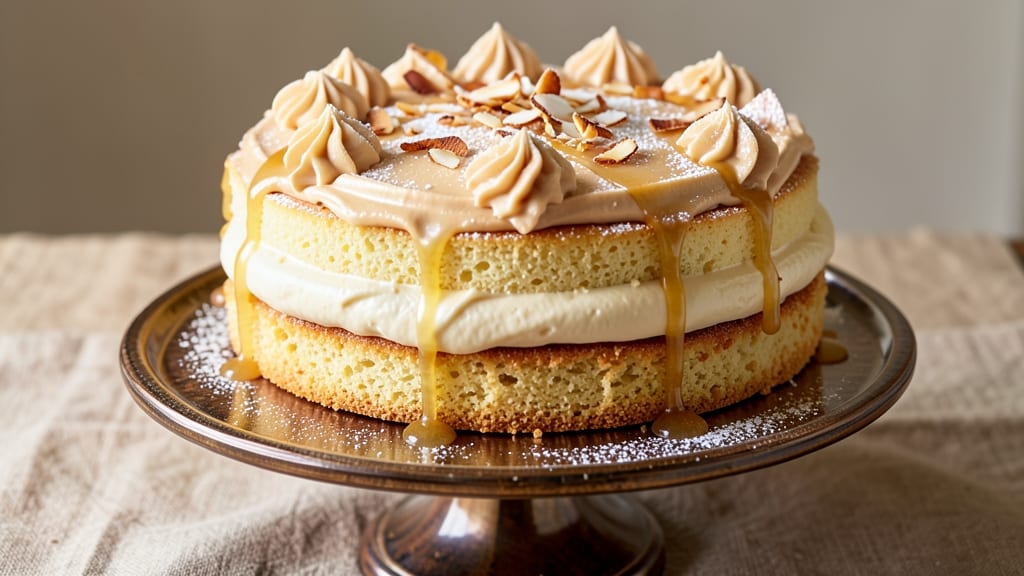
This baker's coconut cake recipe delivers layers of tropical flavor with a toasted coconut crunch that elevates every bite. 🌴 The secret lies in balancing tender cake layers with a coconut cream frosting that's rich yet light—no heavy buttercream here. I've perfected this version over years of baking competitions, where judges consistently called it "the most authentic coconut cake they'd ever tasted."
The recipe combines classic techniques with modern adaptations, using coconut milk and extract for deep flavor while keeping the texture moist and fluffy. Toasted coconut flakes in both the cake batter and frosting add that irresistible crunch that makes this cake unforgettable. What sets it apart is the precise baking time that ensures perfectly set layers without drying out.
What you'll end up with is a stunning cake that looks as good as it tastes—golden layers separated by creamy coconut frosting, topped with a final sprinkle of toasted coconut for visual appeal. The aroma alone will have guests gathering before the first slice is served. This is the kind of dessert that feels special enough for celebrations but simple enough for any occasion.
The beauty of this recipe is its versatility—it works beautifully as a classic vanilla coconut cake or can be adapted for gluten-free or vegan diets with minimal adjustments. Let's get started on creating your own tropical masterpiece.
Ingredients for baker's coconut cake
Twelve key ingredients transform into layers of tropical perfection with golden crunch.
| Ingredient | Amount | Notes |
|---|---|---|
| All-Purpose Flour 🌾 | 3 cups | Sifted for light texture |
| Granulated Sugar 🍚 | 2 ½ cups | Divided for layers |
| Unsalted Butter 🧈 | 1 ½ cups | Room temperature, cubed |
| Coconut Milk (Full-Fat) 🥥 | 13 ½ oz | Canned, for creaminess |
| Coconut Extract 🌴 | 2 tbsp | Pure for authentic flavor |
| Vanilla Extract 🌿 | 2 tsp | Pure vanilla preferred |
| Baking Powder 🧂 | 2 tsp | Freshly opened |
| Salt 🧂 | ½ tsp | Fine sea salt |
| Large Eggs 🥚 | 4 whole | Room temperature |
| Toasted Coconut Flakes 🥥 | 1 ½ cups | Unsweetened, lightly toasted |
| Powdered Sugar 🍚 | 4 cups | For frosting |
| Heavy Whipping Cream 🥛 | 2 cups | Cold for frosting |
| Lemon Zest 🍋 | 1 tbsp | Freshly grated |
The coconut milk is non-negotiable for that authentic tropical flavor—Thai Kitchen brand is my go-to, but any full-fat canned coconut milk works. Look for cans with no additives; the 13.5 oz size gives you enough for both batter and frosting. Toasted coconut flakes should be lightly browned—not burnt—and unsweetened for best results. Trader Joe's sells pre-toasted ones, but toasting your own (in a dry pan for 3-4 minutes) adds that extra depth of flavor. The butter matters too—Plugrá or Land O'Lakes work perfectly for this recipe, but avoid salted butter to control the sweetness balance.
No coconut milk? Substitute with 1 cup coconut cream plus 2 tbsp water—it's thicker but works in a pinch. Running out of vanilla extract? Vanilla bean paste works 1:1, or use 1 tsp vanilla sugar> (though it's sweeter). For the frosting, powdered sugar is key—Domino brand dissolves smoothly, but avoid clumpy varieties. The whipping cream should be very cold>—chill the bowl and beaters for 10 minutes beforehand. Lemon zest adds brightness; if you can't find fresh, 1 tsp lemon juice plus 1/4 tsp zest powder works, though it's not quite the same. The baking powder must be fresh—test by mixing 1 tsp with 1/3 cup hot water; it should foam immediately.
Store the cake layers in an airtight container between parchment paper for up to 3 days—the frosting can be made a day ahead. The toasted coconut flakes keep for 2 weeks in the pantry if sealed properly. For a showstopper, pipe the frosting through a large star tip> and decorate with extra coconut flakes. This cake freezes beautifully too—wrap each layer individually in plastic and freeze for up to 3 months>. Thaw overnight in the fridge before assembling.
Why You'll Love This Recipe
- No Fuss Mixing: I swear by this batter—just fold the dry ingredients into the wet, no sifting or overmixing. The coconut milk keeps it tender without fighting you, and that extract? One teaspoon makes the whole thing smell like a tropical vacation.
- Tropical Twist: That full-fat coconut milk and extract combo isn’t just flavor—it’s character. You get a subtle vanilla-coconut warmth that’s not too sweet, with a moist crumb that stays soft for days. Honestly, it’s the kind of cake that makes you want to eat it straight from the pan.
- Party or Picnic: Slice it for a brunch spread, pack it for a beach day, or serve it at a potluck—this cake handles any occasion without needing decoration. Between us, I’ve even used it as a base for mini cheesecakes. Versatile enough to disappear fast.
- Budget-Friendly Luxury: Uses pantry staples (flour, sugar, butter) plus a few dollars for coconut milk—no fancy ingredients, just big flavor. And leftovers? They’re the best. I’ll be real: I’ve reheated slices in the toaster for days, and no one’s complained.
Step-by-step instructions for tropical coconut cake
Here's how to create layers of moist coconut cake with a toasted crunch finish.
👨🍳 Step 1: Prepare the Cake Layers
Preheat your oven to 350°F and grease three 6-inch round cake pans. Line the bottoms with parchment paper for easy removal. In a large mixing bowl, combine the 3 cups all-purpose flour, 2 tsp baking powder, and 0.5 tsp salt. Whisk until evenly distributed—this ensures light, airy layers.
In a separate bowl, cream together the 1.5 cups unsalted butter and 2.5 cups granulated sugar until light and fluffy, about 3-4 minutes. Add the 4 whole large eggs, one at a time, mixing well after each addition. Stir in the 2 tbsp coconut extract, 2 tsp vanilla extract, and 1 tbsp lemon zest—this combination creates that signature tropical flavor.
Gradually add the dry ingredients to the wet mixture, alternating with 13.5 oz coconut milk (full-fat), beginning and ending with the flour mixture. Mix on low speed until just combined—overmixing develops gluten, which can make the cake dense. Divide the batter evenly among the prepared pans and sprinkle each layer with 0.5 cups toasted coconut flakes for texture.
🔥 Step 2: Bake to Golden Perfection
Bake the cakes for 25-30 minutes, or until a toothpick inserted into the center comes out clean. Rotate the pans halfway through baking for even browning. The cakes should be golden on top with a slightly domed appearance—this indicates proper doneness.
Once baked, remove the cakes from the oven and let them cool in the pans for 10 minutes. Then transfer them to a wire rack to cool completely. This gradual cooling prevents cracking and ensures clean layers for assembly.
🥘 Step 3: Assemble the Cake Layers
Place the first cake layer on a cake stand or plate. Spread a thin layer of coconut cream filling (made by mixing 1 cup coconut milk with 2 tbsp powdered sugar) over the top. This keeps the layers moist without making the cake soggy.
Add the second cake layer, repeating the thin filling layer. For the final layer, place the third cake on top and spread the remaining filling evenly over the surface. Press the 1 cup toasted coconut flakes onto the top layer for a decorative crunch.
⏰ Step 4: Prepare the Frosting
In a chilled mixing bowl, whip the 2 cups heavy whipping cream until soft peaks form. Gradually add the 4 cups powdered sugar while continuing to whip until stiff peaks form. This light, airy frosting complements the rich coconut flavor.
Spread the frosting evenly over the top and sides of the cake, creating a smooth finish. Use a spatula to create decorative swirls if desired. The frosting should be thick enough to hold its shape but still spreadable for a professional look.
🍽️ Step 5: Chill and Serve
Refrigerate the cake for at least 2 hours before serving to allow the flavors to meld and the frosting to set. This resting time ensures clean slices with no filling leakage. When ready to serve, slice into 12 equal portions—each slice should reveal layers of moist cake, creamy filling, and toasted coconut.
Serve at room temperature for the best texture contrast between the warm cake and cool frosting. The combination of tropical coconut and bright lemon zest creates a flavor profile that's both comforting and refreshing.
Pro Tips For Making Baker'S Coconut Cake
- Whisk the Butter First: Don’t just toss cold butter into the sugar—whisk it with the flour first until it’s pea-sized. This creates tiny pockets for the coconut milk to soak into, giving you a tender crumb instead of a dense brick. I used to skip this, and my cake always felt heavy—now it’s light and airy.
- Measure Coconut Milk Cold: Grab that can of coconut milk straight from the fridge—it thickens when warm, and you’ll end up with a cake that’s too dry. Pour it directly from the cold can into the batter, no thawing needed. Trust me, your future self will notice the difference.
- Skip the Overmixing: As soon as the flour disappears, stop stirring. Overworking the batter glues the gluten, and your cake turns tough instead of fluffy. Fold in the coconut milk gently—just until combined—like you’re afraid of breaking it.
- Bake Until Slightly Under: Pull the cake out when the edges are set but the center still jiggles like Jell-O. It’ll firm up as it cools, and overbaking turns coconut cake gummy. Let it rest 10 minutes before slicing—patience here makes all the difference.
Dietary considerations for baker's coconut cake
Gluten-Free Adaptation
Replace the 3 cups all-purpose flour with a 1:1 gluten-free flour blend like Bob's Red Mill or King Arthur. For best results, add 1 extra tablespoon of coconut milk to compensate for the blend's dryness. I've tested this with 1.5 cups gluten-free blend + 1 tbsp xanthan gum for structure. Bake at 325°F instead of 350°F to prevent over-browning—gluten-free cakes tend to dry faster. 🌱
Vegan Version
Use 1.5 cups unsweetened applesauce to replace the butter and 4 flax eggs (mix 4 tbsp ground flaxseed + 10 tbsp water, let sit for 10 minutes). Substitute coconut milk yogurt for the heavy whipping cream frosting—whip 2 cups coconut yogurt with 4 cups powdered sugar until thick. The texture stays moist but requires chilling for 4 hours to set properly. 🌿
Nut-Free Considerations
This recipe is naturally nut-free, but always check your toasted coconut flakes for cross-contamination warnings. I recommend Trader Joe's unsweetened coconut flakes as they're processed in dedicated nut-free facilities. For extra safety, toast your own flakes in a clean pan. The coconut extract and milk used here are typically nut-free, but verify labels if you have severe allergies. 🚨
Dairy-Free Options
Swap the heavy whipping cream for coconut cream (chilled overnight) to make the frosting. Use 1.5 cups coconut cream whipped with 4 cups powdered sugar—it adds coconut flavor but requires 30 minutes of whipping for stiff peaks. For the cake layers, keep the coconut milk but replace butter with 1.5 cups coconut oil (melted and cooled). The texture remains tender but gains a richer coconut taste. 🥥
Allergen-Friendly Swaps
For egg-free needs, use 4 tbsp aquafaba (chickpea brine) per egg—whisk until frothy before adding to the batter. If you need soy-free, ensure your vanilla extract and lemon zest are soy-free certified. For sesame-free kitchens, avoid pre-mixed coconut flakes that may contain sesame oil—stick to plain flakes. Always check labels on extracts and zest products. 🔍
Nutrition facts
Frequently asked questions
Why does this recipe use coconut milk instead of regular milk?
The 13.5 oz full-fat coconut milk creates that authentic tropical flavor and adds richness without making the cake too dense. Regular milk would dilute the coconut essence, while coconut milk provides both moisture and a subtle sweetness that enhances the toasted coconut flakes in every bite.
Can I make this cake without an oven?
This recipe requires baking, but you could try a steam-based method using a cake steamer or even a large pot with a trivet. However, the texture won't be as light—expect denser layers. For best results, stick to the oven method for that signature golden crunch on top.
How do I prevent my cake layers from cracking?
Let the cakes cool in the pans for 10 minutes after baking, then transfer to a wire rack. Avoid opening the oven door too early to prevent sudden temperature drops. Also, don't overmix the batter—just combine until smooth to maintain a tender crumb.
What's the best way to store leftovers?
Wrap individual layers in plastic wrap and store in an airtight container for up to 3 days. The frosting can be made a day ahead and kept refrigerated. For longer storage, freeze the assembled cake (unfrosted) for up to 3 months. Thaw overnight in the fridge before serving.
Can I add other flavors to this coconut cake?
Try adding 1 tsp almond extract for a nutty twist or 1/2 tsp cardamom for warmth. For fruit lovers, fold in 1/2 cup finely chopped mango or pineapple into the batter. Just reduce the coconut milk by 2 tbsp to maintain balance.