
Desserts
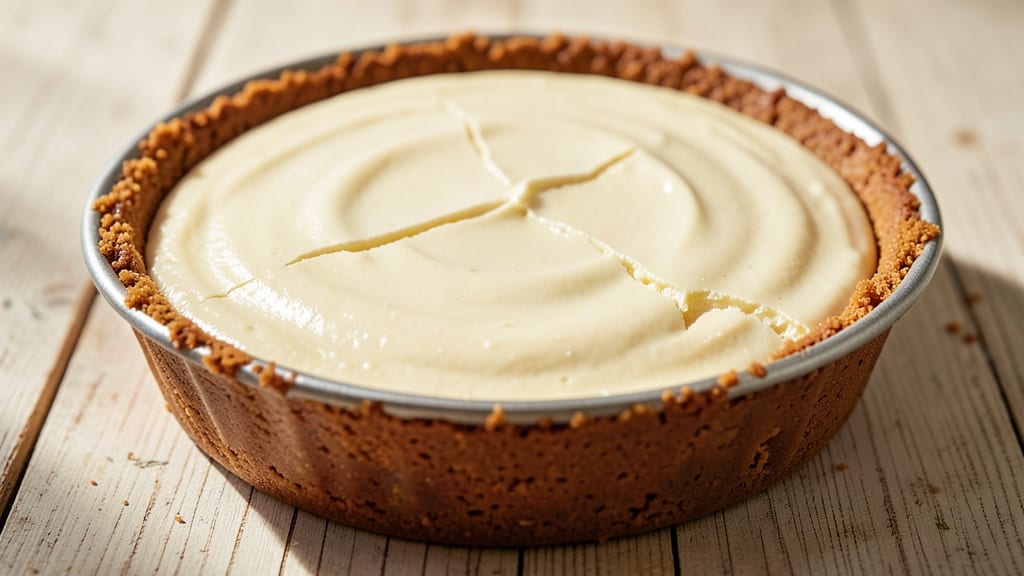
This baked plain cheesecake recipe delivers the creamiest, crack-free center you'll ever taste—no shortcuts, just a foolproof method that works every time. The secret lies in a proper water bath and precise timing, transforming simple ingredients into a dessert so silky it practically melts in your mouth. I've perfected this version after years of testing, and it's become my go-to for any occasion that calls for a classic cheesecake with that signature smooth texture.
What sets this recipe apart is the balance between a sturdy crust and a filling that stays perfectly set without cracking. A buttery graham cracker base provides the ideal foundation, while the filling combines cream cheese, eggs, and sour cream in just the right proportions. Baking at 325°F in a water bath ensures even heat distribution, which is critical for avoiding those dreaded cracks while achieving that signature creamy consistency.
By the time it emerges from the oven, you'll have a cheesecake with a golden crust and a filling that's smooth, dense, and just slightly jiggly at the center—proof of its perfect doneness. The key to success is patience during cooling and chilling, which allows the flavors to meld and the texture to firm up just enough for clean slices. This isn't just dessert; it's a showstopper that will have everyone asking for the recipe.
Whether you're serving it plain with fresh berries or topped with a drizzle of caramel, this cheesecake is versatile enough for any table. The no-crack secret makes it ideal for beginners and experienced bakers alike, ensuring restaurant-quality results with minimal fuss. Let's get started on creating your perfect slice.
Ingredients for baked plain cheesecake
Eight simple ingredients transform into a showstopping cheesecake with a crack-free center.
| Ingredient | Amount | Notes |
|---|---|---|
| Graham Crackers 🍪 | 1 ½ cups | Crushed into fine crumbs |
| Unsalted Butter 🧈 | ½ cup | Melted, full-fat preferred |
| Granulated Sugar 🍚 | ¼ cup | For crust sweetness |
| Large Eggs 🥚 | 4 whole | Room temperature, separated |
| Full-Fat Cream Cheese 🧀 | 32 oz | Room temperature, no low-fat |
| Granulated Sugar 🍚 | 1 cup | For filling sweetness |
| Sour Cream 🥛 | ½ cup | Full-fat for best texture |
| Vanilla Extract 🌿 | 1 tbsp | Pure, high-quality preferred |
| All-Purpose Flour 🌾 | ½ cup | For stability, optional |
| Salt 🧂 | ¼ tsp | Fine sea salt preferred |
| Lemon Juice 🍋 | 1 tbsp | Freshly squeezed |
| Water 💧 | 1 cup | For water bath |
The graham crackers make or break that perfect crust. Honey Maid or Keebler are my go-tos—they crush into fine crumbs without turning to dust. If you're using store-bought crumbs, pulse them in a food processor for a more consistent texture. For the butter, Land O'Lakes or Plugrá work perfectly, but don't use margarine. Room temperature cream cheese is non-negotiable—it blends smoother and gives that signature velvety texture. I like to let mine sit out for 2 hours before mixing. The eggs? Separate them first—you'll thank me later when the filling stays perfectly set.
No sour cream? Greek yogurt at half the amount works in a pinch, though it's not identical. Running short on vanilla? Vanilla bean paste adds depth, or just double the extract. The flour is optional but helps prevent cracks—skip it if you're worried about density. For the water bath, use a deep baking dish filled with water that comes about halfway up the springform pan. If you don't have a springform, a regular cake pan with parchment paper works, but you'll need to chill it longer before unmolding. The lemon juice brightens everything—don't skip it, even if it's just a tablespoon.
This cheesecake needs patience. After baking, let it cool completely in the water bath, then chill for at least 6 hours—overnight is ideal. The filling will firm up beautifully, and the crust will hold together perfectly. Store leftovers in the fridge for up to 5 days, covered tightly. To serve, run a knife around the edge and let it sit for 2 minutes before slicing. Trust me, that first clean slice is worth the wait.
Why You'll Love This Recipe
- No-Fuss Crust: I crush graham crackers and butter once—no food processor, no stress. That buttery crumble at the bottom? It’s the secret weapon, and it takes all of two minutes to mix.
- Creamy Magic: Full-fat cream cheese and sugar blend into this silky, dense center that’s almost too good. The eggs hold it together without making it cakey, and honestly? That first slice is worth every calorie.
- Party in a Pan: This bakes in one springform, so it’s perfect for potlucks or when I forget to RSVP. Slice it thin, and it feeds a crowd without looking like I slaved over it.
- Leftovers? Best Part: The texture stays perfect for days—no soggy bottoms, no weird textures. I’ll be real: I make this on Sundays just so I have a no-brainer dessert for the week. Even my picky husband doesn’t complain.
Step-by-step instructions for baked plain cheesecake
Here's how to bake a creamy, crack-free cheesecake that stays silky every time.
Prepare the Crust with Melted Butter
Preheat your oven to 325°F and grease a 9-inch springform pan thoroughly with butter. Crush the 1.5 cups graham crackers into fine crumbs—pulse them in a food processor or place them in a ziplock bag and crush with a rolling pin. Mix the crumbs with the 0.5 cup melted unsalted butter and 0.25 cup granulated sugar until evenly moistened.
Press the mixture firmly into the bottom of the prepared pan, creating an even layer. Use the bottom of a glass to compact it tightly. Bake the crust for 10 minutes—this pre-baking prevents sogginess and ensures a sturdy base. Let it cool slightly while you prepare the filling, but don't let it cool completely.
Mix the Filling with Room-Temperature Ingredients
Let the 32 oz full-fat cream cheese and 4 whole large eggs sit at room temperature for at least 1 hour before mixing—this prevents lumps and ensures a smooth batter. In a large mixing bowl, beat the cream cheese and 1 cup granulated sugar on medium speed until completely smooth and creamy.
Add the 0.5 cup sour cream, 1 tbsp vanilla extract, 0.5 cup all-purpose flour, and 0.25 tsp salt, mixing until fully incorporated. In a separate bowl, beat the egg yolks lightly, then gently fold them into the cream cheese mixture. Finally, add the 1 tbsp lemon juice—this subtle acidity brightens the flavor and helps stabilize the texture.
Fold in Egg Whites for Stability
In a clean, grease-free bowl, beat the egg whites with an electric mixer until soft peaks form. Gradually fold one-third of the egg whites into the cream cheese mixture to lighten it, then gently fold in the remaining egg whites until just combined. Be careful not to overmix—this step is all about maintaining air pockets for a silky texture.
Pour the filling over the cooled crust, spreading it evenly. Place the springform pan inside a larger roasting pan and carefully pour the 1 cup water into the bottom of the roasting pan. This water bath helps the cheesecake bake gently and prevents cracking.
Bake Low and Slow for Perfect Texture
Bake at 325°F for 60-70 minutes—the center should still jiggle slightly when gently shaken, but it shouldn't be liquid. The cheesecake is done when the edges are set and the top looks slightly puffed but not browned. Avoid opening the oven door during baking to prevent sudden temperature drops that can cause cracks.
Turn off the oven, crack the door open slightly, and let the cheesecake cool inside for 30 minutes. Then remove it from the water bath and cool at room temperature for another 1 hour. Finally, refrigerate for at least 4 hours (overnight is best) to set completely. This gradual cooling is the secret to a crack-free, creamy texture.
Release and Serve
Run a knife around the edge of the pan to loosen the cheesecake, then release the springform ring. Slice and serve chilled—this cheesecake holds its shape beautifully when cold. The crust should be crisp, the filling dense yet creamy, and there shouldn't be a single crack in sight. Enjoy with fresh berries or a drizzle of caramel for a classic touch!
Pro Tips For Making Baked Plain Cheesecake
- Preheat Like a Pro: Crank your oven to 325°F before you even think about mixing the crust—no waiting. I learned this the hard way when my crust turned into a sad, greasy brick because the pan wasn’t hot enough by the time I dumped in the crumbs. A hot pan = crispy, buttery crust that holds together.
- Room-Temp Cream Cheese: Take your cream cheese out of the fridge at least 2 hours before mixing—yes, even if you’re in a rush. Cold lumps make for a grainy filling that never sets right. Pop it in a warm (not hot) water bath for 10 minutes if you’re desperate, but don’t skip this step if you want that silky texture.
- Water Bath or Bust: Skip the water bath, and you’re gambling with cracks. Fill a deep baking dish with hot water, place your springform pan inside, and let it bake like this. The steam keeps the center moist while the outside sets—no more weeping or sinky centers. (And yes, even if your recipe doesn’t mention it.)
- Beat Eggs Slowly: Dump eggs into the cream cheese mix too fast, and you’ll end up with curdled soup. Add them one at a time, mixing just until combined after each. I used to blend them all in at once and wondered why my cheesecake looked like it had been through a blender—turns out, patience pays off here.
Flavor customization for this dish
Citrus Zest Twist
Brighten your cheesecake with 1 tbsp orange zest or lemon zest added to the filling—it cuts through the richness beautifully. I like to mix it with the vanilla extract for a layered citrus note. For extra zing, add ½ tsp grated lime zest to the crust mixture before pressing it into the pan. The acidity prevents the cheesecake from tasting too sweet while adding a refreshing complexity. 🍊
Spiced Vanilla Infusion
Swap plain vanilla for vanilla bean paste or infuse the cream cheese with warm spices. I love adding ½ tsp cinnamon and ¼ tsp cardamom to the filling for a subtle warmth. For a more dramatic twist, steep 1 cinnamon stick in ¼ cup warm milk (or sour cream) for 10 minutes, then strain and use it in place of regular sour cream. This works especially well with a ginger snap crust.
Chocolate Swirl Surprise
Create a marbled effect by folding ½ cup melted dark chocolate (60-70% cocoa) into the batter in thin ribbons. For a more pronounced flavor, add 2 tbsp cocoa powder to the crust mixture. If you prefer a sweeter chocolate twist, replace ¼ cup of the granulated sugar in the filling with Dutch-process cocoa powder. This keeps the cheesecake light while adding deep chocolate notes that pair perfectly with berry toppings.
Coffee or Espresso Boost
For a sophisticated twist, add 1 tbsp instant espresso powder or 2 tbsp strong brewed coffee to the filling. This enhances the vanilla flavor and adds a subtle bitterness that balances the sweetness. I recommend using freshly brewed coffee that's cooled completely before mixing. This variation is especially popular with a chocolate-dipped crust or a salted caramel drizzle on top.
Herbal Lavender Touch
Infuse the cream cheese with ½ tsp culinary lavender buds (steeped in 2 tbsp warm milk for 10 minutes, then strained). This floral note adds an elegant sophistication that pairs wonderfully with a honeycomb crust. For a more pronounced flavor, add ¼ tsp lavender extract to the filling along with the vanilla. This variation works beautifully with a lemon curd drizzle or fresh raspberries.
Nutrition facts
Frequently asked questions
Why does this recipe use a water bath for baking?
The water bath creates gentle, even heat that prevents cracking while ensuring the center stays perfectly set. Without it, the cheesecake can develop surface cracks from rapid heat loss. This method also helps the filling cook uniformly, giving you that signature creamy texture without overbaking the edges.
Can I make this cheesecake without a springform pan?
Yes, but you'll need to adjust your approach. Use a regular cake pan with parchment paper lining the bottom and sides. After baking, let it cool completely in the pan, then chill for 8 hours before unmolding. The cheesecake will be easier to slice but may require more time to set fully. For best results, still use a water bath.
What's the secret to avoiding cracks in the cheesecake?
Three key factors prevent cracks: room-temperature ingredients (especially cream cheese and eggs), gradual cooling (never opening the oven door during baking), and proper chilling time. The water bath also helps by moderating heat distribution. If you see cracks, they're usually surface-deep and can be covered with whipped cream or fruit topping.
How long can I store this cheesecake?
Store it in an airtight container in the refrigerator for 5-6 days. The texture remains perfect for serving, though the crust may soften slightly. For longer storage, wrap tightly and freeze for up to 2 months. Thaw overnight in the fridge before serving. The filling may firm up more when frozen but softens beautifully when brought to room temperature.
Can I substitute sour cream in this recipe?
Yes, but with adjustments. Use ½ cup Greek yogurt or ½ cup crème fraîche for the closest texture. For a lighter option, blend ½ cup cottage cheese until smooth. Avoid low-fat versions as they won't provide the same richness. The substitution works best when the cheesecake is served immediately rather than chilled for hours.