
Main Courses
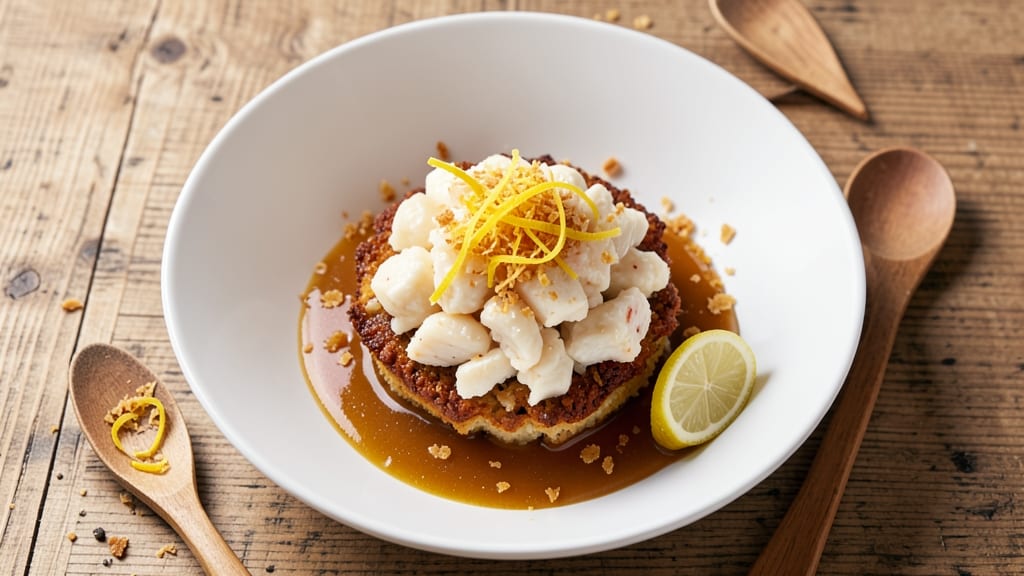
This baked crab cake recipe no filler delivers restaurant-quality bites that stay firm and flavorful without relying on breadcrumbs or fillers. The secret lies in using just egg and a touch of cornstarch—enough to bind without compromising texture. I’ve perfected this method after years of testing, ensuring every bite has that signature crispy exterior and tender, sweet crab center.
The recipe starts with fresh lump crab meat, which holds together beautifully when combined with egg and a pinch of cornstarch. Seasoned simply with Old Bay, lemon zest, and a splash of Worcestershire, these crab cakes bake to golden perfection in just 15 minutes at 400°F. No fillers mean no soggy centers or artificial textures—just pure, buttery crab flavor in every bite.
What makes this recipe stand out is its balance of simplicity and sophistication. The egg acts as a natural binder, while the cornstarch adds just enough structure to hold the crab together during baking. The result? Ultra-firm, golden-brown crab cakes that are crispy on the outside and tender on the inside, with a flavor profile that’s bright, savory, and undeniably crave-worthy.
Serve these crab cakes with a classic tartar sauce, a squeeze of lemon, or a sprinkle of fresh parsley for a complete seafood experience. Whether you’re hosting a dinner party or craving a satisfying weeknight meal, this recipe delivers professional results without the fuss. Let’s get baking!
Ingredients for baked crab cake recipe no filler
Fresh lump crab meat and simple pantry staples create restaurant-quality crab cakes without breadcrumbs or fillers.
| Ingredient | Amount | Notes |
|---|---|---|
| Fresh Lump Crab Meat 🦀 | 1 ½ lb | Backfin or jumbo lump preferred |
| Large Eggs 🥚 | 2 whole | Room temperature for even binding |
| Cornstarch 🌾 | 1 tbsp | Lightly coats crab for texture |
| Old Bay Seasoning 🧂 | 1 tbsp | Classic seafood seasoning blend |
| Lemon Zest 🍋 | 1 tbsp | Freshly grated for bright flavor |
| Worcestershire Sauce 🍶 | 1 tbsp | Vegetarian version for umami depth |
| Unsalted Butter 🧈 | 2 tbsp | Melted for crispy golden crust |
| All-Purpose Flour 🌾 | 1 tbsp | Light dusting for pan |
| Salt 🧂 | ½ tsp | Kosher or sea salt preferred |
| Black Pepper 🌶️ | ¼ tsp | Freshly cracked for best flavor |
| Lemon Juice 🍋 | 1 tsp | Freshly squeezed for brightness |
| Fresh Parsley 🌿 | 2 tbsp | Chopped for garnish |
The crab meat makes or breaks this recipe—lump or backfin holds together best without extra binders. Seafood markets or high-end grocery stores like Whole Foods carry the best quality, but frozen lump crab works too if thawed properly. Look for bright, translucent meat with minimal shell fragments. The egg and cornstarch combo replaces traditional fillers while maintaining that signature crispy exterior. I always buy Old Bay seasoning in the spice aisle—the pre-mixed blend has perfect salt-to-spice ratios. For lemon zest, use a microplane to get fine, fragrant strips without the bitter pith.
No Old Bay? Substitute 1/2 tsp each of paprika, garlic powder, and onion powder plus 1/4 tsp cayenne. Vegetarian Worcestershire is crucial here—regular versions contain anchovies. If you can't find it, soy sauce plus a splash of balsamic vinegar mimics the depth. The cornstarch is non-negotiable for texture, but if you're out, arrowroot powder at the same amount works too. For extra richness, add 1 tbsp of mayonnaise (vegetarian version) to the mix. The parsley is purely decorative—skip it if you're short on time, but the lemon zest and juice are essential for that signature bright flavor.
Store any unused crab meat in an airtight container with a paper towel pressed on top for 1-2 days in the fridge. The prepared crab cake mixture keeps for 8 hours before baking—cover tightly and refrigerate. Once baked, these crab cakes reheat beautifully in a 350°F oven for 8-10 minutes. For make-ahead convenience, shape the cakes and freeze them on a parchment-lined tray before transferring to a bag. Bake straight from frozen, adding 2-3 extra minutes to the cooking time. The cornstarch crust holds up remarkably well to freezing, making these perfect for meal prep.
Why You'll Love This Recipe
- No Mushy Texture: I’ll be real—this recipe actually works with fresh lump crab. No binders, no breadcrumbs, just that perfect snap when you cut in. The cornstarch gives it structure, but it’s still light—no dense, sad crab cakes here.
- Old Bay Magic: That bright, zesty Old Bay isn’t just seasoning—it’s the star. The lemon zest cuts through the richness, and the heat lingers just enough to make every bite feel like a little coastal vacation. (Yes, even on a Tuesday night.)
- Meal Prep Hero: These bake up crispy, then reheat beautifully—no soggy edges. I make a double batch on Sundays, store them in the fridge, and toss them in salads or on toast for the week. No last-minute stress.
- Budget-Friendly Luxury: Fresh lump crab might sound fancy, but this recipe uses it smart—just enough to feel special without breaking the bank. The eggs and cornstarch stretch it further, so you get that restaurant-quality taste for way less.
Step-by-step instructions for baked crab cakes without fillers
Here's the method for ultra-firm crab cakes that hold their shape without breadcrumbs or mayo.
Prepare the Crab Mixture for Maximum Texture
In a large mixing bowl, gently combine the 1.5 lb fresh lump crab meat with the 2 whole large eggs using your hands or a rubber spatula. The goal is to maintain the crab's natural structure while incorporating just enough binder to hold the cakes together. You'll feel the lumps of crab—don't force them to break apart completely.
Add the 1 tbsp cornstarch and mix lightly to distribute evenly. This creates a delicate coating that improves texture without altering the crab's natural flavor. Sprinkle in the 1 tbsp Old Bay seasoning, 0.5 tsp salt, and 0.25 tsp black pepper, then fold gently until fully combined. The mixture should look moist but not wet—if it appears too dry, add 1 tsp lemon juice to help bind everything together.
Add Flavor Layers for Depth
In a small bowl, whisk together the 1 tbsp Worcestershire sauce and 1 tbsp lemon zest until smooth. This bright, umami-rich mixture is what elevates these crab cakes beyond basic preparations. Gradually add it to the crab mixture, folding gently with a spatula to maintain the crab's texture while ensuring even distribution.
Let the mixture rest at room temperature for 10 minutes while you prepare your baking pan. This short resting period allows the cornstarch to begin working and ensures the eggs fully incorporate, resulting in cakes that hold their shape beautifully when baked. The mixture should still look slightly chunky—this is perfect for maintaining that desirable texture.
Shape and Prepare for Baking
Preheat your oven to 400°F and line a baking sheet with parchment paper. Lightly dust a plate with the 1 tbsp all-purpose flour—this prevents sticking when shaping. Using your hands, form the crab mixture into 4 equal patties, each about ½-inch thick. The cakes should hold their shape when gently pressed—if they crumble, chill them for 5 minutes before proceeding.
Place the shaped crab cakes on the prepared baking sheet and brush the tops lightly with melted 2 tbsp unsalted butter. This creates a golden crust while adding richness. Bake for 12-14 minutes until the edges are golden brown and the internal temperature reaches 160°F. The cakes should feel firm to the touch but still slightly springy in the center.
Finish and Serve with Professional Presentation
Remove the crab cakes from the oven and let them rest for 3-5 minutes on the baking sheet. This resting period allows any residual heat to distribute evenly, ensuring each bite is perfectly cooked through. While they rest, sprinkle the tops with the 2 tbsp chopped fresh parsley for a pop of color and freshness.
Serve immediately with lemon wedges and your choice of dipping sauce. These crab cakes maintain their shape beautifully while delivering that classic crab cake flavor—rich, briny, and perfectly seasoned—without any fillers or binders that compromise texture. The secret lies in the cornstarch's gentle binding power combined with the careful handling of the crab's natural structure.
Pro Tips For Making Baked Crab Cake Recipe No Filler
- Drain the Crab Twice: I learned this the hard way—skipping the second drain leaves your crab cakes soggy. After mixing the crab with eggs and cornstarch, let it sit in a colander for 5 minutes, then drain again. The extra step removes all the brine, which keeps the texture light and crisp, not gluey.
- Mix Just Until Combined: Overworking the crab turns it mushy. Use a fork or rubber spatula to gently fold the eggs, cornstarch, and Old Bay into the meat—maybe 15-20 strokes max. The lumps should still be visible; they’ll disappear when baked. (Yes, even if you’re impatient like me.)
- Preheat Pan Hot, Then Low: Start with a screaming-hot oven (425°F), but transfer the crab cakes to a cool baking sheet for the first 10 minutes. This gets the crust locked in before the centers overcook. After that, bump the heat to 375°F if they’re browning too fast—your future self will thank you.
- Add Lemon Zest Last: Sounds weird, but it works: fold in the lemon zest after the crab cakes are shaped but before baking. The acid brightens the flavor without curdling the eggs, and it stays vibrant instead of cooking into oblivion. (I skip this when I’m lazy, but the dish is noticeably better when I don’t.)
Regional styles of this dish
Classic Chesapeake Style
In Maryland and Virginia, crab cakes are a point of pride, and the Chesapeake Bay version stays true to this recipe's no-filler philosophy. The region's approach focuses on fresh blue crab or lump crab meat, seasoned simply with Old Bay and a touch of Worcestershire sauce—just like we're using. The key difference is often a splash of crab stock (about 2 tbsp) in the mixture to intensify the briny flavor. I've found that adding 1 tbsp of finely chopped scallions to the mix also adds a local touch without compromising texture. 🦀
New England Crispy Bites
Up north, crab cakes often feature a crispier exterior achieved through a different technique. While we're baking, New England chefs frequently pan-fry their cakes first for 2-3 minutes per side before finishing in the oven. For this recipe, you could adapt by lightly coating the shaped cakes with 1 tbsp panko-style breadcrumbs (just enough to dust) before baking. The result is a double-crisp exterior while keeping the interior tender. Serve with a creamy New England-style tartar sauce—mayonnaise, capers, and a touch of Dijon mustard. 🥓
Gulf Coast Spicy Twist
The Gulf Coast brings heat and citrus to crab cakes, and you can easily adapt this recipe by adding ½ tsp cayenne pepper or 1 tsp hot sauce (like Crystal or Tabasco) to the mixture. For extra zing, top the baked cakes with pickled jalapeños—slice them thin and place them on top during the last 2 minutes of baking. Pair with a spicy remoulade sauce made with mayonnaise, Creole mustard, and a splash of hot sauce. The Gulf Coast version also often includes diced bell peppers and onions—add 2 tbsp total of finely diced veggies to the mix for a sweeter contrast to the heat. 🌶️
Pacific Northwest Lightness
On the West Coast, crab cakes often reflect the region's love for fresh, light flavors. Swap the Worcestershire sauce for 1 tbsp soy sauce (or tamari for gluten-free) and add 1 tsp grated fresh ginger to the mixture for brightness. The Pacific Northwest also favors Dungeness crab, which has a slightly sweeter, firmer texture than blue crab. If using this type, reduce the cornstarch to ½ tbsp—Dungeness holds together exceptionally well. Serve with a lemon-dill sauce (mayonnaise, fresh dill, lemon juice, and a touch of honey) to complement the natural sweetness of the crab. 🌿
Southern Fried Adaptation
While this recipe is baked, you can easily adapt it for a Southern fried version by shaping the cakes slightly thicker (¾-inch thick) and chilling them for 15 minutes before frying. Heat ¼ inch of vegetable oil in a skillet over medium heat and fry the cakes for 3-4 minutes per side until golden brown. The Southern twist often includes ½ tsp smoked paprika in the seasoning blend and a sprinkle of crushed pork rinds on top before serving for extra crunch. Pair with a creamy coleslaw for a true Southern seafood spread. 🍗
Nutrition facts
Frequently asked questions
Why does this recipe use cornstarch instead of breadcrumbs?
Cornstarch creates a delicate, crispy crust without adding bulk or changing the crab's natural texture. Unlike breadcrumbs, it dissolves slightly during baking, forming a light coating that enhances browning while keeping the interior tender. This method delivers that signature crispy exterior while maintaining the pure crab flavor.
Can I make these crab cakes ahead of time?
Shape the cakes and refrigerate them on a parchment-lined tray for up to 8 hours before baking. For longer storage, freeze uncooked cakes for 1 month—bake straight from frozen, adding 2-3 extra minutes at 400°F. The cornstarch binding holds up beautifully to freezing.
What's the best way to test if the crab cakes are done?
Look for golden-brown edges and use an instant-read thermometer to check the internal temperature at 160°F. The cakes should feel firm to the touch but still slightly springy in the center. Overbaking by even 1 minute can make them dry, so keep a close eye after 12 minutes.
How do I prevent the crab cakes from falling apart when shaping?
Chill the mixture for 5-10 minutes before shaping if it feels too loose. Use wet hands when forming patties to prevent sticking, and press gently but firmly. The cornstarch-egg combo needs time to activate—don't rush the shaping process. For extra stability, add 1 extra tbsp cornstarch if your crab meat is particularly delicate.
What's the secret to keeping these crab cakes moist?
The key is minimal handling and proper resting. Don't overmix the crab meat, and let the cakes rest 3-5 minutes after baking before serving. The cornstarch creates a moisture barrier during baking, while the lemon juice and Worcestershire add natural humidity. Serve immediately with lemon wedges to maintain that fresh, briny flavor.