
Desserts
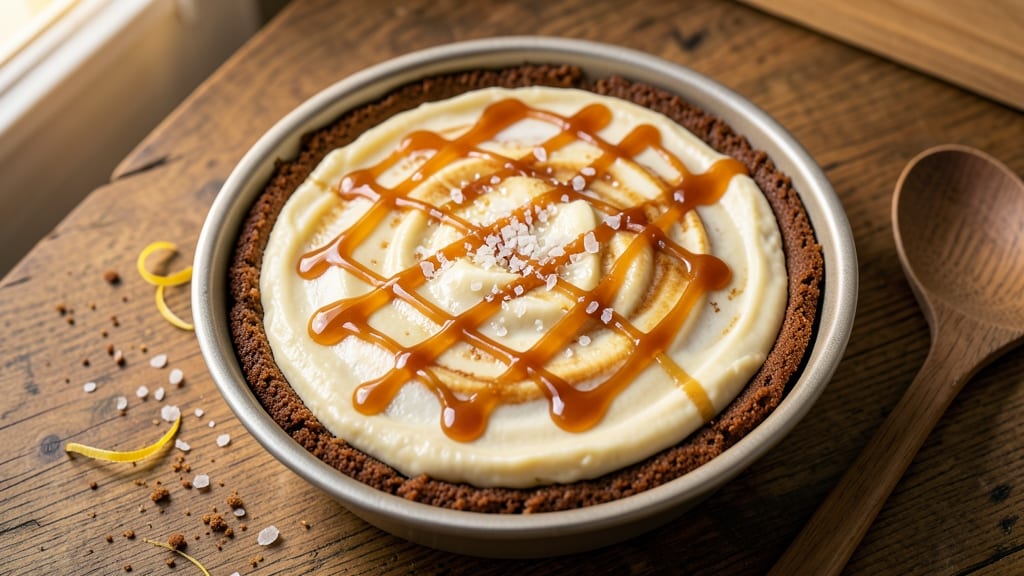
A baked cheesecake recipe with sweetened condensed milk delivers ultra-firm texture without the dreaded cracks or watery centers. This method transforms simple ingredients into a dessert with restaurant-quality results—creamy, dense, and perfectly set. The secret lies in the science of sweetened condensed milk and precise baking techniques that ensure foolproof success every time.
What sets this recipe apart is the water bath technique, which creates a gentle, even bake that prevents cracking while developing that signature firm yet tender crumb. The sweetened condensed milk adds natural sweetness and stability to the filling, eliminating the need for excessive sugar or stabilizers. With just 30 minutes of active prep and 1 hour of baking, you'll have a cheesecake that holds its shape beautifully.
By the time it's done, you'll have a cheesecake with a smooth, velvety texture that's rich but not overly sweet, thanks to the balanced sweetness of the condensed milk. The crust stays crisp at the edges while remaining tender underneath, creating the perfect contrast. This method works equally well for beginners and experienced bakers—no fancy equipment required.
Serve it plain for a classic presentation or top with fresh berries, caramel drizzle, or a dusting of powdered sugar for added elegance. The best part? This cheesecake stays fresh for days, making it perfect for special occasions or meal prep. Let's get started on creating your perfect slice.
Ingredients for baked cheesecake recipe with sweetened condensed milk
Eight essential ingredients transform into a restaurant-quality cheesecake with ultra-firm texture.
| Ingredient | Amount | Notes |
|---|---|---|
| Sweetened Condensed Milk 🥛 | 1 can | 14 oz can, unopened for best texture |
| Large Eggs 🥚 | 4 whole | Room temperature for even mixing |
| Full-Fat Cream Cheese 🧀 | 32 oz | Room temperature, full-fat for richness |
| Granulated Sugar 🍚 | 1 cup | Superfine preferred for smooth texture |
| All-Purpose Flour 🌾 | ½ cup | For crust stability |
| Unsalted Butter 🧈 | ½ cup | Cold, cubed for crust |
| Vanilla Extract 🌿 | 1 tbsp | Pure, high-quality extract |
| Lemon Juice 🍋 | 1 tbsp | Freshly squeezed for brightness |
| Salt 🧂 | ½ tsp | Diamond Crystal preferred |
| Ground Cinnamon 🌶️ | ½ tsp | For crust depth |
| Graham Cracker Crumbs 🍪 | 1 ½ cups | Homemade or quality store-bought |
| Water 💧 | ¼ cup | For crust binding |
The sweetened condensed milk is non-negotiable here—it’s the secret weapon for that foolproof firmness without cracks. Grab a 14-oz can from the baking aisle (I always check the expiration date—older cans can be slightly thicker). Full-fat cream cheese is a must for that luscious texture, and room temperature eggs mix in smoothly without lumps. For the crust, graham crackers should be sturdy but not stale—Trader Joe’s has the best pre-crumbled ones, but homemade is worth the extra 2 minutes. Pro tip: Toast the crumbs lightly in the butter before mixing for extra crispness.
No sweetened condensed milk? Substitute equal parts heavy cream + powdered sugar (mix well), though texture won’t be identical. Full-fat cream cheese can be swapped for Neufchatel if needed, but it’s less rich. Superfine sugar dissolves better, but regular granulated works in a pinch (just whisk vigorously). For the crust, digestive biscuits or shortbread crumbs add a nice twist. Lemon juice can be omitted if you dislike tartness, but it balances the sweetness beautifully. Vanilla extract? Imitation vanilla won’t cut it—splurge on the good stuff (like McCormick Pure or Frontier Co-op).
This cheesecake stays fresh for 5 days in the fridge, but it’s best enjoyed within 3 days for peak texture. Freeze for up to 3 months by wrapping tightly in plastic and foil. For serving, let it sit at room temperature for 30 minutes before slicing—it’s firmer when cold. Make-ahead tip: Assemble the crust and filling a day ahead and bake when ready. The water bath is key—don’t skip it! It ensures that gentle, even bake that prevents cracking. Garnish with berries or a dusting of powdered sugar right before serving to keep things fresh.
Why You'll Love This Recipe
- No Mixer Needed: Honestly, I’ve made this cheesecake with just a hand mixer—sometimes not even that. The condensed milk and cream cheese blend like butter (literally, if you’re lazy), and the flour keeps it sturdy without cracking. My blender’s been on vacation for months since this recipe.
- Creamy Without the Fuss: That sweetened condensed milk? It’s the secret weapon—no one will guess it’s not a traditional recipe. The eggs add structure, the cream cheese gives that velvety bite, and the sugar? It caramelizes just enough to make every slice taste like a hug. (Yes, even on a Tuesday night.)
- Party or Pudding: Between us, this cheesecake works for everything. Bringing it to a potluck? The condensed milk’s sweetness stands up to fruit toppings. Craving dessert after dinner? Slice it thin—it’s the perfect size for a single-serving treat. My kids think it’s "fancy," but it’s really just a pantry hack.
- Leftovers That Last: I’ve had this cheesecake sit in my fridge for five days and still taste fresh. The condensed milk keeps it moist, and the baked texture means no soggy bottoms. Plus, it’s cheap to make—half the cost of store-bought—and the flour crust means you can even freeze slices for emergencies. (Like when you forget to buy ice cream.)
Step-by-step instructions for baked cheesecake with sweetened condensed milk
Here's how to bake a silky, ultra-firm cheesecake that stays crack-free every time.
Prepare the Crust with Cold Butter
Preheat your oven to 350°F and grease a 9-inch springform pan thoroughly with butter. In a large bowl, combine the 1.5 cups graham cracker crumbs, 0.5 cup cold cubed unsalted butter, 0.5 tsp salt, and 0.5 tsp ground cinnamon. Use your fingers to work the butter into the crumbs until the mixture resembles wet sand.
Press the crumb mixture firmly and evenly into the bottom of the prepared pan, creating an even layer. Here's the thing—don't skip pressing it down well. A poorly compacted crust leads to soggy bottoms and potential cracks later. For extra insurance, chill the crust in the freezer for 10 minutes while you prepare the filling. This step is non-negotiable for a sturdy base.
Mix the Cheesecake Batter for Perfect Texture
In a separate large bowl, beat the 32 oz full-fat cream cheese and 1 cup granulated sugar together until completely smooth and creamy. This takes about 3-4 minutes with an electric mixer on medium speed. You'll notice the mixture lighten in color as it emulsifies—this is your signal that it's ready for the next ingredients.
Add the 4 whole large eggs, one at a time, mixing just until each is incorporated. Then stir in the 1 can sweetened condensed milk, 1 tbsp vanilla extract, and 1 tbsp lemon juice. Finally, gently fold in the 0.5 cup all-purpose flour using a spatula until just combined. Be careful not to overmix—you want to maintain a smooth, lump-free batter. This is where the magic happens—the condensed milk adds stability while keeping the texture ultra-smooth.
Assemble and Bake for Ultra-Firm Results
Pour the cheesecake batter carefully over the chilled crust. Tap the pan gently on the counter a few times to remove any air bubbles that may have formed. Here's the crucial part: place the pan on a baking sheet lined with aluminum foil (to catch any potential spills) and bake in the preheated 350°F oven for 50-60 minutes.
You'll know it's done when the edges are set and the center still jiggles slightly (it should have a slight wobble, not be completely firm). This "slight wobble" test is your golden rule for perfect texture—overbaking leads to cracks and dryness. The condensed milk helps create that firm yet creamy interior that holds together beautifully.
Cool Gradually for Maximum Stability
Turn off the oven and prop the door open slightly. Let the cheesecake cool in the oven for 1 hour—this slow cooling process prevents sudden temperature changes that could cause cracking. After this hour, remove the cheesecake from the oven and let it cool completely at room temperature for another 2 hours.
Here's where patience pays off: this gradual cooling allows the cheesecake to set properly without developing surface cracks. When fully cooled, run a thin knife around the edge of the pan to loosen it from the springform. Then refrigerate for at least 4 hours (overnight is ideal) before serving. The condensed milk mixture solidifies beautifully during this time, giving you that bakery-style firmness without the cracks.
Serve with Confidence
Once chilled, release the springform and slice with a hot, clean knife (dip the knife in hot water and wipe dry between cuts) for clean slices every time. The cheesecake should be firm yet creamy, with a rich, caramelized flavor from the condensed milk that sets it apart from traditional recipes.
This method delivers a cheesecake that's so stable it practically holds its shape when sliced. The condensed milk acts as a natural thickener while adding that signature sweetness and depth. Serve with fresh berries or a drizzle of caramel for the ultimate dessert experience—your guests will never guess it's baked, not steamed!
Pro Tips For Making Baked Cheesecake Recipe With Sweetened Condensed Milk
- Preheat Like You Mean It: Set your oven to 325°F (163°C) no higher—this recipe needs slow, steady heat to avoid cracking. I used to blast it to 350°F in a rush, and half my batches ended up with that dreaded sinkhole in the middle.
- Whip Cream Cheese First: Beat the full-fat cream cheese until completely smooth before adding anything else—lumps turn into dry spots later. I learned this the hard way when my cheesecake tasted like it had sand in it.
- Chill the Batter Overnight: Let the batter sit in the fridge at least 8 hours (or overnight) before baking—this makes the texture silky, not gummy. I skipped it once and got a dense, sad dessert that tasted more like pudding.
- Don’t Overmix the Flour: Stir the all-purpose flour in just until combined—overmixing adds gluten and makes the cheesecake tough. Think "dust lightly," not "whip into a batter."
Serving suggestions for leftovers
Classic Toppings
Fresh strawberries or raspberries add vibrant color and brightness—their natural acidity cuts through the richness beautifully. I like to arrange them in a circular pattern on top for visual appeal. For a more decadent touch, drizzle with warm caramel sauce or chocolate ganache right before serving. 🍓
Creamy Contrasts
Whipped vanilla bean ice cream or coconut whipped cream creates a luxurious contrast against the firm cheesecake. I often serve a small scoop alongside slices for dipping. For a lighter option, try lemon curd drizzled over the top—its tangy flavor complements the sweetness perfectly.
Crunchy Garnishes
Toasted pecans or walnuts add delightful texture when sprinkled on top. For extra flair, crush amaretti cookies and scatter them over the cheesecake before serving. A sprinkle of powdered sugar or flaky sea salt enhances the flavor profile with contrasting sweet and savory notes.
Seasonal Variations
In summer, I love adding fresh peaches or mango slices for a tropical twist. For autumn, candied pumpkin puree swirled into the batter and topped with cinnamon creates a seasonal masterpiece. Winter calls for cranberry compote or white chocolate shavings for a festive touch.
Make-Ahead Garnishes
Prepare toppings ahead of time to streamline serving. Store berry compotes or caramel sauce in the fridge for up to 3 days, and toast nuts in advance to keep them fresh. I always keep a small bowl of extra graham cracker crumbs on hand for a quick crunchy garnish when needed.
Presentation Tips
Use a ring mold to create perfectly shaped slices for elegant plating. For a rustic look, serve on a wooden board with fresh herbs like mint or basil. A dusting of matcha powder or cocoa powder adds a sophisticated finish that elevates the presentation instantly. 🌟
Nutrition facts
Frequently asked questions
Why does sweetened condensed milk make this cheesecake ultra-firm?
The condensed milk acts as a natural thickener and stabilizer, creating a denser structure that prevents cracks and watery centers. Its high sugar content also lowers the moisture content, helping the cheesecake set more firmly during baking and cooling. Plus, it adds rich caramelized flavor that traditional recipes miss!
Can I make this cheesecake without a water bath?
While possible, a water bath is highly recommended for this recipe. It creates a gentle, even heat that prevents cracking while ensuring the condensed milk sets properly. Without it, you risk surface drying or uneven texture. If you skip it, reduce oven temp to 325°F and bake for 60-70 minutes, checking frequently.
How do I prevent cracks in the top?
Cracks usually happen from sudden temperature changes or overmixing. Always let the cheesecake cool gradually in the oven with the door slightly open, then refrigerate for at least 4 hours before serving. Avoid opening the oven door during baking, and make sure your ingredients (especially cream cheese) are room temperature. The condensed milk helps reduce cracking by stabilizing the structure.
What's the best way to store leftovers?
Wrap tightly with plastic wrap and store in the fridge for up to 5 days. For longer storage, freeze for up to 3 months by wrapping individual slices in plastic and aluminum foil. Thaw overnight in the fridge—never at room temperature. The condensed milk keeps it fresh longer by inhibiting moisture loss and bacterial growth.
Can I substitute evaporated milk for condensed milk?
No, they're not interchangeable! Evaporated milk has much less sugar and won't provide the same thickening effect or rich flavor. If you must substitute, mix 1 cup evaporated milk + 1 cup powdered sugar (whisked until dissolved) for each can of condensed milk called for. The texture will be slightly less firm, but still delicious. The condensed milk is the secret to this recipe's signature texture!