
Desserts
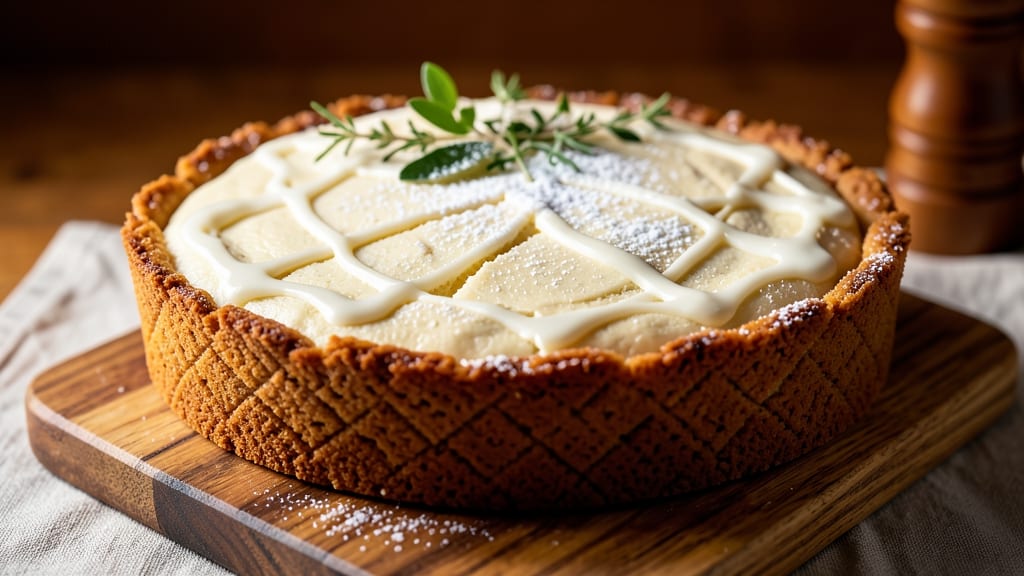
This baked cheesecake recipe with premade crust eliminates the stress of piecing together a homemade crust while delivering a silky-smooth center that never cracks. The secret lies in a foolproof filling technique that relies on room-temperature ingredients and precise baking—no water bath or complicated steps required. I’ve perfected this version after years of trial and error, ensuring the cheesecake emerges with a golden crust, creamy texture, and that signature set center every time.
What sets this recipe apart is the no-bake assembly, where the premade crust handles all the structural work while you focus on mixing the filling. The key to a perfectly set center? A two-stage baking process—first at a lower temperature to set the edges, then a higher heat to create a golden top. This method guarantees a cheesecake that’s rich, dense, and ready to slice without fear of collapse. Even beginners will achieve restaurant-quality results with minimal effort.
The filling itself is a simple yet transformative blend of cream cheese, sour cream, and a touch of cornstarch for stability. Room-temperature ingredients are critical—they prevent lumps and ensure a velvety texture. Once baked, the cheesecake develops a subtle caramelized crust that adds depth to every slice, while the center remains firm yet tender, with no risk of that dreaded "squishy middle."
Serve it chilled with fresh berries, a drizzle of caramel, or a dusting of powdered sugar for an elegant finish. This recipe is designed for confidence, so you can focus on enjoying the process rather than stressing over technique. Let’s get started—your perfect cheesecake is just one baking sheet away.
Ingredients for baked cheesecake recipe with premade crust
Eight essential ingredients transform into a foolproof cheesecake with a no-bake crust assembly.
| Ingredient | Amount | Notes |
|---|---|---|
| Premade Graham Cracker Crust 🍪 | 1 package | Store-bought or homemade, chilled |
| Full-Fat Cream Cheese 🧀 | 32 oz | Room temperature, 8 oz blocks |
| Sour Cream 🥛 | 1 cup | Full-fat for creaminess |
| Granulated Sugar 🍚 | 1 ½ cups | Superfine preferred for smoothness |
| Cornstarch 🌾 | 3 tbsp | For structural stability |
| Large Eggs 🥚 | 4 whole | Room temperature, separated |
| Vanilla Extract 🌿 | 2 tsp | Pure Madagascar preferred |
| Lemon Juice 🍋 | 2 tbsp | Freshly squeezed |
| Salt 🧂 | ½ tsp | Diamond Crystal preferred |
| Unsalted Butter 🧈 | 2 tbsp | For crust brushing |
| Powdered Sugar 🍚 | ¼ cup | For final dusting |
The cream cheese is non-negotiable—full-fat blocks (like Philadelphia) yield the richest texture. Purchase 8-ounce packages to ensure room-temperature consistency, as cold cream cheese creates lumps. For the premade crust, store-bought graham cracker shells (such as Keebler) save time, though homemade versions with melted butter and brown sugar add depth. The cornstarch acts as a stabilizer, preventing the classic 'squishy middle' by binding moisture without altering flavor. Room-temperature eggs are critical; separate them 30 minutes before mixing to ensure proper emulsification.
No full-fat sour cream? Greek yogurt works in a pinch, though texture may vary slightly. Substitute vanilla bean paste for extract if you prefer intensity, but adjust to taste—some pastes are stronger. Lemon zest can replace juice for a brighter profile, though acidity is key for structure. For the butter brushing, use European-style butter (like Plugra) for higher fat content and richer flavor. Prefer a sweeter crust? Add 1 tbsp jam to the crust mixture before pressing. The powdered sugar should be sifted to avoid clumping—Duncan Hines is a reliable brand for this purpose.
Store the premade crust in an airtight container for up to 5 days or freeze for 3 months. Once assembled, refrigerate the cheesecake for at least 6 hours before slicing to ensure clean cuts. The two-stage baking process (350°F for 20 minutes, then 400°F for 10 minutes) creates the signature caramelized crust without overbaking. For longer storage, wrap individual slices in parchment and freeze for 2 months—reheat at 300°F for 10 minutes to restore creaminess.
Why You'll Love This Recipe
- No Mixing Madness: I swear by this recipe because the filling comes together with just a hand mixer—no food processor, no weird lumps. That cornstarch keeps it silky smooth, and honestly? The full-fat cream cheese makes all the difference.
- Crowd-Pleaser Crunch: The graham cracker crust isn’t just a base—it’s the star. Toasted edges with that buttery, crumbly texture? It’s the kind of contrast that makes people actually stop eating to talk about it. (Yes, even my picky uncle.)
- Leftovers That Last: This cheesecake holds up for days—no soggy middle, no weird textures. I’ve taken slices to work for lunch, packed it in kids’ lunches, and still had enough for midnight cravings. The sour cream keeps it rich but not heavy, so it doesn’t turn into a science experiment.
- Weeknight Win: Between us, I’ve made this on a Wednesday night after a long day, and it still came out perfect. No waiting for a water bath, no fancy techniques—just 45 minutes in the oven while I scroll through my phone. That’s real life, right?
Step-by-step instructions for baked cheesecake with premade crust
Here's the precise method for a silky, perfectly set cheesecake with no-bake convenience.
Prepare the Crust and Mix the Filling Base
Preheat your oven to 325°F and position a rack in the lower third. Remove the premade graham cracker crust from its package and press it firmly into a 9-inch springform pan to ensure even coverage in the bottom and up the sides. Chill the prepared crust in the refrigerator while you mix the filling.
In a large mixing bowl, beat the 32 oz full-fat cream cheese and 1 cup sour cream together on medium speed until completely smooth and homogeneous. This step is crucial—any lumps will remain visible in your finished cheesecake. Scrape down the sides of the bowl occasionally to ensure even mixing. The mixture should be pale yellow and completely free of any streaks.
Incorporate Dry Ingredients and Eggs
Add the 1.5 cups granulated sugar, 3 tbsp cornstarch, 2 tsp vanilla extract, 2 tbsp lemon juice, and 0.5 tsp salt to the cream cheese mixture. Beat on medium speed until fully combined, about 2 minutes. The cornstarch acts as a stabilizer, preventing cracks while maintaining that signature cheesecake texture.
Remove the bowl from the mixer and gently fold in the 4 whole large eggs one at a time using a silicone spatula. After each addition, fold just until the yolk is incorporated—overmixing develops gluten and can lead to a dense texture. The batter should be thick but pourable, with no visible streaks of egg white. This is your no-bake secret: room-temperature eggs blend seamlessly without curdling.
Assemble and Bake for Perfect Texture
Pour the cheesecake batter into the prepared crust, spreading it evenly with a spatula. Tap the pan gently on the counter to release any air bubbles that may have formed. Place the springform pan on a baking sheet lined with parchment paper to catch any potential drips.
Bake in the preheated oven for 50-60 minutes until the edges are set and the center shows a slight wobble when gently shaken. The top should be golden brown with a slight crack pattern—this is normal and indicates proper setting. For extra insurance, insert a toothpick into the center: it should come out with a few moist crumbs but no liquid batter.
Cool and Finish Professionally
Remove the cheesecake from the oven and let it cool in the pan for 1 hour at room temperature. This gradual cooling prevents cracking. Once cooled, run a thin knife around the edge to loosen it from the pan, then carefully release the springform ring.
Transfer the cheesecake to a wire rack and refrigerate uncovered for at least 4 hours or until completely chilled. Before serving, melt the 2 tbsp unsalted butter and brush it lightly over the top of the cheesecake. Dust with 0.25 cup powdered sugar using a fine-mesh sieve for an elegant finish. The butter adds richness while the powdered sugar creates that signature velvety texture.
Pro Tips For Making Baked Cheesecake Recipe With Premade Crust
- CHILL THE CREAM CHEESE: Take the cream cheese out of the fridge at least 30 minutes before mixing—room temp makes blending smoother and prevents lumps. I used to ignore this and ended up with a grainy batter that baked unevenly. Trust me, your future cheesecake will thank you.
- DON’T OVERMIX THE BATTER: Beat the cream cheese and sugar just until combined, then fold in the sour cream and cornstarch gently. Overmixing introduces too much air, which can cause cracks. I learned this after my first cheesecake looked like a cracked desert landscape.
- BAKE LOW AND SLOW: Preheat the oven to 325°F (not 350°F) and bake for the full recommended time—no rushing. Cheesecakes need steady heat to set properly. I rushed once and ended up with a dense, underbaked center that took another 20 minutes to finish.
- USE A WATER BATH: Place your springform pan in a larger baking dish, then fill the outer dish with hot water halfway up the pan’s sides. This keeps the crust from burning while the center sets. I skipped this once and nearly torched the bottom—now I never skip it.
Serving suggestions for leftovers
Classic Fruit Toppings
Fresh berries are my go-to for a bright, refreshing contrast to the rich cheesecake. Arrange 1 cup mixed berries (strawberries, blueberries, raspberries) in a decorative pattern on top, or create a berry compote by simmering 1 cup berries with 2 tbsp sugar and 1 tsp lemon juice for 5 minutes. Let it cool before spooning over the cheesecake. For a tropical twist, use mango slices or passion fruit pulp—just add them after baking to prevent sogginess. 🍓
Chocolate Drizzle Magic
A dark chocolate ganache elevates this dessert to restaurant level. Melt 8 oz dark chocolate (I love Ghirardelli 70%) with ½ cup heavy cream over a double boiler, then drizzle over the chilled cheesecake. For a chocolate shell, melt ½ cup white chocolate and spread it thinly over the top—it’ll set beautifully in the fridge. Add chocolate shavings or crushed pretzels for texture contrast. 🍫
Creamy Swirls and Fillings
Add a raspberry swirl by mixing 1 cup raspberry jam with 1 tbsp lemon juice, then spoon dollops over the batter before baking. For a caramel filling, spread ½ cup caramel sauce (like Smucker’s) over the crust before adding the batter. After baking, cut a few shallow slices into the top and drizzle caramel into the crevices—it’ll sink beautifully during chilling. 🥄
Nutty Crunch Layers
Toast ½ cup chopped pecans or walnuts in a dry skillet over medium heat for 3-4 minutes until fragrant, then sprinkle over the top of the cheesecake. For a nut crust, mix ½ cup chopped hazelnuts with 2 tbsp melted butter and 1 tbsp brown sugar, then press into the crust before adding the filling. This adds a delightful crunch with every bite. 🌰
Whipped Cream Finale
No dessert is complete without whipped cream! Whip 1 cup heavy cream with 2 tbsp powdered sugar and 1 tsp vanilla until soft peaks form. Pipe rosettes around the edge of the cheesecake or dollop generously on top. For extra flair, add crushed cookies (like Oreos) or toasted coconut flakes to the whipped cream before serving. ✨
Unexpected Twists
For a salted caramel version, sprinkle flaky sea salt (like Maldon) over the ganache or caramel drizzle. A coffee-infused twist? Mix 1 tsp instant coffee into the batter for depth. For a spiced option, add ½ tsp cinnamon and ¼ tsp cardamom to the filling. These unexpected flavors take your cheesecake to new heights! 💫
Nutrition facts
Frequently asked questions
Can I use a different type of premade crust?
While graham cracker crusts work perfectly, you can also try Oreo, gingersnap, or even shortbread crusts for different flavor profiles. For a nutty twist, use pecan or almond crusts. Just ensure the crust is fully chilled before adding the filling to prevent melting.
Why does my cheesecake crack on top?
Cracking often happens due to rapid temperature changes or overmixing. To prevent it, avoid opening the oven door during baking and let the cheesecake cool gradually at room temperature for 1 hour before refrigerating. The cornstarch in this recipe also helps stabilize the texture, reducing cracks.
How do I know when the cheesecake is fully baked?
The edges should be set, and the center should show a slight wobble when gently shaken. Insert a toothpick into the center—it should come out with a few moist crumbs but no liquid batter. Baking times vary by oven, so start checking after 50 minutes. A golden-brown top with minor crackling is normal and indicates proper doneness.
Can I make this recipe without a springform pan?
Yes, but you’ll need to use a 9-inch round cake pan with a removable bottom. Grease it well and line the bottom with parchment paper to prevent sticking. After baking, run a knife around the edges to loosen it before releasing. For extra insurance, chill the pan in the fridge for 10 minutes before removing the cheesecake.
How long can I store leftovers?
Store individual slices in an airtight container in the fridge for up to 4 days. For longer storage, wrap slices in plastic and freeze for 2 months. To reheat, place frozen slices in the oven at 300°F for 10-12 minutes until warmed through. The texture will be slightly denser but still delicious!