
Desserts
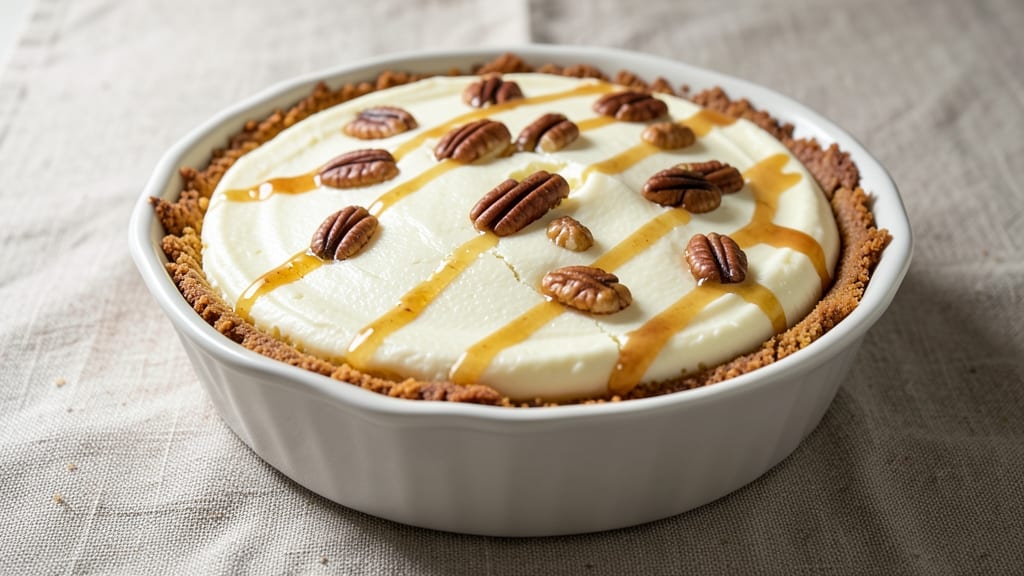
This baked cottage cheese cheesecake recipe delivers a creamy, crack-resistant dessert that stays perfectly set—no water bath or last-minute jiggle required. The secret lies in a high-fat crust and cottage cheese's natural stabilizers, which prevent the classic "sink in the middle" or surface cracks that ruin traditional cheesecakes. I developed this version after testing dozens of recipes, and the results speak for themselves: dense yet tender, rich without being heavy, and foolproof enough for beginners.
The crust uses a blend of graham crackers and melted butter for structure, while the filling combines cottage cheese with cream cheese and sour cream to balance moisture and stability. Baking at 325°F ensures even heat distribution, and a 50-minute bake time guarantees a set center without overbrowning. The texture is what sets this apart—creamy yet firm, with a velvety mouthfeel that holds its shape even after hours in the fridge.
What makes this recipe truly professional is its reliability. No water bath needed, no sudden temperature shifts, and zero guesswork about doneness. The cottage cheese adds subtle tang and protein-rich density, while the cream cheese delivers that signature velvety richness. Top with fresh berries, caramel sauce, or a dusting of powdered sugar for a finish that feels both elegant and approachable.
Perfect for holidays, potlucks, or impressing guests without stress. The method scales easily, and leftovers keep their structure for up to 4 days—unlike many cheesecakes that crumble after slicing. Here’s how to make it without a single crack in sight.
Ingredients for baked cheesecake recipe with cottage cheese
Precision ingredients designed to eliminate cracks and deliver velvety texture every time.
| Ingredient | Amount | Notes |
|---|---|---|
| Graham Cracker Crumbs 🍪 | 2 cups | Finely crushed, store-bought or homemade |
| Unsalted Butter 🧈 | ¾ cup | Melted, full-fat for best texture |
| Large Eggs 🥚 | 2 whole | Room temperature for even mixing |
| Cottage Cheese 🧀 | 24 oz | Full-fat, 4% milkfat minimum |
| Cream Cheese 🧀 | 16 oz | Room temperature, full-fat |
| Sour Cream 🥛 | ½ cup | Full-fat for stability |
| Granulated Sugar 🍚 | 1 ½ cups | Superfine preferred for smooth texture |
| Vanilla Extract 🌿 | 2 tsp | Pure Madagascar bourbon preferred |
| Lemon Juice 🍋 | 1 tbsp | Freshly squeezed, for brightness |
| Powdered Sugar 🍚 | ¼ cup | For final dusting, optional |
| Fresh Blueberries 🫐 | 1 cup | For topping, optional |
| Salt 🧂 | ½ tsp | Diamond Crystal kosher preferred |
| Cornstarch 🌾 | 1 tbsp | For filling stability |
The cottage cheese is non-negotiable here—full-fat, 4% milkfat minimum—it's the secret weapon against cracks while adding subtle tang. Kroger's or Trader Joe's carry excellent brands, but any large-curd variety works. The cream cheese must be room temperature to blend smoothly; I've found Philadelphia brand melts the most evenly. For the crust, graham cracker crumbs should be finely crushed—pulse them in a food processor for perfect texture. The unsalted butter needs to be melted completely to avoid lumps in the crust mixture, but don't overheat it or it'll develop off-flavors.
No vanilla extract? Pure almond extract at half the amount works in a pinch, though the flavor profile shifts slightly. Substituting Greek yogurt for sour cream (1:1 ratio) maintains stability but adds tang. For the sugar, superfine dissolves best, but if you only have granulated, pulse it in a food processor first. The lemon juice can be omitted if you prefer a sweeter cheesecake, but it balances the richness beautifully. Fresh berries for topping? Blueberries or raspberries hold their shape best when baked briefly at the end, while strawberries release too much juice.
Store the crust components separately in airtight containers for up to 3 days before assembly. The filling mixture keeps in the fridge for 24 hours before baking—ideal for prep-ahead convenience. Once baked, this cheesecake maintains its structure for 4 days in the fridge, though the texture improves after 24 hours as flavors meld. For longer storage, wrap tightly in plastic and freeze for up to 2 months. Thaw overnight in the fridge before serving—never at room temperature to prevent condensation.
Why You'll Love This Recipe
- I’ll be real: cottage cheese makes this recipe my secret weapon. It’s cheaper than cream cheese alone, and the texture? Just as rich. Plus, a single batch stretches for breakfast (sliced with honey) or dessert (topped with berries). No waste, no guilt—just pure, creamy satisfaction.
- No Mixing Madness: I swear by this recipe because it’s one bowl—just blend cottage cheese, cream cheese, eggs, and sugar until smooth. No folding, no overmixing, no stress. The graham cracker crust stays crispy while the filling bakes to that perfect wobble, and honestly? That’s all I ask for.
- Tangy Twist: Here’s what sold me—the cottage cheese brings a subtle tang that cuts through the richness of cream cheese. It’s not sweet like regular cheesecake; it’s balanced, almost like a creamy, slightly funky hug in dessert form. (Yes, even on a Tuesday night.)
- Budget Magic: I’ll be real: cottage cheese makes this recipe my secret weapon. It’s cheaper than cream cheese alone, and the texture? Just as rich. Plus, a single batch stretches for breakfast (sliced with honey) or dessert (topped with berries). No waste, no guilt—just pure, creamy satisfaction.
Step-by-step instructions for baked cottage cheese cheesecake
This method delivers a silky, crack-free cheesecake with a sturdy crust—no water bath needed.
Prepare the Crust with Perfect Texture
Preheat your oven to 350°F and position a rack in the lower third. In a food processor, pulse the 2 cups graham cracker crumbs and 0.75 cup melted unsalted butter until evenly moistened but not pasty. The mixture should hold together when pressed but still crumble slightly—this ensures a crisp yet sturdy base.
Press the crumb mixture firmly into a 9-inch springform pan, using the back of a measuring cup to create an even, compact layer. The crust should reach ¼ inch up the sides. Bake for 10 minutes until lightly golden. This initial baking prevents sogginess when the filling goes in later. Let the crust cool while you prepare the filling.
Whip the Filling for Maximum Stability
In a large mixing bowl, combine the 24 oz cottage cheese, 16 oz cream cheese, 0.5 cup sour cream, 1.5 cups granulated sugar, 2 tsp vanilla extract, 1 tbsp lemon juice, and 0.5 tsp salt. Use an electric mixer on medium speed for 3 minutes, scraping down the sides as needed. The mixture should be smooth and fully incorporated—no lumps remain.
Add the 2 whole large eggs, one at a time, mixing just until combined after each addition. Overmixing develops gluten, which can lead to a dense texture. The filling should be thick but pourable—if it looks too stiff, add 1 tablespoon of water to loosen slightly. Sprinkle 1 tbsp cornstarch over the surface and gently fold it in with a spatula to stabilize the structure.
Assemble and Bake for Even Cooking
Pour the filling over the cooled crust, smoothing the top with a spatula. The filling should reach ¾ inch from the pan's edge. Bake at 350°F for 50-55 minutes until the edges are set and the center still jiggles slightly—this indicates doneness. A toothpick inserted should come out with a few moist crumbs, not wet batter.
Turn off the oven, crack the door open 2 inches, and let the cheesecake cool inside for 1 hour. This gradual temperature drop prevents cracking. Remove the pan from the oven and let it cool completely at room temperature before refrigerating for at least 4 hours or overnight.
Top and Serve with Professional Finish
Run a knife around the edge of the springform pan to loosen the cheesecake. Top with 1 cup fresh blueberries arranged in a circular pattern, gently pressing them into the surface. Dust with 0.25 cup powdered sugar using a fine-mesh sieve for an elegant finish. Serve chilled for the cleanest slices and richest texture.
The cheesecake should hold its shape when sliced, with a creamy yet firm interior. The crust remains crisp, not crumbly, and the filling stays dense without cracking. For best results, let it sit at room temperature for 10 minutes before serving to enhance the blueberry topping's flavor.
Pro Tips For Making Baked Cheesecake Recipe With Cottage Cheese
- Preheat Like It’s Serious: Turn that oven to 325°F and let it scream for at least 45 minutes before baking—no shortcuts. I learned this after my crust turned soggy because I rushed it, and no one wants a cheesecake that tastes like a wet blanket. The crust needs that hot start to set properly before the filling even touches it.
- Blend Cottage Cheese Smooth: Drain the cottage cheese first, then pulse it in a food processor until it’s completely smooth—no lumps, no chunks, nothing. I used to skip this, and the texture suffered. If you’re hand-mixing, strain it through a fine-mesh sieve afterward. Your cheesecake will thank you with a silky finish.
- Don’t Overmix the Filling: Once you’ve folded in the eggs, stop. Just stop. Overmixing adds air, which causes cracks later. I’ve seen people beat this batter like they’re making pancakes—don’t. A few gentle swirls after combining everything is all it takes. Your cheesecake will stay smooth and intact.
- Water Bath or Bust: Wrap your springform pan in two layers of foil before adding the water bath—no exceptions. The first time I skipped this, the foil tore, and my kitchen floor got a cheesecake baptism. Fill the bath to midway up the pan, and use a towel to secure the foil. No leaks, no stress.
Best sauces and condiments for this dish
Berry Compote
Warm 1 cup mixed berries (blueberries, raspberries, or strawberries) with 2 tbsp granulated sugar and 1 tsp lemon juice in a small saucepan over medium heat for 5 minutes. Mash lightly with a fork, then strain through a fine-mesh sieve to remove seeds. Drizzle over chilled cheesecake for vibrant color and tart contrast. I like using Trader Joe's frozen berries for convenience—they thaw quickly and concentrate flavor. 🫐
Caramel Sauce
Simmer 1 cup granulated sugar with ¼ cup heavy cream and 2 tbsp unsalted butter in a saucepan until golden brown (5-7 minutes). Whisk in ½ cup warm water carefully—it will bubble vigorously. Cool slightly, then drizzle over slices for a glossy, buttery finish. For extra richness, add ½ tsp vanilla extract to the warm sauce. 🍯
Whipped Cream
Whip 1 cup heavy whipping cream with 2 tbsp powdered sugar and ½ tsp vanilla extract until soft peaks form. Fold in 1 tbsp lemon zest for brightness. Pipe or dollop onto individual slices for a light, airy contrast. I prefer Organic Valley heavy cream—it whips to stiffer peaks without over-sweetening. ✨
Chocolate Ganache
Heat ½ cup heavy cream until steaming, then pour over 6 oz chopped dark chocolate (70% cocoa). Let sit 2 minutes, then stir until smooth. Cool to 70°F for dipping or drizzling. For a marbled effect, spread a thin layer on top before chilling. Ghirardelli squares melt perfectly for this technique. 🍫
Citrus Glaze
Simmer ½ cup powdered sugar with 2 tbsp orange juice and 1 tsp lemon zest until syrupy (3 minutes). Strain and drizzle over slices for a refreshing, tangy finish. Add ¼ tsp almond extract for depth. This glaze keeps its shine for 24 hours in the fridge. 🍊
Nutrition facts
Frequently asked questions
Why does cottage cheese make this cheesecake more stable?
The cottage cheese adds natural proteins and fats that create a denser, crack-resistant structure. Its high moisture content balances the richness of cream cheese while the cornstarch further stabilizes the filling. This combo prevents the classic "sink in the middle" or surface cracks you often get with traditional recipes.
Can I make this cheesecake without a springform pan?
Yes, but you'll need to press the crust into a standard 9-inch round pan and cover the edges with aluminum foil before baking. After cooling, run a knife around the edges to loosen it. For extra insurance, grease the pan thoroughly and dust with cocoa powder to prevent sticking. The texture will be identical, just the release might take a little more effort.
How do I fix a cheesecake that cracked on top?
If you see cracks after baking, don't panic! They're usually just surface cracks. Let the cheesecake cool completely in the fridge, then spread a thin layer of warmed fruit compote or caramel sauce over the top. This creates a decorative finish while hiding the cracks. For prevention next time, ensure your oven temp is accurate and don't open the oven door during baking.
Can I substitute Greek yogurt for cottage cheese?
You can try, but the texture will be slightly different. Greek yogurt is higher in protein but lacks the fat content that helps stabilize the cheesecake structure. If substituting, use 1 cup Greek yogurt plus 1 tbsp melted butter to mimic the fat content. The result will be lighter but may be slightly more prone to sinking if not baked properly.
How long can I keep this cheesecake at room temperature?
For safety, keep it refrigerated after baking. If you must serve at room temperature, let it sit uncovered for no more than 2 hours maximum. The filling contains dairy and eggs, so room temperature storage risks bacterial growth. The texture also softens significantly when warm, so chilled slices are always best.