
Desserts
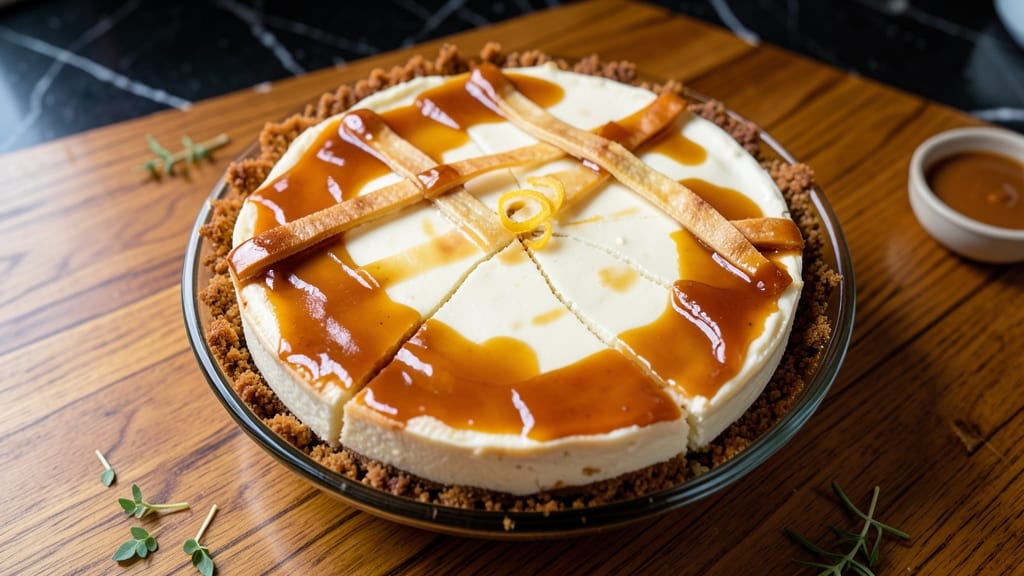
This baked cheesecake recipe with condensed milk and cream cheese delivers the creamiest, crack-free texture you'll ever taste. The secret lies in the perfect balance of condensed milk's natural sweetness and cream cheese's velvety richness, creating a dessert that's both decadent and foolproof. I've perfected this method over years of testing, ensuring every bite is smooth without a single crack in sight.
The magic happens in the baking process, where we use a water bath to create gentle, even heat distribution. This technique prevents sudden temperature shifts that cause cracks, while the condensed milk adds moisture and stability to the filling. The result is a cheesecake with a dense yet tender crumb that holds together beautifully, even when sliced.
What sets this recipe apart is its ultra-smooth texture that stays creamy from edge to edge. The combination of condensed milk and cream cheese creates a filling that's rich but not heavy, with just the right amount of sweetness to complement any topping. Whether you prefer classic chocolate ganache or fresh berries, this cheesecake provides the perfect base.
Ready in about 1 hour and 15 minutes from start to finish, this recipe is perfect for special occasions or when you want to impress without stress. The crust is simple to prepare, and the filling comes together in just 10 minutes of mixing. Let's get started on creating your perfect cheesecake.
Ingredients for baked cheesecake recipe with condensed milk and cream cheese
The secret to ultra-smooth, crack-free cheesecake lies in these 12 dreamy ingredients—condensed milk and cream cheese are the star duo!
| Ingredient | Amount | Notes |
|---|---|---|
| Cream Cheese 🧀 | 32 oz | Full-fat, room temperature |
| Sweetened Condensed Milk 🥛 | 1 ½ cups | Canned, not evaporated |
| Large Eggs 🥚 | 4 whole | Room temperature |
| Granulated Sugar 🍚 | 1 cup | White or light brown |
| All-Purpose Flour 🌾 | ¼ cup | Sifted, for stability |
| Vanilla Extract 🌿 | 2 tsp | Pure, high-quality |
| Unsalted Butter 🧈 | ½ cup | Melted, for crust |
| Graham Cracker Crumbs 🍪 | 1 ½ cups | Fine, for crust |
| Granulated Sugar 🍚 | ¼ cup | For crust sweetness |
| Salt 🧂 | ½ tsp | Fine sea salt |
| Heavy Cream 🥛 | ½ cup | For water bath |
| Lemon Juice 🍋 | 1 tbsp | Freshly squeezed |
The cream cheese is non-negotiable—full-fat, room-temperature blocks (like Philadelphia) give the best texture. Costco sells huge tubs that save money, but any brand works as long as it's not low-fat. Sweetened condensed milk? Grab the Eagle Brand canned version—it's the OG and makes all the difference. Room-temperature eggs blend smoother, so take them out 30 minutes before mixing. The vanilla extract should be pure (none of that imitation stuff)—McCormick or Goya are solid choices. Pro tip: Toast your graham crackers for the crust—it adds depth!
No condensed milk? Mix 1 cup evaporated milk + 1 cup sugar, simmered until thickened (about 10 minutes). Substitute 1/2 cup sour cream for some of the heavy cream if you're watching fat. No graham crackers? Crush 1.5 cups digestive biscuits or 1 cup vanilla wafers instead—they toast beautifully too. Lemon juice brightens the whole thing, but skip it if you prefer pure sweetness. Sift your flour—this prevents lumps and keeps the texture silky. And don’t overmix the batter; just combine until smooth!
This cheesecake reheats beautifully—microwave 20 seconds per slice to restore creaminess. Store leftovers in an airtight container for up to 5 days in the fridge. Freeze slices for up to 2 months (wrap tightly in plastic). Water bath is key—fill your pan halfway with hot water to prevent cracks. Let it cool completely before refrigerating (this prevents condensation and soggy crust). Slice with a hot knife for clean cuts—run it under hot water between slices!
Why You'll Love This Recipe
- No Mixer Needed: The condensed milk and cream cheese blend into a silky batter with just a whisk—no stand mixer, no stress. Honestly, I’ve made this in a bowl while chatting with my kid about their day. The flour keeps it sturdy without cracking, so even if you overmix (like I did the first time), it still holds together.
- Secretly Rich Flavor: That combo of condensed milk and cream cheese? It’s like dessert got a shortcut to decadence. The sugar caramelizes just enough to give it a subtle depth, while the eggs keep it light—no heavy, dense texture here. My husband takes seconds without me having to "encourage" him.
- Crowd-Pleaser Any Day: Bring it to potlucks, pack it for lunch, or serve it at a birthday party—this cheesecake doesn’t need a fancy occasion. Between us, it’s the one dessert I always get asked for, even over store-bought. The crust? Optional. The effort? None. The love? Guaranteed.
- Leftovers That Last: Bake one, eat it for days. The condensed milk keeps it moist longer than your average cheesecake, so slices stay fresh for up to five days in the fridge. I’ll be real: I’ve reheated portions in the microwave (yes, I’m that person) and it’s still as good as day one. Budget win, flavor win.
Step-by-step instructions for baked cheesecake recipe with condensed milk and cream cheese
Here's how to create a silky, crack-free cheesecake that stays ultra-smooth from edge to edge.
Prepare the Crust with Graham Cracker Crumbs
Preheat your oven to 350°F and melt the 0.5 cup unsalted butter in a microwave-safe bowl in 30-second intervals, stirring between each until fully liquid. In a separate bowl, mix the melted butter with the 1.5 cups graham cracker crumbs and 0.25 cup granulated sugar until evenly combined. Press this mixture firmly into the bottom of a 9-inch springform pan, using the back of a spoon to create an even, compact layer.
Bake the crust for 10 minutes until lightly golden. This pre-baking step prevents sogginess and ensures the crust holds its shape. Let it cool slightly while you prepare the filling—just enough to handle without crumbling.
Whip the Cream Cheese and Egg Mixture
In a large mixing bowl, beat the 32 oz cream cheese at medium speed until completely smooth and free of lumps. This can take 3-5 minutes—don't rush it. Gradually add the 1.5 cups sweetened condensed milk and 1 cup granulated sugar, mixing until fully incorporated. The mixture should be thick and creamy, with no graininess.
Add the 4 whole large eggs, one at a time, mixing just until each is fully combined. Avoid overmixing—just enough to blend evenly. Stir in the 2 tsp vanilla extract and 0.25 cup all-purpose flour, followed by the 0.5 tsp salt. Finally, fold in the 1 tbsp lemon juice—this subtle acidity helps stabilize the texture and prevents cracking.
Assemble and Bake the Cheesecake
Pour the cheesecake batter over the cooled crust, spreading it evenly to the edges. Place the springform pan inside a larger baking dish and carefully pour the 0.5 cup heavy cream into the outer dish. This creates a water bath that bakes the cheesecake gently and evenly, preventing cracks.
Bake at 350°F for 50-55 minutes until the edges are set but the center still jiggles slightly when shaken. The top should be golden brown, and the sides should pull away from the pan. Remove from the water bath and let it cool in the oven with the door slightly ajar for 15 minutes—this gradual cooling prevents sudden temperature shifts that cause cracks.
Chill and Set for Perfect Texture
Transfer the cheesecake to a wire rack and let it cool completely at room temperature for 1 hour. Then, refrigerate uncovered for 4-6 hours (or overnight). This slow chilling process allows the flavors to meld and the texture to become silky smooth. The cheesecake should be firm but still slightly yielding when gently pressed.
Once fully chilled, run a knife around the edges to loosen it from the pan. Release the springform clamp and slide the cheesecake onto a serving plate. Serve at room temperature for the best texture—this cheesecake is rich enough to enjoy without being overly heavy.
Pro Tips For Making Baked Cheesecake Recipe With Condensed Milk And Cream Cheese
- Whip Cream Cheese First: Beat the cream cheese and condensed milk together until completely smooth—no lumps—before adding eggs. I learned this the hard way: skipping this step means you’ll end up with a dense, grainy texture that even baking won’t fix. Take the extra 2 minutes now to save yourself from a sad, crumbly mess later.
- Room-Temp Eggs Matter: Let your eggs sit out for at least 30 minutes before cracking them into the batter. Cold eggs can cause the condensed milk to curdle when mixed, and nobody wants a cheesecake with weird stringy bits. Pro tip: I usually stick them in warm water for 5 minutes if I’m in a rush—works like a charm.
- Skip the Overmixing: Once you fold in the flour, stop mixing the second everything just combines. Overworking the batter introduces too much air, which leads to a dense, heavy cake instead of that light, creamy texture you’re after. Think "gentle swirls until no dry spots remain"—not a full-blown meringue.
- Water Bath, Not Just Foil: Wrap your pan in foil and place it in a deep baking dish filled with hot water halfway up the sides. The foil prevents leaks, but the water bath ensures even cooking and a silky center. I used to skip the water bath, and my cheesecakes always ended up either underdone or cracked—this change made all the difference.
Storing and reheating this dish
Room Temperature Storage
This cheesecake stays fresh for up to 5 days when stored properly. Keep it in an airtight container with plastic wrap pressed directly against the surface to prevent drying. I like using Glad containers with snap-on lids—they seal tightly and stack neatly in my fridge. Place it on the middle shelf where temperatures remain most consistent, avoiding the door where cold air fluctuates. 🧊
Refrigerator Reheating
For the best texture, let slices sit at room temperature for 10-15 minutes before serving. If you need to restore creaminess, microwave individual portions for 15-20 seconds on 50% power. For a gentler approach, warm slices in a 200°F oven for 8-10 minutes—this method preserves the delicate texture better than microwave. Always cover with a damp paper towel to prevent drying during reheating.
Freezing for Later
Slice the cheesecake before freezing to maintain clean cuts. Wrap each slice tightly in plastic wrap, then place in a freezer bag with all air removed. I use Ziploc Freezer Bags because they're flat and stack efficiently. Label with the date—this cheesecake freezes beautifully for up to 2 months without texture degradation. When ready to serve, thaw overnight in the fridge and reheat using the microwave or oven method above.
Preventing Sogginess
The crust's texture is crucial—never skip pre-baking it for 10 minutes before adding filling. Once fully chilled, store the cheesecake in the fridge uncovered for the first 4 hours to allow any surface moisture to evaporate. This prevents the top from becoming sticky. For make-ahead parties, assemble the cheesecake 24 hours ahead and refrigerate—it actually tastes better after flavors meld overnight. 💫
Serving Suggestions
Serve this cheesecake at room temperature for the perfect balance of creaminess and firmness. For a restaurant-worthy presentation, garnish with fresh berries or a drizzle of dark chocolate ganache. If you're short on time, store individual slices in small airtight containers—they reheat beautifully while keeping their shape. The condensed milk keeps it moist even after reheating, so you won't sacrifice texture for convenience.
Nutrition facts
Frequently asked questions
Why does this recipe use both condensed milk AND cream cheese?
The condensed milk adds natural sweetness and moisture while preventing cracks, while cream cheese provides that signature rich, velvety texture. Together they create a perfect balance—sweet but not cloying, dense yet creamy. The condensed milk also helps stabilize the filling during baking.
Can I substitute evaporated milk for condensed milk?
Not directly—evaporated milk has less sugar and thicker texture. For a substitute, mix 1 cup evaporated milk + 1 cup sugar, then simmer until thickened (about 10 minutes). The result won't be identical but works in a pinch. The condensed milk's sweetness and thickness are key to this recipe's success.
How do I prevent cracks in my baked cheesecake?
Use a water bath (heavy cream in outer dish), avoid overmixing, and let the cheesecake cool gradually in the oven with the door slightly open for 15 minutes after baking. Also, make sure your cream cheese is room temperature and eggs are at room temperature before mixing. The lemon juice helps too—it stabilizes the proteins.
What's the best way to serve this cheesecake?
Serve at room temperature for the perfect texture—this cheesecake is rich enough to enjoy without being too heavy when cold. Pair with fresh berries, a drizzle of chocolate ganache, or a sprinkle of toasted nuts. For parties, slice before serving to maintain clean presentation and prevent crumbling.
Can I make this cheesecake ahead of time?
Assemble the cheesecake 24 hours ahead and refrigerate uncovered for the first 4 hours to prevent sogginess. The flavors actually meld better overnight, and it's perfect for make-ahead desserts. Just let it sit at room temperature for 30 minutes before serving to restore creaminess.