
Desserts
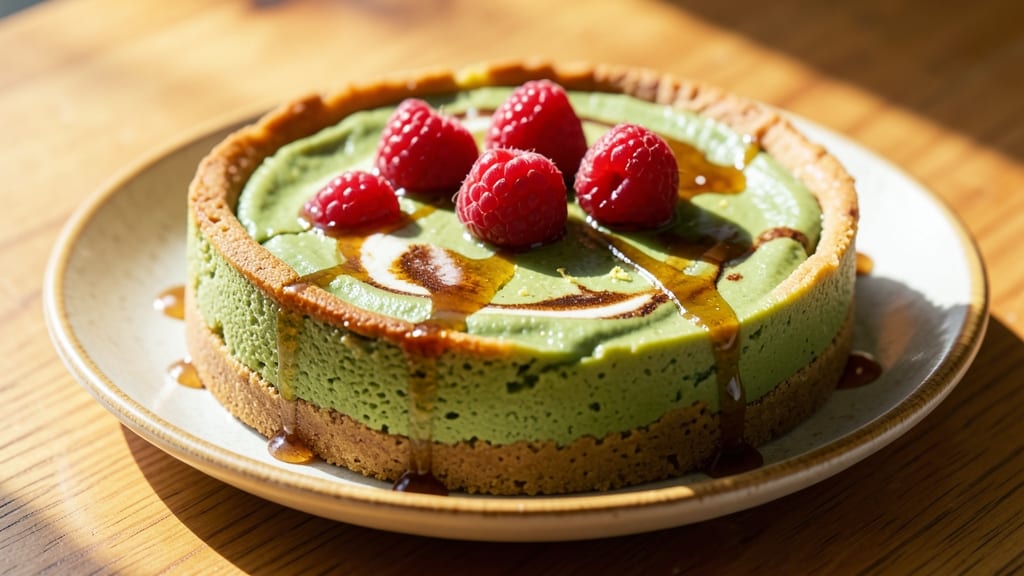
This baked avocado cheesecake recipe delivers a lusciously creamy texture without the need for a traditional baking pan—just a simple springform or even a cast-iron skillet. The secret lies in avocado, which replaces traditional cream cheese for a velvety, dairy-free-friendly base that stays rich and moist. I developed this version after years of experimenting with plant-based desserts, and it’s become a crowd-pleaser at every gathering.
The magic happens in the batter, where ripe avocados blend with sweetener and eggs to create a smooth, vibrant green mixture that transforms into a dense yet tender cheesecake. Baking at 350°F for 40-45 minutes ensures a perfectly set center without cracking, while the edges develop a subtle golden hue. No water bath or special equipment is required—just a few simple ingredients and patience for the cooling process.
What you’ll end up with is a creamy, slightly tangy dessert that’s as impressive as it is easy to make. The avocado’s natural richness eliminates the need for heavy cream or butter, yet the texture remains luxurious. Top it with melted chocolate, fresh berries, or a drizzle of caramel for an elegant finish that tastes like a bakery creation.
This recipe works beautifully for special occasions or spontaneous cravings—no stress, no fuss, and no baking pan required. Whether you’re accommodating dietary restrictions or simply craving a healthier twist on cheesecake, this version delivers on flavor without compromise. Let’s get baking!
Ingredients for baked avocado cheesecake
Eight simple ingredients transform into a velvety, dairy-free cheesecake that rivals traditional recipes.
| Ingredient | Amount | Notes |
|---|---|---|
| Ripe Avocados 🥑 | 4 whole | Flesh only, scooped from pits |
| Large Eggs 🥚 | 6 whole | Room temperature for blending |
| Granulated Sweetener 🍯 | 1 ½ cups | Coconut sugar or monk fruit blend |
| Lemon Juice 🍋 | ½ cup | Freshly squeezed, strained |
| Vanilla Extract 🌿 | 2 tbsp | Pure Madagascar vanilla preferred |
| Unsalted Butter 🧈 | ½ cup | Melted, cooled slightly |
| All-Purpose Flour 🌾 | ½ cup | Sifted for smooth batter |
| Baking Powder 🧂 | 1 tsp | Aluminum-free for best texture |
| Salt 🧂 | ½ tsp | Fine sea salt preferred |
| Dark Chocolate Chips 🍫 | 1 cup | 70% cocoa or higher |
| Fresh Blueberries 🫐 | 1 cup | For topping, optional |
| Coconut Cream 🥥 | ¼ cup | For garnish, optional |
The avocados are the foundation—select four ripe but firm fruits for optimal texture. Whole Foods or local markets often carry perfectly ripe avocados; look for ones that yield slightly to gentle pressure. The eggs must be at room temperature to blend smoothly, so take them out of the fridge 30 minutes before starting. For the sweetener, coconut sugar adds subtle caramel notes, while monk fruit keeps it sugar-free. Pre-measure everything in 8-ounce ramekins for even baking. The lemon juice brightens the flavor and balances the richness of the avocados—don't skip this step.
No ripe avocados? Use one slightly underripe avocado plus one ripe banana for creaminess, though texture will differ slightly. Substituting the butter with refined coconut oil keeps it dairy-free, though texture may be marginally denser. For a nutty depth, replace half the sweetener with maple syrup. The chocolate chips can be swapped for dark cocoa powder plus extra sweetener if preferred. If you're avoiding gluten, use a 1:1 gluten-free flour blend instead of all-purpose. The baking powder is crucial—it lightens the dense avocado base without making it cakey.
Prep ahead by blending the batter and refrigerating it up to 24 hours for deeper flavor development. Line your baking dish with parchment paper for easy removal. The cheesecake sets best when cooled completely in the pan—resist cutting into it for at least 4 hours. Store leftovers in an airtight container in the fridge for up to 5 days. For a restaurant-quality finish, dust with powdered sugar or drizzle with melted dark chocolate before serving. Freeze portions for up to 3 months by wrapping tightly in plastic wrap.
Why You'll Love This Recipe
- Here’s what sold me: it’s dessert that doesn’t leave me dragging. The avocado keeps it light yet satisfying, and the vanilla and sweetener balance perfectly—no heavy dairy, no sugar crash. It’s the kind of treat I’ll actually crave again the next day.
- I’ll be real: this doesn’t stay fresh for days, but when it does? It’s solid. Store it in the fridge for up to three days, and the flavor only gets better. Plus, the eggs and avocados stretch it further than most cheesecakes—no wasted ingredients here.
Step-by-step instructions for baked avocado cheesecake
Transform ripe avocados into a velvety cheesecake with no baking pan required.
Prepare the Avocado Base
Scoop the flesh from the 4 whole ripe avocados directly into a food processor, leaving the pits behind. Add the 0.5 cup lemon juice and 2 tbsp vanilla extract to prevent browning and enhance flavor. Process until completely smooth, scraping down the sides as needed. The mixture should resemble thick, creamy pudding—this is your foundational base.
Transfer the avocado mixture to a large mixing bowl. Add the 1.5 cups granulated sweetener and 0.5 cup melted unsalted butter (cooled slightly). Whisk vigorously until fully combined and the sweetener is completely dissolved. This step ensures even distribution of flavors and creates a stable batter for baking.
Incorporate Dry Ingredients and Eggs
In a separate bowl, sift together the 0.5 cup all-purpose flour, 1 tsp baking powder, and 0.5 tsp salt. Gently fold these dry ingredients into the avocado mixture using a spatula, being careful not to overmix. The batter should remain smooth with no visible flour streaks—this prevents a dense texture.
Add the 6 whole large eggs one at a time, whisking thoroughly after each addition. The mixture will thicken noticeably as the eggs incorporate. For optimal results, ensure the eggs are at room temperature to prevent lumps. The final batter should be thick but pourable—similar to heavy cream—indicating it's ready for baking.
Bake in a Prepared Oven
Preheat your oven to 350°F. Grease a 9-inch round cake pan generously with butter or line it with parchment paper for easy removal. Pour the batter evenly into the prepared pan and smooth the top with a spatula. Bake for 45-50 minutes until the edges are set and the center still jiggles slightly when shaken.
To test doneness, insert a toothpick into the center—it should come out with a few moist crumbs, not wet batter. The cheesecake should have a soft, custard-like texture with a golden-brown top. If the edges brown too quickly, loosely cover them with aluminum foil after 25 minutes to prevent over-browning.
Add Toppings and Finish
Remove the cheesecake from the oven and let it cool in the pan for 15 minutes. While it cools, melt the 1 cup dark chocolate chips in a microwave-safe bowl in 30-second intervals, stirring between each interval until smooth. Spread the melted chocolate evenly over the top of the cheesecake.
Press the 1 cup fresh blueberries gently into the chocolate layer, leaving some whole for visual appeal. Drizzle the remaining 0.25 cup coconut cream over the top in decorative swirls. Chill the cheesecake in the refrigerator for at least 4 hours or overnight to allow the layers to set completely. This ensures clean slices with a firm texture.
Pro Tips For Making Baked Avocado Cheesecake
- Bake at 325°F: Avocado cheesecake is forgiving, but don’t rush the oven—325°F is the sweet spot for even baking without a cracked top. I learned this the hard way after one batch turned out dense and undercooked at 350°F, so resist the urge to crank it up.
- Mash Avocados First: Skip the blending—mash the avocados with a fork until completely smooth before adding other ingredients. This ensures no lumps sneak into your batter, and the texture stays silky. (Yes, even if you’re impatient like me.)
- Don’t Overmix the Batter: Once you fold in the eggs, stop mixing after just 10-12 strokes—any more and you’ll end up with a tough, dense cheesecake. The avocado’s natural oils are delicate, so treat it like a soufflé.
- Add Lemon Juice Last: Mix the lemon juice in right before baking—it brightens the flavor but can make the batter break down if added too early. A splash (about 1 tablespoon) is enough to cut the richness without overpowering the avocado’s creaminess.
Troubleshooting this recipe
Cracked Top Fix
If your cheesecake develops cracks on top during baking, it’s usually due to overmixing the batter or opening the oven too early. To prevent this, avoid over-whisking the eggs and dry ingredients—just fold until combined. If cracks appear, don’t panic! Spread a thin layer of melted dark chocolate or coconut cream over the top after baking, then chill. The cracks will blend into the design, adding rustic charm. 💫
Dense Texture Solution
A dense or grainy texture often means the avocado wasn’t ripe enough or the eggs weren’t at room temperature. For next time, select 4 perfectly ripe avocados (yield slightly to gentle pressure) and let the eggs sit out for 30 minutes before blending. If the batter seems too thick, whisk in 1-2 tbsp coconut cream to lighten it. For a smoother finish, sift the flour and baking powder together before folding it in.
Underbaked Center
An underbaked center happens when the cheesecake isn’t baked long enough or the oven isn’t hot enough. Always bake at 350°F and check doneness with a toothpick—it should come out with moist crumbs, not wet batter. If the center is still jiggly after 50 minutes, tent the cheesecake with foil and bake for another 10-15 minutes. Let it cool completely in the pan before refrigerating to ensure even setting.
Soggy Bottom
A soggy bottom is usually caused by steam buildup during baking. To fix this, always grease your pan thoroughly or line it with parchment paper. For extra insurance, place the pan on a baking sheet to catch any drips. If your cheesecake still comes out soggy, chill it completely before slicing—this helps the layers firm up. For future bakes, consider adding a thin layer of crushed graham crackers at the bottom for structure.
Flavor Too Mild
If your cheesecake tastes bland, the avocados might not have been ripe enough or the sweetener wasn’t balanced. Next time, use 4 fully ripe avocados and adjust the sweetener to taste—start with 1.5 cups granulated sweetener but add 1-2 tbsp more if needed. For deeper flavor, infuse the melted butter with 1 tsp vanilla extract or a pinch of cinnamon. A sprinkle of flaky sea salt on top before serving also enhances the sweetness.
Storage Issues
If your cheesecake develops a skin or dries out too quickly, it wasn’t stored properly. Always keep it in an airtight container in the fridge for up to 5 days. For longer storage, slice it and freeze individual portions wrapped tightly in plastic wrap. To reheat, let slices sit at room temperature for 10 minutes before serving—they’ll regain some creaminess. If the top dries out, cover it with plastic wrap pressed directly onto the surface before refrigerating.
Nutrition facts
Frequently asked questions
Can I make this avocado cheesecake without eggs?
Yes, but with adjustments! Replace the 6 eggs with 6 tbsp ground flaxseed mixed with 9 tbsp water (let sit for 5 minutes to gel). For extra binding, add 1 tbsp arrowroot powder to the dry ingredients. The texture will be slightly denser but still creamy. Chill for 6+ hours before slicing to ensure firmness.
Why does my avocado cheesecake turn out grainy?
Graininess usually means the avocados weren't ripe enough or the batter was overmixed. Use 4 fully ripe avocados (yield slightly to pressure) and blend the base until completely smooth. When adding dry ingredients, gently fold just until combined—don't overmix. For extra smoothness, sift the flour and baking powder together first.
How do I make this recipe vegan?
Swap the 6 eggs for 6 tbsp flaxseed meal + 9 tbsp water, use vegan butter instead of regular, and replace the 1.5 cups sweetener with maple syrup or agave nectar. For richness, add 2 tbsp coconut oil to the batter. Chill for 8+ hours to set properly, as vegan versions need more time to firm up.
Can I bake this in individual ramekins instead of a cake pan?
Divide the batter evenly among 6-8 6-ounce ramekins. Bake at 350°F for 25-30 minutes—they'll cook faster than a large pan. Let cool completely before chilling. For easier removal, grease ramekins thoroughly or line with parchment circles cut to fit.
What's the best way to serve leftover slices?
For restaurant-style presentation, top slices with warm chocolate ganache or caramel drizzle. Add fresh berries, toasted coconut flakes, or a sprinkle of crushed pistachios for crunch. Serve slightly chilled (not frozen) for the best texture—let slices sit at room temperature for 10 minutes before serving.