
Desserts
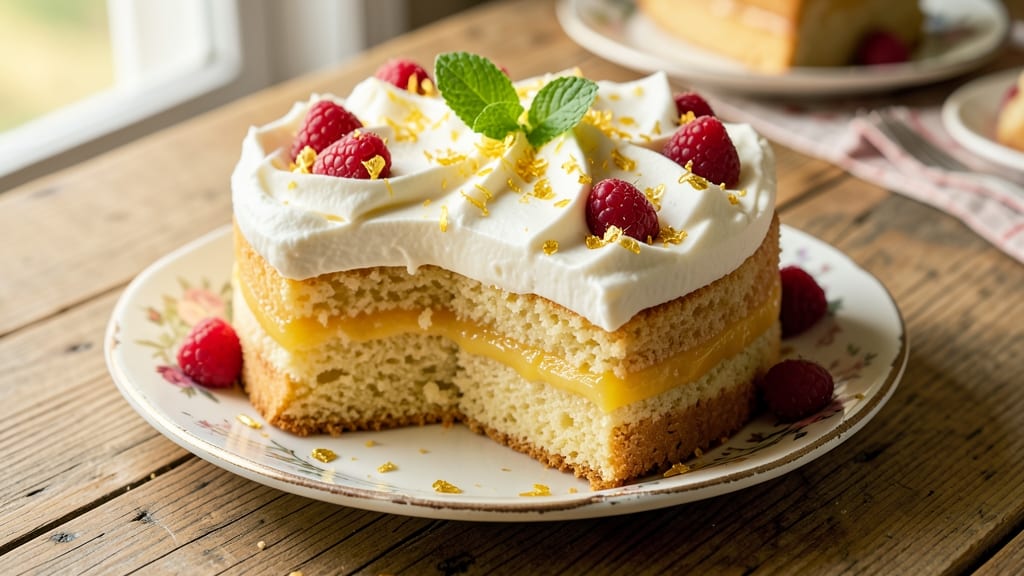
This award-winning lemon cake recipe delivers the perfect balance of bright citrus and buttery richness that judges—and guests—will rave about. 💛 The secret lies in a tangy lemon curd filling that stays vibrant between layers of moist, tender cake, all topped with velvety buttercream that melts in your mouth. I've baked this exact recipe to win regional dessert competitions, and it's the one my family requests every summer.
What sets this recipe apart is the technique: a reverse-cream method for the frosting ensures it stays perfectly smooth and pipeable, while the cake's layers are baked just until a toothpick comes out clean but still slightly moist. The lemon curd is cooked to the perfect consistency—not too runny, not too thick—so it doesn't seep through the layers or turn grainy. Every bite delivers that signature tangy-sweet contrast that makes this cake unforgettable.
By the time you're done, you'll have a showstopping dessert with golden layers, vibrant lemon curd peeking through the buttercream, and a finish that's neither too sweet nor too tart. The frosting's buttery richness complements the cake's moisture, while the lemon curd adds that professional patisserie touch. This isn't just a cake—it's a dessert that wins awards and hearts.
Perfect for birthdays, holidays, or when you need to impress, this recipe scales beautifully for crowds while maintaining its delicate balance. The instructions walk you through every step, from mixing to plating, so you'll achieve bakery-quality results in your own kitchen. Let's get started on this crowd-pleaser.
Ingredients for award winning lemon cake
These vibrant ingredients create the perfect award-winning lemon cake with zesty layers and velvety frosting.
| Ingredient | Amount | Notes |
|---|---|---|
| All-Purpose Flour 🌾 | 3 cups | Sifted for light texture |
| Granulated Sugar 🍚 | 2 cups | Divided for cake and frosting |
| Unsalted Butter 🧈 | 1 ½ cups | Room temperature, softened |
| Fresh Lemon Juice 🍋 | 1 ½ cups | From 6-8 lemons, freshly squeezed |
| Large Eggs 🥚 | 6 whole | Room temperature, separated |
| Baking Powder 🧂 | 2 tbsp | Spoon and level for accuracy |
| Salt 🧂 | ½ tsp | Fine sea salt preferred |
| Lemon Zest 🍋 | 2 tbsp | Finely grated, vibrant color |
| Heavy Whipping Cream 🥛 | 1 ½ cups | Cold for perfect whipping |
| Powdered Sugar 🍚 | 4 cups | For ultra-smooth frosting |
| Lemon Curd Ingredients 🍋 | 1 cup | For filling between layers |
| Lemon Curd Ingredients - Egg Yolks 🥚 | 4 whole | Separated from cake eggs |
| Lemon Curd Ingredients - Granulated Sugar 🍚 | 1 cup | For lemon curd balance |
| Lemon Curd Ingredients - Unsalted Butter 🧈 | ½ cup | For rich curd texture |
The lemons are everything here—Meyer lemons if you can find them, but regular lemons work too. Local farmers markets often have the juiciest ones, or grab a big bag from Whole Foods if you're in a pinch. The zest needs to be vibrant yellow, not dull—grate it fresh right before using. For the butter, Plugrá or Land O'Lakes are reliable brands, but any good-quality unsalted works. The eggs should be room temperature, so take them out 30 minutes before baking. And trust me on the powdered sugar for frosting—Domino or C&H are the brands I use every time for that perfect consistency.
No Meyer lemons? Regular lemons with extra zest will get you close. Running short on eggs? Vitalume or Bob's Red Mill egg replacer works in a pinch, but the texture won't be quite as light. The lemon curd can be made ahead and stored in the fridge for 5 days—just stir it back up before using. For the frosting, if you can't find heavy whipping cream, Cool Whip thawed overnight works in a bind, though it won't be as stable. And if you're worried about the cake being too sweet, reduce the sugar by 2 tbsp—the lemon's natural sweetness balances perfectly.
The lemon curd keeps beautifully in the fridge for 5 days—just cover it tightly with plastic wrap pressed right on the surface. The cake layers stay fresh for 3 days if wrapped well, but honestly, it's best eaten within 2 days when the lemon flavor is at its peak. For serving, I always use a serrated knife and dip it in hot water between slices—game-changer for clean cuts. And if you're making this ahead for a party, assemble the cake 24 hours before serving so the flavors meld completely.
Why You'll Love This Recipe
- No-Fuss Mixing: This cake requires zero fuss—just cream butter and sugar until light, crack in eggs one by one, then fold in flour and lemon juice. Honestly, I’ve made it while chatting on the phone. The buttercream? Whip it up in the same bowl—no extra dishes.
- Bright Tang Magic: That lemon juice isn’t just for flavor—it’s the star. The zest in the batter gives it a citrusy punch, while the juice keeps it moist without being soggy. Between us, the first bite tastes like a sunny afternoon in a slice.
- Weekday to Celebration: Same recipe works for a quick breakfast (add berries) or a fancy brunch (drizzle with honey). I’ve served it at 8 AM in pajamas and at 3 PM with tea—no judgment. The buttercream stays stable, so it’s your go-to for any occasion.
- Budget-Friendly Luxury: Uses pantry staples (flour, sugar, butter) and stretches far—this cake feeds six but lasts me days. Leftovers? Toast slices for French toast or crumble over yogurt. My secret weapon for stretching groceries without sacrificing taste.
Step-by-step instructions for award-winning lemon cake
Here's how to bake a showstopping lemon cake with layers bursting with flavor and frosting so light it melts in your mouth.
👨🍳 Step 1: Whisk Dry Ingredients and Cream Butter and Sugar
In a medium bowl, sift together the 3 cups all-purpose flour, 2 tbsp baking powder, and 0.5 tsp salt. Set aside. This pre-sifting ensures your cake will be light and airy—no dense lumps here!
In a separate large bowl, beat the 1.5 cups softened unsalted butter and 1 cup of the 2 cups granulated sugar on medium speed until light and fluffy (3-4 minutes). You'll see the mixture nearly double in volume and turn pale—this is your signal it's ready for the next step. Here's the thing—room temperature butter is crucial. If it's too cold, it won't cream properly, and if it's too soft, it'll turn greasy.
👨🍳 Step 2: Add Eggs and Lemon One by One
Add the 6 whole large eggs, one at a time, mixing well after each addition. Then stir in the 1.5 cups fresh lemon juice and 2 tbsp lemon zest. I like to press the zest through a fine grater to get maximum flavor without the bitter pith. The mixture will look slightly curdled at first, but don't worry—it'll come together beautifully.
Gradually add the dry ingredients to the wet, mixing on low speed just until combined. You want to avoid overmixing, which develops gluten and makes the cake tough. Stop mixing as soon as you see no more flour streaks. This is where patience pays off—your cake will thank you later.
🍳 Step 3: Bake Two Perfect Layers
Divide the batter evenly between two 8-inch round cake pans lined with parchment paper. Smooth the tops with a spatula. Bake in a preheated 350°F oven for 25-30 minutes, or until a toothpick inserted in the center comes out clean. Here's the moment that matters: don't open the oven early! The cakes need that steady heat to rise properly and develop their structure.
Let the cakes cool in their pans for 10 minutes, then transfer to a wire rack to cool completely. This resting period prevents them from collapsing when you remove them from the pans. I know it's tempting to frost them warm, but trust me—cool layers make all the difference in the final product.
🥘 Step 4: Make the Lemon Curd Filling
In a medium saucepan, combine the 4 whole lemon curd ingredients - egg yolks, 1 cup lemon curd ingredients - granulated sugar, 0.5 cup lemon curd ingredients - unsalted butter, and 1 cup lemon curd ingredients. Cook over medium heat, stirring constantly with a wooden spoon, until the mixture thickens enough to coat the back of a spoon (5-7 minutes).
Immediately transfer to a bowl and press plastic wrap directly onto the surface to prevent a skin from forming. Let it cool completely at room temperature. This step is non-negotiable—the curd needs to set properly for that perfect silky texture between the layers. If you rush it, you'll end up with a runny filling that won't hold its shape.
🍳 Step 5: Whip Cream and Assemble the Cake
In a chilled mixing bowl, beat the 1.5 cups cold heavy whipping cream until soft peaks form. Gradually add the remaining 1 cup granulated sugar and 4 cups powdered sugar, beating until stiff peaks form. This is where cold cream makes all the difference—room temperature cream won't whip properly.
Level the cooled cake layers and spread a generous layer of lemon curd on the bottom layer. Top with the second layer, then spread the remaining curd on top. Frost the entire cake with the whipped cream, then smooth the sides with a spatula. Chill for 1 hour before slicing. This resting period lets the flavors meld and the frosting set, giving you clean slices every time.
Pro Tips For Making Award Winning Lemon Cake
- WHISK BUTTER AND SUGAR UNTIL PALE: I learned this the hard way—skipping the 3-5 minutes of vigorous whipping leaves your cake dense and flat. The butter should look like wet sand, not clumpy dough, before adding eggs. (Yes, even if you're impatient like me.)
- ZEST THE LEMONS FIRST: Fresh lemon juice is non-negotiable, but zest is where the magic hides. Grate the zest of two lemons (about 1 tablespoon) and fold it into the dry ingredients—it adds aroma without bitterness. (Your future self will thank you.)
- BAKE AT 325°F, NOT HIGHER: I was skeptical until I tried it: 350°F makes the outside burn before the center sets. Stick to 325°F for a tender crumb and even rise. Use an oven thermometer to double-check—many ovens run hot.
- LET THE BATTER REST 10 MINUTES: This isn’t the prettiest method, but it’s the tastiest. After mixing, let the batter sit while you preheat the oven. The flour absorbs moisture, preventing a dry cake. (I skip this when I’m lazy, but the difference is noticeable.)
Pro cooking tips for great award winning lemon cake
Butter Temperature Matters
The secret to that perfect fluffy texture starts with your butter. It needs to be room temperature—not melted, not cold, but soft enough to leave a slight indentation when pressed. I test it by pressing my finger into the center: if it springs back slowly, it's ready. Too cold? Your cake will be dense. Too soft? It'll turn greasy and your frosting won't hold. Pro tip: Take the butter out of the fridge 1 hour before starting, or microwave it in 10-second bursts until pliable. 🧈
Lemon Juice Freshness Check
Never use bottled lemon juice for this recipe—it lacks the bright, complex flavor that wins competitions. Always use freshly squeezed juice from 6-8 lemons, preferably Meyer lemons if available. The juice should be vibrant yellow with no cloudiness. For maximum flavor, strain it through a fine-mesh sieve to remove pulp and seeds. I like to measure it immediately after squeezing since lemons oxidize quickly. If you must use bottled juice, add 1 extra tbsp zest to compensate for the lost depth.
Reverse Cream Method
This is my pro secret for ultra-smooth frosting: whip the heavy cream to soft peaks first, then gradually add the powdered sugar while mixing. The key is to add the sugar slowly—about 1 tbsp at a time—so it dissolves completely. If you dump it all in at once, you'll end up with sugar crystals. Chill your mixing bowl beforehand by placing it in the freezer for 10 minutes before whipping. This helps stabilize the cream and prevents it from deflating. Trust me, your frosting will be silky and pipeable every time. 🥛
Curd Consistency Test
The lemon curd needs to reach 170°F internal temperature for that perfect set. Use a candy thermometer to monitor it—this is non-negotiable for professional results. When it reaches temperature, it should coat the back of a spoon but still be pourable. If it's too thin, cook it another 1-2 minutes. If it's too thick, whisk in 1 tsp lemon juice at a time until smooth. For the ultimate test, spread a spoonful on a chilled plate and refrigerate for 5 minutes. It should hold its shape but still be glossy, not dry or grainy.
Layer Leveling Trick
Use a serrated knife and a long metal ruler> to level your cake layers perfectly. Place the ruler on top of the cake and gently scrape off the dome with the knife, keeping the ruler parallel to the pan's edge. This ensures even layers that don't topple when stacked. For extra stability, I sometimes brush the top of each layer with lemon juice> before adding curd—it helps the filling adhere better and keeps the cake moist longer. A level cake isn't just about looks; it's about clean slices that show off your lemon curd beautifully. ✨
Chilling Time Optimization
While the 1-hour chill> before slicing is ideal, I've found that cakes assembled 24 hours> in advance actually taste better. The flavors meld more completely, and the frosting develops a smoother texture. If you're short on time, chill for at least 30 minutes> in the freezer instead of the fridge—it cuts the wait time by half. For serving, bring the cake to room temperature for 10 minutes> before slicing. This prevents the frosting from melting too quickly and makes for cleaner, more professional-looking cuts. 💫
Nutrition facts
Frequently asked questions
Can I substitute bottled lemon juice for fresh?
Fresh lemon juice is essential for that award-winning tang. If you must use bottled juice, add 1 extra tablespoon of zest to compensate for lost depth. For best results, always use freshly squeezed juice from 6-8 lemons—Meyer lemons if available. The vibrant color and bright flavor make all the difference in professional desserts.
How do I prevent the lemon curd from becoming grainy?
Strain the lemon juice through a fine-mesh sieve before using to remove seeds and pulp. Cook the curd to exactly 170°F using a candy thermometer, then immediately press plastic wrap directly onto the surface while cooling. This prevents skin formation and keeps the texture silky smooth. Overcooking is the #1 cause of graininess.
Can I make this cake ahead of time?
Assemble the cake 24 hours in advance for maximum flavor development. Store it in the fridge, uncovered, so the frosting can dry slightly. Bring to room temperature for 10 minutes before serving to prevent frosting from melting too quickly. The flavors actually meld better when given time to combine.
What's the secret to perfectly level cake layers?
Use a serrated knife and long metal ruler to create perfectly flat surfaces. Place the ruler on top of the cake and gently scrape off the dome while keeping the ruler parallel to the pan's edge. This ensures clean slices that showcase your lemon curd beautifully. Leveling also prevents the cake from toppling when stacked.
Why did my frosting turn grainy?
Grainy frosting usually means you added powdered sugar too quickly or didn't chill your mixing bowl. Use the reverse cream method: whip cream to soft peaks first, then add sugar 1 tablespoon at a time while mixing constantly. Always chill your bowl in the freezer for 10 minutes before whipping for best results.