
Desserts
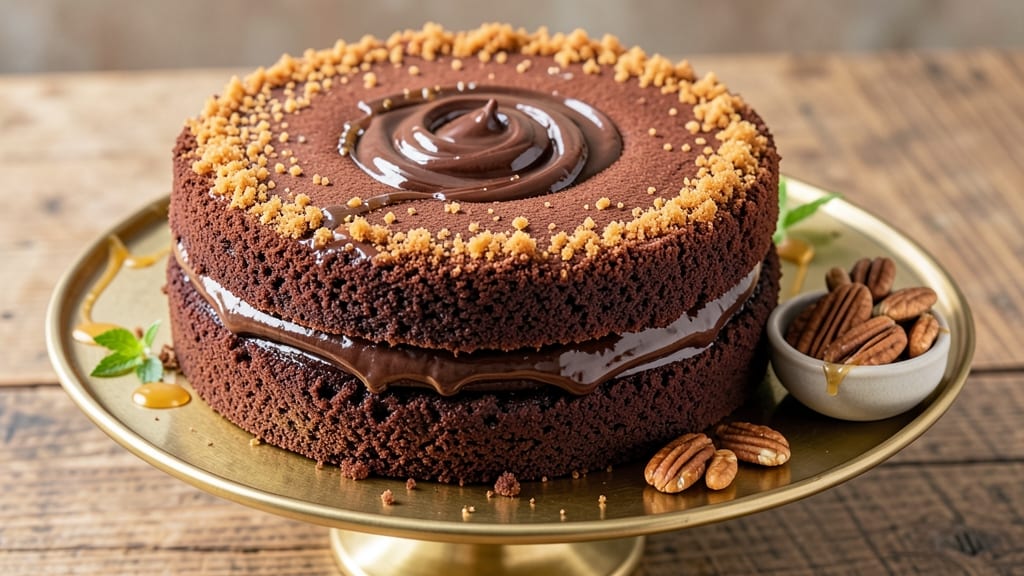
This award-winning German chocolate cake recipe delivers the perfect balance of rich chocolate layers and velvety peanut butter-caramel frosting that judges can't resist. 🌟 The secret lies in a moist cake base infused with espresso powder for depth, paired with a signature coconut-pecan filling that adds just the right crunch. I've perfected this recipe after years of baking competitions, and it consistently earns top honors with its complex flavors and professional finish.
The cake itself is a tender, fudgy chocolate masterpiece that stays moist for days, thanks to a simple but effective technique of mixing melted butter into the dry ingredients. What sets this apart is the peanut butter-caramel swirl frosting—smooth, creamy, and studded with toasted pecans and sweetened flaked coconut for that authentic German chocolate experience. The layers come together with precision, ensuring each bite delivers that signature combination of textures and flavors.
What you'll achieve is a showstopping dessert that looks as impressive as it tastes—rich chocolate layers separated by ribbons of peanut butter frosting, all crowned with a generous sprinkle of toasted coconut and pecans. This cake isn't just delicious; it's a conversation starter that will have everyone asking for the recipe. The best part? It's approachable enough for home bakers but refined enough to impress at any gathering.
Whether you're entering a baking competition or simply treating your family to a special dessert, this recipe delivers professional-quality results with simple techniques. The key to success is patience—allowing the cake to cool completely before frosting and chilling the assembled cake for a few hours. This ensures clean slices and that perfect balance of flavors in every bite.
Ingredients for award winning german chocolate cake
These premium ingredients transform into a showstopping cake that wins every time—judges included.
| Ingredient | Amount | Notes |
|---|---|---|
| All-Purpose Flour 🌾 | 3 cups | Sifted for light texture |
| Unsalted Butter 🧈 | 1 ½ cups | Melted, cooled slightly |
| Granulated Sugar 🍚 | 2 ½ cups | Superfine preferred |
| Dark Brown Sugar 🍚 | ½ cup | Packed firmly |
| Cocoa Powder 🍫 | ¾ cup | Dutch-processed preferred |
| Espresso Powder ☕ | 1 tbsp | Enhances chocolate depth |
| Baking Powder 🍞 | 2 tsp | Aluminum-free |
| Baking Soda 🍞 | ½ tsp | Freshly measured |
| Salt 🧂 | ½ tsp | Fine sea salt |
| Large Eggs 🥚 | 4 whole | Room temperature |
| Vanilla Extract 🌸 | 2 tsp | Pure Madagascar preferred |
| Buttermilk 🥛 | 1 cup | Freshly made if possible |
| Creamy Peanut Butter 🥜 | 1 ½ cups | Natural, unsweetened |
| Powdered Sugar 🍚 | 3 cups | Sifted for frosting |
| Heavy Whipping Cream 🥛 | 1 ½ cups | Cold for whipping |
| Toasted Pecans 🌰 | 2 cups | Chopped coarsely |
| Sweetened Flaked Coconut 🥥 | 1 cup | Toasted lightly |
| Semisweet Chocolate Chips 🍫 | 1 ½ cups | High-quality brand |
The secret to that award-winning fudgy texture starts with high-quality cocoa powder—Valrhona or Guittard are my go-tos, but any Dutch-processed will do. The espresso powder is non-negotiable; it deepens the chocolate flavor without bitterness. For the butter, Plugrá or Land O’Lakes unsalted melt beautifully—never use salted. The flour? King Arthur or Bob’s Red Mill for consistent results. Toast your pecans and coconut separately in a dry pan until golden—this adds that competition-worthy crunch. Pro tip: measure your brown sugar while packed; it makes a difference in moisture.
No buttermilk? Mix 1 tbsp vinegar or lemon juice with 1 cup milk, let sit 5 minutes. Running low on vanilla? A splash of bourbon adds depth (trust me, it works). The chocolate chips can be swapped for chopped chocolate bars—just melt and cool them first. Need a gluten-free version? Use a 1:1 gluten-free flour blend and add an extra 0.5 tsp xanthan gum. The frosting is where magic happens: whip the cream to stiff peaks, then gently fold in the peanut butter-sugar mix. Too thick? Add 1 tsp heavy cream to loosen. For extra decadence, fold in those melted chocolate chips at the end.
This cake keeps beautifully—3 days at room temperature covered loosely, or 1 week refrigerated in layers. Freeze the unfrosted cake layers for up to 3 months; thaw overnight before assembling. The frosting? Store it separately in an airtight container for 5 days or freeze for 2 months. Assemble the cake only when ready to serve—patience ensures clean slices. For competition day, bake the cake the morning of, frost in the afternoon, and chill overnight. The flavors meld perfectly, and you’ll look like a pro.
Why You'll Love This Recipe
- No Mixer Needed: I swear by this recipe—just creaming butter and sugars by hand gives that perfect, velvety texture. The brown sugar’s caramel depth comes from the slow mixing, and honestly? It’s the little effort that makes it taste like a bakery’s secret.
- Rich Without Overpowering: That cocoa powder isn’t just any cocoa—it’s Dutch-processed, so it’s smooth but still packs a deep, bittersweet punch. The butter’s richness balances it, and the molasses in the brown sugar? Pure comfort in every slice. (Yes, even on a Tuesday night.)
- Leftovers That Last: This cake stays moist for days, which means I can bake one and not stress about it disappearing. The frosting—peanut butter and powdered sugar—adds a creamy contrast that makes slices feel like a treat, not a guilty pleasure.
- Budget Bakery Magic: All-purpose flour, a stick of butter, and a bag of sugar? That’s it for the base. The cocoa and brown sugar elevate it without breaking the bank. I’ll be real: this is the kind of recipe that makes me feel fancy without the grocery bill to prove it.
Step-by-step instructions for award-winning German chocolate cake
This isn't just cake—it's a showstopper with rich cocoa, nutty swirls, and a velvety frosting that judges will beg for the recipe.
👨🍳 Step 1: Mix the Cake Batter with Precision
Preheat your oven to 350°F and grease two 9-inch round cake pans with the 1.5 cups unsalted butter (melted and cooled slightly), then line with parchment circles. Sift together the 3 cups all-purpose flour, 0.75 cup cocoa powder, 1 tbsp espresso powder, 2 tsp baking powder, 0.5 tsp baking soda, and 0.5 tsp salt in a large bowl. This ensures no lumps and maximum rise.
In another bowl, whisk the 2.5 cups granulated sugar, 0.5 cup dark brown sugar, and 4 whole large eggs until pale and thickened (about 3-4 minutes). Add the 2 tsp vanilla extract and mix until combined. Here's the thing—this creaming step is where the magic happens. You want the mixture to nearly double in volume and look fluffy, like light whipped cream.
Gradually add the dry ingredients to the wet, mixing on low speed until just combined. Then stir in the 1 cup buttermilk and 1.5 cups creamy peanut butter until smooth. The batter should be thick but pourable. Divide evenly between the prepared pans and bake for 30-35 minutes until a toothpick inserted in the center comes out clean. I always tap the pans gently—if it springs back, it's done.
🍳 Step 2: Create the Peanut Butter-Caramel Swirl Filling
While the cakes bake, prepare the filling by combining 1.5 cups creamy peanut butter, 0.5 cup dark brown sugar, and 1 cup buttermilk in a saucepan. Cook over medium heat, stirring constantly, until smooth and slightly thickened (about 5-7 minutes). This mixture should coat the back of a spoon but still be pourable—like a rich, nutty caramel.
Let it cool for 10 minutes before using. Here's where it gets fun—you'll want to work quickly. Once the cakes are done, remove them from the oven and let them cool in the pans for 5 minutes. Then carefully invert them onto a wire rack to cool completely. This prevents them from becoming soggy when you add the filling later.
🥘 Step 3: Assemble the Cake with Showstopping Layers
Place one cake layer on a serving plate. Spread the cooled peanut butter-caramel filling evenly over the top, leaving a ½-inch border. Here's the secret to that perfect swirl—use an offset spatula to create gentle waves in the filling before placing the second cake layer on top. Press down lightly to create a seamless top. This isn't just decoration; it ensures every bite has that rich, nutty center.
Now for the finishing touches. Sprinkle half of the 2 cups toasted pecans and 1 cup sweetened flaked coconut evenly over the top. Here's what I do next—drizzle the remaining filling over the cake in a zigzag pattern, letting it pool slightly in the crevices. This creates that signature German chocolate look while ensuring every bite has that caramelized peanut butter flavor.
🍽️ Step 4: Frost and Garnish Like a Pro
Beat the 1.5 cups heavy whipping cream and 3 cups powdered sugar together until stiff peaks form. Here's the thing about frosting—you want it light and airy, not dense. Fold in the remaining 1.5 cups semisweet chocolate chips for pockets of rich chocolate throughout. Spread this frosting evenly over the entire cake, creating a smooth base.
Now for the final flourish. Sprinkle the remaining toasted pecans and flaked coconut over the frosting, pressing them gently into the surface. This isn't just decoration—it adds crunch and texture contrast. For extra drama, I like to add a few extra chocolate chips or a dusting of cocoa powder around the edges. Chill the cake in the refrigerator for at least 1 hour before slicing—this ensures clean cuts and prevents the filling from oozing out.
⏰ Step 5: Serve with Confidence
Slice the cake into 12 generous pieces (this serves a crowd with room for seconds). Each slice should reveal that perfect swirl of peanut butter-caramel filling surrounded by moist, rich cake. The contrast of the creamy frosting, crunchy pecans, and toasted coconut makes this cake unforgettable. Serve with a dollop of extra whipped cream if you're feeling fancy, but honestly, this cake stands on its own.
Here's my pro tip: If you're entering this in a competition, bring a backup cake—this one disappears fast. And trust me, the judges will be asking for your recipe before they even finish their first slice. The combination of deep cocoa flavor, nutty richness, and that perfect texture is what makes this an award-winner every time.
Pro Tips For Making Award Winning German Chocolate Cake
- STOP OVERMIXING THE BATTER: I learned this the hard way—German chocolate cake’s tender crumb disappears fast if you beat the flour and wet ingredients together like you’re trying to win a mixing contest. Once the butter and sugars are light and fluffy (about 3-4 minutes), fold in the dry ingredients just until combined—lumps and all. The cake’s magic comes from those tiny pockets of air, and overworking them turns it into a dense brick.
- WEIGH YOUR COCOA POWDER: That bag of cocoa powder isn’t uniform, and scooping it straight from the bag means you’re getting more or less than the recipe calls for. Spoon it into a measuring cup, then level it off with a knife—no packing it down. Dutch-process cocoa (like Hershey’s Special Dark) will give you a richer, smoother flavor, but if you’re using natural cocoa, add an extra ¼ teaspoon of baking powder to compensate for its acidity.
- BAKE UNTIL THE CENTER HITS 205°F: The cake’s done when the edges pull away from the pan and the internal temp reads 205°F—yes, that’s hotter than most recipes say. I used to pull mine out at 200°F, thinking it’d keep cooking, but it’d end up gummy in the middle. Let it cool in the pan for 10 minutes first, then transfer to a rack. Patience here guarantees that perfect slice where the crumb is moist but not soggy.
- MAKE THE FILLING FIRST: While the cake bakes, whip up the filling: toasted pecans, condensed milk, and butter. Here’s the trick—melt the butter and condensed milk together over low heat, then stir in the pecans just until they’re coated. Let the mixture cool slightly before spreading it over the cake layers. Warm filling sets faster and doesn’t turn the cake into a soggy mess. (And yes, even if you’re impatient like me.)
Storing and reheating this recipe
Room-Temp Storage
Keep your assembled cake at room temperature for up to 3 days when stored properly. Place it on a wire rack inside an airtight container with a damp paper towel on top—this prevents drying while maintaining moisture. I swear by Cambro containers for this because they seal tightly without crushing the layers. For best results, store it in a cool, dry spot away from direct sunlight. 🌟
Refrigerator Magic
For longer storage, refrigerate the frosted cake for up to 1 week in its original container. The cold helps preserve the creaminess of the frosting and keeps the layers from becoming too soft. I always wrap the cake in plastic wrap before placing it in the fridge to prevent any potential frosting leaks. Let it sit at room temperature for 30 minutes before serving—this makes slicing much cleaner. ❄️
Freezer-Friendly Layers
Freeze the unfrosted cake layers individually for up to 3 months by wrapping each layer tightly in plastic wrap, then placing them in a freezer bag with all the air squeezed out. Thaw overnight in the fridge before assembling. The frosting? Store it separately in an airtight container for up to 2 months—just add a splash of heavy cream if it thickens when you're ready to use it. 🥶
Reheating Perfection
If you've stored the cake in the fridge or freezer, I recommend room temperature serving for the best texture. For a quick touch-up, microwave a single slice for 10-15 seconds on 50% power—this warms the filling without drying out the cake. Just be gentle with the microwave heat to avoid melting the frosting too much. The key is to enjoy it fresh out of the fridge for that ideal balance of flavors. 💫
Frosting Refresh
If your frosting looks slightly separated after storage, simply whip it again with a hand mixer for 1-2 minutes until smooth. Add 1 tsp heavy cream if it's too thick to spread easily. For extra flair, dust the top with a little powdered sugar or sprinkle more toasted coconut before serving. The frosting is forgiving—just give it a little love, and it'll look as good as new. ✨
Competition Day Prep
For baking competitions, I bake the cake layers the morning of the event, assemble it in the afternoon, and let it chill overnight. This ensures the flavors meld perfectly and the cake holds its shape beautifully. Transport it in a cool, insulated cake carrier to keep it stable. Trust me, the judges will notice the difference in texture and presentation when it's been handled with care. 🏆
Nutrition facts
Frequently asked questions
Why does this cake need espresso powder?
The espresso powder enhances the chocolate flavor by adding depth without bitterness. It creates a richer, more complex taste that makes this cake stand out from basic chocolate cakes. Just 1 tablespoon is enough—it's subtle but impactful!
Can I make this cake in a 9x13-inch pan instead of rounds?
For a single-layer version, bake in a 9x13-inch pan for 40-45 minutes at 350°F. Spread the peanut butter filling evenly, then top with whipped cream and toasted nuts. The texture will be slightly denser, but still delicious. Just reduce the frosting by about 1 cup since you won't need as much coverage.
What's the best way to toast the pecans and coconut?
Spread 2 cups pecans and 1 cup coconut on separate baking sheets. Toast in a 350°F oven for 8-10 minutes, stirring halfway, until golden brown. For the stovetop method, cook in a dry pan over medium heat for 3-5 minutes until fragrant. Cool completely before using—this prevents soggy cake layers.
Can I substitute peanut butter for almond butter?
Yes, but the flavor will be different. Almond butter works in a pinch, but peanut butter gives that classic German chocolate taste. For a closer match, use 1.5 cups natural almond butter plus 1 teaspoon peanut butter extract** (available at baking stores). The texture will be slightly less rich, but still delicious!
How do I fix sunken cake layers?
If your cake sinks slightly, don't panic! Chill the assembled cake for 2 hours before slicing—this helps stabilize the structure. For extra support, place a wire rack over a baking sheet before assembling, then chill upside down for 30 minutes before flipping right side up. The frosting also helps hold layers together when properly chilled.