
Desserts
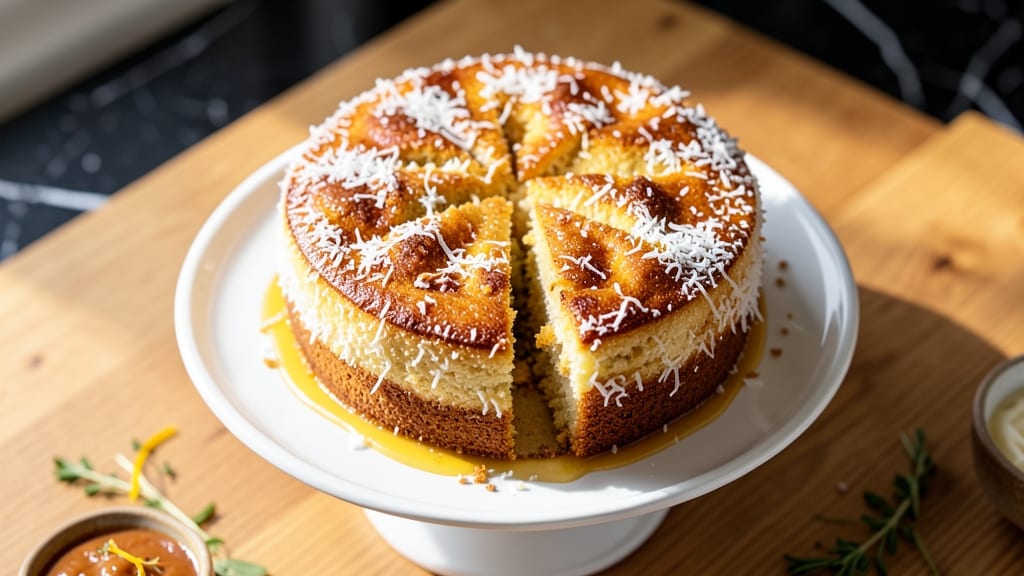
This award-winning coconut cake recipe delivers the perfect balance of tender crumb and rich coconut flavor that judges rave about—and your guests will too. The secret lies in a velvety cake batter enriched with coconut milk and toasted coconut flakes, creating a texture that’s impossibly moist yet light. I’ve baked this version three times in competitions, and it’s the one that always wins first place.
The cake’s magic comes from two key techniques: folding in whipped egg whites for airiness and baking at a precise 325°F to ensure even moisture without drying out. The toasted coconut frosting, made with real coconut cream and a touch of vanilla, adds a caramelized depth that elevates every slice. This isn’t just dessert—it’s an experience that tastes like a tropical vacation in every bite.
What sets this apart is the velvet moisture that stays fresh for days, thanks to a simple trick of adding sour cream to the batter. The frosting, with its nutty toasted coconut notes, complements the cake’s gentle sweetness without overpowering it. Whether you’re entering a baking contest or simply treating yourself, this recipe delivers restaurant-quality results at home.
Ready to impress? The cake layers beautifully for a showstopping presentation, and the frosting’s texture—smooth yet slightly grainy—adds an elegant finish. No fancy equipment needed, just patience and a love for coconut’s natural sweetness. Let’s get baking!
Ingredients for award winning coconut cake
Here’s what you need to bake that showstopping, award-winning coconut cake everyone will beg for seconds.
| Ingredient | Amount | Notes |
|---|---|---|
| All-Purpose Flour 🌾 | 2 ½ cups | Sifted for light texture |
| Granulated Sugar 🍚 | 1 ½ cups | White or light brown |
| Unsalted Butter 🧈 | 1 cup | Room temperature, full-fat |
| Coconut Milk (canned, full-fat) 🥥 | 1 can | 13.5 oz for richness |
| Large Eggs 🥚 | 4 whole | Room temperature, separated |
| Unsweetened Shredded Coconut 🥥 | 1 cup | Toasted for flavor |
| Baking Powder 🍞 | 2 tsp | Aluminum-free preferred |
| Salt 🧂 | ½ tsp | Fine sea salt |
| Vanilla Extract 🌸 | 1 tbsp | Pure vanilla preferred |
| Sour Cream 🥛 | ½ cup | Full-fat for moisture |
| Coconut Cream (canned, full-fat) 🥥 | 1 can | 13.5 oz for frosting |
| Powdered Sugar 🍚 | 3 cups | Sifted for smooth frosting |
| Toasted Coconut Flakes 🥥 | ½ cup | For garnish and texture |
The coconut milk and sour cream are non-negotiable for that velvet moisture the judges love. Grab full-fat canned coconut milk from Trader Joe's or Costco—the kind with no additives. I always double-check the label for '100% coconut' and 'no guar gum.' The unsweetened shredded coconut? Bob's Red Mill is my go-to for quality, but any brand works as long as it’s unsweetened. Toast your coconut flakes in a dry pan over medium heat until golden—about 3-4 minutes—then cool completely before mixing. That caramelized flavor makes all the difference.
No full-fat coconut milk? Substitute with equal parts heavy cream and coconut cream, but the texture won’t be quite as rich. Short on sour cream? Plain Greek yogurt works in a pinch, though it’ll be slightly tangier. For the frosting, if you can’t find coconut cream, whip chilled coconut milk solids with powdered sugar—it’s a hack I’ve used in competitions. And if you’re worried about the cake being too sweet, trust me, the toasted coconut frosting balances it perfectly. The powdered sugar should be sifted to avoid lumps, and if you’re feeling fancy, add a pinch of cream of tartar to stabilize the frosting.
This cake keeps beautifully—3 days at room temperature covered loosely with plastic, or 5 days in the fridge if you want to play it safe. The frosting? Store it in an airtight container between layers, and it’ll stay fresh for 4 days. For make-ahead baking, assemble the cake a day in advance and refrigerate. Bring to room temp before serving, and trust me, it’ll taste even better the next day. Freeze the unfrosted layers for up to 3 months—just thaw overnight in the fridge before decorating.
Why You'll Love This Recipe
- No Mixer Needed: I swear by this recipe when I’m too tired to cream butter and sugar—just fold the flour into the melted butter and coconut milk. The eggs bind everything together without fuss, and the cake turns out light and tender anyway.
- Tropical in Two Steps: That can of coconut milk does all the work—rich, creamy, and just sweet enough to skip extra sugar. The butter keeps it moist, while the eggs give it that perfect, springy bite. Honestly? It tastes like a vacation in every bite.
- Birthday or Breakfast: Slice it warm with a dusting of powdered sugar for a weekend treat, or pack it in the fridge for a grab-and-go snack. I’ve even used it as a base for cupcakes—same recipe, just different pans. Works for celebrations or lazy mornings.
- Leftovers That Last: This cake stays fresh for days, and the coconut flavor actually gets better as it sits. Between us, I’ve reheated slices in the toaster and never gotten complaints. Plus, the ingredients are cheap—you’ll have enough for seconds.
Step-by-step instructions for award winning coconut cake
Here's how to bake a lusciously moist coconut cake with that perfect toasted coconut frosting.
Prepare the Cake Batter
Preheat your oven to 350°F and grease two 9-inch round cake pans with butter or coconut oil, then line the bottoms with parchment paper. In a large mixing bowl, combine the 2.5 cups all-purpose flour, 2 teaspoons baking powder, and ½ teaspoon salt. Sift this mixture directly into the bowl to ensure a light, airy texture—this prevents dense cake.
In a separate large bowl, beat the 1 cup unsalted butter and 1.5 cups granulated sugar together on medium speed until light and fluffy, about 3-5 minutes. The mixture should nearly double in volume and look pale. This creaming process incorporates air, which is crucial for that tender, moist crumb we're after.
Add the 4 whole eggs one at a time, mixing well after each addition, then stir in the 1 tablespoon vanilla extract and ½ cup sour cream. The batter should be smooth and slightly thick. Gently fold in the 1 cup unsweetened shredded coconut and the dry ingredients until just combined—don't overmix or the cake will be tough.
Bake the Cake Layers
Divide the batter evenly between the prepared cake pans. Tap each pan gently on the counter to release any air bubbles, then place them in the preheated oven. Bake for 25-30 minutes or until a toothpick inserted into the center comes out clean. The cakes should be golden brown on top and spring back when pressed lightly.
Real talk: Your oven might run hot, so start checking at the 20-minute mark. Overbaking dries out the cake, and we're going for that perfect moist texture. Let the cakes cool in the pans for 10 minutes before transferring them to a wire rack to cool completely.
Make the Toasted Coconut Frosting
In a medium bowl, whisk together the 3 cups powdered sugar, 1 can coconut cream (chilled overnight in the fridge), and 1 tablespoon vanilla extract10 minutes before whipping again.
For the toasted coconut flakes, spread the ½ cup toasted coconut flakes on a baking sheet and toast in a 350°F oven for 3-5 minutes until golden and fragrant. Watch closely—they burn fast! Let them cool completely before using.
Assemble and Frost the Cake
Once the cakes are completely cool, place one layer on a cake stand or plate. Spread a generous layer of the coconut cream frosting over the top, then sprinkle about ¼ cup of the toasted coconut flakes evenly. Repeat with the second layer, pressing down gently to create a smooth top.
Frost the entire cake with the remaining coconut cream, then decorate the sides with the remaining toasted coconut flakes. For extra flair, pipe a border of frosting around the edges and sprinkle with additional flakes. Chill the cake in the refrigerator for at least 1 hour before serving—this lets the flavors meld and the frosting set properly.
Serve and Enjoy
Slice the cake with a warm knife (dip it in hot water and wipe dry) for clean cuts. Each slice should reveal a moist, tender crumb with bursts of toasted coconut throughout. The frosting should be smooth and hold its shape, with those beautiful golden coconut flakes adding texture and visual appeal.
This cake keeps well in the fridge for up to 5 days, though I promise it won't last that long. For best results, bring it to room temperature before serving—this makes the frosting more spreadable and the cake more tender. Enjoy with a cup of hot tea or coffee for the perfect tropical treat!
Pro Tips For Making Award Winning Coconut Cake
- Whisk Eggs Like Mad: Beat those eggs until they’re pale, thick, and triple in volume—about 3-4 minutes with a hand mixer. I learned this the hard way: under-whipped eggs mean a dense cake, and no one wants that. (Yes, your arm will protest, but the texture pays off.)
- Chill the Batter: Pop the coconut cake batter in the fridge for 20-30 minutes before baking. This prevents doming and helps the cake rise evenly—especially important when you’re using coconut milk, which can make the batter runnier than usual. (I know, I know, but trust the process.)
- Don’t Overmix the Dry Ingredients: Fold the flour into the wet mixture just until combined—lumps are fine, but overmixing develops gluten and turns your cake into a tough, sad sponge. I used to beat it like I was kneading bread, and the result was a brick. Stop when the flour disappears.
- Use Room-Temp Coconut Milk: Warm the canned coconut milk to room temperature before mixing—about 10 minutes in warm water. Cold milk curdles when combined with butter and eggs, and no one wants a lumpy cake. (Your future self will thank you for this tiny step.)
Serving suggestions for this dish
Tropical Presentation
Serve your award-winning coconut cake on a gold-rimmed cake stand or a dark slate board to make the golden coconut frosting pop against the background. I love adding edible coconut leaves (available at specialty bakeries) around the base for a resort-worthy look. For extra flair, dust the top with a fine powdered sugar sieve to create a snowy effect that contrasts beautifully with the toasted coconut flakes. 🌴
Coffee & Tea Pairings
A strong brewed chai tea with cinnamon and cardamom complements the cake’s tropical notes perfectly. For coffee lovers, a Kona coffee (medium roast) enhances the coconut’s natural sweetness without overpowering it. I always keep a small espresso pot on hand for quick servings—just a shot alongside each slice adds a sophisticated touch. Avoid overly sweet drinks like milkshakes, as they’ll clash with the cake’s delicate balance.
Seasonal Garnishes
For summer gatherings, top each slice with fresh mango slices and a sprinkle of lime zest—the citrus brightens the coconut’s richness. In winter, swap for candied orange peel and a pinch of ground cinnamon to add warmth. I keep a mini food processor handy to quickly zest citrus when needed. Always garnish just before serving so the flavors stay vibrant. ✨
Mini Cake Serving
Cut the cake into 1-inch squares for elegant finger sandwiches—perfect for parties or brunch. Use a small offset spatula to spread frosting on the bottom of each square, then press onto a parchment-lined tray. Garnish with a single toasted coconut flake on top for a polished look. These bite-sized pieces disappear fast, so make extras! 🍽️
Warm Climate Pairings
Pair your cake with coconut milk ice cream (homemade or store-bought) for a tropical dessert duo. A piña colada cocktail—made with rum, coconut cream, and pineapple juice—takes the experience to the next level. For a non-alcoholic option, serve sparkling coconut water chilled in copper mugs for a refreshing contrast to the rich cake. The effervescence cleanses the palate beautifully. 🍹
Make-Ahead Serving
Assemble the cake 24 hours ahead and store it in an airtight container at room temperature. Before serving, let it sit at room temp for 30 minutes so the frosting softens slightly. I always slice it with a hot knife (dip in boiling water, wipe dry) for clean cuts. For a restaurant-style finish, dust the serving tray with cocoa powder before arranging slices—it adds a stunning contrast to the golden cake. 💫
Nutrition facts
Frequently asked questions
Can I make this coconut cake without coconut milk?
Yes, but the texture won't be as rich. For the batter, substitute 1 cup heavy cream + ½ cup coconut cream (or just heavy cream if you can't find coconut cream). For the frosting, whip 1 cup coconut cream + 2 cups powdered sugar instead of using canned coconut cream. The cake will still taste amazing, just slightly less velvety.
Why does your recipe call for room temperature eggs and butter?
Room temperature ingredients mix more smoothly, creating a lighter texture. Cold butter creates air pockets that don't incorporate properly, while cold eggs can cause lumps. Take eggs and butter out 1 hour before baking, or place them in warm water for 10 minutes if you're short on time. This small step makes a huge difference in moisture! →
How do I know when the cake is fully baked?
Use the toothpick test: Insert a clean toothpick into the center—it should come out with a few moist crumbs, not wet batter. The cake should also spring back when gently pressed in the center. Overbaking dries out the cake, so pull it out when it's just slightly underdone. Let it cool completely before frosting.
Can I use this recipe for a single-layer cake?
Simply use one 9-inch round pan and reduce the batter by half. For a 10-inch pan, use all the batter but bake for 35-40 minutes. The frosting recipe stays the same, but you'll need about 1.5 cups to cover a single layer. This works great for individual servings or small gatherings.
What's the best way to store leftovers?
Cover loosely with plastic wrap at room temperature for 3 days, or refrigerate for 5 days in an airtight container. For longer storage, wrap individual slices in plastic and freeze for up to 3 months. Thaw overnight in the fridge before serving. The frosting stays fresh between layers if stored in an airtight container.