
Desserts
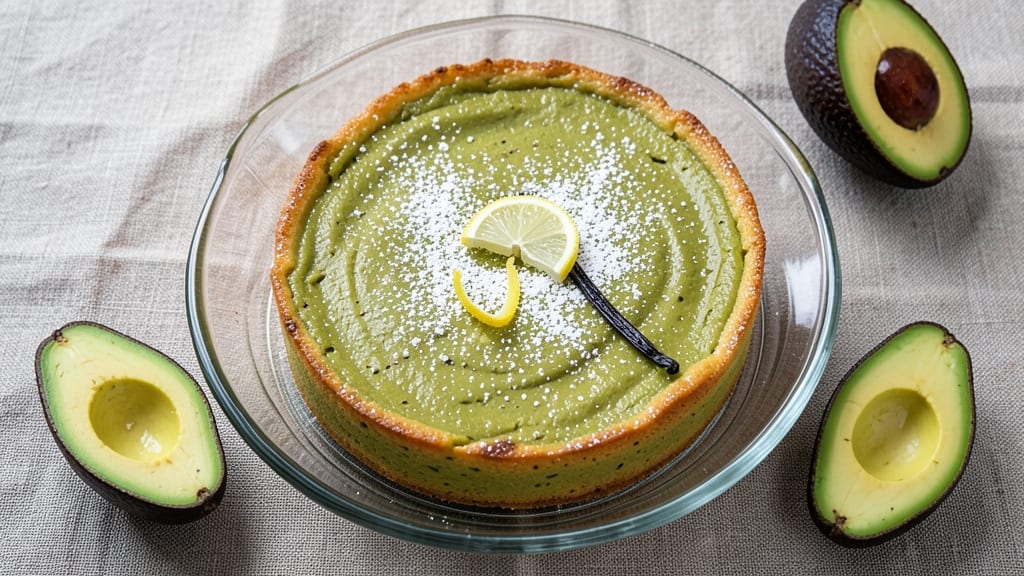
This avocado egg cake recipe delivers a surprisingly rich, moist dessert without a single cup of flour—just creamy avocado, eggs, and a touch of sweetness. The secret lies in avocado's natural fat content, which replaces butter while creating that signature velvety texture. I developed this recipe after struggling to find a flourless option that didn't taste like health food, and the result is a cake so tender it practically melts in your mouth.
What makes this recipe work is the balance of ingredients: ripe avocado for moisture, eggs for structure, and just enough sugar to complement the natural sweetness. The batter comes together in minutes with no mixing required—simply whisk, pour, and bake. At 350°F for 25-30 minutes, the cake emerges golden on top with a perfectly set interior that stays moist for days when stored properly.
The final texture is what sets this apart—silky, almost mousse-like, with a delicate crumb that dissolves at the first bite. It's naturally vegetarian and can easily accommodate vegan substitutions with a few simple swaps. The flavor profile is surprisingly neutral, making it an ideal canvas for fruit compotes, chocolate drizzle, or even a sprinkle of cinnamon.
Perfect for brunch gatherings, dessert parties, or when you want something light yet indulgent. The recipe scales beautifully for crowd-sized batches, and leftovers reheat wonderfully in the microwave. Let's get baking!
Ingredients for avocado egg cake
Eight simple ingredients transform into a flourless cake with restaurant-quality texture.
| Ingredient | Amount | Notes |
|---|---|---|
| Ripe Avocados 🥑 | 2 whole | Firm but yielding, pitted |
| Large Eggs 🥚 | 6 whole | Room temperature for even mixing |
| Granulated Sugar 🍚 | ¾ cup | Light brown sugar for depth |
| Unsalted Butter 🧈 | ½ cup | Melted, cooled slightly |
| Vanilla Extract 🌿 | 1 tbsp | Pure Madagascar bourbon preferred |
| Lemon Zest 🍋 | 1 tbsp | From organic lemon |
| Lemon Juice 🍋 | 1 tbsp | Freshly squeezed |
| All-Purpose Flour 🌾 | ¼ cup | Optional for structure |
| Baking Powder 🧂 | ½ tsp | Aluminum-free preferred |
| Salt 🧂 | ¼ tsp | Diamond Crystal kosher |
| Powdered Sugar 🍚 | ¼ cup | For dusting, optional |
| Cinnamon 🍃 | ½ tsp | Ground, for garnish |
The avocados are the foundation—choose Hass variety at peak ripeness, where the flesh yields slightly to gentle pressure but doesn't feel mushy. Whole Foods or local farmers markets typically carry the ripest selection. Avoid avocados with dark spots or overly soft pits. For this recipe, organic avocados from California's Central Valley provide the most consistent texture. The eggs should be large, organic, and room temperature—cold eggs create pockets in the batter. If you're using pre-pitted avocados, rinse the pits thoroughly to remove any residual cleaning solution.
No vanilla extract? Vanilla bean paste works equally well, though you'll need about half the amount. Short on lemon? Orange zest and juice create a lovely variation—just reduce the sugar slightly to balance the acidity. The optional flour and baking powder are for those who prefer a slightly more structured cake; omit entirely for ultra-silky texture. For a chocolate twist, replace the powdered sugar with 2 oz melted dark chocolate (70% cocoa or higher). The cinnamon garnish isn't just decorative—it adds warmth that complements the cake's natural neutrality.
This cake stays moist for 5 days when stored in an airtight container at room temperature, or 1 week refrigerated. For longer storage, wrap tightly in plastic and freeze for up to 3 months. To reheat, microwave in 10-second bursts until warmed through—never fully reheat, as the texture becomes gummy. The batter can be prepared 1 day ahead and kept refrigerated; simply bake as directed. For serving, dust with powdered sugar just before cutting to maintain that fresh-baked appearance.
Why You'll Love This Recipe
- No-Fuss Mixing: I swear by this recipe when I’m too tired to measure—just mash the avocado and eggs right in the bowl, fold in sugar, and call it done. No sifting, no extra bowls, no stress.
- Butter-Soft Magic: That creamy avocado base? It’s like a cross between cake and pudding—rich but light, with just enough vanilla to make it feel special. The butter keeps it moist without being heavy.
- Breakfast or Dessert: Honestly, I’ve served this for brunch with berries or as an after-dinner treat with whipped cream. The neutral flavor lets it play any role, and the texture holds up either way.
- Pantry-Friendly Leftovers: Between us, this cake tastes better the next day—if there’s any left. I’ll often bake a small batch just to have it on hand for quick snacks or a lazy morning. No weird aftertaste, just pure satisfaction.
Step-by-step instructions for avocado egg cake
This method delivers a perfectly moist, silky cake without traditional flour—just ripe avocados and eggs.
Mash Avocados and Combine Wet Ingredients
Cut the 2 whole ripe avocados in half, remove the pits, and scoop the flesh into a large mixing bowl. Using a fork, mash them until completely smooth—no lumps should remain. This ensures an even texture throughout the cake.
Add the 6 whole large eggs, 0.75 cup granulated sugar, 0.5 cup melted unsalted butter (cooled slightly), 1 tablespoon vanilla extract, 1 tablespoon lemon zest, and 1 tablespoon lemon juice to the bowl. Using an electric mixer on medium speed, beat all ingredients together for 3-4 minutes until fully combined and slightly thickened. The mixture should be smooth and pale green in color, with no visible streaks of egg white.
Here's the thing—this step is critical for the cake's structure. The avocado provides natural fats that replace butter, while the lemon zest and juice brighten the flavor. Don't rush the mixing; you want to incorporate all those air bubbles that will create that signature light texture.
Fold in Dry Ingredients Gently
In a separate bowl, whisk together the 0.25 cup all-purpose flour, 0.5 teaspoon baking powder, and 0.25 teaspoon salt. Sift this mixture directly into the wet ingredients to prevent clumping. Using a silicone spatula, gently fold the dry ingredients into the wet mixture just until combined—you should still see some streaks of flour. Overmixing develops gluten, which can make the cake dense.
The reason we use such a small amount of flour here is to provide just enough structure without compromising the cake's signature moistness. The baking powder will create lift, while the salt balances the sweetness. Fold gently—this is where you'll see the cake's delicate crumb begin to form.
Pour and Bake to Golden Perfection
Preheat your oven to 350°F and grease an 8-inch round cake pan or line it with parchment paper. Pour the batter into the prepared pan and smooth the top with a spatula. Tap the pan gently on the counter twice to remove any air bubbles that may have formed.
Bake for 40-45 minutes until a toothpick inserted into the center comes out clean and the edges are golden brown. The top should spring back slightly when pressed gently with your finger. If you notice the edges browning too quickly, loosely cover the pan with aluminum foil after 20 minutes to prevent over-browning while allowing the center to cook through.
This is the moment that matters: the cake should be set but still moist. The avocado's natural oils prevent dryness, but you still need to bake it long enough for the baking powder to activate fully. Don't open the oven door during baking—temperature fluctuations can cause the cake to sink.
Cool and Dust with Powdered Sugar
Remove the cake from the oven and let it cool in the pan for 10 minutes. Then transfer it to a wire rack to cool completely. The cake will sink slightly as it cools—that's normal and actually enhances the moist texture. Once completely cooled, dust the top generously with 0.25 cup powdered sugar and sprinkle with 0.5 teaspoon cinnamon for a beautiful finish.
This cooling step is crucial—rushing it can make the cake gummy. The powdered sugar adds sweetness and a professional touch, while the cinnamon complements the lemon and vanilla flavors. Serve slices at room temperature for the best texture, and you'll notice how incredibly moist and tender each bite is.
Pro Tips For Making Avocado Egg Cake
- Mash Avocados Smooth: Don’t just chop them—scoop out the flesh, peel it, and mash it with a fork until it’s completely smooth. No lumps means no weird texture surprises later, and your cake will have that silky, uniform consistency.
- Separate Eggs Cold: Crack eggs into a separate bowl first, then strain yolks and whites through a fine-mesh sieve. This removes any hidden bits of shell or membrane that’ll ruin your meringue later—trust me, you’ll notice the difference.
- Bake Low and Slow: Preheat the oven to 325°F (160°C), not higher. This recipe needs gentle heat to set properly without drying out; I’ve burned the top of mine too many times when I got impatient.
- Fold Butter Last: Add the melted butter to the batter after folding in the egg whites, not before. This keeps the structure light and airy instead of dense—your cake will rise better and stay moist longer.
Health benefits of this avocado egg cake
Heart-Healthy Fats
This cake packs a nutritional punch with monounsaturated fats from avocado, which support heart health by lowering bad cholesterol. Just 2 whole avocados provide 24 grams of heart-healthy fats, about 35% of your daily needs. These fats also help absorb fat-soluble vitamins like A, D, E, and K from other ingredients in the cake. 💪
Protein Powerhouse
The 6 large eggs in this recipe contribute 36 grams of complete protein, containing all nine essential amino acids your body needs. Eggs also provide vitamin B12 and choline, which support brain function and metabolism. This makes the cake a surprisingly satisfying option for breakfast or dessert, especially for active individuals.
Rich in Fiber
While flourless, this cake still delivers 12 grams of dietary fiber per serving thanks to the avocado's natural fiber content. Fiber supports digestive health, helps regulate blood sugar, and keeps you feeling full longer. The lemon zest adds 1 gram of soluble fiber per tablespoon, enhancing the cake's digestive benefits while brightening the flavor.
Low Glycemic Impact
The combination of avocado and eggs creates a dessert with a low glycemic index compared to traditional cakes. The healthy fats and fiber slow sugar absorption, preventing blood sugar spikes. This makes it an excellent option for those managing diabetes or watching their carbohydrate intake—each slice contains only 18 grams of carbohydrates with 3 grams of fiber.
Vitamin Boost
You'll get a significant dose of vitamin E from the avocado (14% of daily needs per serving), a powerful antioxidant that protects cells from damage. The eggs contribute vitamin D (about 10% of daily needs), which supports bone health and immunity. The lemon zest adds vitamin C and potassium, enhancing the cake's nutritional profile beyond basic desserts.
Naturally Gluten-Free
This recipe is inherently gluten-free since it contains no flour or wheat products. The 0.25 cup optional flour can be omitted entirely for a completely gluten-free version without compromising texture. For those with celiac disease or gluten sensitivity, this cake provides a safe, delicious alternative to traditional baked goods that often contain hidden gluten sources.
Nutrition facts
Frequently asked questions
Can I use unripe avocados for this cake?
Absolutely not! The recipe depends on ripe avocados for that creamy texture and natural sweetness. Look for avocados that yield slightly to gentle pressure but aren't mushy. If yours aren't ripe enough, place them in a paper bag with a banana for 1-2 days to speed up ripening.
How do I make this cake vegan?
Replace the 6 eggs with 1 cup aquafaba (chickpea brine) or 1 flax egg (1 tbsp ground flax + 3 tbsp water per egg). Use vegan butter instead of regular butter, and swap powdered sugar for a vegan alternative. The texture will be slightly denser but still moist and delicious!
Why did my cake come out dense instead of light? Overmixing the batter or using unripe avocados are common culprits.
Can I bake this cake in a different pan size?
Yes! For an 8-inch round pan, bake for 40-45 minutes. For a 9-inch pan, reduce to 35-40 minutes, and for a 7-inch pan, increase to 45-50 minutes. Always check with a toothpick—it should come out clean when fully baked. Adjust baking time based on your oven's hot spots!
What are the best toppings or flavor variations?
Try a chocolate glaze (melt 2 oz dark chocolate + 1 tbsp coconut milk), fresh berries, or a sprinkle of toasted coconut flakes. For a citrus twist, add orange zest to the batter. The cake's neutral flavor makes it perfect for experimenting—just keep the sweetness balanced!