
Desserts
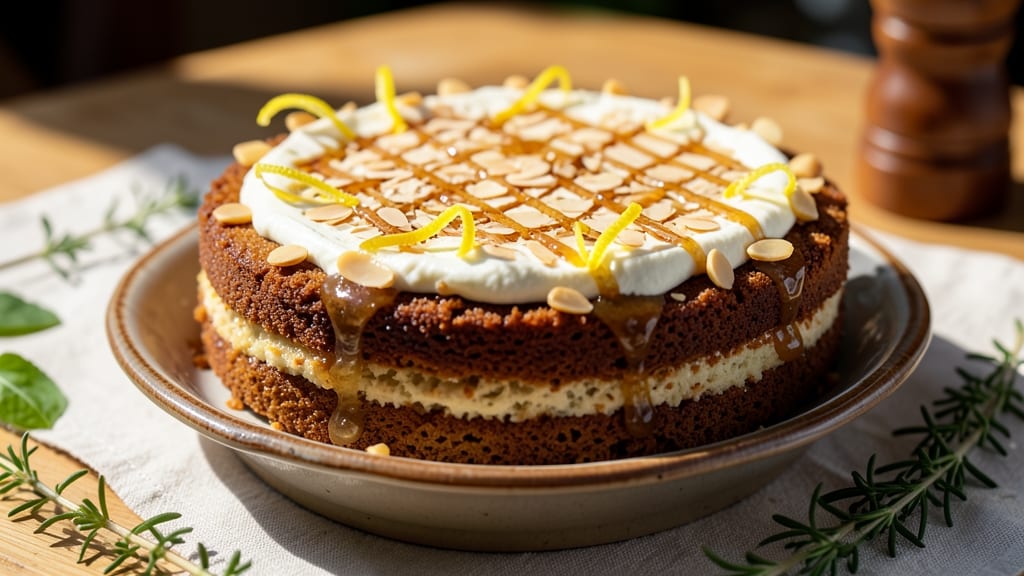
This authentic Spanish almond cake delivers the perfect balance of crispy, nutty crust and tender, moist interior that defines Torta de Almendras—Spain's beloved dessert. 🌟 The secret lies in layering almond flour with a delicate citrus-infused batter, creating a texture that's both elegant and satisfying. Unlike lighter cakes, this version stays rich and dense, with a caramelized top that cracks beautifully when sliced. What sets this recipe apart is its authentic technique: almond flour forms the foundation, while egg whites whipped to stiff peaks create that signature silky center. The cake bakes in a single layer, developing a golden crust that contrasts with the velvety interior. Traditional Spanish recipes often include lemon zest and a touch of rum for depth—elements that elevate this beyond basic almond cakes. The result is a dessert that feels both classic and luxurious, with every bite offering the nutty sweetness of almonds and a subtle citrus brightness. Perfect for special occasions or as a showstopping finale to any meal, this cake requires just 30 minutes of prep and 35-40 minutes in the oven—making it surprisingly accessible for its restaurant-quality outcome. For those seeking authenticity, stick to the traditional recipe, but feel free to experiment with modern twists like vegan egg substitutes or adding a marzipan layer. The key is patience: letting the cake cool completely before slicing ensures clean cuts and that coveted crackly top.
Ingredients for authentic spanish almond cake
Spanish almond cake's magic lies in these twelve ingredients—where nutty richness meets citrus brightness.
| Ingredient | Amount | Notes |
|---|---|---|
| Superfine Almond Flour 🥜 | 2 ½ cups | Blanched almonds preferred for smooth texture |
| Granulated Sugar 🍚 | 1 ½ cups | Organic preferred for subtle flavor |
| Large Egg Whites 🥚 | 6 whole | Room temperature for optimal whipping |
| Unsalted Butter 🧈 | ¾ cup | Cold, cubed for even baking |
| Lemon Zest 🍋 | 1 tbsp | Fresh, organic lemons preferred |
| Spanish Rum 🍹 | 2 tbsp | Solera Reserva for authentic flavor |
| Vanilla Extract 🌿 | 1 tbsp | Pure Madagascar bourbon preferred |
| Diamond Crystal Kosher Salt 🧂 | ½ tsp | Fine grain for delicate seasoning |
| Baking Powder 🍞 | ½ tsp | Aluminum-free for pure flavor |
| Lemon Juice 🍋 | 1 tbsp | Freshly squeezed, strained |
| Ground Almonds 🥜 | ½ cup | For extra crunch on top layer |
| Powdered Sugar 🍚 | ¼ cup | For dusting finished cake |
The almond flour is non-negotiable here—blanched almonds yield the smoothest texture, while toasted whole almonds create that signature crunch. Whole Foods or specialty Spanish markets carry the best quality, but any reputable brand works. For the rum, Solera Reserva adds depth, though Captain Morgan works in a pinch. The egg whites must be at room temperature—cold whites won't whip properly, and that's where the cake's signature silky center comes from. I always buy organic lemons for the zest—their vibrant color and intense flavor make all the difference in this delicate dessert.
No Spanish rum? Brandy or triple sec at half the amount works beautifully. Substituting almond flour? Hazelnut flour gives a similar texture, though the flavor profile shifts. The baking powder is crucial—aluminum-free ensures no metallic aftertaste. For the butter, European-style has higher fat content, which helps create that coveted crackly top. If you can't find superfine sugar, regular granulated sugar pulsed in a food processor works perfectly. The ground almonds on top? Toast them lightly in a dry pan for 2-3 minutes before sprinkling—their nutty aroma intensifies dramatically.
This cake develops its best texture when baked in a 9-inch springform pan, but an oven-safe skillet works too. The butter should be cold when mixed in—cut it into small cubes and let it sit at room temperature for 30 minutes before using. Once baked, let it cool completely before slicing—at least 4 hours—to ensure clean cuts and that signature crackly top. Store wrapped tightly at room temperature for 3 days, or in the fridge for 1 week. The flavors actually deepen overnight, making it perfect for special occasions.
Why You'll Love This Recipe
- No Fuss, No Mess: I swear by this—just fold almond flour, sugar, and egg whites until it’s light, then bake. No mixer required, no stress, just a bowl and a whisk. The butter and lemon zest melt into the batter like magic.
- Citrus-Kissed Magic: That lemon zest? It’s the star. Bright, sunny, and just enough to cut through the richness of the almond flour. Honestly, the first bite makes me think of Spanish patios and warm afternoons.
- Leftover Hero: This cake stays moist for days—perfect for breakfast, dessert, or even a quick snack. I’ve packed it in lunches, sliced it for guests, and still had enough for midnight cravings. No sad, stale crumbs here.
- Budget-Friendly Luxury: Almond flour might sound fancy, but it’s cheaper than you’d think, and it goes a long way. Plus, a single batch feeds a crowd or stretches into multiple servings. My wallet and guests thank me every time.
Step-by-step instructions for authentic Spanish almond cake
Here's the traditional method that delivers that signature crunchy top and tender interior.
👨🍳 Step 1: Whip Egg Whites to Stiff Peaks
Separate the 6 whole large egg whites from yolks (save yolks for another use or discard). In a clean, grease-free bowl, beat egg whites on medium speed until soft peaks form. Gradually add the 1.5 cups granulated sugar while continuing to beat until the meringue is glossy and holds stiff peaks that stand straight when the beaters are lifted.
This step is crucial—under-whipped meringue won't hold its shape, and over-whipped meringue becomes grainy. You'll know it's perfect when the peaks are thick enough to leave a trail when you lift the beaters, and the mixture looks like thick, shiny frosting. Work quickly to maintain volume.
🍳 Step 2: Mix Base Ingredients for the Batter
In a separate bowl, cream the 0.75 cup cold unsalted butter with the 2.5 cups superfine almond flour until fully combined. Add the 1 tbsp lemon zest, 2 tbsp Spanish rum, 1 tbsp vanilla extract, 0.5 tsp Diamond Crystal kosher salt, and 0.5 tsp baking powder, mixing until smooth. The batter should be thick but pourable—like a dense cake batter.
Here's the thing—don't overmix. You want just enough incorporation to combine all ingredients without developing gluten. The texture should be smooth and slightly grainy from the almond flour. If it looks too thick, add 1 tbsp lemon juice to help emulsify the mixture.
🥘 Step 3: Fold Meringue into Batter Gently
Using a spatula, gently fold one-third of the meringue into the batter to lighten it. Then fold in the remaining meringue in two additions, being careful not to deflate the air bubbles. The goal is to maintain that airy texture while combining everything evenly. You'll see streaks disappear as you fold—this indicates proper incorporation.
I use the "J" technique: scoop batter from the bottom, fold over, and turn the bowl slightly to work the meringue through the center. Stop folding when no white streaks remain. The batter should be thick but still hold its shape when spooned—like a thick soufflé batter.
🔥 Step 4: Bake in Two Layers for Signature Texture
Preheat oven to 350°F. Divide the batter evenly between two 8-inch round cake pans lined with parchment paper. Bake for 20-25 minutes until the edges are golden brown and a toothpick inserted comes out clean. Let cakes cool in pans for 10 minutes before removing to wire racks.
While the cakes cool, make the crunch topping: Mix the 0.5 cup ground almonds with 2 tbsp granulated sugar and 1 tbsp lemon juice. Spread this mixture evenly over one of the cooled cake layers, pressing gently to adhere. Place the second cake layer on top.
⏰ Step 5: Dust and Rest for Perfect Texture
Sift 0.25 cup powdered sugar evenly over the top of the cake. Let it rest at room temperature for 1 hour before slicing. This resting period allows the crunch topping to set properly and the cake to develop its signature texture contrast—crispy top layer with a tender, moist interior.
Real talk: Don't skip this resting time. The cake will hold its shape better, and the crunch topping won't crumble when you serve slices. For best results, store leftovers in an airtight container at room temperature for up to 3 days—the flavors deepen as it sits.
Pro Tips For Making Authentic Spanish Almond Cake
- Sift the Almond Flour: I learned this the hard way—skipping the sift makes the cake dense and heavy. Use a fine-mesh sieve and tap it firmly against the bowl to break up any lumps in the superfine almond flour. This ensures a light, airy texture that’s the hallmark of a good Spanish almond cake.
- Whisk Egg Whites to Stiff Peaks: Don’t stop at soft peaks—keep whipping the egg whites until they form glossy, stiff peaks that hold their shape when you lift the whisk. This step is non-negotiable for that classic, delicate crumb. If your whites won’t cooperate, make sure your bowl is spotless and your whisk is sharp.
- Melt Butter Slowly: Low and slow is the way to go when melting the butter for this cake. If you rush it, the butter can scorch, leaving a bitter taste that ruins the delicate almond flavor. Heat it in a saucepan over medium-low until just melted, then let it cool slightly before folding it into the batter.
- Bake Until Golden, Not Just Set: The cake will look done before it actually is—resist the urge to pull it out too soon. Bake it until the top is a deep, even golden brown, not just pale. This ensures the interior is fully set and the texture is firm but still tender. A toothpick test works, but trust the color more.
Storing and reheating your leftovers
Room-Temp Storage
This cake thrives at room temperature—wrap it tightly in parchment paper or plastic wrap and store in a cool, dark place for up to 3 days. The almond flour crust stays crisp, while the interior remains moist. I always place it in a wooden cake box to maintain its elegant presentation. The flavors actually intensify as it sits, making it perfect for special occasions. 🌟
Fridge Preservation
For longer storage, refrigerate in an airtight container with a damp paper towel on top to prevent drying. It keeps well for up to 1 week, though the texture becomes slightly denser. Let it sit at room temperature for 30 minutes before serving to restore the ideal crunch. I recommend slicing it with a serrated knife for clean cuts when cold.
Freezing for Later
Freeze individual slices wrapped in plastic wrap and placed in a freezer bag for up to 3 months. Thaw overnight in the fridge before reheating. For best results, warm slices in a 200°F oven for 5-7 minutes—this reactivates the crunch while keeping the interior tender. Avoid microwaving, as it can make the almond topping soggy. ✨
Reheating Secrets
For a restaurant-quality finish, dust reheated slices with extra powdered sugar and a sprinkle of toasted almond flakes. Warm the cake in a preheated oven for 3-5 minutes to restore that signature crackly top. If using a toaster oven, set it to low heat for 2 minutes—this method works best for small portions.
Serving Suggestions
Pair with Spanish sherry or espresso to complement the nutty flavors. For a modern twist, drizzle with orange blossom syrup before serving. The cake's delicate texture makes it perfect for wedding desserts or holiday gatherings. Always serve at room temperature for the best texture contrast. 💫
Nutrition facts
Frequently asked questions
Why does this Spanish almond cake need two separate bakes?
The two-layer baking creates the signature texture contrast—crispy top and tender interior. The first bake develops the base structure, while the second layer adds height and moisture. Traditional Spanish recipes use this method to achieve the perfect balance of crunch and creaminess.
Can I make this cake without almond flour?
While almond flour is traditional, you can substitute with 2 cups ground almonds (blended into a fine powder) or a mix of 1.5 cups almond flour and 1 cup hazelnut flour for a similar texture. The nutty flavor will still shine, though the cake may be slightly denser. For a gluten-free option, ensure your almond flour is certified gluten-free.
How do I fix a cake that's too dense or dry?
If the cake turns out dense, it likely means the meringue wasn't properly incorporated or the batter was overmixed. Next time, fold the meringue more gently and avoid overworking the batter. For dryness, ensure your almond flour isn't old (it absorbs moisture over time) and don't overbake—check at 20 minutes for doneness.
What's the best way to slice this cake without crumbling?
Always let the cake cool completely for 4 hours before slicing. Use a serrated knife and dip it in hot water between cuts to create clean lines. Warm the knife slightly for the first cut—this helps slice through the crunchy top layer without tearing the interior.
Can I make this cake vegan?
Yes, but with substitutions: replace egg whites with 6 tbsp aquafaba (chilled overnight) or 1 cup vegan whipped cream (whipped to stiff peaks). Use vegan butter and ensure your almond flour is vegan-certified. The texture will be slightly different but still delicious—expect a more tender, less crispy result.