Breakfast & Brunch
Aunt Jemima original pancake mix transforms into golden, fluffy stacks that taste like Sunday mornings—no complicated techniques required. This recipe delivers restaurant-quality pancakes in just 15 minutes, using the classic mix you already have. The secret lies in the right batter consistency and perfect cooking temperature, ensuring tender centers and crispy edges every time.
What makes this recipe foolproof is the balance of simplicity and precision. You'll mix the dry ingredients with liquid (milk or water) to create a smooth batter that bubbles just right in the pan. The high heat creates those signature golden-brown spots while keeping the inside light and airy. No flipping tricks or special tools needed—just patience and a steady hand.
Once you've mastered the basics, the customization possibilities are endless. Add fresh berries, a drizzle of maple syrup, or even a modern twist like matcha powder or protein powder to the batter. The pancakes stay warm on a plate while you layer them high, creating a stack that's both impressive and delicious. This is breakfast at its best—quick, satisfying, and perfect for feeding a crowd.
Whether you're making pancakes for a family brunch or a solo weekend treat, this recipe delivers consistent results. The key is paying attention to the bubbles and flipping at the right moment. With just a few simple steps, you'll have pancakes that taste like they came from your favorite diner—without the wait.
Ingredients for aunt jemima original pancake mix
Six ingredients transform your pantry staples into restaurant-quality pancakes—no shortcuts needed.
| Ingredient | Amount | Notes |
|---|---|---|
| Aunt Jemima Original Pancake Mix 🥞 | 2 cups | Classic mix for fluffy pancakes |
| Whole Milk 🥛 | 1 ½ cups | Room temperature preferred |
| Large Eggs 🥚 | 2 whole | Room temperature for best blend |
| Unsalted Butter 🧈 | 2 tbsp | Melted for crispy edges |
| Granulated Sugar 🍚 | 1 tbsp | For golden-brown perfection |
| Pure Vanilla Extract 🌿 | 1 tsp | High-quality for authentic flavor |
| Diamond Crystal Kosher Salt 🧂 | ½ tsp | Enhances natural sweetness |
| Fresh Blueberries 🫐 | ½ cup | Optional for fruity bursts |
| Pure Maple Syrup 🍯 | ¼ cup | Grade A for serving |
| Vegetable Oil 🫒 | 1 tbsp | For smooth pan coating |
The Aunt Jemima Original Pancake Mix is the backbone of this recipe—grab the classic blue box from any grocery store aisle. For the milk, whole milk gives the best texture, but 2% works too if that's what you have. Eggs should be room temperature (take them out 10 minutes before mixing)—this ensures a smoother batter. Land O'Lakes or Organic Valley are my go-tos for butter, but any unsalted brand will work. The blueberries? Trader Joe's frozen are perfect—they keep for months and add that diner-style pop. If you can't find them, raspberries or strawberries work just as well.
No vanilla extract? Almond extract at half the amount gives a similar warmth, though it has a distinct nutty note. Running low on maple syrup? Honey or agave will do in a pinch, but maple's Grade A is what you want for that classic pancake flavor. The pancake mix already has salt, so skip adding extra unless you're using unsalted ingredients. For the oil, avocado oil has a higher smoke point than vegetable oil, making it ideal for crispy pancakes. Costco sells it in bulk for a great price if you're making pancakes often.
Pancakes reheat beautifully—microwave 20 seconds to restore crispiness. Store leftovers in an airtight container for up to 3 days, or freeze for 2 months by stacking with parchment between layers. Double the batter if you're feeding a crowd—just increase all ingredients proportionally. The secret to restaurant-quality pancakes? Low and slow on the stovetop until bubbles form, then high heat for those golden spots. Trust me, it's worth the extra minute.
Why You'll Love This Recipe
- Mix-in Minutes: The box does all the work—just add milk, crack an egg, and stir. No measuring dry ingredients, no sifting, no stress. I’ve made these while chatting on the phone, and they still turn out golden.
- Butter-Sugar Magic: That little pat of butter and pinch of sugar in the batter? It’s what makes them irresistible—fluffy edges with just enough caramelized sweetness. My kids ask for seconds before the plate’s even empty.
- Breakfast for Any Day: Weekday mornings? Check. Brunch with friends? Still check. Even a quick dinner when the takeout menu gets boring. The mix stays fresh for months, and the batter keeps for days in the fridge.
- Budget Breakfast Winner: A box lasts forever, and you’re using pantry staples—milk, eggs, butter. I’ve fed a houseful with one batch, and the leftovers reheat like a dream. No fancy ingredients, just pure, reliable comfort.
Step-by-step instructions for fluffy Aunt Jemima pancakes
Here's how to transform boxed mix into restaurant-quality stacks—no shortcuts, just perfect technique.
Combine Wet Ingredients for Maximum Fluff
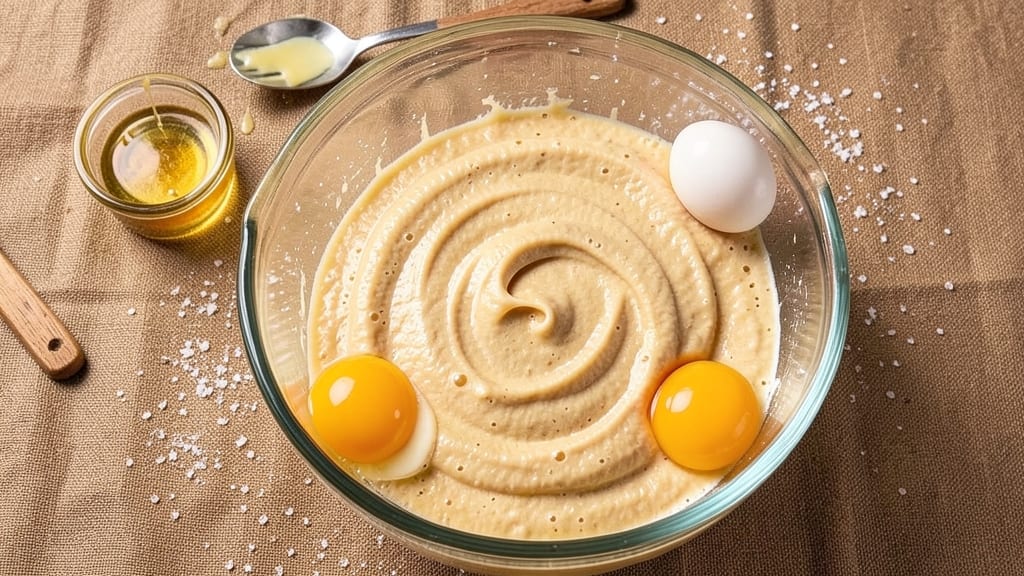
In a large mixing bowl, whisk together the 1.5 cups whole milk, 2 whole large eggs, 2 tablespoons melted unsalted butter, 1 tablespoon granulated sugar, 1 teaspoon pure vanilla extract, and ½ teaspoon Diamond Crystal kosher salt until fully combined. I like to whisk vigorously for 30 seconds—this ensures the eggs and butter emulsify properly, creating tiny air pockets that will make your pancakes light and airy.
The butter should be completely melted and incorporated, with no visible lumps. If you notice any separated fat, whisk for another 10 seconds—this is crucial for that signature fluffy texture. Room-temperature ingredients blend better, so if your eggs or milk are cold, let them sit at room temperature for 10 minutes before mixing. This step makes all the difference between dense pancakes and cloud-like stacks.
Fold in Dry Mix and Blueberries Gently
Gradually sprinkle the 2 cups Aunt Jemima Original Pancake Mix over the wet ingredients while stirring continuously with a rubber spatula. The goal is to create a smooth, lump-free batter with a consistency similar to heavy cream—thick enough to coat the back of the spatula but still pourable. Overmixing develops gluten, which makes pancakes tough instead of tender.
Once the dry mix is fully incorporated, gently fold in the ½ cup fresh blueberries using the spatula. I like to do this in two additions, gently turning the bowl to distribute them evenly without crushing them. If you're using frozen blueberries, don't thaw them first—they'll release moisture that can make your pancakes gummy. Let the batter rest for 5 minutes while you prepare your cooking surface—this allows the flour to fully hydrate and the batter to reach an ideal temperature.
Preheat Pan and Test with Oil
Heat a large skillet or griddle over medium heat (around 350°F) and add 1 tablespoon vegetable oil, swirling to coat the entire surface evenly. Here's the thing—your pan should be hot enough that a drop of water sizzles and evaporates instantly when flicked onto it. If it beads up or slowly rolls, your pan isn't ready and you'll end up with greasy pancakes instead of crispy ones.
Once the oil is shimmering, pour ¼ cup batter for each pancake, spreading it slightly with the back of the spatula to create an even ½-inch thick circle. You should be able to fit about 6 pancakes in your skillet without crowding. The key to perfect pancakes is patience—don't rush this step. Each pancake needs room to cook through without steaming.
Cook Until Golden Brown and Bubbly
Cook the pancakes for 2-3 minutes until the edges look set and bubbles form on the surface. This is when you'll see those telltale signs of perfect pancakes—the edges will pull away slightly from the pan, and the surface will develop a network of tiny bubbles. Here's where it gets fun: when you see the bubbles getting larger and more frequent, that's your signal to flip.
Use a thin spatula to carefully flip each pancake and cook for another 1-2 minutes until the second side is golden brown and the center looks cooked through. The pancakes are done when they release easily from the pan and have a beautiful caramelized color. Don't walk away—pancakes burn fast once they're flipped. For extra crispy edges, I like to press down gently on each pancake during the last 30 seconds of cooking.
Serve Warm with Maple Syrup
Transfer the cooked pancakes to a clean plate and keep them warm in a 200°F oven while you finish the batch. Here's the pro move: stack them immediately while they're hot—this prevents them from getting soggy. Drizzle generously with the ¼ cup pure maple syrup and serve with additional blueberries if desired. The syrup should be warm enough to slightly soften the pancakes, creating that perfect balance of crispy edges and tender centers.
Each bite should deliver that classic Aunt Jemima flavor with a light, airy texture and bursts of fresh blueberry. The secret to keeping them fluffy is serving them immediately—they'll start to firm up as they cool. If you make a big batch, work in groups of three pancakes at a time to keep everything hot and ready to eat. This method guarantees pancakes so good, no one will believe they came from a box!
Pro Tips For Making Aunt Jemima Original Pancake Mix
- MELT THE BUTTER FIRST: The box says "melted butter," but I used to toss cold chunks straight in—lumpy batter every time. Microwave the butter in 10-second bursts until fully melted and just slightly foamy. That’s the sweet spot for fluffy pancakes.
- WHISK THE MILK HARD: I learned this the hard way—pouring milk in and mixing just until combined leads to dense pancakes. Whisk the milk vigorously for 30 seconds before adding it to the dry mix. The tiny bubbles create lightness you’ll actually taste.
- USE ROOM-TEMP EGG: Cold eggs make the batter sluggish and uneven. Crack the eggs into a bowl, let them sit for 5 minutes while you measure the milk, then mix. Warm eggs blend smoother and help the batter flow better on the griddle.
- COOK LOW AND SLOW: High heat = burnt edges, raw centers. Start medium, then drop to medium-low once bubbles form. I used to rush this, but pancakes cooked at 325°F (medium-low) stay thick, fluffy, and golden without flipping drama.
Common mistakes when making perfect results
Overmixing the Batter
I've seen this happen more times than I can count—someone mixes the batter with enthusiasm and ends up with dense, rubbery pancakes instead of fluffy stacks. The Aunt Jemima mix already contains leavening agents, so once you've combined everything smoothly (just until no dry spots remain), stop stirring immediately. Overmixing develops gluten in the flour, which creates a tough texture. Think of it like this: you're not making pancakes, you're making pancake clouds—gentle handling keeps them light. 🥞
Using Cold Ingredients
Cold eggs and milk can make your batter separate or create uneven cooking. Room-temperature ingredients blend more smoothly and cook more evenly. If your kitchen is chilly, simply let the milk sit out for 10 minutes before using, and crack the eggs into a separate bowl first to bring them to room temperature. I learned this the hard way when my first batch turned out greasy—now I always check ingredient temps before starting.
Skipping the Rest Time
Letting the batter rest for 5 minutes after mixing might seem like a small detail, but it makes a huge difference. This brief pause allows the flour to fully hydrate and the batter to reach an ideal temperature. Skipping this step often results in pancakes that cook unevenly—some parts may be underdone while others burn. Think of it as giving your pancakes a little head start in the cooking process.
Incorrect Pan Temperature
The pan needs to be hot enough to create those signature crispy edges, but not so hot that the pancakes burn before cooking through. A good test is the water drop method: flick a drop of water onto the pan—if it sizzles and evaporates instantly, you're ready to cook. Too cold? Your pancakes will be greasy. Too hot? They'll burn before setting. Medium heat (around 350°F) is perfect for achieving that golden-brown color we all love.
Flipping Too Early or Too Late
Timing is everything when it comes to flipping. Pancakes are ready when bubbles form on the surface and the edges look set. Flipping too early means uncooked batter will spill out, while flipping too late can result in burnt pancakes. I recommend flipping when you see large, steady bubbles forming—usually after about 2-3 minutes. And here's a pro tip: use a thin spatula for easy flipping without tearing the pancakes.
Not Using Enough Oil
While it might seem like more oil equals crispier pancakes, using too little can make them stick to the pan and cook unevenly. A light coating of oil (about 1 tablespoon per batch) is perfect for creating that beautiful caramelized crust. I like to swirl the oil around the pan to ensure even coverage. Too little oil, and you'll spend more time prying pancakes off the pan than enjoying them. 🧈
Nutrition facts
Frequently asked questions
Can I substitute water for milk in Aunt Jemima pancake mix?
Yes, but your pancakes will be slightly denser. Whole milk creates the fluffiest texture, but for a lighter option, try a 50/50 mix of milk and water. If using all water, add 1 extra tablespoon of melted butter to compensate for the lack of fat. For extra richness, swap in almond milk with 1 teaspoon of cornstarch to thicken.
Why are my pancakes tough instead of fluffy?
Overmixing develops gluten, making pancakes tough. Stop stirring immediately after combining ingredients—just until no dry spots remain. Also ensure your pan isn't too hot (test with water: it should sizzle instantly). Cold ingredients can also cause tough texture, so let eggs and milk sit at room temperature for 10 minutes before mixing.
How do I make pancakes without a griddle?
Use a 10-inch nonstick skillet on medium heat (around 350°F). Heat 1 tablespoon oil until shimmering, then pour ¼ cup batter per pancake. Cook until bubbles form (2-3 minutes), then flip carefully. For even cooking, reduce heat slightly if your skillet gets too hot. A small skillet works too—just make smaller pancakes (2 tablespoons batter each).
Can I make Aunt Jemima pancakes ahead of time?
Yes! Cook pancakes completely, then stack with parchment paper between layers. Store in an airtight container at room temperature for 2 days or freeze for 2 months. To reheat, microwave 20-30 seconds or warm in a 350°F oven for 5-10 minutes until crispy. For best texture, reheat in batches of 2-3 pancakes.
What's the secret to crispy edges?
High heat and proper oil are key! Heat your pan until a drop of water sizzles instantly, then coat with 1 tablespoon oil (swirl to cover). Cook pancakes until edges are golden and bubbles form (2-3 minutes), then flip. For extra crispiness, press down gently with a spatula during the last 30 seconds of cooking. A well-seasoned cast-iron skillet gives the best results.